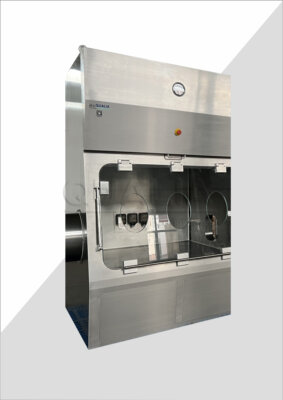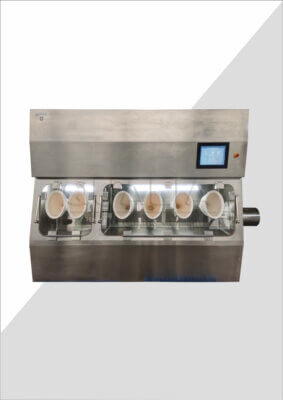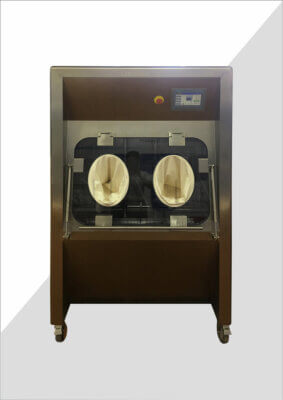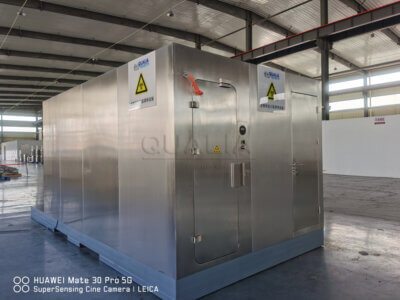

Для виробників медичних виробів застосування стерилізації пароподібним перекисом водню становить критичну проблему сумісності матеріалів. Ефективність процесу залежить від потужної окислювальної пари, яка може руйнувати несумісні полімери, метали та упаковку, ставлячи під загрозу безпеку та функціональність пристрою. Без систематичного тестування перехід на VHP може призвести до виходу з ладу продукції та невідповідності нормативним вимогам.
Це тестування тепер є формальною вимогою, а не пропозицією. З переходом VHP на встановлений метод категорії А за стандартом ISO 22441 перевірка сумісності матеріалів є обов'язковою. Нагальність цього питання посилюється пошуком галуззю стійких низькотемпературних альтернатив етиленоксиду. Валідована стратегія використання матеріалів є важливим першим кроком для використання переваг VHP.
Що таке випробування на сумісність матеріалів для VHP?
Визначення сфери застосування
Випробування на сумісність матеріалів - це емпірична оцінка здатності медичного виробу та його стерильної бар'єрної системи витримувати специфічні фізичні та хімічні навантаження під час циклу стерилізації ДХП. Мета подвійна: підтвердити, що процес досягає стерильності, а безпека, функціональність і довговічність пристрою залишаються безкомпромісними. Це виходить за рамки простої перевірки "пройшов/не пройшов"; це оцінка ризиків, пов'язаних з тим, наскільки глибокий вакуум, концентрація пари і фази аерації взаємодіють з матеріалами продукту.
Регуляторний імператив
Це тестування перетворилося з найкращої практики на наріжний камінь формальної валідації. Оскільки VHP стандартизовано відповідно до ISO 22441, демонстрація сумісності матеріалів є обов'язковою передумовою для подачі документів до регуляторних органів. Сильний окислювальний характер пари може спричинити абсорбцію, поверхневе окислення або крихкість. Галузеві експерти рекомендують починати оцінку сумісності на ранній стадії проектування, щоб уникнути дорогих переробок пізніше, оскільки обмеження щодо матеріалів можуть докорінно змінити рішення щодо пакування та ланцюга поставок.
Стратегічний результат
Основним результатом є підтвердження на основі фактичних даних. Успішний тест на сумісність підтверджує, що VHP є життєздатним варіантом обробки для конкретної конфігурації пристрою. Ця фундаментальна робота знижує ризики більш масштабної валідації процесу і дає можливість виробникам скористатися перевагами VHP як низькотемпературної альтернативи, що не містить залишків.
Основні принципи стерилізації та взаємодії матеріалів VHP
Механіка циклу
Типовий цикл VHP складається з фаз глибокого вакууму, інжекції пари, дифузії та аерації. Стерилізуючий агент, пароподібний H₂O₂, діє, окислюючи ключові клітинні компоненти мікроорганізмів. Ці ж хімічні та фізичні сили керують взаємодією матеріалів. Глибокий вакуум може спричинити напругу в ущільненнях і викликати виділення газів з певних полімерів, тоді як введення парової фази створює всеохоплюючу окислювальну проблему.
Динаміка взаємодії матеріалів
Хоча VHP демонструє широку сумісність, він не є універсальним. Сумісність необхідно перевіряти емпірично для кожної рецептури матеріалу. Параметри процесу - не тільки хімічний стерилізатор - створюють стрес. Коливання температури і зміни вологості можуть спричинити нестабільність розмірів гігроскопічних матеріалів. Важливою, але часто ігнорованою деталлю є те, що фази вакууму особливо впливають на цілісність закриття контейнера, що робить ретельне тестування пристроїв, наповнених рідиною, таких як попередньо заповнені шприци, вкрай важливим.
Наслідки для розробки тестів
Розуміння цих принципів є життєво важливим для розробки репрезентативних тестів на сумісність. Простого впливу перекису водню на зразок матеріалу недостатньо. Випробування повинні імітувати профіль повного циклу - рівні вакууму, концентрацію парів, температурні перепади, щоб точно передбачити реальні характеристики. З мого досвіду, нездатність відтворити точні параметри виробничого циклу є поширеним джерелом помилок валідації під час наступних аудитів.
Основні проблеми та міркування щодо сумісності матеріалів
Несумісні категорії матеріалів
Успішне впровадження ВЛП вимагає врахування конкретних, добре задокументованих обмежень щодо матеріалів. Матеріали з високим ступенем поглинання знижують концентрацію стерилізатора, а хімічно активні метали можуть піддаватися корозії. Ці обмеження вимагають прийняття стратегічних рішень на рівні дизайну та пакування.
У наступній таблиці наведено найважливіші категорії матеріалів та пов'язані з ними виклики:
| Категорія матеріалу | Статус сумісності | Ключове обмеження / стратегічний вплив |
|---|---|---|
| Целюлоза (папір, картон) | Загалом несумісні | Поглинає стерилізуючий засіб, знижує його концентрацію |
| Мідь без покриття, латунь | Може бути несумісним | Ризик окислення та знебарвлення |
| Рідини та порошки | Зазвичай непридатні | Непередбачувана абсорбція та реакції |
| Вторинна транспортна упаковка | Неможливо увійти в камеру | Вимагає багаторазові пластикові торбинки |
Джерело: Технічна документація та галузеві специфікації.
Редизайн упаковки та логістики
Обмеження на використання целюлози та гофрованих матеріалів має значний вплив на операційну діяльність. Вторинна транспортна тара не може потрапити в стерилізаційну камеру, що часто призводить до необхідності переходу на багаторазові пластикові системи для транспортування матеріалів. Ця вимога сумісності фундаментально диктує дизайн ланцюга поставок і логістики, додаючи складності в обробці, але забезпечуючи процес без залишків. Виробники повинні провести аналіз свого портфоліо, оскільки пристрої, що містять складні матеріали, можуть бути виключені з переробки VHP.
Стратегічний аналіз портфеля проектів
Необхідність сумісності матеріалів змушує стратегічно переглянути, які лінійки продуктів підходять для VHP. Високомаржинальні, складні пристрої з сумісних матеріалів є ідеальними кандидатами. Цей аналіз є як бізнес-рішенням, так і технічним рішенням, що спрямовує капітальні інвестиції в інфраструктуру VHP на найбільш вигідні сімейства продуктів.
Основні компоненти тестування відповідно до ISO 22441
Холістична система тестування
У "The ISO 22441 вимагає комплексного підходу, який оцінює як естетичну, так і функціональну цілісність після впливу ВГП. Тестування повинно продемонструвати, що після стерилізації пристрій працює так, як передбачалося. Це передбачає більше, ніж візуальний огляд; це вимагає функціонального тестування механічних вузлів, електричних ланцюгів і програмних інтерфейсів у змодельованих умовах використання.
Вирівнювання біологічних показників
Наріжним каменем для конкретного процесу є правильний вибір і розміщення біологічних індикаторів (БІ). Відповідний мікроорганізм повинен відповідати фізиці циклу. Використання неправильного мікроорганізму робить заяву про стерилізацію недійсною. Цей вибір не є довільним, а продиктований специфічною стійкістю БІ до фази стерилізатора.
У таблиці нижче детально описані основні компоненти протоколу тестування, що відповідає вимогам:
| Тестовий компонент | Мета / Метод | Критична специфікація |
|---|---|---|
| Візуальний та розмірний контроль | Виявити зміну кольору, набряк | Естетична та функціональна цілісність |
| Тестування функціональної продуктивності | Перевірте механічну/електричну роботу | Безпека пристроїв після експозиції |
| Вибір біологічних індикаторів (БІ) | Підтвердження загибелі мікроорганізмів | Geobacillus stearothermophilus (пара) |
| Вибір біологічних індикаторів (БІ) | Підтвердження загибелі мікроорганізмів | Bacillus atrophaeus (рідина) |
Джерело: ISO 22441:2022. Цей стандарт вимагає комплексного підходу до тестування для валідації стерилізації ЛПВП, включаючи функціональне тестування та критичний відбір відповідних біологічних показників для демонстрації ефективності процесу.
Створення запасу міцності
Протокол, що відповідає вимогам, зазвичай піддає зразки продукції декільком циклам, що перевищують типовий виробничий вплив. Такий підхід створює запас міцності, враховуючи потенційну варіабельність процесу і забезпечуючи впевненість у здатності продукту витримувати багаторазову повторну стерилізацію, якщо це необхідно.
Розробка офіційного протоколу та звіту про випробування
Структура протоколу
Офіційний протокол випробувань повинен бути контрольованим документом, що визначає конфігурацію об'єкта випробувань (повні пристрої або репрезентативні купони), точні параметри циклу VHP (температура, тиск, концентрація H₂O₂, час експозиції), а також кількість циклів. Він визначає випробування до і після експозиції та чіткі, вимірювані критерії прийнятності для кожного з них. Така строгість перетворює випробування з дослідження на остаточну, перевірену діяльність з валідації.
Звіт як запатентоване знання
Подальший звіт про випробування - це не просто нормативний документ; він містить запатентовані знання. Він документує емпіричні докази, що пов'язують конкретні характеристики матеріалу з конкретними умовами процесу. Перші компанії, які пройшли ці перевірки, створюють технічний рів - експертизу в розробці циклів для складних пристроїв, що дозволяє їм виводити на ринок сертифіковану, екологічно чисту продукцію, випереджаючи конкурентів.
Забезпечення обороноздатності
Звіт повинен забезпечувати повну простежуваність і можливість захисту. Кожна точка даних повинна бути простежуваною до відкаліброваного приладу, а кожен стан зразка повинен бути задокументований. Така захищеність має вирішальне значення для регуляторних перевірок, а також для забезпечення впевненості команд з якості та виробництва в тому, що процес є надійним.
Аналіз властивостей матеріалів: Кількісні методи випробувань
Вихід за межі суб'єктивних перевірок
Кількісний аналіз властивостей матеріалів надає об'єктивні, числові докази сумісності, виходячи за межі суб'єктивного візуального огляду. Ці методи виявляють тонкі зміни, які можуть вплинути на довгострокову продуктивність. Для високонадійних пристроїв ці дані є незамінними для науково обґрунтованого визначення сумісності.
Ключові кількісні показники
Стандартизовані методи випробувань вимірюють конкретні фізичні та хімічні властивості до і після впливу ВГП. Найпоширеніші показники включають твердість, масу та міцність на розрив. Спектроскопічні методи, такі як інфрачервона спектроскопія з перетворенням Фур'є (FTIR), можуть виявити поверхневе окислення або хімічні зміни на молекулярному рівні, забезпечуючи раннє попередження про деградацію.
У наступній таблиці наведено основні кількісні методи тестування та типові показники:
| Метод випробування | Виміряна власність | Типовий критерій прийнятності |
|---|---|---|
| Береговий дюрометр | Зміна твердості | ≤ зміна 2% |
| Вимірювання ваги | Виявлення поглинання | < 2.5% збільшення ваги |
| Випробування на міцність на розрив | Оцінка крихкості | Підтримувати задану міцність |
| ІЧ-спектроскопія | Виявлення окислення поверхні | Без хімічних змін |
Джерело: Технічна документація та галузеві специфікації.
Партнерство заради експертизи
Проактивне партнерство з випробувальними лабораторіями, які мають досвід у розробці методів зниження ризиків, специфічних для ЛПВЩ. Ці лабораторії надають не лише обладнання, але й історичні дані та розуміння типових реакцій матеріалів, що може допомогти в інтерпретації результатів і скоротити час виходу на ринок для валідації нових пристроїв.
Валідація пристроїв для перевірки упаковки та технологічних процесів (PCD)
Цілісність системи стерильного бар'єру
Валідація упаковки є подвійною вимогою відповідно до ISO 22441. Стерильна бар'єрна система (наприклад, пакети з тайвеку, поліолефіну спанбонд) повинна забезпечувати дифузію парів стерилізатора, зберігаючи при цьому свою цілісність після експозиції. Зазвичай це перевіряється фізичними тестами, такими як проникнення барвника або виділення бульбашок після стерилізації. Сама упаковка повинна бути сумісною з матеріалом, щоб запобігти розшаруванню або ослабленню ущільнення.
Роль пристрою виклику процесу
Пристрій для ускладнення процесу (PCD) - це конструкція, призначена для створення умов стерилізації, що дорівнюють або перевищують умови стерилізації найскладнішого продукту в завантаженні. Для ЛПВ це часто означає імітацію довгих, вузьких просвітів або щільних штабелів матеріалу, які перешкоджають проникненню пари. ДХП має бути сумісним з матеріалом; якщо він погіршується, він не може забезпечити надійний виклик для рутинного моніторингу.
Стратегічне застосування та пропускна здатність
Перевірені ПХД та сумісна упаковка є запорукою стратегічного застосування VHP. Хоча масштаби камери VHP часто обмежують пропускну здатність великих обсягів, вона дозволяє розгортати її в лінію або в точці використання. Це робить його ідеальним для стерилізації нішевих, дорогих виробів, таких як індивідуальні 3D-друковані імплантати або оснащені датчиками смарт-пристрої, безпосередньо на місці виробництва.
У таблиці нижче наведено ключові елементи цієї перевірки:
| Елемент перевірки | Мета тесту | Стратегічне застосування |
|---|---|---|
| Стерильна бар'єрна система (наприклад, Tyvek) | Перевірте дифузію та цілісність пари | Випробування на проникнення барвника |
| Пристрій виклику процесу (PCD) | Продемонструйте найгірший сценарій проникнення | Імітує довгі промені |
| Сумісність матеріалів PCD | Переконайтеся, що PCD витримує процес | Не повинен деградувати |
| Камерна шкала | Обмежує пропускну здатність | Дозволяє розгортання в лінію |
Джерело: ISO 22441:2022. Стандарт визначає вимоги до валідації проникнення стерилізатора, включаючи використання ПКД, а також до забезпечення сумісності всіх матеріалів, включаючи матеріали ПКД і пакування, з процесом VHP.
Впровадження стратегії випробування матеріалів, що відповідає вимогам VHP
Починаючи з техніко-економічного обґрунтування
Впровадження починається з міжфункціональної оцінки доцільності відповідно до стандарту ISO 22441. У цьому беруть участь команди з досліджень і розробок, пакувальної інженерії, якості та ланцюжка поставок. Під час оцінки перевіряється специфікація пристрою на відповідність відомим обмеженням VHP і визначається, чи є необхідність у переробці конструкції. Така співпраця на ранній стадії запобігає прийняттю ізольованих рішень, які згодом можуть зробити підхід до стерилізації недійсним.
Інтеграція драйверів сталого розвитку
Драйвери сталого розвитку прискорюють інвестиції у VHP. Мінімальний обсяг стічних вод, відсутність токсичних залишків і загалом низьке споживання енергії порівняно з іншими способами виробництва тісно пов'язані з корпоративними цілями ESG. Ці переваги сталого розвитку можуть допомогти обґрунтувати операційні зміни та необхідні капітальні інвестиції, розглядаючи впровадження VHP як технічну та стратегічну бізнес-перевагу.
Сегментація ринку та позиціонування
Стратегія тестування на відповідність вимогам є інструментом ринкового позиціонування. VHP сегментує ринок медичних виробів, виявляючись ідеальним для складних, високомаржинальних пристроїв, таких як комбіновані продукти з електронікою або біологічними речовинами. Малоймовірно, що в найближчій перспективі він замінить EtO для масових, недорогих виробів широкого вжитку. Таким чином, цілеспрямована стратегія тестування та валідації матеріалів дозволяє компанії зайняти лідируючі позиції в інноваційних, екологічно чистих сегментах продукції.
Рішення про впровадження стерилізації ЛПМД залежить від обґрунтованої стратегії сумісності матеріалів, підтвердженої кількісними випробуваннями та офіційною документацією згідно зі стандартом ISO 22441. Надайте пріоритет ранній техніко-економічній оцінці всіх матеріалів і упаковки продукції та інвестуйте в кількісні методи тестування, які надають об'єктивні докази сумісності. Така завчасна ретельність - єдиний шлях до використання операційних переваг та переваг сталого розвитку VHP без шкоди для цілісності продукції.
Потрібні професійні рекомендації щодо сумісності та валідації матеріалів VHP? Експерти з QUALIA спеціалізуються на розробці та виконанні протоколів випробувань для передових методів низькотемпературної стерилізації, включаючи системи з використанням перекису водню в парах. Зв'яжіться з нашою командою, щоб обговорити вимоги вашого проекту і побудувати відповідний шлях вперед.
Поширені запитання
З: Які конкретні властивості матеріалу ми повинні виміряти, щоб довести сумісність з VHP, окрім візуального огляду?
В: Вам потрібні кількісні дані, отримані в результаті таких випробувань, як визначення твердості по Шору (зміна ≤2% часто є прийнятною), вимірювання ваги для виявлення поглинання (типова межа <2,5%), а також оцінка міцності на розрив для перевірки на крихкість. Аналіз поверхні за допомогою інфрачервоної спектроскопії з перетворенням Фур'є (FTIR) може виявити хімічні зміни. Це означає, що для високонадійних пристроїв ви повинні передбачити в бюджеті ці конкретні аналітичні методи у кваліфікованій лабораторії, щоб отримати об'єктивні докази для вашого звіту про валідацію відповідно до ISO 22441:2022.
З: Як ISO 22441 змінює вимоги до вибору біологічних індикаторів для валідації ЛЗД?
В: Стандарт вимагає, щоб обраний вами біологічний індикатор (БІ) відповідав конкретній фізиці вашого циклу VHP. Ви повинні вибрати Geobacillus stearothermophilus для валідації парофазних циклів або Bacillus atrophaeus для процесів, пов'язаних зі стійкістю до рідкого перекису. Використання неправильного мікроорганізму робить вашу заяву про стерилізацію недійсною. Це означає, що ваш протокол валідації повинен чітко обґрунтовувати вибір БІ на основі параметрів циклу, щоб відповідати ISO 22441:2022 та забезпечити регуляторний захист.
З: Які поширені матеріали для медичних виробів найчастіше не проходять тестування на сумісність з VHP?
В: Матеріали з високим ступенем поглинання, такі як целюлоза (папір, картон), як правило, несумісні для первинного пакування, оскільки вони виснажують стерилізуючий засіб. Реакційноздатні метали без покриття, такі як мідь і латунь, можуть окислюватися, а рідини і порошки часто реагують непередбачувано. Це означає, що ви повинні заздалегідь провести цілеспрямований аналіз портфоліо; пристрої, що містять ці матеріали, можуть потребувати переробки або бути виключеними з VHP, що фундаментально вплине на вашу стратегію пакування та ланцюга постачання.
З: Якими є найважливіші компоненти офіційного протоколу випробувань на сумісність матеріалів VHP?
В: Відповідний протокол вимагає піддавати зразки продукції певній кількості циклів VHP, що часто перевищує типовий виробничий вплив, і документувати точні параметри циклу, дані до і після впливу, а також критерії прийнятності. Випробування повинні оцінювати як естетичну цілісність, так і функціональні характеристики. Ця сувора документація створює запатентовані знання, тому команди, які першими її заповнюють, отримують конкурентну перевагу в маркетингу перевірених низькотемпературних стерилізованих продуктів.
З.: Чому валідація упаковки є унікальним викликом для процесів стерилізації VHP?
В: Валідація має дві складові: ваша стерильна бар'єрна система повинна допускати проникнення парів, зберігаючи цілісність після завершення циклу, і будь-які пристрої для перевірки технологічних процесів (PCD), що використовуються, повинні бути сумісними за матеріалом. Фази глибокого вакууму ставлять особливі вимоги до цілісності закриття контейнера. Це означає, що для таких пристроїв, як попередньо наповнені шприци, ви повинні планувати суворі випробування, наприклад, на проникнення барвника, і переконатися, що ваша конструкція PCD враховує довговічність матеріалу при багаторазовому впливі, відповідно до таких стандартів, як ASTM F1980-21 від ефекту старіння.
З: Як ми повинні структурувати міжфункціональну стратегію впровадження стерилізації ЛЖВ?
В: Почніть з оцінки доцільності відповідно до стандарту ISO 22441, інтегруючи результати досліджень і розробок, пакувальної інженерії та логістики ланцюга поставок. Ви повинні оцінити, як обмеження VHP, такі як несумісність вторинної картонної упаковки, вимагають операційних змін, таких як багаторазові системи тоталізаторів. Це означає, що рішення є як технічним, так і комерційним; VHP ідеально підходить для високомаржинальних, складних пристроїв, таких як комбіновані продукти з електронікою, позиціонуючи його як стратегічну альтернативу EtO для цільових лінійок продуктів, а не як універсальну заміну.
З: Яка роль оцінки біологічної безпеки в тестуванні сумісності матеріалів VHP?
В: Випробування на сумісність матеріалів повинно гарантувати, що будь-яка деградація або вилуговування речовин, спричинені процесом VHP, не створюють нових біологічних ризиків. Оцінка цих потенційних ризиків проводиться в рамках стандарту біологічної оцінки. Це означає, що дані валідації VHP повинні бути включені в загальну оцінку безпеки, щоб підтвердити, що пристрій залишається сумісним після стерилізації, як зазначено в ISO 10993-1:2018.
Пов'язаний вміст:
- 8 переваг парів перекису водню у 2025 році
- ДРТ проти традиційної стерилізації: порівняння до 2025 року
- Випробування медичних виробів в стерильних ізоляторах
- Повний посібник зі стерилізації перекисом водню для медичних виробів і фармацевтичних установ: стандарти та найкращі практики 2025 року
- VHP Стерилізація в охороні здоров'я: найкращі практики до 2025 року
- Генератори VHP, що відповідають вимогам GMP | Вимоги FDA до портативної дезінфекції
- Розуміння технології VHP | Системи з пароподібним перекисом водню
- Лабораторна стерилізація за допомогою VHP: експертний посібник до 2025 року
- Процес стерилізації VHP: Повне керівництво до 2025 року