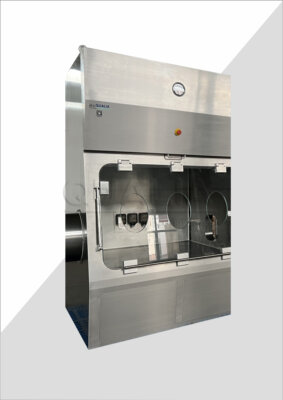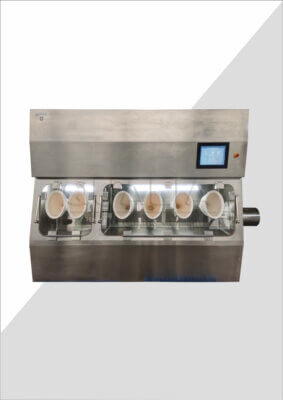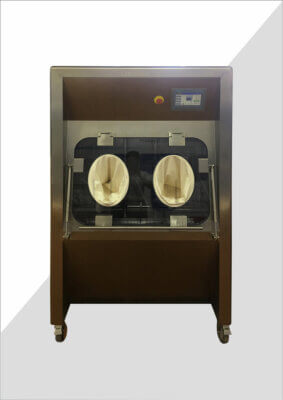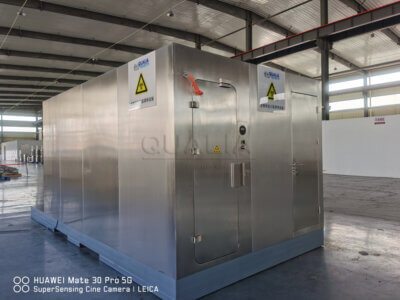

Розробка циклу для знезараження ізолятора, як правило, виявляє найдорожчі проблеми під час валідації, а не під час налаштування - саме тому коротке замикання між портом впорскування і повітропроводом зворотного повітря або розрахунок об'єму, який ігнорує порти для рукавичок, зазвичай коштує від трьох до шести тижнів доопрацювання, а не одного дня налаштування. Попередні рішення, які визначають, чи досягне цикл ДХВ кожної внутрішньої поверхні зі стерилізуючою концентрацією, здебільшого приймаються до першого тестового запуску, і їх зміна після цього часто вимагає фізичних модифікацій сантехніки або обладнання ізолятора. Розуміння того, які змінні налаштування мають таку вагу в подальшому - і які з них можна відновити - є тим, що відокремлює кваліфікацію, яка працює чисто, від тієї, яка зупиняється на етапі біологічного індикатора.
Розрахунок об'єму ізолятора з урахуванням портів для рукавичок і люків
Розрахунок внутрішнього об'єму ізолятора для розробки циклу VHP є простим, доки ви не врахуєте поверхні, які поводяться не так, як основна камера. Порти для рукавичок і завантажувальні люки - це не просто геометричні порожнечі, вони являють собою нерегулярні, частково закриті простори з більшим співвідношенням площі поверхні до об'єму, ніж основний робочий простір, і якщо їх виключити з розрахунку об'єму, то доза H2O2, що доставляється на одиницю об'єму, буде заниженою.
Згідно з практичною методологією, сумарний об'єм портів для рукавичок і пов'язаних з ними люків становить приблизно 2-10% від загального розрахункового об'єму камери, залежно від конфігурації ізолятора та кількості точок доступу. Цей діапазон звучить вузько, але в асептичному ізоляторі середнього розміру з шістьма портами для рукавичок і двома завантажувальними люками він може змістити розрахунок дози генератора настільки, що призведе до непослідовних показань проміле в дистальних точках під час кондиціонування. Занижений розрахунок призводить до недодозування робочої зони; завищений розрахунок додає непотрібне навантаження H2O2, подовжує час аерації і може збільшити ризик залишкової концентрації.
Практичним наслідком неточного значення об'єму є те, що воно спотворює всі наступні параметри циклу - час кондиціонування, цільове значення проміле, тривалість витримки і кінцеву точку аерації - ще до того, як буде здійснена спроба валідації. Якщо параметри циклу отримані з об'єму, який не відповідає реальній внутрішній геометрії, дані валідації будуть внутрішньо суперечливими і їх буде важко зіставити. Вимірювання фактичного об'єму, включаючи втулки портів для рукавичок і мертві ніжки люків, перед тим, як застосовувати рецепт циклу, є більш надійною відправною точкою.
Позиціонування портів впорскування та запобігання короткому замиканню
Місце, де генератор VHP подає повітря в ізолятор, має таке ж велике значення, як і те, що він подає. Якщо впускний отвір розташований занадто близько до зворотного повітряного каналу, пара прямує по шляху найменшого опору безпосередньо до вихлопу, не встигнувши розсіятися по всьому об'єму камери. Дистальний кінець ізолятора - як правило, найвіддаленіший від генератора - залишається з концентрацією, нижчою за стерилізаційну, в той час як датчики з ближнього боку показують достатній рівень проміле. Це типова помилка короткого замикання, і вона майже завжди непомітна під час раннього введення генератора в експлуатацію, оскільки датчик, розташований найближче до точки впорскування, показує правильні показання.
Проблема зазвичай виявляється під час картування біологічних індикаторів, коли смужки зі спорами, розміщені на дальньому порту рукавички або на дні перевантажувального люка, повертаються з кількістю виживших, яка не корелює з даними про концентрацію. На той момент ізолятор може бути вже встановлений і введений в експлуатацію, а це означає, що корекція шляху потоку передбачає або перестановку ін'єкційного трубопроводу, або додавання перегородки для перенаправлення пари від зворотного каналу - обидва ці варіанти вимагають вимкнення ізолятора.
Розташування впускного отвору слід оцінити на етапі проектування або закупівлі ізолятора за допомогою базового моделювання повітряного потоку або, як мінімум, тесту візуалізації диму перед першим запуском VHP. Принцип роботи полягає в тому, що точка впорскування повинна мати достатню лінійну відстань і опір повітряного потоку між собою і витяжкою, щоб змусити пару пройти весь об'єм камери, перш ніж вона буде виведена назовні. У довгих або розділених на відсіки ізоляторах однієї точки впорскування часто недостатньо, незалежно від її розташування; для підтримки рівномірності концентрації по всій робочій зоні може знадобитися другий порт впорскування на дистальному кінці.
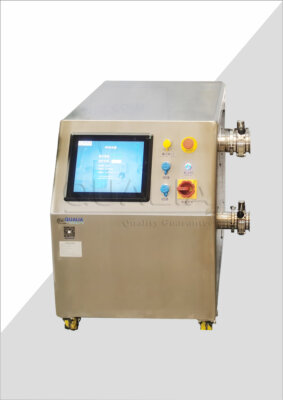
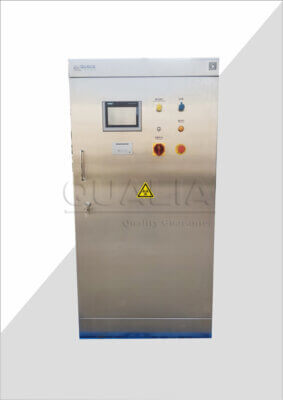
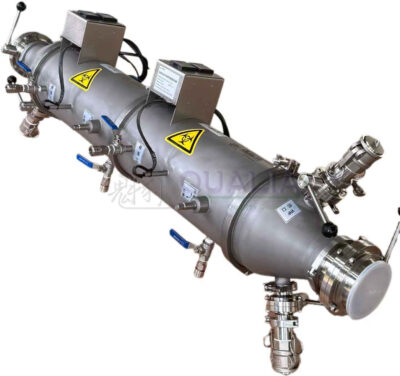
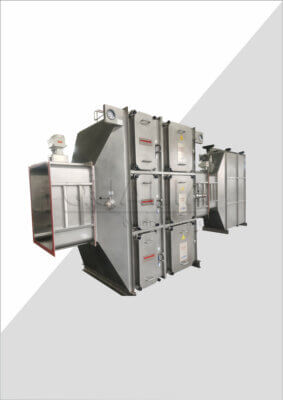
Для команд, які вказують портативний блок генерації, що підключається до існуючого ізолятора, команда Портативний генератор VHP типу II/III Точка підключення відносно зворотного повітряного тракту заслуговує на таку ж ретельну перевірку, як і стаціонарно підключена система - ризик короткого замикання однаковий, незалежно від того, чи є генератор стаціонарним або переносним.
Встановлення кришки порту для рукавичок для рівномірності концентрації
Матеріал рукавичок поглинає пари H2O2. Це властивість матеріалу, а не другорядне питання, і вона має прямий вплив на дані розробки циклу. Якщо кришки портів рукавичок не встановлені до початку циклу знезараження, рукавички діють як концентраційний поглинач, витягуючи пару з об'єму камери і збільшуючи час, необхідний для досягнення і утримання цільового рівня ppm. Ефект найбільш виражений під час фази кондиціонування, коли генератор все ще нарощує концентрацію, і він залежить від навантаження: більша кількість портів рукавичок означає більшу площу поглинаючої поверхні і більш значну затримку.
Наслідком розробки циклу є те, що якщо чохли відсутні під час перших тестових запусків, а потім встановлені для валідації, два набори даних будуть непорівнянними. Цикл, розроблений без чохлів, може виявитися таким, що вимагає більшої потужності генератора або тривалішого часу кондиціонування, ніж насправді потрібно, коли рукавички належним чином закриті. І навпаки, якщо валідація виконується з встановленими чохлами, а рутинне виробництво покладається на незакриті порти, операційний цикл буде працювати гірше порівняно з тим, що було валідовано. Будь-яка невідповідність створює проблему відповідності під час аудиторської перевірки.
Встановлення кришок для портів рукавичок перед кожним циклом знезараження, включно з циклами розробки, слід розглядати як стандартну робочу умову, а не як необов'язковий крок. Це усуває змінну, яка вносить невідтворюваність у дані циклу, і гарантує, що профіль концентрації, який використовується під час валідації, відображає фактичну геометрію рукавичок під час рутинної роботи.
Додаток 1 до GMP ЄС Найгірший варіант розміщення біологічних показників
Розміщення біологічних індикаторів - це момент валідації циклу, коли рішення щодо планування, прийняті тижнями раніше, або підтверджуються, або піддаються сумніву. Додаток 1 до GMP ЄС вимагає, щоб цикли деконтамінації ізоляторів були валідовані за допомогою БІ, розміщених у найгірших місцях, а стандартний показник реплікації, який використовується на практиці, становить три БІ на місце підвищеного ризику - число, яке забезпечує статистичну достовірність, необхідну для демонстрації послідовної інактивації мікроорганізмів на складних ділянках.
У найгіршому випадку в ізоляторі вони розподілені нерівномірно. Вони скупчуються в точках, де рукавички фізично контактують з поверхнями під час маніпуляцій (зони підвищеного дотику), на частково закритих ділянках, де циркуляція ЛЗР обмежена, у верхніх кутах, де може відбуватися розшарування пари, а також на підлозі перевантажувальних люків, де рух повітря обмежений. Висунуті або підвісні елементи також представляють собою складну геометрію. Систематичний підхід - з використанням оцінки критичності місця розташування, яка класифікує кожне потенційне місце розташування ПВ як необхідне, рекомендоване або необов'язкове на основі таких критеріїв, як оклюзія, обмеження повітряного потоку і частота контакту з матеріалом - є більш надійним методом, ніж розміщення ПВ, засноване на інтуїції. Цей тип структурованої класифікації є інструментом планування, а не нормативною базою, але його використання значно полегшує обґрунтування проекту валідації під час інспекції згідно з Додатком 1.
Вибір формату біологічного індикатора призводить до менш очевидного наслідку. Стрічкові БІ на смужках з нержавіючої сталі піддають популяцію спор безпосередньо впливу атмосфери камери, без бар'єру проникнення між спорами і парами H2O2. БІ, упаковані в тайвек, створюють гідрофобну оболонку, яка обмежує проникнення H2O2, особливо в мікроконденсаційних циклах, де пара близька до насичення. У цьому режимі конденсації упаковка з тайвеку може давати хибнопозитивні результати: BI виживає не тому, що цикл зазнав невдачі, а тому, що упаковка перешкоджає адекватному впливу. Ця відмінність має значення при інтерпретації результатів валідації, оскільки хибнопозитивний результат, що вижив, спричинить розслідування і, можливо, переробку циклу для вирішення проблеми, якої не існує.
| Тип BI | Матеріал | Ключова поведінка з VHP | Наслідки валідації |
|---|---|---|---|
| Стрічка BI | Смуга з нержавіючої сталі | Відсутність бар'єру проникнення; прямий контакт з поверхнею | Надійне представлення найгіршого випадку поверхневого ураження; низький ризик хибнопозитивних результатів |
| BI в упаковці з тайвеку | Гідрофобний конверт з тайвеку | Обмежене проникнення H2O2, особливо при мікроконденсації | Може давати хибнопозитивні результати; необхідна обережність при інтерпретації результатів виживання |
Стрічкові ВВ є більш захищеним вибором для поверхневого розміщення в ізоляторах у найгіршому випадку. Якщо з певних причин використовуються вибухові пристрої в упаковці з тайвеку, інтерпретація будь-якого позитивного результату повинна враховувати обмеження проникнення, перш ніж робити висновок про те, що сам цикл не спрацював.
Для отримання додаткової інформації про стратегію розміщення BI в системах з рейтингом стримування, див. Стерилізація ВМП в ізоляторах OEB4/OEB5: Повний посібник розповідає про те, як вимоги до утримання високопотужних речовин взаємодіють з методологією валідації.
Кінцева точка аерації для ізоляторів з сенсорною перевіркою
Аерація - це момент, коли ризик дотримання вимог переходить від фази дезактивації до рішення про повторний вхід. Фіксований таймер передбачає, що той самий ізолятор, завантажений тими самими матеріалами, в тих самих умовах навколишнього середовища, завжди буде аеруватися з однаковою швидкістю. На практиці на час аерації впливають об'єм ізолятора, внутрішній склад матеріалу (деякі полімери і матеріали прокладок десорбують H2O2 повільніше, ніж нержавіюча сталь), температура навколишнього середовища і швидкість повітрообміну - жоден з цих факторів не є фіксованим протягом усього терміну експлуатації виробу. Покладатися на таймер без перевірки внутрішньокамерного датчика означає приймати усереднену оцінку як критерій випуску.
Технічний поріг, що використовується на практиці для безпечного повернення, - це концентрація ЛОС нижче 1 проміле в поєднанні з відносною вологістю, що повертається в діапазон 40-60%. Це радше проектні цілі з технічної практики, ніж загальноприйняті нормативні межі, але вони представляють собою вимірювані кінцеві умови, які необхідно підтвердити перед відкриттям ізолятора або передачею продукту. Досягнення 1 ppm на датчику вихлопних газів не гарантує, що локальна кишеня біля порту для рукавичок або в кутку люка очистилася до такого ж рівня.
Саме тут розміщення датчика стає важливим рішенням для валідації. Датчик, розміщений безпосередньо всередині ізоляційної камери через санітарний фітінг, забезпечує специфічні для даного місця показники, які відображають фактичні умови в точці вимірювання. Датчик, що відбирає зразки відпрацьованого повітря після НЕРА, забезпечує усереднену концентрацію, яка інтегрується по всьому об'єму камери - і буде відставати або недооцінювати локальні залишкові концентрації в погано вентильованих кутах. Під час рутинної роботи різниця може здаватися незначною; під час аудиторського огляду записів про циклічні викиди - це різниця між наявністю точних даних і проміжним вимірюванням.
| Спосіб розміщення | Тип вимірювання | Придатність для перевірки кінцевих точок |
|---|---|---|
| Безпосередньо в камеру через сантехнічний фітінг | Проміле та відносна насиченість VHP для конкретної місцевості (%RS) | Висока точність; відображає фактичні умови в найгірших точках |
| Відбір проб вихлопних газів після HEPA | Середня концентрація по всій камері | Менш надійний для кінцевих точок; може пропустити локальні залишкові кишені H2O2 |
Датчик, який повідомляє як про концентрацію в проміле, так і про відносне насичення (%RS), додає додатковий рівень прозорості процесу. %RS показує, наскільки близька пара до точки конденсації, що має безпосереднє відношення до мікробіоцидного механізму в мікроконденсаційних циклах. Без даних %RS важко ретроспективно визначити, чи працював даний цикл в передбачуваному режимі конденсації - інформація, яка має значення при дослідженні аномального результату БІ або обґрунтуванні зміни параметрів циклу. Калібрування датчика слід проводити за регулярним графіком за допомогою калібратора вологості; без калібрування, яке можна відстежити, показники кінцевих точок не можуть бути надійно використані як докази викиду в регульованому середовищі.
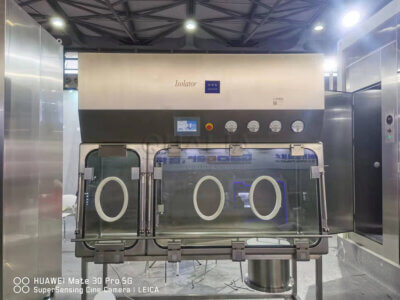
Для команд, які вказують повну систему ізоляції та генерації разом, необхідно вказати Асептичний ізолятор / Ізолятори для тестування на стерильність Лінійка продуктів інтегрує сенсорні точки доступу та генераторну сантехніку як частину конструкції, що знижує ризик модернізації, описаний вище.
Рішення, які визначають, чи є цикл ізолятора VHP чистим, приймаються при оцінці геометрії, плануванні водопроводу і розміщенні датчиків, а не в самому протоколі валідації. Показник об'єму, який не враховує порти для рукавичок, порт для впорскування, який створює коротке замикання, або кінцева точка аерації, підтверджена лише датчиком після фільтра, кожен з яких окремо є достатнім для отримання даних валідації, які не можуть бути захищені під час перевірки згідно з Додатком 1.
Перед тим, як перейти до рецепту циклу, переконайтеся, що розрахунок внутрішнього об'єму включає всі нерегулярні мертві об'єми, що положення впорскування та рециркуляції повітря перевірено на ризик короткого замикання, що кришки портів для рукавичок встановлені, як визначена попередня умова, і що датчик аерації розташований таким чином, щоб отримувати показники для конкретного місця, а не середні показники вихлопних газів. Ці чотири контрольні точки визначають якість кожного набору даних, зібраного згодом.
Поширені запитання
З: Чи застосовується кінцева точка аерації 1 ppm, якщо ізолятор містить матеріали, які повільно поглинають H2O2, наприклад, певні прокладки або полімерні компоненти?
В: Ні, фіксованої мети в 1 ppm може бути недостатньо в цьому випадку - її потрібно підтвердити в точці з найповільнішим очищенням всередині камери, а не тільки на вихлопі. Такі матеріали, як прокладки з EPDM або певні полімерні вкладиші, можуть вивільняти поглинений H2O2 назад у повітря камери після того, як об'ємна концентрація знизиться, створюючи ефект відскоку. Якщо ваш ізолятор містить матеріали з високою десорбцією, датчик, який використовується для підтвердження кінцевої точки, повинен бути розміщений поблизу цих поверхонь, а протокол розвитку циклу повинен містити дані про час витримки, які показують, що концентрація залишається стабільною нижче 1 ppm, перш ніж буде дозволено повторне входження в камеру.
З: Який наступний крок після завершення позиціонування ін'єкційного отвору та розрахунку об'єму перед першим тестовим запуском VHP?
В: Проведіть візуалізацію диму або тест картування повітряного потоку, щоб підтвердити, що пара пройде весь об'єм камери, перш ніж потрапить у повітропровід зворотного повітря. Цей етап знаходиться між налаштуванням обладнання та першим вимірюванням концентрації, і є найдешевшим етапом, на якому можна виправити коротке замикання потоку повітря без модифікації введеної в експлуатацію сантехніки. Задокументуйте схему повітряних потоків як частину кваліфікаційної документації установки, щоб будь-яка майбутня зміна обладнання - наприклад, додавання перепускного люка - могла бути оцінена порівняно з базовою лінією.
З: При якому розмірі або конфігурації ізолятора один інжекторний порт VHP стає дійсно недостатнім для забезпечення рівномірності концентрації, незалежно від його положення?
В: Однієї точки впорскування зазвичай недостатньо в ізоляторах, які розділені на відсіки, мають робочу довжину понад 2-3 метри або містять внутрішні перегородки і стелажі для обладнання, що обмежують бічний рух пари. У таких конфігураціях лінійна відстань і опір повітряному потоку між єдиною точкою впорскування і дистальним кінцем камери не можуть бути вирішені лише шляхом перестановки. Додавання другого впорскувального отвору в дальньому кінці робочої зони є практичним рішенням, і потреба в ньому повинна бути оцінена на етапі закупівлі або проектування, а не виявлена під час картографування біологічних індикаторів.
З: Якщо доступні стрічкові імплантати та імплантати в упаковці Tyvek, чи існує якийсь сценарій валідації, в якому імплантати в упаковці Tyvek є більш доречним вибором?
В: Так, БІ в упаковці з тайвеку підходять, коли метою валідації є демонстрація проникнення H2O2 в упакований виріб або загорнутий компонент, а не поверхнева стерилізація внутрішньої частини ізолятора. У найгіршому випадку для поверхневого розміщення в портах для рукавичок, на підлозі люка або в закритих кутах, стрічкові БІ на смужках з нержавіючої сталі є прийнятним форматом, оскільки вони усувають змінну проникнення. Упаковані в тайвек ВР, що використовуються на поверхні в мікроконденсованих циклах, створюють бар'єр проникнення, який може генерувати хибнопозитивні спрацьовування, які потім потребують часу на дослідження, перш ніж можна буде зробити будь-який висновок про ефективність циклу.
З: Чи може цикл VHP, розроблений і валідований на одному ізоляторі, бути перенесений на другий ізолятор тієї ж моделі без повторної валідації?
В: Ні, без принаймні оцінки порівнянності та, в більшості випадків, часткової повторної перевірки. Навіть ізолятори з однаковими технічними характеристиками можуть відрізнятися за фактичним об'ємом повітря, кількістю портів для рукавичок і геометрією гільзи, складом матеріалу внутрішньої поверхні і конфігурацією з'єднання з системою опалення, вентиляції та кондиціонування - все це впливає на час кондиціонування, розподіл концентрації і швидкість аерації. Додаток 1 до GMP ЄС розглядає валідований цикл як специфічний для кваліфікованої системи. Використання тих самих параметрів циклу на другому пристрої вимагає перевірки об'єму, підтвердження положення портів впорскування та повернення, а також картування біологічних індикаторів у найгірших місцях на цьому конкретному пристрої, перш ніж цикл може бути випущений для використання в асептичній обробці.
Пов'язаний вміст:
- Параметри циклу автоклава: Що впливає на ефективність стерилізації в ізоляторах
- Вибір машини VHP за продуктивністю циклу та надійністю
- Правильний вибір розміру блоку VHP відповідно до об'єму приміщення та ізолятора
- Вибір та інтерпретація біологічних показників для валідації циклів стерилізації перекисом водню
- Системи рукавичок для ізоляторів біозахисту
- Знезараження H2O2 проти VHP: вибір правильного методу для вашого закладу
- Хімічне знезараження стічних вод з використанням гіпохлориту натрію: Розрахунок часу контакту та концентрації для періодичних систем
- Як підготувати приміщення до фумігації VHP та забезпечити безпечну аерацію
- Усунення несправностей у генераторах VHP | Поширені проблеми та їх вирішення