
Будівництво або експлуатація лабораторії максимальної ізоляції BSL-4 - це монументальний інженерний та експлуатаційний виклик. Поширеною помилкою є думка, що безпека залежить від одного високотехнологічного обладнання. Насправді, катастрофічній аварії запобігає бездоганна інтеграція взаємозалежних систем - об'єкту, костюму і протоколу, - де один процедурний промах може скомпрометувати весь багатомільйонний бар'єр. Для керівників об'єктів та офіцерів з біобезпеки критично важливим рішенням є не лише те, що купити, але й те, як об'єднати ці компоненти в стійке, орієнтоване на людину оперативне ціле.
Увага до інтегрованого проектування систем зараз має першорядне значення, оскільки глобальні проблеми біозахисту спонукають як державні, так і приватні інвестиції в об'єкти з високим ступенем ізоляції. Політичні і фінансові ризики нового будівництва ще ніколи не були такими високими, а технологічні альтернативи, такі як одноразові ізолятори, відкривають нові стратегічні шляхи. Розуміння компонентів та їх інтеграції є важливим для прийняття капітальних рішень, які забезпечують баланс між безпекою, експлуатаційною пропускною здатністю і довгостроковою життєздатністю.
Що визначає систему максимального утримання BSL-4?
Принцип багатошарового бар'єру
Система BSL-4 - це цілісний багатошаровий бар'єр. Вона поєднує в собі статичний інженерний контроль, мобільний захист персоналу та безкомпромісні процедурні протоколи. Сама споруда діє як первинна захисна оболонка. Костюм надлишкового тиску слугує вторинним, мобільним бар'єром. Всі взаємодії між цими рівнями регулюються суворими протоколами. Такий комплексний підхід має вирішальне значення, оскільки ефективність системи визначається її найслабшою ланкою - механічною чи людською. Стратегічний висновок очевидний: успіх вимагає цілісного, системного мислення з самого початку.
Інтеграція як основна функція безпеки
Справжня функція системи BSL-4 полягає у створенні герметичного середовища, де всі компоненти працюють узгоджено. Система обробки повітря підтримує негативний тиск, а костюм - позитивний. Обладнання для передачі матеріалів з'єднує герметичний інтер'єр із зовнішнім світом. Протоколи диктують кожну дію в цьому середовищі. Ця інтеграція не є необов'язковою, це основна функція безпеки. Розрив між можливостями обладнання і процедурами оператора створює той самий ризик, який система покликана усунути. З мого досвіду аналізу відмов системи локалізації, першопричиною майже ніколи не є окрема несправність обладнання, а порушення інтеграції між обладнанням, процедурами і людськими факторами.
Основні інженерні системи: Об'єкти та інфраструктура
Статичний первинний конверт
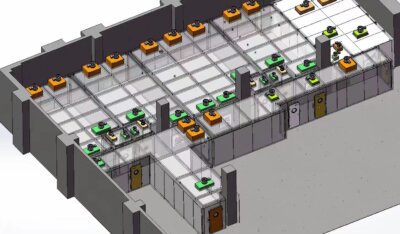
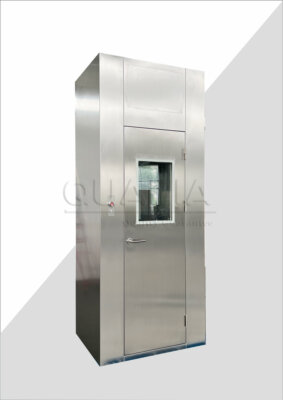
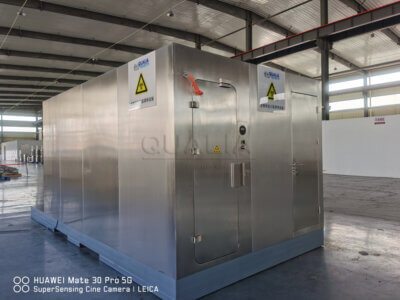
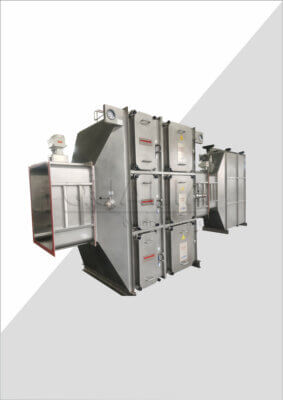
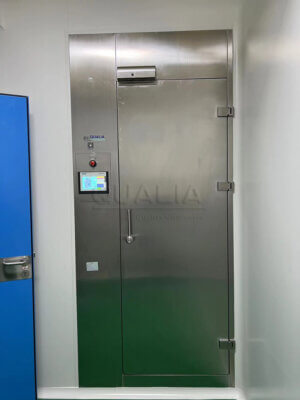
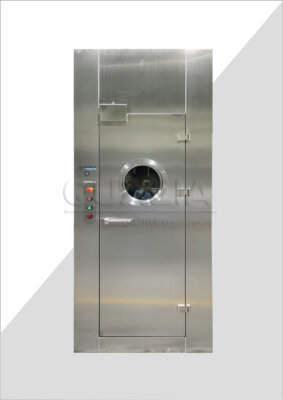
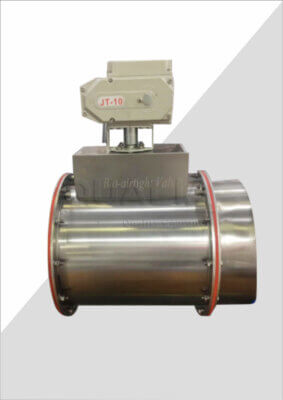
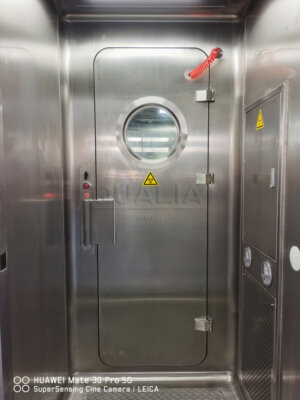
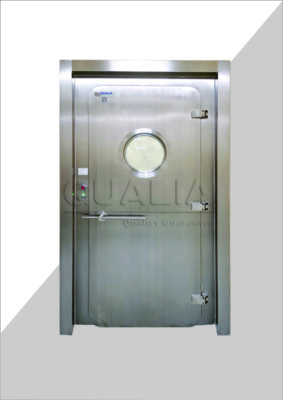
Фізична споруда формує фундаментальний, незмінний бар'єр. Його інженерні системи створюють первинну межу утримання. Спеціальна, нерециркуляційна система обробки повітря підтримує в лабораторії від'ємний тиск. Припливне повітря проходить одноразову HEPA-фільтрацію; відпрацьоване повітря проходить подвійну HEPA-фільтрацію. Рідкі відходи інактивуються системою знезараження стічних вод (EDS). Герметичні бар'єри з дверима, що блокуються, магнітними замками та надувними ущільнювачами підтримують поділ на відсіки. Система автоматизації будівлі (BAS) забезпечує безперервний дистанційний моніторинг. Ці системи резервування спроектовані таким чином, щоб бути відмовостійкими, але їх реалізація стикається з критичним нетехнічним обмеженням.
Постійно оскаржуване рішення про розміщення
Вибір місця розташування об'єкта - це стратегічне рішення, яке постійно викликає суперечки. Опозиція громадськості до розміщення лабораторій поблизу житлових або чутливих районів часто є значною і часто переважає суто технічну доцільність. Ця політична реальність може змусити розглядати віддалені місця розташування, що впливає на персонал і логістику. Отже, основний інженерний проект повинен передбачати надзвичайну стійкість до зовнішніх загроз, таких як повені, сейсмічні явища або нестабільність електромереж, щоб отримати схвалення громадськості та регуляторних органів. Дебати щодо вибору місця розташування підкреслюють, що технічні характеристики - це лише частина рівняння для життєздатного об'єкту ПБС-4.
У наступній таблиці наведено основні інженерні системи, які формують цей основний бар'єр, а також пов'язані з ними обмеження.
| Системний компонент | Ключовий параметр / специфікація | Критична особливість / обмеження |
|---|---|---|
| Обробка повітря | Без рециркуляції, негативний тиск | Фундаментний бар'єр |
| Фільтрація вихлопних газів | Повітря з подвійним фільтром HEPA | Надлишкова безпека |
| Рідкі відходи | Система знезараження стічних вод (СЗВ) | Обов'язкова обробка |
| Контроль доступу | Герметичні двері, що блокуються | Магнітні замки та пломби |
| Розміщення об'єкта | Постійно оскаржуване рішення | Основний політичний ризик |
Джерело: ANSI/ASSP Z9.14-2021 Методології тестування та перевірки продуктивності вентиляційних систем 4-го рівня біозахисту (BSL-4) та 4-го рівня біозахисту тварин (ABSL-4). Цей стандарт надає авторитетну методологію для перевірки продуктивності критично важливих систем вентиляції BSL-4, включаючи потік повітря, перепади тиску і цілісність фільтра HEPA, які є основними параметрами для перерахованих компонентів.
Первинний захист персоналу: Системи костюмів надлишкового тиску
Мобільний вторинний бар'єр
Костюм з позитивним тиском є автономним вторинним бар'єром, який ізолює дослідника. Його цілісність не підлягає обговоренню. Костюм надувається за допомогою спеціальної системи фільтрованого дихального повітря через пуповинні шланги, підтримуючи позитивний внутрішній тиск відносно лабораторного середовища. Інтегровані випускні клапани з фільтром HEPA керують потоком повітря. Багатошарова система рукавичок забезпечує спритність, а вразливі зовнішні рукавички змінюються за суворим графіком або в разі їх пошкодження. Вся ця підсистема працює за простим принципом: якщо цілісність костюма порушується, основний захист дослідника втрачається.
Щоденний ритуал доброчесності
Цілісність скафандра перевіряється за допомогою суворого ритуалу перед входом. Дослідник запечатує випускні клапани скафандра і стежить за втратою тиску протягом обов'язкового періоду, зазвичай п'яти хвилин. Витоки визначаються на слух або за допомогою мильного розчину. Перевірка герметичності скафандра - це щоденний ритуал, який не підлягає обговоренню. Вона безпосередньо обмежує пропускну здатність об'єкту і продуктивність дослідників, оскільки жоден вхід не відбувається без підтвердженої перепустки. Ця процедура підкреслює, що надійність людини є основним рівнем захисту; технічна ефективність костюма не має сенсу без ретельного дотримання цього та всіх інших протоколів використання.
Конкретні процедури та компоненти, які забезпечують цілісність костюма, детально описані нижче.
| Процедура / Компонент | Ключовий показник / частота | Метод перевірки цілісності |
|---|---|---|
| Перевірка костюма перед виходом на посадку | 5-хвилинний обов'язковий ритуал | Моніторинг втрат тиску |
| Виявлення витоків | Щодня, перед входом | Звуковий або мильний розчин |
| Подача повітря для дихання | Виділена, відфільтрована система | З'єднання пупкового шланга |
| Випускні клапани | З фільтром HEPA | Підтримує позитивний тиск |
| Зовнішні рукавички | Щотижневий графік змін | Або коли вони скомпрометовані |
Джерело: Технічна документація та галузеві специфікації.
Критично важливе технологічне обладнання та поводження з матеріалами
Увімкнення роботи в межах печатки
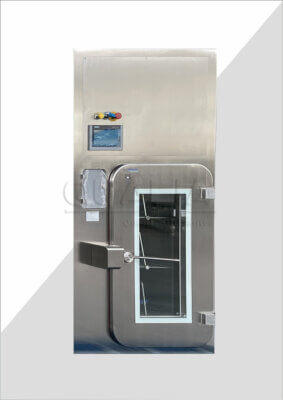
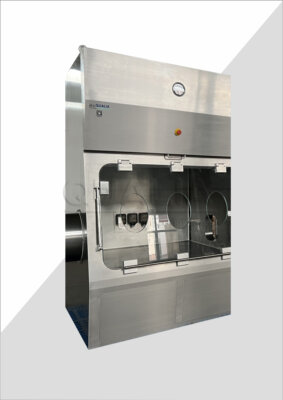
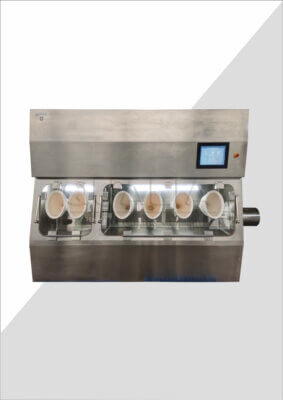
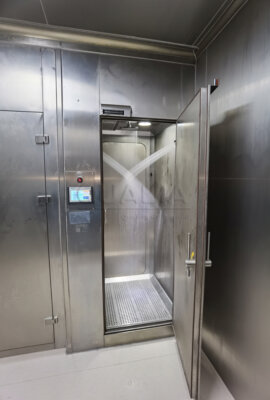
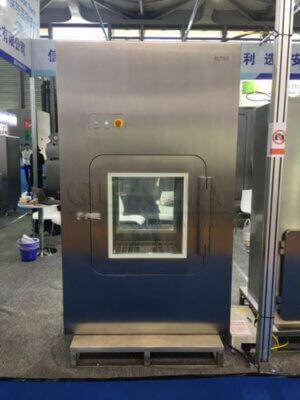
Спеціалізоване обладнання дозволяє проводити маніпуляції та переміщення в герметичному середовищі. Хімічний душ є критично важливим інтерфейсом для виходу, використовуючи автоматизований цикл розпилення миючих та дезінфікуючих засобів для знезараження зовнішньої поверхні костюма перед тим, як дослідник покине зону утримання. Передача матеріалів суворо контролюється: тверді речовини переміщуються через автоклави з подвійними дверима, а рідини обробляються через EDS. Робочі місця в лабораторії оснащені дезінфікуючими баками для дезінфекції рукавичок під час процедур. Інтеграція цих інструментів є життєво важливою для підтримання кордону ізоляції під час активних досліджень.
Проривний потенціал нових моделей
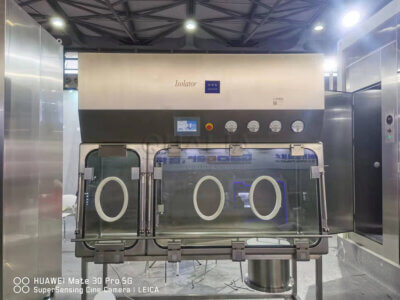
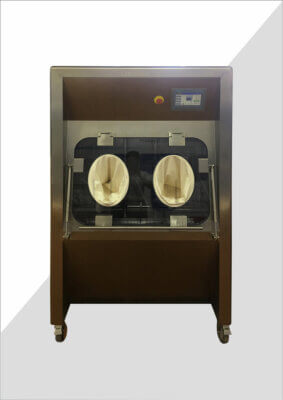
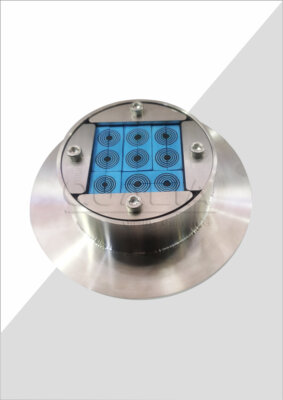
Новим стратегічним фактором є потенційна загроза відходу від технології одноразових ізоляторів. Гнучкі плівкові ізолятори одноразового використання з портами швидкої передачі (RTP) пропонують альтернативу “бальній” моделі для певних робочих процесів. Вони можуть зменшити складність переодягання, зменшити площу приміщення і, можливо, часовий штраф, пов'язаний з роботою лабораторій в костюмах. Для традиційних лабораторій екстремальні часові втрати, пов'язані з роботою BSL-4, створюють потужний стимул для автоматизації роботи з матеріалами. Це стимулює впровадження робототехніки, сумісної з захисною оболонкою, для таких завдань, як маніпуляції зі зразками, щоб зменшити операційний тягар і людські помилки.
Тут зібрано обладнання, яке сприяє безпечному переміщенню матеріалів і робочому процесу.
| Тип обладнання | Основна функція | Оперативні міркування |
|---|---|---|
| Хімічний душ | Дезактивація зовнішньої поверхні костюма | Автоматизований цикл розпилення |
| Передача матеріалів (тверда) | Автоклав з подвійними дверима | Безпечний вхід/вихід |
| Передача матеріалів (рідина) | Система знезараження стічних вод | Переробка наливних рідин |
| Робочий простір в лабораторії | Знезараження рукавичок | Дезінфікуючі баки для занурення |
| Нові технології | Гнучкі плівкові ізолятори | Порт швидкого переказу (RTP) |
Джерело: ISO 10648-2:2024 Ізоляційні корпуси - Частина 2: Класифікація за герметичністю та відповідні методи перевірки. Цей стандарт ISO визначає класифікацію і методи випробувань на герметичність пристроїв первинної ізоляції, які безпосередньо застосовуються для сертифікації цілісності автоклавів, ізоляторів та іншого обладнання для обробки матеріалів, що використовується в середовищах BSL-4.
Протоколи операційної інтеграції та безпеки
Обмеження послідовного процесу
Обладнання ефективне лише тоді, коли воно інтегроване з безкомпромісними людськими процедурами. Вхід і вихід - це складні, послідовні процеси. Вхід включає в себе надягання халатів, костюмів, випробування під тиском і проходження через заблоковані двері. Робота в лабораторії вимагає ретельного планування завдань навколо фіксованих точок подачі повітря. Послідовність виходу передбачає дезінфекцію рук всередині костюма, за якою слідує автоматизований цикл хімічного душу, де дослідник вручну миє костюм ззовні. Ці протоколи ілюструють часовий податок 100% на операції в BSL-4, де базові завдання займають щонайменше вдвічі більше часу, ніж в лабораторіях з нижчим рівнем герметичності.
Імператив якості даних
Окрім фізичної безпеки, протоколи повинні забезпечувати наукову цілісність. Підтримання якості даних для регульованих досліджень додає ще один рівень процедурної складності. Персонал потребує спеціалізованої підготовки з належної лабораторної практики (GLP), щоб забезпечити отримання даних, придатних для аудиту, незважаючи на обмежену вправність і комунікаційні труднощі, що накладаються костюмом. Це робить робочі протоколи ключовим обмеженням не лише для безпеки, але й для здатності генерувати надійні, відповідні вимогам результати досліджень. Компетентність, необхідна для цього, формалізована в таких настановах, як CWA 16393:2012 Професійна компетентність з біобезпеки, в якому викладено необхідні навички для проведення операцій з біобезпеки.
Операційні етапи та притаманні їм обмеження наведені в таблиці нижче.
| Протокольна фаза | Основне обмеження / “Податок” | Ключова вимога |
|---|---|---|
| Послідовність входу | Складний, послідовний процес | Одягання, тестування, блокування |
| Лабораторна робота | Ретельне планування завдань | Фіксовані точки подачі повітря |
| Послідовність виходу | Обов'язковий хімічний душ | Ручне чищення костюмів |
| Загальна ефективність | 100% штраф за час | Подвоює тривалість завдання |
| Якість даних | Регламентоване дотримання правил проведення досліджень | Спеціалізоване навчання з GLP |
Джерело: CWA 16393:2012 Професійна компетентність з біобезпеки. Ця настанова описує необхідні компетенції для фахівців з біобезпеки, включаючи оцінку ризиків і роботу на об'єктах, які необхідні для розробки і виконання суворих людських протоколів, що інтегруються з системами обладнання BSL-4.
Ключові моменти: Обслуговування, валідація та відповідність вимогам
Режим невпинних перевірок
Підтримка цілісності BSL-4 вимагає планового режиму технічного обслуговування та валідації. Вентиляційні системи та HEPA-фільтри потребують суворої щорічної ресертифікації на відповідність таким стандартам, як ANSI/ASSP Z9.14-2021. Допоміжні системи - резервне повітря для дихання, резервуари для хімічного душу - перевіряються щодня за офіційними контрольними списками. Ця перевірка не є періодичною, вона є безперервною і має фундаментальне значення для отримання ліцензії на експлуатацію. Вихід з ладу будь-якого компонента, що пройшов перевірку, може призвести до негайної зупинки об'єкта до відновлення його цілісності.
Інвестиції в людську надійність
Валідація рішуче поширюється на персонал через інтенсивні, безперервні навчальні програми. Це відображає принцип, що людська надійність є основним рівнем стримування. Організації повинні закладати в бюджет програми надійності персоналу та обов'язкове навчання під наглядом як операційні витрати, що не підлягають обговоренню. Крім того, комплаєнс еволюціонує. Поява “прогалин у стримуванні” в нагляді приватного сектору свідчить про посилення уваги до досліджень, що фінансуються з приватних джерел і мають високу ступінь секретності. Проактивна підготовка до посилення регуляторних вимог і вимог до документації є критично важливим стратегічним імперативом для всіх операторів.
Заплановані заходи, які підтримують цілісність системи, зафіксовані в цій структурі обслуговування та валідації.
| Діяльність | Стандартна частота | Асоційоване стратегічне бачення |
|---|---|---|
| Ресертифікація системи вентиляції | Щорічний | Основна інженерна надмірність |
| Перевірка HEPA-фільтра | Щорічний | Цілісність фундаментального бар'єру |
| Перевірки систем підтримки (наприклад, повітряні резервні копії) | Щодня за допомогою контрольного списку | Операційні витрати, що не підлягають обговоренню |
| Навчання персоналу | Безперервний, інтенсивний | Надійність людини - ключовий рівень |
| Планування дотримання нормативних вимог | Проактивний, постійний | Усунення “прогалин у стримуванні” приватного сектору” |
Джерело: ANSI/ASSP Z9.14-2021 Методології тестування та перевірки продуктивності вентиляційних систем 4-го рівня біозахисту (BSL-4) та 4-го рівня біозахисту тварин (ABSL-4). Цей стандарт безпосередньо визначає методологію випробувань і перевірки продуктивності, необхідну для щорічної ресертифікації критично важливих систем вентиляції і фільтрації BSL-4, що є основою для планового технічного обслуговування і валідації.
Безпека, нагляд та матеріальна відповідальність
Інтеграція безпеки з моніторингом безпеки
Безпека в контексті BSL-4 інтегрується з біобезпекою через електронний моніторинг і суворий процедурний контроль. Безперервне відеоспостереження є стандартним, ефективним контролем для реєстрації лабораторної діяльності та доступу. Цей підхід є стратегічно кращим за фізичне “правило двох осіб”, яке може створити контрпродуктивний ризик. Обов'язкова фізична присутність другої особи може підвищити ризики безпеки через відволікання уваги та часовий тиск, а також надмірно наражаючи на небезпеку іншу особу. Тому політику безпеки слід розробляти в узгодженні з протоколами безпеки, уникаючи жорстких правил, які створюють операційні конфлікти.
Підзвітність в екосистемі послуг
Електронний моніторинг у поєднанні з суворим контролем запасів та оцінкою надійності персоналу формує надійний рівень безпеки. Такий інтегрований підхід до нагляду має важливе значення в міру того, як еволюціонує ландшафт максимальної ізоляції. Максимальна ізоляція стає спеціалізованою екосистемою послуг, де чітка підзвітність і підконтрольні ланцюги зберігання мають першорядне значення для об'єктів, що працюють за моделлю "плата за послугу". Безпека - це вже не просто запобігання крадіжкам, а забезпечення цілісності дослідницького процесу і матеріалів як для клієнтів, так і для регуляторних органів.
Впровадження інтегрованої системи BSL-4: Рамки для прийняття рішень
Аналіз збірки в порівнянні з партнерами
Перше стратегічне рішення - “будувати чи співпрацювати”. Враховуючи надзвичайну капітальну вартість ($500M+), складність і політичні труднощі, партнерство з досвідченою контрактною дослідницькою організацією (CRO), що працює в рамках спеціалізованої екосистеми послуг, є життєздатною альтернативою власному будівництву. Цей шлях пропонує негайний доступ до потужностей для утримання без десятирічних термінів підготовки і постійної експлуатаційної відповідальності. Для організацій, основною місією яких є дослідження, а не управління об'єктами, партнерство може бути найефективнішим шляхом до створення потенціалу.
Вибір моделі та загальна вартість володіння
Якщо необхідно побудувати будівлю, вибір між традиційною костюмованою лабораторією та “бальною” моделлю на основі ізоляторів вимагає ретельного аналізу сукупної вартості володіння. Він повинен враховувати потенціал технології одноразових ізоляторів для конкретних робочих процесів. Структура повинна чітко враховувати податок на час 100% на операції та значні капітальні інвестиції, необхідні для автоматизації та робототехніки, щоб пом'якшити його вплив. Кожен проект повинен враховувати мінливий регуляторний ландшафт, забезпечуючи адаптивність до майбутніх нормативних вимог. Для тих, хто оцінює сучасне обладнання для ізоляції і стратегії інтеграції, детальний огляд спеціалізовані рішення для утримання є необхідним кроком на цьому етапі технічного планування.
Рішення про впровадження системи BSL-4 залежить від чіткої оцінки стратегічних потреб і оперативної реальності. Надавати пріоритет комплексній інтеграції інженерних, людських і процедурних аспектів, а не специфікації будь-якого окремого компонента. Чітко змоделювати податок на час 100% у графіках і бюджетах проектів і оцінити партнерство в рамках зростаючої екосистеми послуг зі стримування як стратегічну альтернативу власності. Нарешті, розробляйте проекти з урахуванням майбутньої регуляторної еволюції, а не лише поточної відповідності. Потрібні професійні рекомендації, щоб орієнтуватися в цих складних рішеннях для вашої стратегії високого рівня стримування? Ознайомтеся з технічною інформацією та рішеннями, доступними за посиланнями QUALIA. Для конкретних запитів ви також можете Зв'яжіться з нами.
Поширені запитання
З: Як ви тестуєте і перевіряєте цілісність вентиляційної системи об'єкта BSL-4?
В: Вентиляційні системи BSL-4 вимагають ретельної перевірки продуктивності, зосереджуючись на підтримці від'ємного тиску та підтвердженні цілісності HEPA-фільтра. Авторитетна методологія для цього визначена в ANSI/ASSP Z9.14-2021, який визначає випробування для визначення структури повітряних потоків і перепадів тиску. Це означає, що щорічний план ресертифікації вашого об'єкта повинен бути чітко узгоджений з цим стандартом, щоб відповідати нормативним вимогам і очікуванням щодо безпеки.
З: Який операційний вплив протоколів використання костюмів з позитивним тиском на продуктивність лабораторії?
В: Обов'язкова перевірка цілісності костюма, щоденний 5-хвилинний ритуал перевірки на герметичність і виявлення витоків, накладає значний часовий штраф на всю роботу. Ця процедура в поєднанні зі складними процедурами входу/виходу фактично подвоює час, необхідний для виконання основних завдань, порівняно з лабораторіями з більш низьким рівнем герметичності. При плануванні проекту та складанні бюджету ви повинні чітко враховувати цей податок на операційний час 100% як непереборне обмеження пропускної здатності.
З: Чи потрібно впроваджувати фізичне “правило двох осіб” для забезпечення безпеки в лабораторії BSL-4?
В: Обов'язкова фізична присутність другої особи часто є контрпродуктивною, оскільки вона може збільшити ризики для безпеки через відволікання та часовий тиск, а також без потреби наражати на небезпеку іншу особу. Більш ефективна стратегія поєднує електронні засоби безпеки, такі як безперервне відеоспостереження для реєстрації активності, із суворим контролем запасів. Це означає, що ваша політика безпеки повинна бути розроблена в узгодженні з протоколами безпеки, уникаючи жорстких правил, які створюють операційні конфлікти.
З: Як технологія одноразових ізоляторів впливає на рішення побудувати лабораторію в традиційному костюмі?
В: Гнучкі плівкові ізолятори одноразового використання з портами швидкого переміщення пропонують альтернативу “бальній” моделі, потенційно зменшуючи складність переодягання і площу приміщення для певних робочих процесів. Їх поява створює стратегічний вибір: традиційна костюмована лабораторія чи дизайн на основі ізолятора. Для аналізу сукупної вартості володіння ви повинні оцінити потенціал цієї проривної технології щодо спрощення операцій у порівнянні з обсягом запланованих досліджень.
З: Які стандарти застосовуються для перевірки герметичності пристроїв первинної ізоляції, таких як захисні шафи?
В: Фундаментальна методологія класифікації та сертифікації цілісності захисних огороджувальних конструкцій визначається ISO 10648-2:2024. Цей стандарт встановлює систему класифікації, засновану на герметичності, і визначає відповідні методи випробувань. Це означає, що будь-які заяви постачальника про характеристики шафи або ізолятора повинні бути підтверджені перевірочними випробуваннями відповідно до цього протоколу ISO.
З: Як ви підтримуєте якість даних для досліджень GLP в умовах обмежень BSL-4?
В: Забезпечення готовності даних до аудиту вимагає спеціалізованих навчальних програм, які вирішують проблеми, пов'язані з обмеженою спритністю в костюмах і процедурною складністю захищеного середовища. Робочі протоколи повинні бути чітко розроблені для підтримки цілісності даних, оскільки надійність людини - це основний рівень захисту. Якщо ваша операція вимагає регламентованих досліджень, заплануйте це додаткове навчальне навантаження як ключове обмеження для отримання результатів, що відповідають вимогам.
З: Які ключові міркування щодо розміщення нового об'єкту BSL-4?
В: Вибір місця розташування об'єкта - це рішення, яке постійно оскаржується, коли громадська опозиція поблизу житлових районів часто переважає технічну доцільність, що часто змушує розглядати віддалені місця розташування. Крім того, для отримання схвалення регуляторних органів потрібні інженерні проекти з надзвичайною стійкістю до зовнішніх загроз, таких як повені або сейсмічні явища. Це означає, що ваші основні технічні плани повинні також враховувати ці нетехнічні політичні та суспільні фактори ризику на ранніх стадіях.
З: Яка компетенція необхідна для персоналу, що керує системами обладнання BSL-4?
В: Належне управління цими складними системами вимагає від фахівців з біобезпеки компетентності в оцінці ризиків, принципах ізоляції та експлуатації об'єктів, як зазначено в таких документах, як CWA 16393:2012. Інвестиції в сувору програму надійності персоналу та обов'язкове навчання під наглядом - це операційні витрати, які не підлягають обговоренню. Це означає, що у вашій кадровій моделі має бути передбачений бюджет на безперервне навчання під керівництвом експертів для підтримки цілісності захисної оболонки.
Пов'язаний вміст:
- Протоколи скафандра BSL-4: Забезпечення безпеки дослідника
- Костюм BSL-4 проти шафових лабораторій: Порівняння дизайну
- BSL-4 Дослідження на тваринах: Забезпечення безпеки операторів
- BSL-4 Вірусні дослідження: Протоколи для агентів високого ризику
- BSL-3 vs BSL-4: ключові відмінності в рівнях лабораторної безпеки
- BSL-4 Вхід і вихід: Критичні процедури безпеки
- Стандарти BSL-4: Глобальні правила з біобезпеки
- Бар'єри біобезпеки: Відмінні риси лабораторій BSL-3 та BSL-4
- ЗІЗ BSL-4: необхідне спорядження для максимального утримання