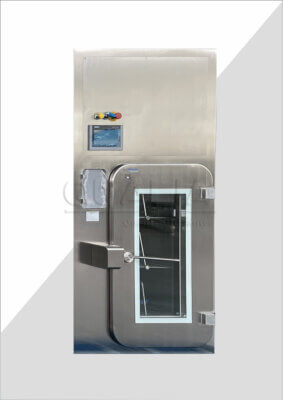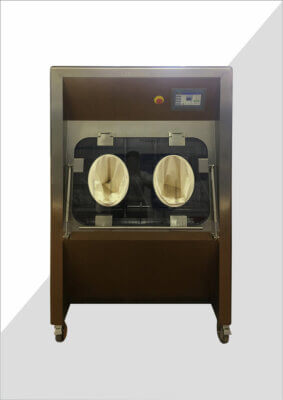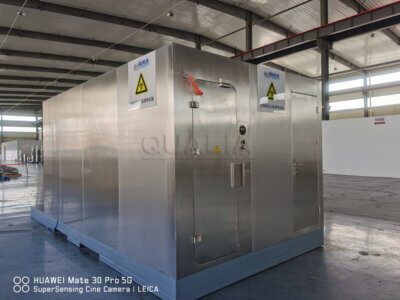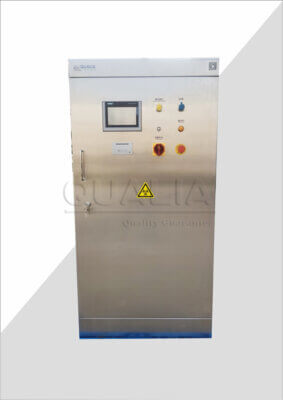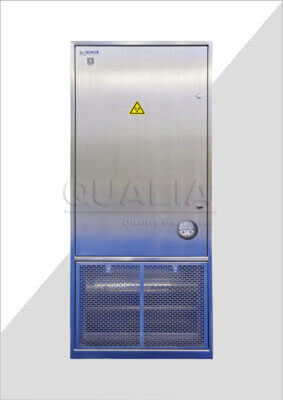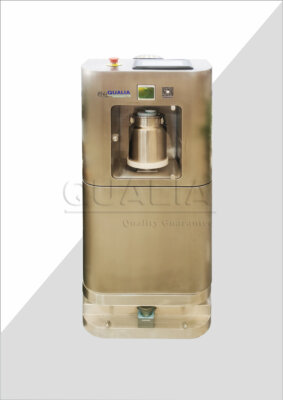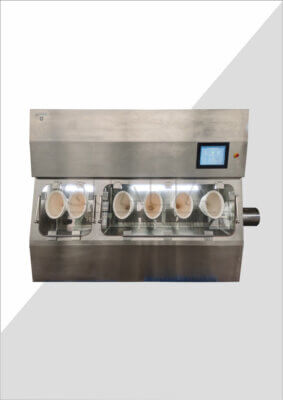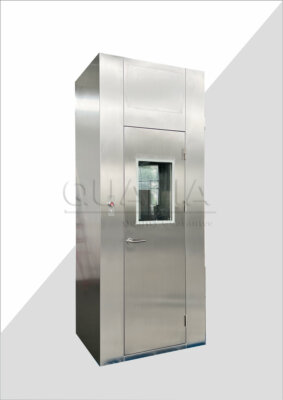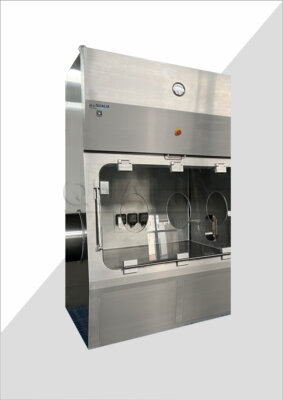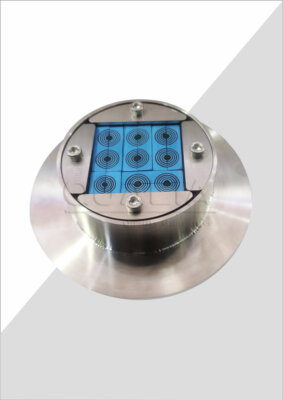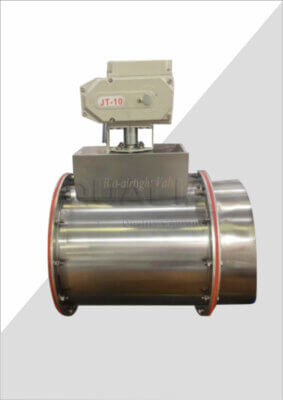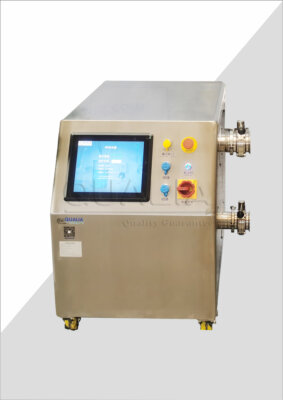
Biosafety pass box seal selection turns on what the transfer duty requires of the door, not on the seal type in isolation. Whether a mechanical-compression seal 또는 inflatable (pneumatic) seal fits better depends on three things you can define before any supplier conversation: the pressure differential the door must hold, the utilities available at the installation point, and how maintenance access is owned in the facility. If those three are unresolved, a type preference in the tender leaves every supplier guessing at the duty being purchased.
Define the Transfer Duty Before the Seal Type
The seal type follows from what the door is doing at the boundary, not the other way around.
A biosafety pass box sits at a pressure boundary between two controlled environments. When a door closes, it must hold that boundary against leakage in a defined direction, through a defined pressure differential, for the duration of the transfer or interlock cycle. Those three parameters—direction, magnitude and duration—are the transfer duty. Without them, a seal comparison is a component comparison with no load attached.
관련 제품
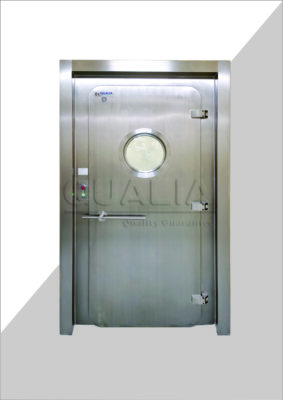
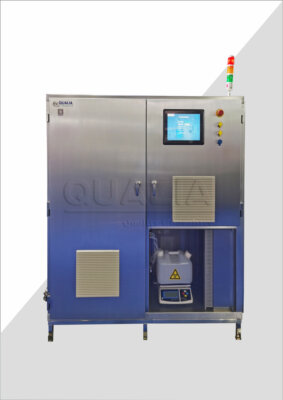
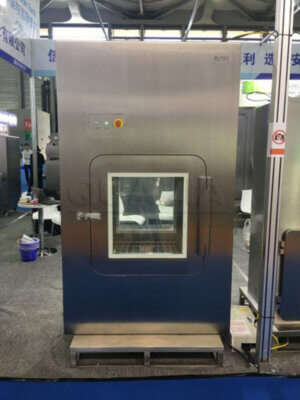
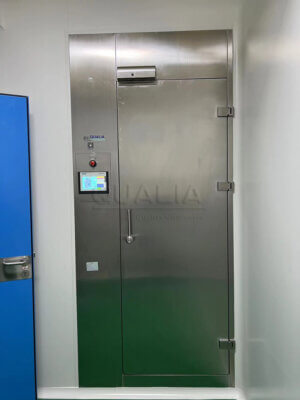
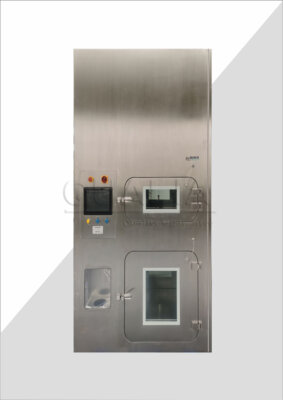
- 바이오 세이프티 패스 박스 — Use the relevant assembly listing to start a configuration-specific RFQ; seal type, hardware, utilities, spares and service scope require an itemized response.
Start by describing the boundary itself. Is the pass box sitting in a wall between two rooms at different pressure classes, or between a room and a corridor? What is the design differential across the closed door, and which side is higher? For infectious-agent applications at higher biosafety levels, that differential may be small in absolute terms but must be held reliably under varying door and room conditions. For containment isolator transfer, the duty may include holding against a positive or negative internal pressure during a decontamination cycle.
The boundary description is not a supplier deliverable. It is what the buyer brings to the conversation.
The transfer load also matters at this stage. Pass boxes move materials in and out of controlled spaces, and what moves through determines whether the seal must resist occasional wipe-down chemistry, elevated temperature from a VHP cycle, or nothing beyond ambient air. A box specified for VHP decontamination places a material and geometry requirement on the door and gasket assembly that a dry-transfer box does not. If your project uses VHP transfer, that duty must appear in the specification before seal type is discussed, because it narrows the compatible hardware more than the seal mechanism itself.
One common mistake is writing a transfer requirement that names the biosafety level and assumes the seal type follows automatically. It does not. The biosafety level sets the containment performance goal; the seal type is one of several engineered means to meet it. A project operating under BSL-3 or BSL-4 conditions may use either arrangement, provided the assembly is configured for and evidenced against that duty.
The question of who reviews the boundary description matters here. If the tender names a preferred seal type without an attached transfer description and without identifying responsible project reviewers, suppliers will fill the gap with assumptions. Adding the boundary description, the intended transfer use, and the names of the technical reviewers converts a type preference into a bounded requirement—and gives suppliers a common reference against which to scope their offers. An approved equipment requirement that already contains that description is the one exception where this step may be complete before the tender is issued.
Compare the Two Offered Door Arrangements
Both seal arrangements can meet a biosafety pass box duty; the question is which complete door offer fits the specific project requirement.
A mechanical-compression seal closes by the door’s own hardware pressing a gasket against the frame under mechanical load. The seal is active when the door is physically latched. It requires no utility to hold position, which means the boundary is maintained even if a facility compressed-air supply fails or is shut down for maintenance. For projects where utility interruption is a realistic event—mobile laboratory modules, remote installations, or facilities with limited infrastructure—this independence is a practical advantage, not just a specification point.
An inflatable seal uses compressed air to expand a bladder against the frame on a signal from the control system. When deflated, the door opens with relatively low operating force. When inflated, the bladder conforms to the frame geometry and can accommodate minor surface variation that a fixed gasket cannot. Projects increasingly ask for inflatable seals in pass boxes where the door load, cycle frequency, or interlock logic favors pneumatic actuation, and where the compressed-air supply is part of the facility infrastructure being designed in parallel.
Compare each complete door offer—hardware, controls, and utility connections—against the same requirement list, not the seal mechanism alone.
The comparison that belongs in a specification table covers the full door assembly: the door panel, the frame, the seal element and its actuation, the interlock controls, and any supplied utilities. A seal-type comparison that omits the control logic, the interlock behavior on loss of power or air, and the door panel material misses most of what differentiates the two offers. Consider a project where one supplier offers a mechanical-seal door with no utility connection and manual interlock latches, and a second offers an inflatable-seal door with pneumatic actuation, an electrical interlock, and an alarm on loss-of-air. These are not equivalent doors with different gaskets; they are different systems with different facility interfaces and different failure modes.
For each offer, confirm how the door behaves on loss of its actuating energy. A mechanical door latched closed remains sealed on loss of power. An inflatable door deflates on loss of air unless the system is designed with a fail-safe hold or a backup supply. The project’s risk review will determine which failure mode is acceptable, but that determination belongs in the transfer duty definition, not in the supplier’s assumptions.
Identify Utilities and Maintenance Scope
Utility and maintenance scope are where offers that look equivalent on paper diverge in total project cost and in-service reality.
If a quotation lists compressed-air connections for an inflatable seal arrangement, three things need to be named in the quotation: the connection point (location and specification), the party providing the utility to that point, and whether the air quality and pressure requirement fall within the buyer’s existing facility scope or require a separate supply. The equipment price and the facility scope must share the same interface boundary—if one assumes the other provides the connection, the gap appears at installation. This is not a hypothetical risk; it is a routine source of scope disputes on modular and retrofit projects.
Compressed-air quality for an inflatable seal bladder is typically instrument-grade or better, dry and oil-free, at a supply pressure the bladder manufacturer specifies. If the facility compressed-air ring is instrument-grade and routed to the installation zone, the connection is a simple scope item. If it is not, the project must either extend the facility supply or provide a local dedicated compressor. Either path has a cost and a qualification boundary that needs to be defined before the offer is accepted.
Maintenance scope differs between the two arrangements in ways that affect both the service interval and the access requirement. A mechanical gasket wears under repeated compression cycles and requires periodic replacement; the access needed to remove and replace it is a function of the door design. An inflatable bladder can be inspected during deflation and may require less frequent replacement under light cycle loads, but its failure mode on aging—slow loss of inflation pressure—may be harder to detect without active monitoring.
For each offer, request the access drawing that shows how the seal element is replaced and what clearances are needed. If one arrangement requires the door to be removed from the frame for seal replacement, that is a different maintenance event than one that allows in-place gasket removal. This distinction changes the space planning around the pass box, the tool and personnel requirement, and whether a service contract or in-house maintenance is the realistic option. The access drawing is not an optional supplement; it is part of the offer evaluation.
Maintenance documentation expected at the offer stage includes: the seal replacement procedure or reference to it, the recommended service interval under the specified cycle load, and whether the supplier or a qualified third party performs the work. If that documentation is absent from an offer, request it before the comparison is finalized—because the absence may reflect that the arrangement has not been configured for the described duty.
관련 자료
- 고격리 장비에 대한 URS: 견적 요청(RFQ) 전에 품질 보증(QA), 엔지니어링 및 조달 부서가 정의해야 할 사항 — Prepare the use and responsibility questions before comparing offers.
- 기계식 대 공압식 APR 도어 씰: 인터록 및 누출 허용 기준에 관한 고려 사항 — Compare the types of evidence questions raised by seal arrangements; APR doors are a separate assembly, not a pass box substitute.
- VHP, BIBO 및 아이솔레이터 시스템에 대한 공장 인수 시험: 구매자가 요청해야 할 증빙 자료 — Plan the supplier-document discussion after the offer boundary is clear.
Request Configuration-Matched Evidence
A supplier’s seal performance evidence is only useful if it describes the same assembly, under the same conditions, as the project requires.
When a supplier provides test data or qualification evidence for a door seal arrangement, the minimum useful record identifies the tested assembly by model and revision, the conditions under which it was tested (pressure differential, cycle count, temperature, chemistry if relevant), and the document revision that carries the result. A pressure-hold result from a differently sized door, a different gasket batch, or an earlier revision of the assembly needs an explicit written explanation of why it applies to the project configuration. Without that explanation, the evidence describes a different object.
If a selection depends on an unconfirmed claim, keep both offers conditional on the missing evidence rather than declaring a winner.
This applies equally to both seal types. A claim that a mechanical seal holds a specified differential across the design life of the gasket is a testable assertion; ask for the test report and the gasket replacement interval that the test implies. A claim that an inflatable seal maintains bladder integrity across a VHP cycle count representative of the project’s decontamination schedule is equally specific; ask for the bladder material compatibility data and the test conditions.
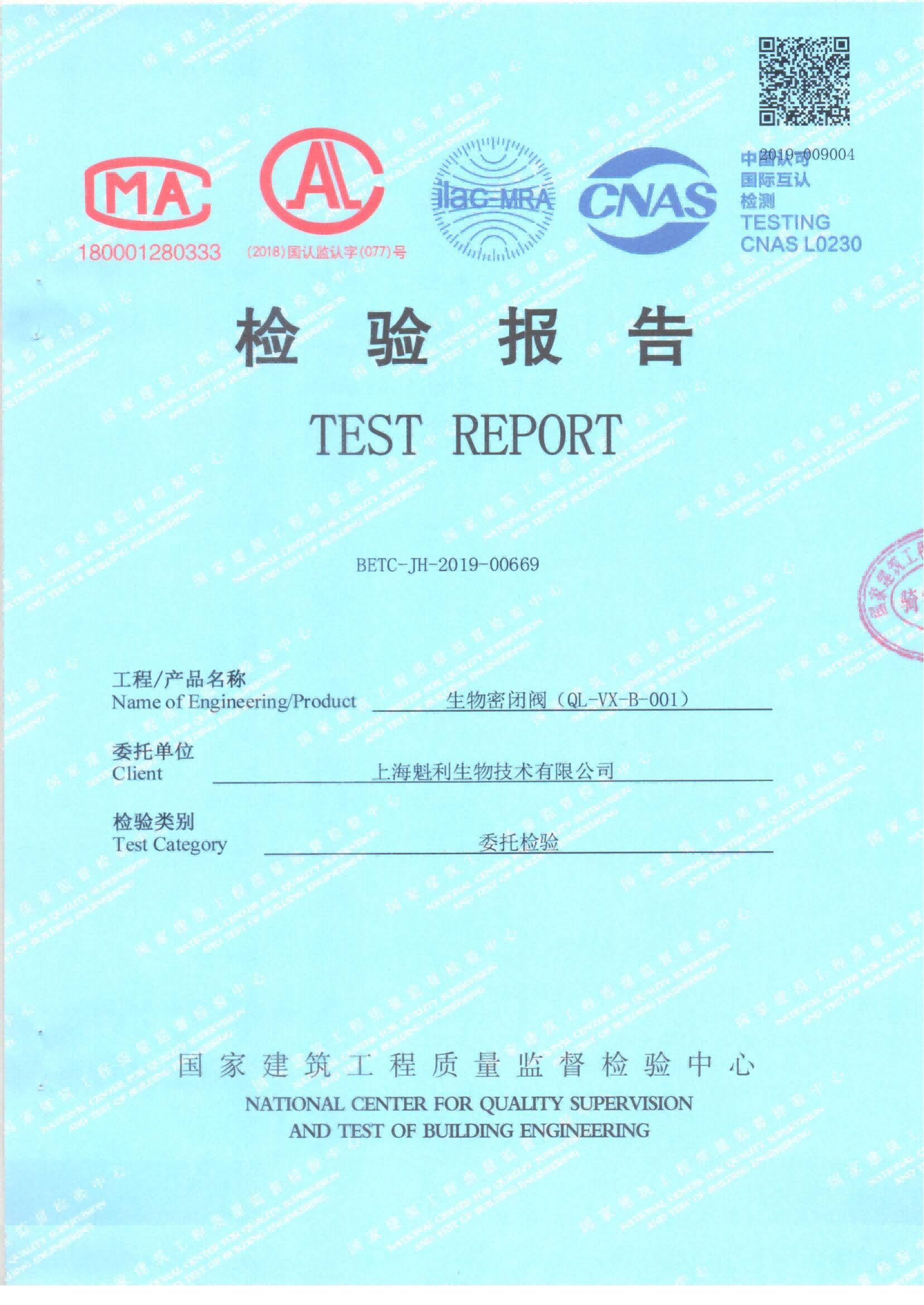
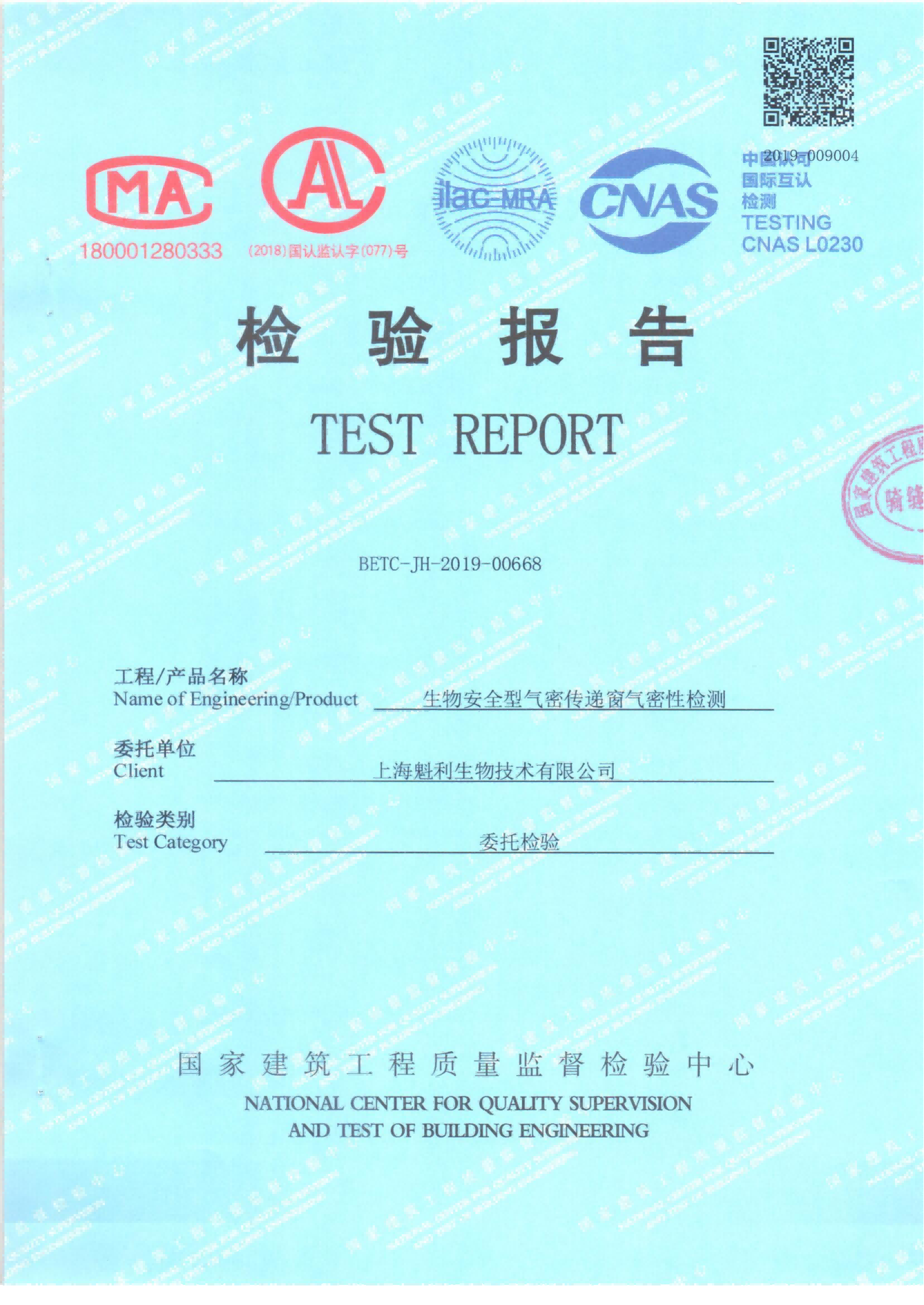
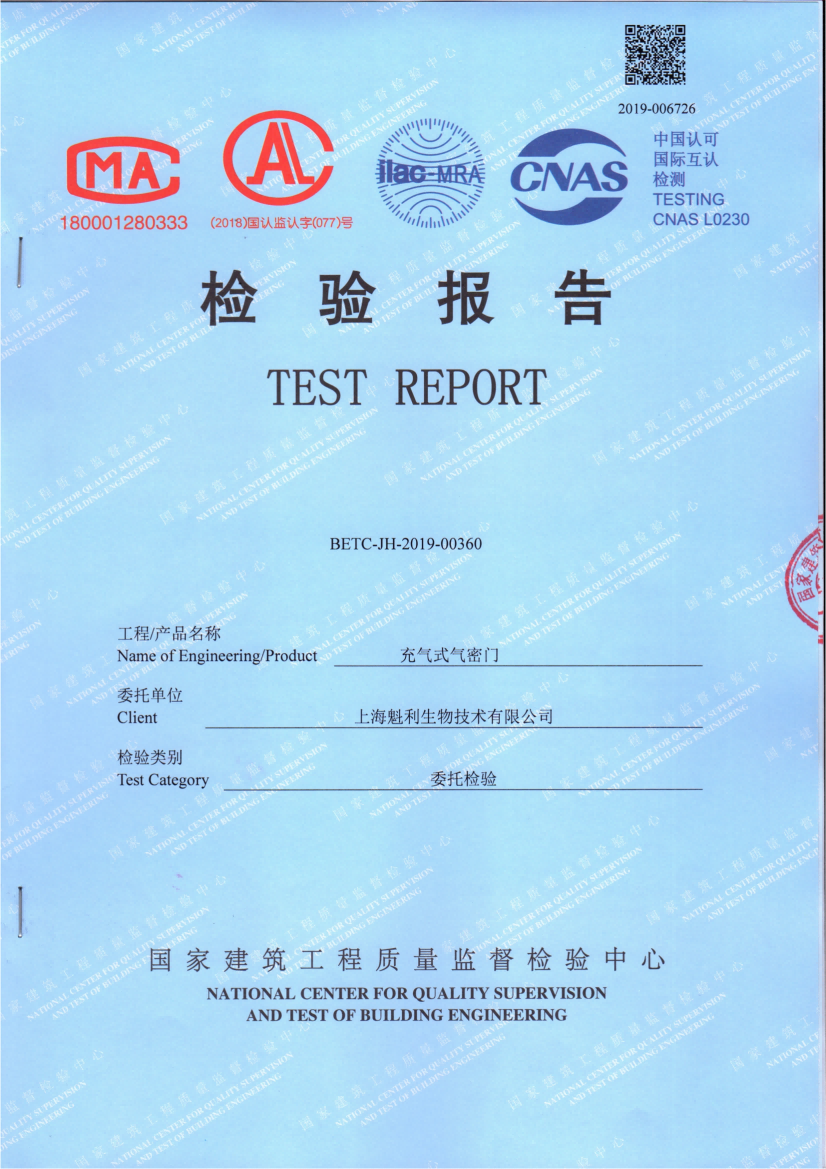
The configuration-matched evidence request is also where QUALIA’s project process adds structure: the evidence requested in the specification phase becomes the basis for the documentation package at commissioning and qualification, so defining what is needed early avoids rework at IQ and OQ.
Where one offer rests on a claim that cannot yet be substantiated—a novel bladder material, a first-of-type interlock configuration, or a gasket rated for a chemistry not yet tested—keep both offers on the table, conditional on the evidence arriving before the award. A documented project review that has already evaluated and accepted the claim is the only condition under which the conditional status can be lifted without that evidence in hand.
Before the supplier conversation, have ready: the boundary pressure differential and direction, the decontamination chemistry and cycle frequency if applicable, the facility compressed-air supply specification and routing, the maintenance access constraints at the installation location, and the qualification evidence format your project’s IQ/OQ protocol requires. Those six items bound the requirement and give every supplier the same surface to respond against.
참고 문헌
- EU GMP 부록 1 – 무균 의약품의 제조 (2022) — 검토 대상인 장비 및 현장 인터페이스를 파악할 때는 무균 제조 오염 관리 지침을 활용하십시오. 이 지침은 프로젝트별 패스박스 또는 cRABS의 승인 기준치를 제시하지 않습니다.
- EudraLex 제4권 부록 15 – 적격성 평가 및 검증 — 공급업체 문서와 프로젝트 적격성 및 승인 결정을 구분해야 하며, 보고된 조건 및 편차는 해당 시스템에 한정된다.
- ISO 14644-7:2004 분리 장치 — 표준의 검증된 요약 범위 내에서 프레임 분리 장치의 요구 사항과 고객-공급업체 간 문의 사항을 다루며, 세부 조항 및 장비 제한 사항은 이 요약 범위에 포함되지 않습니다.
- WHO Laboratory Biosafety Manual 4th Edition (Core Document) — Put the laboratory use and risk-assessment basis ahead of a generic equipment label; this summary is not a door specification or a facility approval.
자주 묻는 질문
Q: Should procurement remove the more expensive seal offer immediately?
A: First compare the included assembly, utility and service boundaries. A price difference may reflect different scope; retain that distinction before deciding whether either offer meets the project duty.
Q: How should an RFQ be written if the buyer wants both arrangements priced?
A: Describe one common transfer duty and ask bidders to identify separate complete offers, inclusions and exclusions for each arrangement. Keep an optional alternative separate from the base bid so its price and scope remain traceable.
Q: Can one preferred arrangement remain the base bid while another is evaluated?
A: Yes. Identify the base bid and the separately priced alternative explicitly, and record which open project question the alternative is intended to answer. This avoids blending two assemblies into a single ambiguous purchase scope.