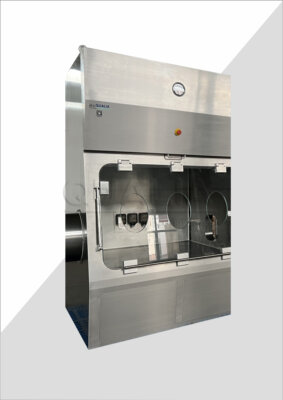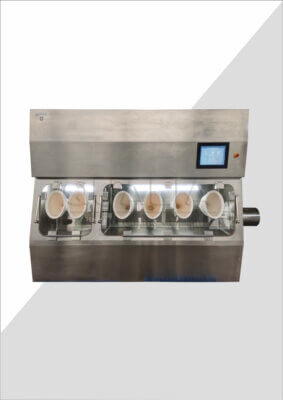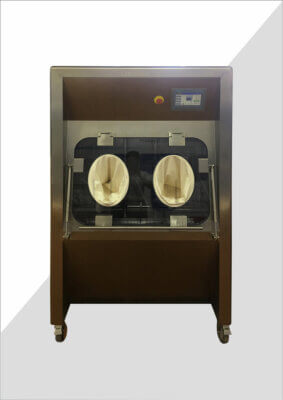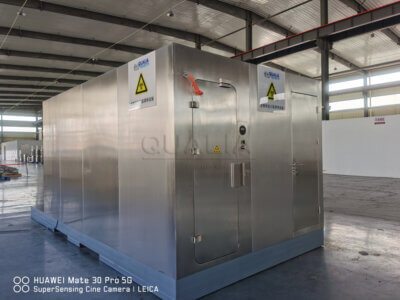

Para los gestores de instalaciones y los responsables de bioseguridad, la decisión de construir o modernizar un laboratorio de contención supone un reto estratégico importante. La construcción tradicional suele estar plagada de excesos presupuestarios, plazos dilatados y diseños inflexibles que pueden quedar obsoletos antes de que se complete la puesta en servicio. Esto crea una brecha crítica entre la necesidad urgente de capacidad de investigación avanzada y las realidades prácticas de los proyectos de capital.
El laboratorio modular de bioseguridad ha surgido como una solución decisiva a este problema. Al pasar de la construcción in situ a la fabricación controlada en fábrica de módulos de laboratorio integrados, este enfoque redefine fundamentalmente la economía, la velocidad y la adaptabilidad a largo plazo de los proyectos. La comprensión de sus principios básicos, vías de cumplimiento y estrategias de aplicación es ahora esencial para cualquier institución que planifique una instalación BSL-2, BSL-3 o BSL-4.
Principios básicos de diseño de un laboratorio modular de bioseguridad
El módulo como unidad prediseñada
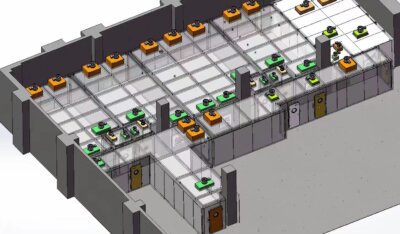
Un módulo de laboratorio no es simplemente una sala prefabricada. Es una unidad tridimensional totalmente integrada que combina estructura arquitectónica, sistemas mecánicos, distribución eléctrica e ingeniería de contención en un único componente repetible. Esta integración se completa en un entorno de fábrica de calidad controlada, lo que garantiza una precisión y coherencia inalcanzables con los métodos tradicionales in situ. El módulo se convierte en el bloque de construcción fundamental, lo que permite un escalado y una reproducción predecibles.
Optimización dimensional para la eficiencia a largo plazo
La decisión de diseño más crítica es la huella dimensional del módulo. Los análisis del sector demuestran que una anchura optimizada de 10 pies y 6 pulgadas no es arbitraria. Permite alojar eficazmente dos filas de muebles estándar con un pasillo central de 1,5 metros para un flujo de trabajo ergonómico y el acceso a los equipos, todo ello dentro de los tabiques estructurales. Una reducción aparentemente menor de 4 pulgadas en la anchura por módulo, cuando se multiplica por una instalación grande, puede producir más de 150 pies lineales de espacio de banco adicional sin aumentar la huella total del edificio. Esta planificación dimensional determina directamente la economía a largo plazo de las instalaciones y la capacidad de investigación.
Configuraciones para una máxima flexibilidad
La planificación modular avanzada emplea módulos bidireccionales basados en múltiplos de la anchura base. Esta configuración permite organizar los muebles y equipos a lo largo de cualquiera de los ejes del módulo, lo que aumenta considerablemente las opciones de distribución. En las intersecciones de los módulos se planifican estratégicamente bajantes de servicios, que sirven de soporte a una red de puntos de conexión para componentes móviles. De este modo, el laboratorio pasa de ser una disposición fija a una plataforma reconfigurable, capaz de adaptarse a nuevos programas de investigación sin necesidad de renovaciones estructurales.
Sistemas de ingeniería clave para la flexibilidad y la contención
El transportista de servicios aéreos: Permitir la reconfiguración
El principal facilitador de la flexibilidad de los laboratorios es el soporte aéreo de servicios integrado. Construidos normalmente con armazón metálico estructural, estos soportes alojan la electricidad, los datos, los gases y, a veces, las tuberías, y los suministran desde el plano del techo. Este diseño libera el suelo y los bancos de conexiones fijas de servicios. Y lo que es más importante, debajo de estos soportes pueden añadirse, eliminarse o reubicarse tabiques no estructurales sin alterar la infraestructura central de servicios, lo que permite una reconfiguración rápida y orientada a los investigadores.
Espacio intersticial para mantenimiento y contención
Para niveles de contención más altos (BSL-3 y BSL-4), una estrategia de ingeniería muy recomendable es un suelo mecánico intersticial por encima del laboratorio. Este espacio dedicado proporciona acceso sin restricciones a los conductos de HVAC, ventiladores de extracción, carcasas de filtros HEPA y tuberías de servicios públicos. El mantenimiento y las reparaciones pueden realizarse sin entrar en la zona de contención contaminada, lo que garantiza tanto la seguridad del personal como la continuidad operativa. También simplifica las futuras actualizaciones y validaciones del sistema.
Transformar elementos estructurales en activos
Las columnas estructurales, a menudo consideradas impedimentos para el diseño, pueden convertirse en activos estratégicos. Enrasando las columnas para crear “columnas húmedas”, los diseñadores crean conductos verticales de servicios que alojan conexiones apiladas para gases, vacío y datos. Se convierten en puntos de conexión distribuidos y preparados para el futuro por todo el laboratorio, lo que permite una colocación flexible de los equipos y convierte los posibles obstáculos en partes integrantes de la red de suministro flexible.
BSL-2, BSL-3 y BSL-4: Requisitos de conformidad modulares
Fundación en el BMBL
Independientemente del método de construcción, el diseño de un laboratorio de bioseguridad se rige por los principios de contención descritos en la Bioseguridad en los laboratorios microbiológicos y biomédicos (BMBL). Estas directrices basadas en el riesgo definen las prácticas específicas, el equipo de seguridad y las salvaguardias de las instalaciones necesarias para cada nivel de bioseguridad. Un laboratorio modular debe diseñarse desde el principio para cumplir o superar estos requisitos codificados para los agentes del grupo de riesgo previsto.
Controles técnicos por nivel de contención
Los controles técnicos de las instalaciones aumentan con el nivel de bioseguridad. Los laboratorios BSL-2 para agentes de riesgo moderado requieren una contención primaria como las cabinas de seguridad biológica (BSC) y pueden emplear un sistema de extracción con filtro HEPA basado en una evaluación de riesgos específica del centro. Las instalaciones BSL-3 para agentes patógenos graves transportados por el aire exigen una envoltura sellada y hermética, flujo de aire direccional hacia el interior, filtración HEPA en el escape y una antesala exclusiva para la entrada y la salida. Todos los procedimientos con recipientes abiertos se realizan dentro de BSC.
BSL-4 representa el pináculo de la contención. Los enfoques modulares aquí son transformadores, ofreciendo una reducción potencial de costes 90% frente a los edificios complejos tradicionales. La contención se consigue mediante líneas BSC de Clase III o trajes de presión positiva, con filtración HEPA redundante (doble) en el suministro y el escape, una ducha química para la descontaminación del traje y protocolos rigurosos para la esterilización del material (por ejemplo, autoclaves, sistemas de descontaminación de efluentes).
| Nivel de bioseguridad | Contención primaria | Controles técnicos clave |
|---|---|---|
| BSL-2 | Cabinas de seguridad biológica | Puertas de cierre automático |
| BSL-3 | BSC (todas las obras) | Envolvente hermética, flujo de aire negativo |
| BSL-4 | Líneas / trajes BSC de clase III | Doble filtración HEPA, ducha química |
Fuente: Bioseguridad en los laboratorios microbiológicos y biomédicos (BMBL). La BMBL es la guía fundamental de EE.UU. que define los principios de contención basados en el riesgo, las prácticas y los requisitos de las instalaciones para cada nivel de bioseguridad, que deben cumplir los laboratorios modulares.
La democratización de la investigación de alta contención
Este enfoque modular, rentable y conforme a las normas para BSL-4 democratiza el acceso a la investigación en condiciones de máxima contención. Permite a un conjunto más amplio de instituciones gubernamentales, académicas y privadas llevar a cabo trabajos críticos sobre patógenos peligrosos sin el gasto de capital prohibitivo de una instalación tradicional, acelerando la preparación global.
Ventajas en cuanto a costes y plazos frente a la construcción tradicional
Despliegue acelerado mediante procesos paralelos
La ventaja más inmediata es la reducción de los plazos. La construcción modular permite que la preparación del terreno, los trabajos de cimentación y las acometidas de servicios públicos se realicen simultáneamente con la fabricación en fábrica de los módulos de laboratorio. Este proceso paralelo elimina los retrasos meteorológicos en la envolvente del edificio y reduce los conflictos comerciales in situ. Por lo general, los proyectos se instalan 30-50% antes que otros laboratorios similares, lo que permite que los programas de investigación comiencen antes.
Economía de costes transformadora en BSL elevados
Aunque el ahorro de costes se produce a todos los niveles, es más espectacular en las instalaciones de alta contención. Las pruebas de estudios comerciales autorizados, incluidos los realizados para la NASA, indican que un enfoque BSL-4 móvil o modular puede lograr una reducción de costes de aproximadamente 90% en comparación con la construcción tradicional de edificios complejos. Esto hace que los proyectos de máxima contención pasen de ser económicamente prohibitivos a ser estratégicamente viables para muchas organizaciones.
| Aspecto del proyecto | Construcción modular | Construcción tradicional |
|---|---|---|
| Calendario de implantación | 30-50% más rápido | Horario estándar |
| Reducción de costes de BSL-4 | ~90% (según estudio de la NASA) | Coste inicial prohibitivo |
| Ventajas del proceso | Fabricación paralela y trabajos in situ | Construcción secuencial in situ |
Fuente: Documentación técnica y especificaciones industriales.
Previsibilidad y reducción del riesgo financiero
La fabricación en fábrica en condiciones controladas permite predecir los costes de material, las horas de trabajo y los resultados de calidad. Esto reduce significativamente los excesos presupuestarios y los costes por cambios endémicos de la construcción tradicional. El precio y el calendario previsibles crean un modelo financiero de menor riesgo para la planificación de capital, proporcionando a los administradores una mayor certidumbre.
Implantación de un laboratorio modular: Fases del proyecto y gestión de riesgos
Fase 1: Evaluación de riesgos y programación estratégica
El éxito de la aplicación no empieza con el diseño, sino con una evaluación de riesgos exhaustiva y específica para cada agente. Esta evaluación establece definitivamente el nivel de bioseguridad requerido, que se convierte en el motor inmutable de todos los criterios de diseño y protocolos operativos posteriores. A continuación, la fase de programación debe optimizar rigurosamente las dimensiones y configuraciones de los módulos para los flujos de trabajo de investigación específicos, incorporando flexibilidad desde el principio.
Ejecución del proyecto por fases
El proyecto sigue una secuencia distinta y disciplinada:
- Diseño detallado: Finalización de planos integrados que combinan la intención arquitectónica con complejos sistemas MEP y de contención.
- Fabricación en fábrica: Construir y probar módulos completos en un entorno controlado.
- Montaje del sitio: Rápida instalación in situ, interconexión y cierre exterior.
- Puesta en servicio y validación: Pruebas rigurosas de todos los sistemas con respecto al diseño y las especificaciones reglamentarias.
Integración de la gestión de riesgos y el diseño centrado en el ser humano
Junto con el diseño, debe desarrollarse un plan obligatorio de preparación para emergencias en caso de derrames, cortes de energía y brechas en la contención. La filosofía está pasando de una contención puramente centrada en el peligro a una seguridad centrada en el investigador. El objetivo es integrar la seguridad tan perfectamente en el diseño intuitivo y los componentes reconfigurables que el cumplimiento del protocolo sea el camino natural de menor resistencia, mejorando así tanto la seguridad como la productividad científica.
Mantenimiento y validación de una instalación modular de bioseguridad
Acceso simplificado para el mantenimiento rutinario
El diseño modular, especialmente cuando incorpora espacio intersticial, simplifica fundamentalmente el mantenimiento. Los sistemas mecánicos, eléctricos y de fontanería (MEP) críticos son accesibles desde el exterior de la envolvente de contención. Los cambios rutinarios de filtros, las comprobaciones del equilibrio del flujo de aire y las reparaciones de equipos pueden realizarse sin contaminar el espacio del laboratorio ni interrumpir investigaciones delicadas, lo que garantiza tanto la seguridad como el tiempo de funcionamiento.
Recertificación y validación obligatorias
La integridad de la contención no es un logro de una sola vez. La recertificación anual de las cabinas de seguridad biológica, las pruebas de integridad de los filtros HEPA y la verificación de los diferenciales de presión de la sala son requisitos no negociables. El plan de validación inicial de la instalación, ejecutado por profesionales cualificados, debe probar la estanqueidad (para BSL-3/4), los patrones de flujo de aire, los sistemas de alarma y los ciclos de descontaminación para demostrar el cumplimiento de los requisitos de diseño y de seguridad. ISO 14644-1:2015 normas de limpieza.
Apoyo a un entorno de laboratorio dinámico
La necesidad de mantenimiento se extiende al apoyo a la reconfiguración. En la investigación en el sector privado, la disposición de los laboratorios puede cambiar a un ritmo de hasta 25% al año. Por lo tanto, los protocolos de mantenimiento deben incluir procedimientos para desconectar y volver a conectar de forma segura los servicios públicos a los equipos móviles, y para verificar la integridad del confinamiento después de cualquier modificación significativa de la disposición.
| Actividad | Frecuencia / Métrica | Componente clave |
|---|---|---|
| Recertificación | Anual | BSC, filtros HEPA, presión |
| Pruebas de estanqueidad | En la puesta en servicio (BSL-3/4) | Sobre de la habitación |
| Tasa de reconfiguración de laboratorios | Hasta 25% anuales (sector privado) | Equipos móviles, servicios públicos |
| Acceso al sistema | Simplificado a través del espacio intersticial | Sistemas MEP |
Fuente: ISO 14644-1:2015. Esta norma proporciona el marco internacional para clasificar la limpieza del aire y es fundamental para especificar y validar el rendimiento del control de partículas de los entornos de laboratorio de bioseguridad durante la puesta en servicio y la supervisión rutinaria.
Selección de un socio de laboratorio modular: Criterios clave de evaluación
Experiencia demostrada y dominio de la normativa
El proceso de selección debe dar prioridad a los socios con experiencia demostrable en proyectos específicos en su nivel de bioseguridad objetivo. Examine su historial con los organismos reguladores pertinentes, como los CDC o los NIH. Solicite y póngase en contacto con referencias de proyectos similares para verificar el éxito de la puesta en marcha y el rendimiento operativo continuo. La experiencia es el mejor indicador para navegar por la compleja intersección de la construcción y el protocolo de bioseguridad.
Filosofía de ingeniería y sistemas de calidad
Evalúe el enfoque de ingeniería básica del socio. ¿Ofrecen soportes aéreos de servicio realmente personalizables y una filosofía de planificación tridimensional de módulos? Evalúe sus procesos de control de calidad en fábrica: ¿cómo verifican la integridad del sellado de contención o la limpieza de los conductos antes del envío? Sus capacidades de puesta en servicio y validación deben ser internas o a través de socios de confianza y cualificados, no una ocurrencia tardía.
Comprensión del ciclo de vida y experiencia híbrida
Un socio superior hablará del coste total del ciclo de vida, no sólo de los gastos de capital. Deberá conocer los índices de rotación de los laboratorios del sector y ofrecer un marco de apoyo para futuros cambios. Además, la línea que separa los laboratorios de bioseguridad de las salas blancas se está difuminando en el sector farmacéutico y biotecnológico. Su socio debe dominar ambos ámbitos, ya que las instalaciones requieren cada vez más entornos híbridos para terapias avanzadas y fabricación de componentes electrónicos sensibles.
Proteja su inversión de cara al futuro: Adaptabilidad y expansión
Adaptabilidad integrada mediante el diseño
La garantía de futuro es la principal promesa del diseño modular. Se consigue integrando la adaptabilidad en la propia arquitectura: la red de servicios modulares, los espacios de servicios intersticiales y los puntos de conexión estandarizados crean un “kit de piezas” que los administradores pueden reconfigurar. El laboratorio se convierte en una plataforma dinámica y no en un activo estático.
Vías de expansión simplificadas
La ampliación se simplifica radicalmente. Se puede añadir nueva capacidad lateralmente conectando módulos adicionales, o verticalmente apilándolos, aprovechando el diseño repetible y las conexiones prediseñadas. La planificación tridimensional de los módulos garantiza la alineación vertical de las tuberías verticales de servicios públicos, lo que permite construir instalaciones de varias plantas en las que cada nivel puede optimizarse para un programa diferente, manteniendo al mismo tiempo un soporte eficiente de la planta central.
| Parámetro de diseño | Especificación óptima | Impacto / Justificación |
|---|---|---|
| Anchura del módulo | 10 pies 6 pulgadas | Dos filas de cajas + pasillo de 5 pies |
| Impacto de la reducción de anchura | 4 pulgadas guardadas | >150 pies de espacio de banco adicional |
| Configuración | Módulos bidireccionales | Maximiza la flexibilidad de diseño |
Fuente: Documentación técnica y especificaciones industriales.
La trayectoria: De la infraestructura fija a la plataforma reconfigurable
La trayectoria del sector es clara: el futuro pertenece a los “kits de laboratorio” reconfigurables. Éstos integran mesas móviles, casetas móviles y soportes de servicios aéreos en un sistema cohesivo. Este enfoque transforma la planificación de capital, permitiendo a las instituciones adaptar continuamente su infraestructura de investigación para apoyar misiones científicas en evolución durante décadas, protegiendo y maximizando la inversión inicial.
La decisión estratégica para una nueva instalación de bioseguridad pasa ahora por evaluar la construcción modular no como una alternativa, sino como el enfoque por defecto por sus ventajas demostradas en velocidad, control de costes y cumplimiento. Las prioridades críticas de la implantación son una evaluación inicial rigurosa de los riesgos para bloquear el requisito de BSL, la selección de un socio con experiencia demostrada en materia de reglamentación e ingeniería, y el diseño flexible desde el principio para proteger el valor a largo plazo de la inversión.
Necesita orientación profesional para especificar e implantar un sistema conforme y preparado para el futuro. laboratorio modular móvil BSL-3 y BSL-4? El equipo de ingenieros de QUALIA se especializa en traducir complejos requisitos de confinamiento en instalaciones optimizadas y adaptables. Póngase en contacto con nosotros para analizar el perfil de riesgo y los objetivos programáticos específicos de su proyecto.
Preguntas frecuentes
P: ¿Cómo influye la anchura estándar de una unidad modular de laboratorio de bioseguridad en la economía a largo plazo de la instalación?
R: La anchura optimizada del módulo de 10 pies y 6 pulgadas es un factor de diseño crítico para maximizar el espacio utilizable. Esta dimensión, basada en dos filas de cajas y un pasillo central, determina directamente la capacidad del banco; una reducción de sólo 4 pulgadas por módulo puede suponer la pérdida permanente de más de 150 pies lineales de espacio de trabajo en toda la planta de una instalación. En los proyectos en los que el rendimiento de la investigación por metro cuadrado es una métrica clave, debe dar prioridad a esta optimización dimensional desde la primera fase de planificación para evitar una ineficiencia espacial permanente.
P: ¿Qué sistemas de ingeniería permiten la flexibilidad reconfigurable que prometen los laboratorios modulares de bioseguridad?
R: La flexibilidad es posible sobre todo gracias a los soportes de servicios aéreos integrados y a los espacios intersticiales estratégicos. Estos soportes montados en el techo suministran los servicios públicos, lo que permite desplazar las paredes no estructurales del laboratorio sin interrumpir el suministro eléctrico o de gases. Un suelo mecánico intersticial sobre el laboratorio proporciona acceso completo a los sistemas de escape y de otro tipo para su mantenimiento sin que se produzcan brechas en la contención. Esto significa que las instalaciones que prevean cambios frecuentes de protocolo o de equipos deben insistir en estos sistemas en su diseño para permitir reconfiguraciones seguras dirigidas por los investigadores.
P: ¿Puede una construcción modular cumplir los estrictos requisitos de una instalación BSL-3 o BSL-4?
R: Sí, los laboratorios modulares pueden diseñarse para cumplir plenamente los protocolos de alta contención descritos en la Bioseguridad en los laboratorios microbiológicos y biomédicos (BMBL). Para BSL-3, esto incluye una envoltura hermética, flujo de aire direccional y escape con filtro HEPA. Las unidades modulares BSL-4 logran la contención mediante armarios o trajes de Clase III, con doble filtración HEPA y descontaminación especializada. Para las instituciones en las que la construcción tradicional de BSL-4 tiene un coste prohibitivo, el enfoque modular representa una estrategia viable y conforme que puede reducir drásticamente el gasto de capital.
P: ¿Cuáles son las fases clave para poner en marcha un proyecto de laboratorio modular de bioseguridad?
R: La implantación sigue una secuencia definida: comienza con una evaluación de riesgos específica del agente para establecer el BSL, seguida de la programación estratégica, el diseño detallado, la fabricación fuera de las instalaciones, el montaje in situ y una rigurosa puesta en servicio. La gestión de riesgos, incluido un plan de emergencia obligatorio, se integra en todas las fases. Si su proyecto tiene un plazo reducido, puede aprovechar la naturaleza paralela de la preparación del emplazamiento y la fabricación en fábrica para lograr reducciones de plazos de 30-50% en comparación con la construcción tradicional.
P: ¿Cómo se mantiene y valida la contención en un laboratorio modular diseñado para reconfiguraciones frecuentes?
R: Es obligatoria la recertificación anual de las cabinas de bioseguridad, los filtros HEPA y los diferenciales de presión de la sala. El diseño modular, especialmente con espacios intersticiales, simplifica el acceso para estas tareas. Un plan de validación formal ejecutado por profesionales cualificados debe comprobar la estanqueidad, los patrones de flujo de aire y los sistemas de descontaminación. Dado que los laboratorios pueden reconfigurar 25% su espacio anualmente, sus protocolos de mantenimiento deben apoyar específicamente el movimiento seguro de equipos móviles y la reconexión de servicios públicos sin comprometer la envolvente sellada.
P: ¿Qué criterios debemos utilizar para evaluar a los posibles socios de un proyecto de laboratorio modular de bioseguridad?
R: Seleccione un socio con experiencia demostrada en el nivel de BSL deseado y un sólido historial con las agencias pertinentes. Analice detenidamente su enfoque de ingeniería en materia de flexibilidad, como los soportes aéreos personalizables y la planificación de módulos en 3D. Evalúe sus capacidades de control de calidad y puesta en marcha en fábrica, y solicite análisis de costes del ciclo de vida. Esto significa que, para que las instalaciones converjan con las normas de salas blancas, su socio debe dominar tanto ISO 14644 protocolos de limpieza e ingeniería avanzada de contención de bioseguridad.
P: ¿Cómo prepara un diseño modular una instalación de bioseguridad para futuras ampliaciones y cambios de programa?
R: La capacidad de adaptación de la arquitectura, como las redes modulares de servicios públicos y los puntos de conexión estandarizados, garantiza la seguridad de cara al futuro. La ampliación se simplifica añadiendo módulos idénticos lateral o verticalmente. La planificación tridimensional alinea los conductos de servicios en las plantas, lo que permite que cada nivel albergue programas únicos. Si la misión de investigación de su institución evoluciona rápidamente, debería invertir en esta filosofía de “kit de laboratorio” de componentes móviles y soportes aéreos para crear una plataforma dinámica que pueda reconfigurarse durante décadas.
Contenidos relacionados:
- Laboratorios BSL-4 modulares: Reducción de costes sin concesiones
- Instalación de laboratorios modulares BSL-3: Guía del experto
- Costes del laboratorio modular BSL-3: Análisis exhaustivo
- Laboratorios BSL-3 personalizables: Diseños modulares a medida
- Laboratorios modulares BSL-3: Soluciones de construcción rápida
- Laboratorios modulares BSL-3/4: Soluciones de rápida implantación
- Laboratorios BSL-3 ampliables: Sistemas modulares escalables
- Diseño modular: La revolución de los laboratorios móviles BSL-3/BSL-4
- Laboratorios prefabricados BSL-3: Soluciones de despliegue rápido