La selección de la tecnología de contención adecuada para aplicaciones de Banda de Exposición Ocupacional (OEB) 4 y 5 es una decisión de capital de alto riesgo. La elección entre aisladores, sistemas de barrera de acceso restringido (RABS) y cabinas de flujo descendente determina el diseño de las instalaciones, los costes operativos y la conformidad a largo plazo. Un malentendido de las principales compensaciones financieras y de rendimiento puede encerrar a una organización en una infraestructura costosa y subóptima durante décadas.
El panorama de 2025 exige una visión estratégica. La presión normativa, sobre todo Anexo 1 de las PCF de la UE, hace hincapié en una estrategia holística de control de la contaminación. De este modo, la evaluación pasa de la simple compra de equipos a un análisis total de los sistemas, sopesando la garantía de contención con el coste total de propiedad y la flexibilidad de las instalaciones. La decisión correcta protege tanto la seguridad del operario como el balance final.
Aisladores vs RABS vs Cabinas de flujo descendente: Diferencias fundamentales
Definición del espectro de barreras
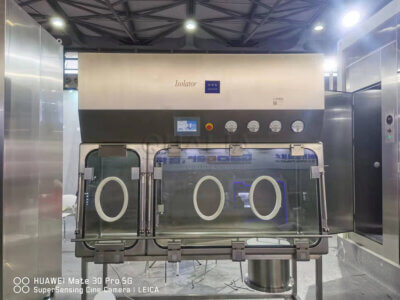
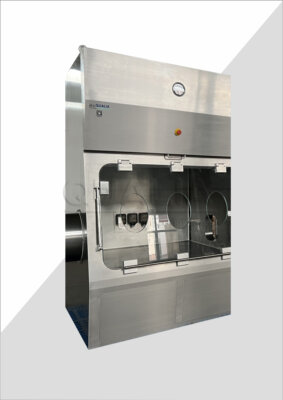
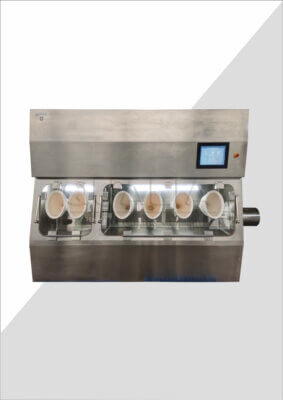
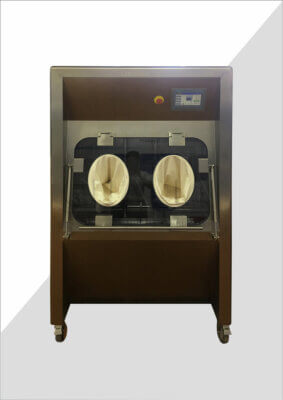
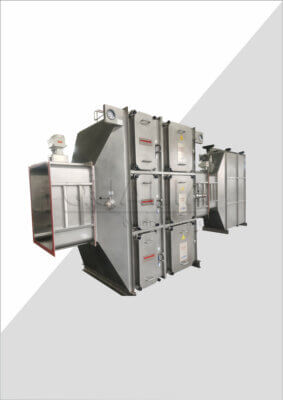
La diferencia fundamental radica en la integridad de la separación física entre el operario y el proceso. Los aisladores son sistemas cerrados totalmente sellados con un entorno autónomo ISO Clase 5, que funcionan con presión negativa para la contención. Representan un cambio estratégico de la seguridad basada en EPI a la protección pasiva mediante ingeniería. Los RABS proporcionan una barrera física rígida, pero dependen de la sala blanca de grado B circundante para el control ambiental, creando un modelo híbrido. Las cabinas de flujo descendente, que utilizan únicamente flujo de aire unidireccional sin barrera, son sistemas abiertos que dependen de controles de procedimiento.
Filosofía operativa y control
Este nivel de separación dicta el enfoque operativo. Los aisladores funcionan como unidades independientes con ciclos de descontaminación automatizados como el peróxido de hidrógeno vaporizado (VHP). Los RABS dependen de intervenciones manuales y del estado validado de la sala exterior. Las cabinas de flujo descendente son las que ofrecen menos control, lo que las hace inadecuadas para verdaderas aplicaciones de alta contención. El avance de la industria hacia el procesamiento cerrado subraya el enfoque de ingeniería y reproducibilidad del aislador para la mitigación de riesgos.
El efecto cascada en el diseño
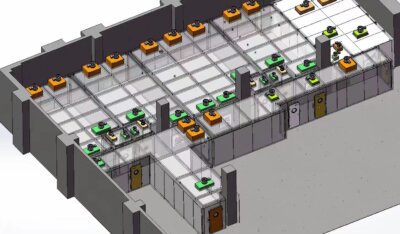
La filosofía elegida repercute en cascada en todas las decisiones posteriores. Un sistema de aislamiento cerrado permite reducir la calidad del entorno. Un diseño de RABS abierto exige una envolvente de sala blanca de alta calidad. Esta diferencia arquitectónica inicial marca la trayectoria de todos los costes posteriores, desde la construcción hasta el funcionamiento diario. En la planificación de nuestras instalaciones, nos dimos cuenta de que empezar por la clasificación de la tecnología de contención era la única forma de determinar con precisión el alcance de todo el proyecto.
Comparación del coste total de propiedad (TCO): Análisis 2025
Más allá del gasto de capital
La justificación financiera debe ir mucho más allá de la orden de compra. Aunque los aisladores tienen el precio inicial más elevado debido a los sistemas integrados, y el RABS un precio moderado, la narrativa del coste total de propiedad revela una inversión convincente. El principal factor de coste no es la barrera en sí, sino la infraestructura de sala blanca que requiere. Un error común es comparar los precios de los equipos de forma aislada, lo que oculta las implicaciones operativas multimillonarias.
Transferencia de costes de las instalaciones
La principal ventaja económica del aislador es que permite una transferencia de costes crítica de la instalación a la máquina. Al permitir que la sala blanca circundante pase de Grado B a Grado C, genera importantes ahorros recurrentes. Entre ellos se incluyen la reducción de la energía de calefacción, ventilación y aire acondicionado para un volumen mucho mayor, la disminución de los costes del material de protección y un programa de control medioambiental menos extenso. Los análisis del sector muestran sistemáticamente que esta transferencia es el núcleo del modelo de amortización.
Análisis del perfil financiero a largo plazo
La siguiente tabla cuantifica los componentes de alto nivel del coste total de propiedad, ilustrando el cambio financiero estratégico que permiten los aisladores.
| Componente de coste | Aislador | RABS |
|---|---|---|
| Coste de capital inicial | Más alto | Moderado |
| Ahorro operativo anual | 1-1,3 millones de euros | Ninguno |
| Grado de sala limpia requerido | Grado C | Grado B |
| Clave TCO Payback | En años | N/A |
Fuente: Documentación técnica y especificaciones industriales.
Por el contrario, los RABS fijan los elevados costes operativos de un conjunto completo de Grado B durante toda la vida útil del sistema. Las cabinas de flujo descendente, aunque suponen un menor desembolso de capital, presentan un riesgo operativo inaceptable para la OEB 4-5, lo que hace que su coste total de propiedad efectivo sea infinito debido a posibles incumplimientos y casos de contaminación cruzada.
Comparación del rendimiento de las aplicaciones OEB 4 y OEB 5
Niveles de contención validados
El rendimiento de la contención es el factor no negociable. Los aisladores son la opción definitiva para el OEB 5, capaces de alcanzar niveles validados inferiores a 0,1 µg/m³. Esto requiere ingeniería avanzada, como filtración triple HEPA/ULPA y sistemas de seguridad redundantes, que son esenciales para compuestos con límites de exposición profesional inferiores a 1 µg/m³. Para el OEB 4, los RABS cerrados de alto rendimiento (cRABS) pueden ser adecuados, pero los aisladores proporcionan un margen de seguridad significativo y una garantía de futuro frente a normas cada vez más estrictas.
Identificación de vulnerabilidades críticas
Una vulnerabilidad de rendimiento común tanto a los aisladores como a los RABS es la integridad de los puertos de guantes, un punto único de fallo dinámico. Para mitigar este riesgo, los expertos del sector recomiendan ahora los comprobadores de caída de presión autónomos y automatizados para la verificación rutinaria. Las cabinas de flujo descendente no se recomiendan para ninguna de las dos bandas debido a su acceso abierto; su dependencia únicamente del flujo de aire no puede proporcionar la contención validada necesaria. Comparamos patrones de flujo de aire y descubrimos que pequeñas perturbaciones en la sala pueden comprometer fácilmente la zona de contención de una cabina de flujo descendente.
Marco de decisión sobre la idoneidad
La tabla siguiente resume la idoneidad de rendimiento de cada tecnología, destacando la clara demarcación para aplicaciones de alta potencia.
| Métrica de rendimiento | Aislador | RABS | Cabina de flujo descendente |
|---|---|---|---|
| OEB 5 Idoneidad | Elección definitiva | No apto | No recomendado |
| OEB 4 Idoneidad | Alto margen de seguridad | Posible (cRABS) | No recomendado |
| Nivel de contención validado | < 0,1 µg/m³ | Limitado | No validado |
| Vulnerabilidad crítica | Integridad del puerto de guantes | Integridad del puerto de guantes | Diseño de acceso abierto |
Fuente: Anexo 1 de las PCF de la UE: Fabricación de medicamentos estériles. Esta directriz exige una Estrategia de Control de la Contaminación, que requiere que las tecnologías sean seleccionadas y validadas para su nivel de protección previsto, informando directamente de la idoneidad de cada tipo de barrera para bandas OEB específicas.
¿Qué tecnología es mejor para el procesamiento estéril frente al potente?
Prioridad por solicitud
El objetivo principal dicta la prioridad de la tecnología: la garantía de esterilidad para el llenado aséptico y la protección del operario para la manipulación de compuestos potentes. Los aisladores sobresalen en ambos ámbitos al proporcionar un entorno validado y cerrado. Sus ciclos VHP automatizados integrados ofrecen un nivel de garantía de esterilidad (SAL) reproducible de 10^-6, que responde directamente a las estrictas expectativas normativas para el procesamiento aséptico.
El reto de garantizar la esterilidad
Para aplicaciones estériles, el diseño cerrado del aislador y la biodescontaminación automatizada proporcionan un nivel de control inalcanzable con los RABS, que dependen de la limpieza manual y de la esterilidad de la sala de grado B. Esto introduce un mayor riesgo de contaminación por la intervención del operario. Esto introduce un mayor riesgo de contaminación por la intervención del operario. Las cabinas de flujo descendente no ofrecen una esterilidad garantizada para las operaciones asépticas críticas, por lo que se limitan a tareas de preparación de menor riesgo.
El imperativo de los compuestos potentes
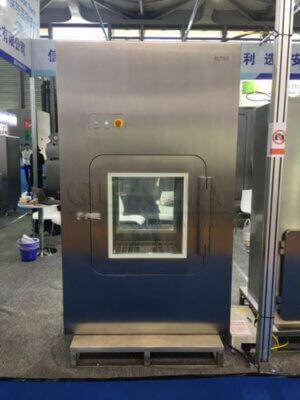
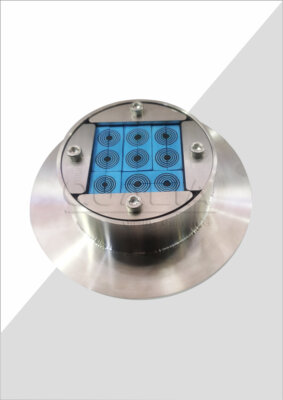
Para los API potentes, la contención sellada de un aislador es primordial. Aunque cRABS puede configurarse para la contención OEB 4, los aisladores son necesarios para OEB 5 y proporcionan una solución más sólida para OEB 4. La capacidad de mantener la contención durante todas las transferencias de material, a menudo a través de sistemas validados de puertos de transferencia rápida, es un factor diferenciador fundamental. Las cabinas de flujo descendente son categóricamente inadecuadas para la manipulación de materiales de alta potencia debido a su diseño abierto.
Impacto en las instalaciones y la infraestructura: Necesidades de salas blancas frente a ahorros
Arquitectura de las instalaciones
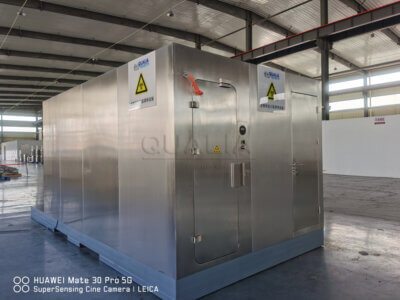
La elección del confinamiento determina fundamentalmente la escala y la complejidad de las instalaciones. La elección de un aislador transforma el diseño y permite reducir el tamaño de la sala blanca (Grado C). Esto reduce los costes de construcción, la capacidad de climatización y el perfil energético general de la instalación desde el primer día. El esfuerzo de validación se reasigna estratégicamente del entorno de la sala al propio sistema de aisladores.
La carga de infraestructura del RABS
Por el contrario, los RABS requieren un recinto de sala blanca de grado B completo y costoso, con toda la infraestructura asociada: tasas de cambio de aire más elevadas, cascadas de presión más estrictas y una supervisión exhaustiva. Esto crea unas instalaciones más grandes, que consumen más energía y suponen una mayor carga de validación para la propia sala. Esto convierte a los aisladores en un elemento estratégico para el diseño de instalaciones más compactas, sostenibles y sencillas desde el punto de vista operativo, un factor cada vez más importante en proyectos totalmente nuevos.
Implicaciones del calendario del proyecto
Sin embargo, los plazos de los proyectos deben tener en cuenta la integración prolongada y las pruebas de aceptación en fábrica (FAT) necesarias para los aisladores. Sus complejos sistemas integrados, incluidos los generadores HVAC y VHP, requieren una validación exhaustiva antes de la instalación in situ. Para evitar retrasos en el proyecto, es fundamental planificar estos plazos, mientras que la integración de RABS en una sala blanca estándar puede seguir un calendario más tradicional.
Costes operativos comparados: Vestimenta, vigilancia y energía
Costes recurrentes
Los gastos operativos recurrentes consolidan la ventaja a largo plazo del aislador. El entorno de Grado C que rodea a un aislador reduce drásticamente la complejidad de la vestimenta y los costes de material. Los operarios necesitan una vestimenta menos extensa en comparación con la vestimenta completa de Grado B exigida para las salas RABS. Esto reduce tanto los costes de consumibles como el tiempo necesario para vestirse y desvestirse, lo que aumenta la eficacia operativa.
Control y consumo de energía
El alcance y la frecuencia de la vigilancia ambiental también se reducen considerablemente. El interior controlado del aislador se convierte en el principal foco de monitorización, sustituyendo gran parte de la extensa EM basada en la sala necesaria en una sala de Grado B. El mayor diferenciador es el consumo de energía. El mayor diferenciador es el consumo de energía; la climatización localizada y a menor escala de un aislador es mucho más eficiente que el acondicionamiento y filtrado de todo el volumen de una sala de Grado B las 24 horas del día, los 7 días de la semana.
Cuantificación de las diferencias operativas
El ahorro acumulado en estas áreas constituye el núcleo de la amortización del coste total de propiedad. En la tabla siguiente se comparan los perfiles operativos actuales.
| Área operativa | Aislador (sala de grado C) | RABS (Sala de Grado B) |
|---|---|---|
| Complejidad y coste de las batas | Reducción drástica | Costes elevados |
| Ámbito de la vigilancia medioambiental | Reducción significativa | Se requiere sala completa EM |
| Consumo de energía primaria | HVAC localizado y eficiente | Climatización de habitaciones 24/7 |
| Perfil de costes recurrentes | Activo estratégico operativo | Carga elevada y bloqueada |
Fuente: Documentación técnica y especificaciones industriales.
Criterios clave de selección: Más allá de la inversión inicial de capital
Una decisión multifactorial basada en el riesgo
La selección requiere un equilibrio entre el nivel de contención, las necesidades del proceso y la estrategia del ciclo de vida. Los criterios clave incluyen la necesidad de biodescontaminación automatizada, la complejidad de la integración del proceso y la capacidad de transferencia de material cerrado a través de puertos de transferencia rápida (RTP). La validación y el uso de los RTP es una pieza clave; su integridad es tan crítica como la barrera principal para mantener un sistema cerrado durante la manipulación del material.
Flexibilidad y garantía de futuro
La garantía de futuro es un criterio vital que a menudo se pasa por alto. Una línea de productos puede evolucionar hacia potencias más altas o formulaciones diferentes. Dar prioridad a diseños de aisladores modulares, construidos según normas como ISO 14644-7, permite la reconfiguración para hacer frente a estos cambios, protegiendo la inversión de capital. Esta flexibilidad estratégica suele estar ausente en las instalaciones RABS fijas, que pueden quedar obsoletas con cambios significativos en los procesos.
El factor de complejidad de la integración
La complejidad de la integración de procesos es otro factor clave de selección. Los procesos altamente automatizados con intervenciones frecuentes pueden beneficiarse del acceso sellado con guantes del aislador, que estandariza las interacciones. Los procesos más sencillos y menos frecuentes pueden tener cabida en un RABS. La decisión debe tener en cuenta el conjunto de habilidades de los operarios y el esfuerzo de validación necesario para cualificar cada interacción dentro de la barrera elegida.
Ponga en práctica su decisión: Consideraciones sobre la validación y el cambio
Planificación de proyectos y plazos
El éxito de la implantación exige una planificación a medida. Los proyectos de aisladores requieren plazos más largos para la FAT, la integración in situ y la validación de ciclos complejos como el VHP. Para mitigar la complejidad operativa, considere la posibilidad de adquirir el aislador y el equipo de proceso principal como una línea armonizada de un único proveedor. Esto garantiza una interoperabilidad sin fisuras y simplifica la carga de validación, como se indica en directrices como PIC/S PI 014-3.
Enfoque de los esfuerzos de validación
El enfoque de la validación difiere significativamente. En el caso de los aisladores, el esfuerzo se centra en el propio sistema: pruebas de fugas, visualización del flujo de aire y eficacia del ciclo de descontaminación. En el caso de los RABS, la cualificación afecta en gran medida al entorno de grado B. Este cambio de alcance debe reflejarse en el plan maestro de validación y en la asignación de recursos desde el inicio del proyecto.
Gestión de operaciones rutinarias
Los procedimientos de cambio -entre lotes o productos- son más rigurosos dentro de un aislador, pero se compensan con una menor limpieza de la sala. Un plan de implantación completo debe incluir protocolos validados para las operaciones rutinarias críticas, especialmente las pruebas de integridad de los guantes. En la tabla siguiente se comparan los factores clave de la implantación.
| Factor de ejecución | Aislador | RABS |
|---|---|---|
| Plazo del proyecto | Más largo (FAT, integración) | Estándar |
| Enfoque de validación | Ciclos de sistemas complejos (por ejemplo, VHP) | Entorno de grado B |
| Estrategia de aprovisionamiento de equipos | Se recomienda un único proveedor | Posibilidad de varios proveedores |
| Rigor del cambio de lote | Proceso interno más riguroso | Reducción de la limpieza interior, más espacio |
Fuente: PIC/S PI 014-3: Aisladores utilizados para el tratamiento aséptico y las pruebas de esterilidad. Esta directriz detalla las expectativas específicas de validación para los sistemas de aisladores, incluidos los ciclos automatizados de biodescontaminación, que afectan directamente a los plazos del proyecto y a la planificación de la validación en comparación con el RABS.
La decisión entre aisladores y RABS para la OEB 4-5 no es meramente técnica, sino estratégica, y depende del modelo operativo y financiero a largo plazo de una instalación. Dé prioridad a un análisis del coste total de propiedad que refleje el ahorro que supone para las instalaciones la reducción de la sala blanca. Insista en un rendimiento de contención validado que satisfaga tanto los niveles de potencia actuales como los previstos, y seleccione un diseño modular que proteja su inversión frente a futuros cambios de proceso.
¿Necesita asesoramiento profesional para implantar una estrategia de aisladores de alta contención adaptada a la manipulación de sus compuestos potentes? El equipo de ingeniería de QUALIA se especializa en la integración de soluciones de contención validadas que alinean la inversión de capital con la eficiencia operativa a largo plazo. Póngase en contacto con nosotros para hablar de los requisitos específicos de su solicitud de OEB 4 u OEB 5.
Preguntas frecuentes
P: ¿Cómo justifica el coste total de propiedad de un aislador su mayor precio inicial en comparación con un RABS?
R: La ventaja del coste total de propiedad radica en la transferencia de los costes de control medioambiental de la instalación a la máquina. Los aisladores permiten rebajar el nivel de la sala blanca circundante de Grado B a Grado C, lo que genera un ahorro anual recurrente de entre 1 y 1,3 millones de euros en los mercados occidentales gracias a la reducción de la energía de HVAC, el uso de batas y la supervisión. Esta amortización operativa puede compensar la inversión de capital en pocos años. En los proyectos en los que la eficiencia operativa a largo plazo es una prioridad, el modelo de coste total de propiedad del aislador hará que deje de ser un centro de costes para convertirse en un activo estratégico.
P: ¿Cuáles son las diferencias críticas de validación y rendimiento entre los aisladores y los RABS para los compuestos OEB 5?
R: Los aisladores son la elección definitiva para el OEB 5, diseñados para lograr una contención validada por debajo de 0,1 µg/m³ con triple filtración HEPA/ULPA y sistemas de seguridad redundantes. Su diseño cerrado y sus ciclos de descontaminación automatizados apoyan directamente las estrictas expectativas normativas tanto en materia de esterilidad como de protección del operario, tal como se indica en Anexo 1 de las PCF de la UE. Esto significa que las instalaciones que manipulan compuestos con Límites de Exposición Ocupacional inferiores a 1 µg/m³ deben dar prioridad a los aisladores, ya que los RABS carecen de la integridad de contención validada necesaria para esta banda.
P: ¿Cómo afectan los puertos para guantes a la integridad de la contención de los sistemas de barrera y cómo se gestiona este riesgo?
R: Los puertos de los guantes son un punto único de fallo dinámico para la contención de cualquier sistema de barrera. Su integridad debe verificarse de forma rutinaria utilizando comprobadores de caída de presión autónomos y automatizados, ya que las comprobaciones manuales son insuficientes. Esta mitigación específica del riesgo es una parte crítica de la cualificación operativa. Si su operación requiere una contención OEB 4 ó 5 fiable, planifique la integración y validación de las pruebas automatizadas de integridad de los guantes en sus procedimientos operativos estándar desde el principio.
P: ¿Puede utilizarse un RABS para el envasado aséptico de productos estériles y cuáles son sus principales limitaciones?
R: Sí, en particular los RABS cerrados (cRABS) pueden configurarse para el procesamiento aséptico. Sin embargo, dependen de la limpieza manual y de la esterilidad de la sala blanca de grado B circundante, lo que presenta un mayor riesgo de contaminación en comparación con la biodescontaminación automatizada de un aislador. Su rendimiento se rige por los mismos Anexo 1 de las PCF de la UE pero logra el cumplimiento a través de medios diferentes, más dependientes del operador. Esto significa que las instalaciones que priorizan el nivel más alto de garantía de esterilidad (SAL de 10^-6) y reproducibilidad deben esperar que los aisladores proporcionen una solución más robusta.
P: ¿Qué ventajas para el diseño de instalaciones aporta la selección de un aislador frente a una instalación RABS?
R: Los aisladores permiten una arquitectura de las instalaciones fundamentalmente diferente al permitir que la sala blanca circundante se diseñe como un espacio más pequeño y de clase inferior (Grado C). Esto reduce los costes de construcción, la capacidad de climatización y el perfil energético general de la instalación. La carga de la validación pasa del entorno de la sala al propio sistema de aislamiento. Esto significa que para nuevas construcciones o modernizaciones en las que la huella y el ahorro de energía a largo plazo son limitaciones, los aisladores actúan como un facilitador estratégico para diseños de instalaciones más compactos y sostenibles.
P: ¿Cuáles son las consideraciones clave para implantar y validar una nueva línea de aisladores?
R: La implantación de aisladores requiere plazos más largos para la aceptación en fábrica, la integración in situ y la validación de ciclos complejos como el del peróxido de hidrógeno vaporizado. Para reducir el riesgo de interoperabilidad, adquiera el aislador y el equipo de proceso principal como una línea armonizada de un único proveedor. En PIC/S PI 014-3. En proyectos con plazos muy ajustados, conviene planificar con antelación esta fase ampliada de integración y validación, y considerar la posibilidad de asociarse con proveedores que simplifiquen la transferencia técnica.
P: Más allá del nivel de contención, ¿qué criterios debemos utilizar para garantizar el futuro de nuestra inversión en tecnología de barreras?
R: Priorice la necesidad de descontaminación automatizada, la complejidad de integración del proceso y la adaptabilidad del ciclo de vida. El uso validado de puertos de transferencia rápida (RTP) para la transferencia de material cerrado es tan crítico como la elección de la barrera principal. La selección de un diseño de aislador modular permite la reconfiguración para gestionar futuras tuberías de productos y potencias. Esto significa que si es probable que su cartera de productos o sus requisitos de potencia evolucionen, debe favorecer los sistemas modulares flexibles frente a las instalaciones fijas para proteger su inversión de capital.
Contenidos relacionados:
- Descubra el mejor RABS para sus instalaciones
- Cumplimiento de la normativa y RABS cerrado en la producción farmacéutica
- Mantenimiento de la esterilidad: El papel de los RABS cerrados en el cumplimiento de las cGMP
- RABS cerrado: La revolución del procesamiento aséptico en el sector farmacéutico
- RABS cerrado en biotecnología: Avances en el procesamiento aséptico
- Sopesar los costes y beneficios de la implantación de un RABS cerrado
- Implantación del RABS cerrado: Garantizar la excelencia en el procesamiento aséptico
- Mantener la esterilidad: El papel fundamental del RABS cerrado en la producción farmacéutica
- Revolucionando la fabricación: Integración cerrada de RABS