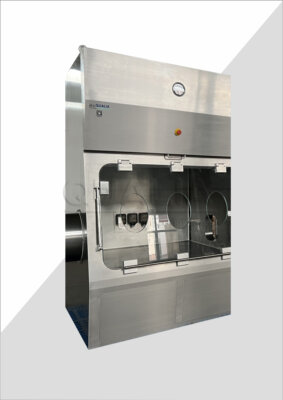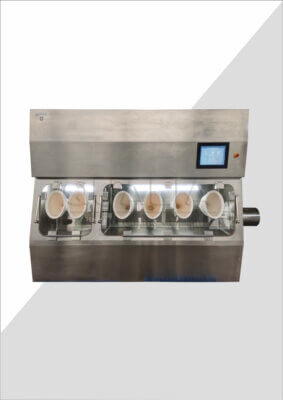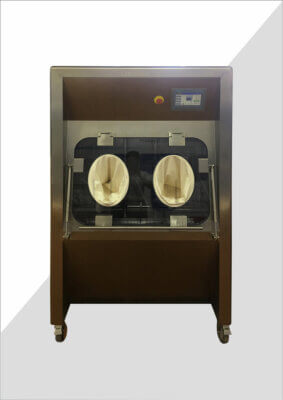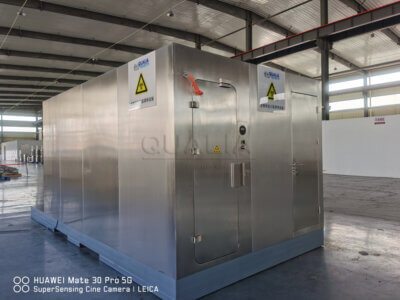

La selección de la cabina de bioseguridad correcta para aplicaciones BSL-3 es una decisión de ingeniería crítica con implicaciones directas para la seguridad, el cumplimiento y el presupuesto operativo. La elección entre una cabina de Clase II Tipo A2 de conducto rígido y una de Tipo B2 de extracción total suele simplificarse en exceso, lo que da lugar a costosas aplicaciones erróneas o a un confinamiento inadecuado para los protocolos de investigación en evolución. Un malentendido de los requisitos de escape puede comprometer la seguridad o provocar actualizaciones no planificadas de las instalaciones.
Esta decisión es primordial ahora que la investigación con compuestos volátiles junto con agentes biológicos es cada vez más común. La diferencia fundamental en la arquitectura de los sistemas de escape no sólo determina el coste inicial, sino también la integración a largo plazo de las instalaciones, el consumo de energía y la flexibilidad de los protocolos. Equivocarse en esta especificación supone un riesgo y una responsabilidad financiera considerables.
Tipo A2 frente a B2: la diferencia de escape central para BSL-3
Definición de las arquitecturas de escape
El principio operativo que separa los armarios de tipo A2 y B2 es su tratamiento del aire. Una cabina de Tipo A2 recircula aproximadamente 70% de su aire internamente a través de filtración HEPA, extrayendo los 30% restantes después de pasar por un filtro HEPA de extracción adicional. Para uso BSL-3, este escape debe ser conducido al sistema de escape del edificio. Por el contrario, un Tipo B2 es una unidad de extracción total; 100% del aire de entrada y de salida se captura y expulsa al exterior sin recirculación.
El mandato de canalización BSL-3
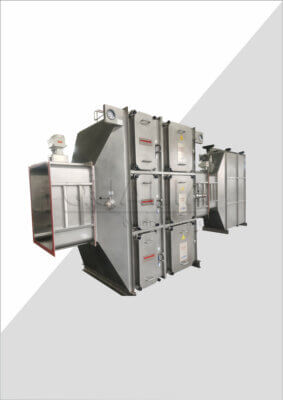
En un entorno BSL-3, ambos tipos de armarios requieren una conexión al sistema de escape de la instalación. El A2 de conducto rígido utiliza una conexión de tejadillo o dedal, mientras que el B2 requiere un conducto de escape sellado y dedicado. Esta conexión no es opcional, sino un requisito de contención para garantizar que se mantienen la presión negativa y el flujo de aire direccional, protegiendo el entorno del laboratorio. La norma que rige estos diseños y su rendimiento es NSF/ANSI 49-2022: Armarios de bioseguridad.
La aplicación dicta la selección
Esta diferencia fundamental dicta unos límites de aplicación estrictos. Los expertos del sector subrayan que el escape 100% del B2 no es negociable para trabajar con productos químicos tóxicos volátiles, disolventes inflamables o radionucleidos, ya que impide la recirculación de vapores peligrosos. El uso de un A2 para tales protocolos crea una brecha crítica en la contención. En el caso de agentes exclusivamente biológicos, un A2 con conductos rígidos adecuados proporciona una protección equivalente para el personal y el medio ambiente.
| Característica | Clase II Tipo A2 | Clase II Tipo B2 |
|---|---|---|
| Principio de escape | Escape externo 30% | 100% escape total |
| Recirculación del aire | ~70% recirculación interna | Recirculación interna cero |
| Conductos BSL-3 | Conexión directa | Escape sellado específico |
| Aplicación crítica | Sólo agentes biológicos | Sustancias químicas volátiles/radionucleidos |
Fuente: NSF/ANSI 49-2022: Armarios de bioseguridad. Esta norma define los requisitos fundamentales de diseño, rendimiento y clasificación para los BSC de clase II, incluidas las especificaciones de escape y recirculación para los armarios de tipo A2 y B2.
Comparación de costes: Impacto sobre el capital, el funcionamiento y las instalaciones
Gastos iniciales y operativos
El análisis financiero revela una compensación directa. Un tipo A2 con conductos rígidos suele tener un coste de capital más bajo y unos gastos energéticos operativos significativamente inferiores gracias a su recirculación de aire de 70%. El tipo B2 tiene unos costes iniciales más elevados y unos costes energéticos continuos considerables debido al acondicionamiento constante de 100% de aire de un solo paso. En la planificación de nuestras instalaciones, el consumo perpetuo de energía de un armario B2 se convierte a menudo en su mayor componente de coste durante la vida útil.
El coste oculto de la integración de instalaciones
El mayor impacto en las instalaciones se pasa por alto fácilmente. La instalación de un B2 requiere verificar y, a menudo, actualizar la capacidad de extracción del sistema de calefacción, ventilación y aire acondicionado del edificio para gestionar su carga total de extracción. Esta dependencia de la infraestructura significa que la planificación de capital debe presupuestar las posibles actualizaciones de conductos y ventiladores junto con la adquisición de armarios. En el caso de un A2, el impacto en las instalaciones suele ser menor, ya que se trata de una conexión de extracción estándar.
| Factor de coste | Tipo A2 (conducto duro) | Tipo B2 |
|---|---|---|
| Coste de capital | Menor coste inicial | Mayor coste inicial |
| Energía operativa | Significativamente inferior | Sustancialmente superior |
| Impacto de las instalaciones | Conexión de escape estándar | Probable mejora de la capacidad de escape |
| Coste del ciclo de vida | Rentable sólo para biotecnología | Mayor coste total de propiedad |
Fuente: Documentación técnica y especificaciones industriales.
Análisis del coste total de propiedad
La divergencia en los costes del ciclo de vida es notable. Aunque el B2 ofrece la seguridad necesaria para riesgos mixtos, su coste total de propiedad es más elevado. Esto incluye una carga más rápida del filtro HEPA de escape, sustituciones más frecuentes y los procedimientos de descontaminación validados necesarios antes de cada servicio. Este análisis enmarca la decisión como un cálculo fundamental de seguridad frente a coste, en el que las opciones de ahorro de costes repercuten directamente en la mitigación de riesgos a largo plazo.
¿Qué armario ofrece mejor contención para sus agentes?
El perfil de riesgo es el factor decisivo
La idoneidad de la contención viene dictada por el perfil de peligro del agente, no por una designación universal de “mejor”. Un Tipo A2 con conductos rígidos adecuados proporciona suficiente contención para agentes biológicos estándar BSL-3 en los que no hay uso de productos químicos volátiles. El BSC sirve como control de ingeniería primario; el EPI es secundario. La selección de un armario inadecuado socava todo el protocolo de seguridad.
El caso innegociable del tipo B2
Para protocolos en los que intervienen disolventes, volátiles tóxicos o radionucleidos, el tipo B2 ofrece una contención superior y necesaria. La investigación confirma que el uso de un A2 para estos peligros mixtos permite que los vapores se concentren en el interior de la cabina a través de la recirculación, creando riesgos de exposición para el personal durante las brechas de procedimiento y complicando la descontaminación. Este es un punto crítico de fallo si se aplica mal un A2.
Validación con respecto a las normas
Ambos armarios, cuando se instalan y certifican correctamente, cumplen los requisitos de contención de NSF/ANSI 49-2022: Armarios de bioseguridad para los usos previstos. La norma china YY 0569-2011: Cabinas de bioseguridad de clase II clasifica de forma similar los armarios en función del tipo de escape para la contención de peligros específicos. El “mejor” armario es aquel cuyo diseño se ajusta a su protocolo validado.
Comparación de prestaciones: Flujo de aire, seguridad y eficiencia energética
Seguridad y confinamiento
Los resultados difieren en los parámetros clave. Para trabajos exclusivamente biológicos, tanto el A2 como el B2 con conductos rígidos ofrecen una protección equivalente del personal y del medio ambiente cuando están certificados según la norma. Sin embargo, el rendimiento de seguridad para riesgos químicos es superior en el B2 debido a la extracción total. La estabilidad del flujo de aire para ambos tipos no está garantizada; depende de un sistema de climatización del edificio equilibrado con precisión para mantener las velocidades de entrada en la cabina frente a las fluctuaciones de presión de la sala.
Eficiencia y control operativo
La eficiencia energética favorece en gran medida al diseño A2. La demanda constante de aire de escape acondicionado del B2 se traduce en elevados costes operativos. Los controles digitales modernos para la supervisión del flujo de aire en tiempo real se están convirtiendo en esenciales para ambos tipos a fin de garantizar la integridad del rendimiento. Estos sistemas proporcionan registros de datos para auditorías de seguridad y alertas inmediatas en caso de desviación del rendimiento, lo que ahora consideramos un requisito básico para cualquier instalación nueva.
| Métrica de rendimiento | Tipo A2 (conducto duro) | Tipo B2 |
|---|---|---|
| Seguridad frente al riesgo químico | No apto | Contención superior |
| Seguridad sólo biológica | Protección equivalente | Protección equivalente |
| Eficiencia energética | Alto (recirculación 70%) | Bajo (100% aire de un solo paso) |
| Control del flujo de aire | Controles digitales esenciales | Controles digitales esenciales |
Fuente: NSF/ANSI 49-2022: Armarios de bioseguridad. La norma establece los criterios de rendimiento y ensayo para el flujo de aire, la contención y la seguridad, que constituyen la base para comparar la eficacia de los armarios para diferentes perfiles de riesgo.
Instalación e integración: Requisitos de las instalaciones para cada tipo
Complejidad de la instalación
La complejidad de la instalación varía considerablemente. Un conducto rígido de tipo A2 requiere una conexión segura y hermética al conducto de extracción específico del laboratorio. La instalación del tipo B2 es más exigente, ya que requiere un conducto de extracción sellado y específico capaz de gestionar todo el volumen de flujo de aire de la parte frontal del armario. Esto suele requerir un trabajo de chapa metálica a medida y equilibrado.
Coordinación con los sistemas del edificio
El sistema de extracción del edificio debe dimensionarse para gestionar la carga combinada de la sala y todos los dispositivos de contención. Para la integración B2, esto se convierte a menudo en un importante proyecto de infraestructura que requiere la coordinación entre el director del laboratorio, el ingeniero de instalaciones y el proveedor de armarios. Esta complejidad está llevando a muchos laboratorios a buscar proveedores que ofrezcan soluciones integradas llave en mano que incluyan el suministro de armarios, la coordinación de las instalaciones y la certificación. Para los laboratorios que se plantean la posibilidad de utilizar varios dispositivos de contención, la evaluación de soluciones integradas puede resultar muy útil. servicios de instalación y validación de cabinas de bioseguridad puede agilizar este proceso de alto riesgo.
Verificación previa a la instalación
Un paso crítico y a menudo apresurado es la verificación previa a la instalación. Para un B2, esto significa medir físicamente la capacidad de extracción disponible en el punto de conexión propuesto en el peor de los casos (por ejemplo, con otras campanas en funcionamiento). Asumir que existe capacidad sin verificarla es un riesgo habitual en los proyectos que provoca retrasos y órdenes de cambio.
Mantenimiento continuo, certificación y costes operativos
Certificación obligatoria y descontaminación
Ambos tipos de cabinas requieren una certificación anual por parte de un técnico cualificado para verificar la integridad del filtro HEPA, las velocidades del flujo de aire y la contención. La descontaminación, normalmente con peróxido de hidrógeno vaporizado, es obligatoria antes de cualquier cambio de filtro o servicio interno. No se trata de un proceso casual; requiere planificación, validación y documentación.
Costes operativos divergentes
Los costes operativos difieren considerablemente. El mayor volumen de gases de escape del B2 provoca una carga más rápida del filtro HEPA de gases de escape y sustituciones más frecuentes y costosas. Su consumo de energía también es siempre mayor. Para los laboratorios regulados, los propios procedimientos de descontaminación requieren una validación formal y una verificación continua. Esto transforma el mantenimiento rutinario en un programa documentado de garantía de calidad con una importante inversión de tiempo del personal más allá de la factura directa del servicio.
| Aspecto del mantenimiento | Tipo A2 | Tipo B2 |
|---|---|---|
| Certificación anual | Obligatorio para ambos tipos | Obligatorio para ambos tipos |
| Sustitución del HEPA de escape | Menos frecuentes | Carga más rápida, más frecuente |
| Requisito de descontaminación | Obligatorio antes del mantenimiento | Obligatorio antes del mantenimiento |
| Documentación de conformidad | Importante inversión de tiempo del personal | Importante inversión de tiempo del personal |
Fuente: Documentación técnica y especificaciones industriales.
Planificación de los costes del ciclo de vida
Una planificación eficaz del ciclo de vida debe tener en cuenta estos costes recurrentes. Un descuido frecuente es presupuestar la compra de armarios subestimando el coste a 10 años de los filtros, la energía y la mano de obra. Crear una proyección de costes totales a 5 años para las opciones A2 y B2 proporciona una imagen financiera realista a los responsables de la toma de decisiones.
Criterios clave de decisión: Selección de A2 frente a B2 para su laboratorio
Realizar una evaluación formal de riesgos
La decisión debe basarse en una evaluación formal del riesgo de los protocolos de laboratorio, no en las preferencias del proveedor. El criterio principal es la presencia de sustancias químicas tóxicas volátiles, disolventes inflamables o radionucleidos, lo que exige un B2. Si el protocolo es estrictamente biológico, un A2 es adecuado y rentable. Esta evaluación debe estar documentada y aprobada por el responsable de bioseguridad de la institución.
Evaluar las instalaciones y las necesidades futuras
Los criterios secundarios incluyen las carteras de investigación actuales y futuras. Un laboratorio con una cartera fija sólo de biología puede elegir con confianza un A2. Uno que prevea cambios metodológicos debería considerar la flexibilidad de un armario B2 o de tipo C1. También debe verificar la capacidad de escape disponible en las instalaciones y el presupuesto para posibles actualizaciones, un paso que a menudo revela costes ocultos del proyecto.
| Criterios de decisión | Seleccione Tipo A2 Si... | Seleccione el tipo B2 Si... |
|---|---|---|
| Perfil del agente Hazard | Sólo agentes biológicos | Sustancias químicas volátiles presentes |
| Flexibilidad del protocolo futuro | Cartera fija, sólo biológica | Peligros mixtos o en evolución |
| Capacidad de escape de las instalaciones | Capacidad suficiente | Requiere verificación/actualización |
| Tolerancia del coste del ciclo de vida | Prioridad menor coste total | Se acepta una mayor inversión en seguridad |
Fuente: Documentación técnica y especificaciones industriales.
Desarrollar la experiencia interna
La complejidad técnica de esta decisión entraña el riesgo de crear una dependencia del proveedor. Desarrollar una experiencia en ingeniería de bioseguridad interna y neutral con respecto al proveedor es crucial para una especificación, adquisición y gestión del ciclo de vida imparciales. Este conocimiento interno garantiza que sean las necesidades de su centro, y no un catálogo de ventas, las que determinen la especificación.
Guía de selección final: Adaptación del armario al protocolo BSL-3
Matriz de selección basada en protocolos
La elección final es binaria en función del protocolo. Seleccione un Clase II Tipo A2 Armario para protocolos con agentes BSL-3 estrictamente biológicos con un uso mínimo de productos químicos volátiles. Esto incluye virología estándar, microbiología y cultivo de tejidos. Es la opción rentable y energéticamente eficiente para este perfil de riesgo definido.
Cuando el B2 es la única opción
Seleccione una Clase II Tipo B2 para cualquier protocolo que combine agentes BSL-3 con productos químicos volátiles, disolventes o radionucleidos. Esto no es negociable para la seguridad y el cumplimiento. Entre las aplicaciones comunes se incluyen los procedimientos con fijadores, disolventes para la extracción de lípidos o estudios toxicológicos in vitro con compuestos volátiles.
Considerar la flexibilidad estratégica
Para los laboratorios con protocolos variables o en evolución, el Tipo C1 es una opción estratégica flexible. Puede funcionar tanto en modo A2 (recirculación) como B2 (extracción total). Esto ofrece garantías de futuro frente a las necesidades cambiantes de la investigación sin un gran compromiso inmediato de infraestructura, aunque conlleva un mayor coste de capital que un A2 estándar.
En última instancia, la decisión entre armarios A2 y B2 se consolida en tres prioridades: validar primero el perfil de peligrosidad de agentes y sustancias químicas, realizar en segundo lugar una auditoría de la capacidad de escape de las instalaciones y modelizar en tercer lugar los costes totales del ciclo de vida. Esta secuencia evita poner en peligro la seguridad y sobrepasar el presupuesto.
¿Necesita asesoramiento profesional para especificar, instalar y validar la cabina de bioseguridad adecuada para sus instalaciones BSL-3? Los expertos de QUALIA ofrece asesoramiento independiente del proveedor y soluciones llave en mano para garantizar que su ingeniería de contención cumple los objetivos de seguridad y funcionamiento. Para una consulta directa, también puede Póngase en contacto con nosotros.
Preguntas frecuentes
P: ¿Cuándo es obligatoria una cabina de bioseguridad de tipo B2 para el trabajo en BSL-3?
R: Se requiere una cabina de tipo B2 para cualquier protocolo BSL-3 que incluya productos químicos tóxicos volátiles, disolventes inflamables o radionucleidos. Su diseño de escape total 100% evita que los vapores peligrosos recirculen dentro de la cabina, lo que constituye un punto de fallo crítico para los modelos A2 con recirculación. Esto significa que los laboratorios que manipulan riesgos biológicos y químicos mixtos deben especificar unidades B2 para cumplir los protocolos de seguridad fundamentales, ya que el equipo de protección del personal es sólo un control secundario.
P: ¿Cuáles son los principales costes ocultos de la instalación de una cabina de bioseguridad de tipo B2?
R: Más allá del precio más elevado de la unidad, el principal coste oculto del tipo B2 es la mejora necesaria del sistema de extracción de las instalaciones. El sistema de calefacción, ventilación y aire acondicionado del edificio debe tener capacidad suficiente para gestionar toda la carga de extracción de la cabina 100% sin comprometer la presión de la sala ni otros dispositivos de contención. En los proyectos en los que la infraestructura del laboratorio sea antigua o esté al límite de su capacidad, hay que tener en cuenta que, además de la compra de la cabina, habrá que presupuestar importantes mejoras en los conductos y en el sistema mecánico.
P: ¿En qué se diferencian los costes de certificación y mantenimiento de los armarios A2 y B2?
R: Ambos tipos requieren una certificación anual de la integridad HEPA y del flujo de aire, además de una descontaminación validada antes de los cambios de filtro. Sin embargo, las cabinas B2 incurren en mayores costes continuos debido a la carga más rápida del filtro HEPA de escape por su mayor volumen de aire, lo que conlleva sustituciones más frecuentes. Su uso continuo de aire exterior acondicionado 100% también genera facturas de energía perpetuamente más elevadas. Si su empresa necesita una cabina B2 por motivos de seguridad, prevea un coste total de propiedad sustancialmente superior a lo largo de la vida útil de la cabina.
P: ¿Puede una cabina de tipo A2 de conductos rígidos proporcionar una contención adecuada para agentes biológicos estándar BSL-3?
R: Sí, una cabina de Tipo A2 de conductos rígidos correctamente instalada y certificada proporciona suficiente protección para el personal, el producto y el medio ambiente para trabajar con agentes biológicos estándar BSL-3 cuando no se utilizan productos químicos volátiles. Su rendimiento para la contención biológica es equivalente a un B2 en este escenario, según lo definido por normas como NSF/ANSI 49-2022. Esto convierte a la A2 en una opción rentable y energéticamente eficiente para laboratorios de virología o microbiología con protocolos estrictamente biológicos.
P: ¿Qué coordinación de instalaciones se necesita para instalar una cabina de seguridad biológica de conductos rígidos?
R: La instalación de cualquier armario de conductos rígidos requiere una conexión segura y hermética a los conductos de extracción específicos del laboratorio. En el caso de un tipo A2, se trata normalmente de una conexión de tejadillo o dedal. Una instalación de tipo B2 es más compleja y requiere un conducto de extracción sellado específico dimensionado para su caudal de aire total. Esto significa que las instalaciones deben verificar la capacidad de su sistema de extracción para la carga combinada, un proceso que a menudo requiere la coordinación con ingenieros y que hace que los laboratorios se dirijan a proveedores que ofrecen soluciones de integración llave en mano.
P: ¿Cómo debe decidir un laboratorio entre una cabina de bioseguridad de tipo A2 y una de tipo B2?
R: La decisión debe comenzar con una evaluación formal de riesgos de los protocolos específicos de su laboratorio. El criterio clave es el uso de sustancias peligrosas volátiles: su presencia exige un B2. También debe evaluar las futuras necesidades de investigación, la capacidad de escape de las instalaciones disponibles y la tolerancia de costes del ciclo de vida total. Si su operación requiere flexibilidad para protocolos en evolución, investigue el armario de tipo C1, que puede cambiar de modo, ofreciendo una opción estratégica para asegurar su inversión en el futuro sin un compromiso inmediato de infraestructura importante.
P: ¿Por qué es importante desarrollar conocimientos internos de ingeniería de bioseguridad para la selección de armarios?
R: La complejidad técnica de adaptar el tipo de escape del armario al perfil de riesgo y a las limitaciones de las instalaciones crea un riesgo de dependencia del proveedor. La experiencia interna y neutral con respecto al proveedor permite una especificación imparcial, una previsión precisa de los costes del ciclo de vida y una gestión eficaz de la instalación y la certificación. Esto significa que las organizaciones que aspiran a mitigar los riesgos y controlar los costes a largo plazo deben dar prioridad a la creación de esta competencia para garantizar que las decisiones de seguridad se basan en las necesidades del protocolo y no en la influencia del proveedor.
Contenidos relacionados:
- Cabinas de bioseguridad con conductos: Mayor seguridad en el laboratorio
- Cabinas de Bioseguridad Clase II Tipo B2: Escape total
- Tamaños de los armarios de bioseguridad: El tamaño perfecto
- Instalación de armarios de bioseguridad: Lo que debe saber
- Explicación de los sistemas de extracción de las cabinas de bioseguridad
- Cómo elegir la cabina de bioseguridad adecuada: 5 factores clave
- Cabinas de bioseguridad BSL-3: Guía de selección 2025
- Rendimiento del flujo de aire en cabinas de bioseguridad de Clase III frente a Clase II: Comparación de CFM y datos de contención
- Funcionamiento del armario de bioseguridad: Guía de formación esencial