Las instalaciones que superan la certificación rutinaria de salas blancas suelen convertirse en la opción predeterminada para la conversión a BSL-3, no porque sean adecuadas, sino porque ya se ha invertido capital en ellas. Se parte de la base de que reforzar los sellados existentes, añadir esclusas y mejorar el sistema de extracción subsanará las deficiencias restantes. En la práctica, esa secuencia suele dar lugar a fallos en las pruebas de presión que se descubren una vez que ya se han comprometido los honorarios de diseño, momento en el que el coste de la corrección surge sin que exista una partida presupuestaria correspondiente. Lo que realmente importa no es si, en teoría, una modernización resulta más barata que una nueva construcción, sino si las deficiencias específicas de una instalación determinada pueden subsanarse sin comprometer la fiabilidad mecánica de la que depende la contención BSL-3, y esa valoración requiere una evaluación estructurada antes de que comience la fase de diseño.
Capacidad del sistema de climatización y estanqueidad de las estancias en el estudio de viabilidad de una mejora
La infraestructura de climatización existente es la primera variable que determina si un proyecto de reconversión es viable, y también es la variable que con mayor probabilidad se evalúa de forma optimista. Las salas blancas están diseñadas para proteger el producto de la contaminación por partículas, lo que significa que su sistema de tratamiento del aire se ha concebido en torno a la presión positiva y al flujo de aire hacia el exterior. La contención BSL-3 invierte esa lógica: el espacio debe mantener un flujo de aire hacia el interior y una presión negativa sostenida con respecto a los pasillos adyacentes, y los sistemas mecánicos deben mantener ese diferencial de forma fiable en todas las condiciones de funcionamiento, incluidas las operaciones de mantenimiento y las situaciones de emergencia. Es posible que las unidades de tratamiento de aire existentes en una sala limpia, el dimensionamiento de los conductos y la capacidad de extracción sean adecuados en cuanto a volumen, pero no en cuanto a configuración o redundancia. No siempre es posible subsanar esa diferencia dentro del espacio mecánico existente.
La estanqueidad de la sala es el complemento estructural de la capacidad del sistema de climatización. El mantenimiento del diferencial de presión depende de que la envolvente mantenga la tasa de fugas prevista, y la construcción existente de las salas blancas —incluso cuando está bien mantenida— suele presentar penetraciones, conjuntos de ventanas y puntos de acceso de servicio que se sellaron según las normas de salas blancas en lugar de según las normas de biocontención. Las ventanas son un indicador fiable: si alguna ventana del espacio en cuestión se puede abrir o cuenta con juntas de compresión diseñadas para condiciones de sala limpia en lugar de para condiciones de biocontención, se introduce una variable controlada que el sistema de climatización no puede compensar de forma fiable. El Manual de Bioseguridad en Laboratorios de la OMS respalda el principio de que la biocontención requiere marcos de ventana sellados y que no se puedan abrir, precisamente porque la integridad de la envolvente es fundamental para el control de la presión, y no se trata simplemente de una preferencia constructiva.
Los requisitos de recertificación anual tienen una implicación práctica para la planificación de las actualizaciones: las especificaciones de los sistemas de climatización y la selección de selladores elegidos durante la conversión se convierten en la referencia que debe volver a verificarse periódicamente. La elección de materiales y configuraciones que se degraden o se alteren bajo la acción de los productos químicos de descontaminación se traducirá en un riesgo de recertificación que no es visible en el momento de la puesta en servicio.
| Qué verificar | Requisito | Riesgo si se pasa por alto |
|---|---|---|
| Especificaciones de sistemas de climatización y selección de selladores | La recertificación anual debe confirmar que las especificaciones y los selladores mantienen los diferenciales de presión requeridos. | El incumplimiento puede paralizar las operaciones u obligar a realizar un rediseño no previsto |
| Windows en el ámbito de las actualizaciones | Las ventanas deben estar bien selladas y fuera de servicio para evitar alterar los flujos del sistema de climatización. | Las ventanas con fugas o que se pueden abrir comprometen los diferenciales de presión y la contención |
La consecuencia a largo plazo de subestimar la compatibilidad del sistema de climatización no es solo el fracaso de la prueba de presión inicial, sino que la instalación supere la puesta en servicio en condiciones favorables y, posteriormente, deje de cumplir los requisitos bajo cargas operativas reales, ciclos de descontaminación o la variabilidad estacional del sistema de climatización. Ese modo de fallo es más difícil de detectar y más costoso de corregir de lo que habría sido una evaluación exhaustiva previa al diseño.
Juntas de puertas, superficies, desagües y huecos de acceso para mantenimiento
El perímetro físico de un espacio BSL-3 no se limita únicamente a sus paredes. Cada punto de transición —puertas, desagües, pasamuros de servicio, vías de acceso del personal— constituye un límite de contención que debe gestionarse de forma activa. Las salas blancas existentes no se construyeron siguiendo una lógica de contención hacia el interior, y esa incompatibilidad en la filosofía de diseño se manifiesta de forma más evidente en los sistemas de puertas, superficies y desagües. Cada tipo de fisura puede corregirse de forma aislada; el problema es que rara vez aparecen de forma aislada.
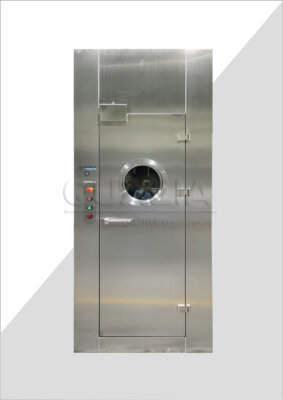
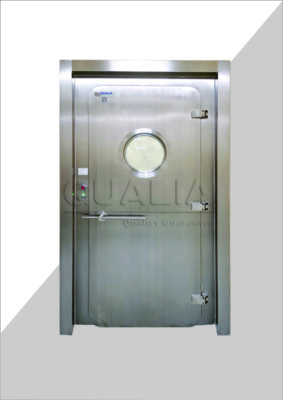
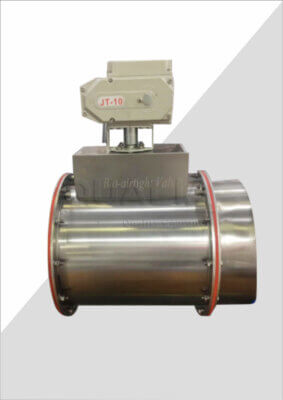
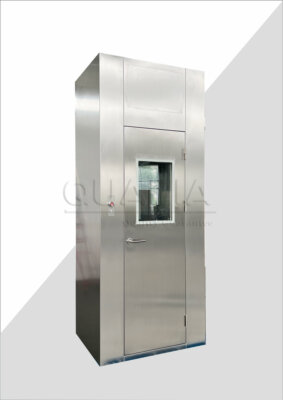
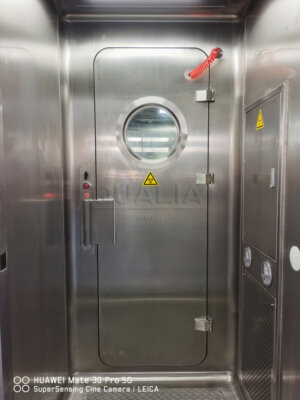
Los conjuntos de puertas de las salas limpias existentes suelen estar diseñados para el control de acceso y la gestión de partículas. El nivel BSL-3 requiere zonas de acceso controlado, vestíbulos con doble puerta y esclusas que funcionen como cámaras de transición con gestión de presión —no simplemente dos puertas en secuencia—. La distinción es importante porque la función de contención de una esclusa de nivel BSL-3 depende tanto de la gestión de la presión como del rendimiento de sellado de cada puerta bajo dicha presión. Una puerta estándar de sala limpia con juntas de compresión adecuadas para la separación de clase ISO a menudo no puede mantener el diferencial de presión necesario para el rendimiento de los límites del nivel BSL-3 sin una modificación significativa o su sustitución. En los proyectos en los que se ha confirmado que el cumplimiento de los requisitos de los conjuntos de puertas es una deficiencia, junta neumática puertas APR están diseñadas específicamente para cumplir con los requisitos de estanqueidad e integridad frente a la presión de las barreras de biocontención.
La compatibilidad de las superficies es una carencia relacionada con consecuencias a largo plazo que pueden pasar desapercibidas. La descontaminación rutinaria en laboratorios de nivel de seguridad biológica 3 (BSL-3) —en particular, los ciclos de fumigación con peróxido de hidrógeno o formaldehído vaporizados— impone a las superficies unas exigencias químicas que superan lo que la mayoría de los acabados de las salas blancas están diseñados para soportar. Los acabados porosos o químicamente incompatibles no fallan de inmediato, sino que se degradan progresivamente, creando microdefectos que son difíciles de descontaminar de forma fiable y que pueden pasar desapercibidos durante una inspección estándar. Para cuando la degradación de la superficie se convierte en un problema de cumplimiento normativo, el espacio ya lleva tiempo funcionando con un déficit de contención. La implicación práctica es que la evaluación de las superficies durante el estudio de viabilidad de una mejora debe valorar explícitamente la compatibilidad química con los productos de descontaminación, y no solo el estado visual.
El sistema de desagüe presenta un patrón similar. Para garantizar una preparación eficaz para la descontaminación de nivel BSL-3, se requieren sistemas de desagüe capaces de gestionar los efluentes procedentes de los ciclos de fumigación y descontaminación líquida, lo que a menudo incluye el tratamiento biológico de los residuos antes de su vertido. Los desagües existentes en las salas blancas suelen estar dimensionados y trazados para los residuos del proceso, no para los volúmenes de descontaminación ni para los requisitos de tratamiento. La adaptación del sistema de desagüe supone una alteración física y resulta costosa, especialmente en instalaciones de varias plantas donde las opciones de trazado son limitadas.
| Elemento de contención | Requisito BSL-3 | Por qué las salas blancas actuales suelen quedarse cortas |
|---|---|---|
| Segregación física (puertas, vestíbulos, esclusas) | Zonas de acceso controlado, vestíbulos con doble puerta y esclusas para la seguridad y el control ambiental | Es posible que las salas blancas existentes carezcan de estas barreras, lo que haría inviable su reconversión sin realizar cambios importantes en su configuración. |
| Superficies | Sin costuras, resistente y con resistencia química para soportar la descontaminación rutinaria | Los acabados existentes porosos o incompatibles provocan fallos en la contención y un desgaste acelerado |
| Preparación para el drenaje y la descontaminación | Sistemas de tratamiento de agua y materiales resistentes a la fumigación | Un drenaje inadecuado o una resistencia superficial insuficiente obligan a recurrir a soluciones provisionales poco seguras o impiden la certificación. |
El acceso a los servicios es la categoría de deficiencias que con mayor frecuencia se pospone hasta que comienza la construcción. Los espacios de nivel BSL-3 exigen que las actividades de mantenimiento de los sistemas mecánicos y eléctricos dentro del perímetro de contención se lleven a cabo bajo las normas de contención, lo que significa que los puntos de acceso a los servicios deben integrarse en el diseño del perímetro. Las salas blancas existentes suelen tener puntos de acceso a los servicios improvisados —placas de techo, paneles desmontables, penetraciones temporales— que eran aceptables para su finalidad original, pero que son estructuralmente incompatibles con la contención. Descubrir esos puntos durante la construcción, en lugar de durante la evaluación de viabilidad, es una de las formas más seguras de provocar revisiones del alcance y del presupuesto.
Supuestos sobre la reconversión de salas blancas que no superan las pruebas de presión
Hay dos supuestos que se repiten constantemente en los proyectos de conversión de salas limpias a BSL-3, y ambos fallan en las pruebas de presión con la suficiente frecuencia como para considerarse un patrón reconocible. El primero es que el recuento en la esclusa de aire es un indicador de la adecuación de la contención. El segundo es que una sala limpia que mantenga el diferencial de presión requerido para la clasificación ISO cumplirá naturalmente con los requisitos de las pruebas de presión de BSL-3.
Ninguna de estas suposiciones se sostiene bajo verificación formal. La lógica de diseño de una sala limpia da prioridad al flujo de aire hacia el exterior para proteger el producto del interior frente al entorno exterior. La contención BSL-3 invierte este principio: el espacio debe proteger el entorno exterior de lo que hay en el interior. Se trata de filosofías de diseño estructuralmente diferentes, y pasar de una a otra no es tan sencillo como añadir elementos físicos en el límite. Una sala limpia con tres esclusas no cuenta con un diseño de límites apto para la contención; se trata simplemente de una sala limpia con tres esclusas. La lógica de los límites —dónde comienzan las zonas de presión negativa, cómo se gestiona la presión en los espacios de transición, cómo se define y se mantiene la envolvente— no se diseñó para la retención de patógenos, y esa discrepancia fundamental no se resuelve aumentando el número de esclusas.
Las pruebas de presión según los requisitos de BSL-3 se basan en las directrices de múltiples organismos reguladores, entre ellos los CDC, los NIH y el USDA, cada uno de los cuales establece criterios de verificación específicos. Las pruebas de presión en salas blancas validan el mantenimiento de los diferenciales de presión entre las distintas zonas de la sala; las pruebas de presión BSL-3 validan la integridad de la envolvente en condiciones de biocontención. Se trata de pruebas diferentes con criterios de superación distintos, y una instalación que mantenga sin problemas los diferenciales de presión en las salas blancas puede suspender las pruebas de la envolvente BSL-3 en cuanto a la estanqueidad de la sala, la integridad frente a la penetración o la estanqueidad de las puertas bajo una carga de presión sostenida.
| Supuesto erróneo | Por qué falla | Qué hay que comprobar antes de la actualización |
|---|---|---|
| Basta con añadir unas cuantas esclusas de aire más para lograr la contención | Las salas blancas existentes carecen de elementos de contención diseñados específicamente para este fin; la instalación de esclusas de aire no subsana la falta de dichos elementos de contención. | Comprueba que el diseño de los límites cumpla los requisitos de contención de nivel BSL-3, y no solo el número de esclusas de aire. |
| La construcción actual de la sala limpia cumple, por sí misma, con las normas de pruebas de presión del nivel BSL-3. | Las pruebas de presión deben cumplir con las directrices de ANSI, CDC, NIH y USDA; las reformas de salas blancas suelen incumplir estos requisitos específicos. | Comprueba que la estructura y las juntas superen los protocolos de ensayo de presión exigidos. |
La implicación de esta decisión es que la evaluación previa a la mejora debe confirmar la lógica del diseño de los límites, y no limitarse únicamente al inventario de equipos. Antes de comprometer el presupuesto de diseño, la pregunta no es “¿tiene esta sala limpia esclusas?”, sino “¿se diseñaron los límites de este espacio para la contención hacia el interior? Y, de no ser así, ¿cuánto costaría rediseñar los límites en lugar de añadir equipos a unos que son incompatibles?”. Se trata de dos cuestiones distintas en cuanto a alcance y coste, y la segunda es la que rara vez se aborda antes de destinar fondos a los honorarios de diseño.
Para los equipos que evalúan la compatibilidad de los sistemas de ventilación como parte de dicha evaluación de límites, las consideraciones de diseño para Ventilación de los laboratorios BSL-3 establecer la lógica direccional que distingue el tratamiento del aire en entornos de contención del tratamiento del aire en salas blancas.
Reutilización de activos frente a nueva construcción: lógica de contención
Los argumentos económicos a favor de la modernización de una instalación existente suelen basarse en el ahorro en costes de capital: la estructura existente, la infraestructura mecánica existente y las conexiones a los servicios públicos existentes. Ese planteamiento es acertado en la medida en que se limita a eso. El problema es que compara los gastos de capital sin tener en cuenta el nivel de fiabilidad operativa que la contención de nivel BSL-3 impone a los sistemas que se reutilizan.
Una nueva construcción ofrece al equipo del proyecto un punto de partida definido, sin las limitaciones propias de las instalaciones ya existentes. Los límites de contención se diseñan desde el principio para cumplir con la lógica de biocontención. Los sistemas de climatización se especifican teniendo en cuenta la redundancia y el comportamiento a prueba de fallos que requiere el funcionamiento en nivel BSL-3. Las especificaciones de las superficies, el trazado del drenaje y los conjuntos de puertas se seleccionan en función de los productos químicos de descontaminación que se utilizarán realmente en el espacio. El coste de inversión es mayor, pero la lógica de contención es coherente internamente: no hay concesiones heredadas de un uso anterior.
Los proyectos de mejora heredan cualquier deficiencia que exista en la estructura original, además del coste de corrección de cada una de ellas identificadas durante el estudio de viabilidad. La vía de mejora viable es aquella en la que las deficiencias identificadas se pueden corregir de forma individual, las correcciones son estructuralmente compatibles entre sí y el sistema resultante puede ponerse en servicio y mantenerse como un entorno de contención coherente, en lugar de como una sala limpia a la que se le han aplicado capas de biocontención. Cuando se cumplen esas condiciones, la reutilización de los elementos estructurales, la capacidad del sistema de climatización y la infraestructura de servicios públicos puede justificar el proyecto desde el punto de vista económico, al tiempo que se obtiene un resultado sólido desde el punto de vista operativo.
La comparación deja de tener sentido cuando los costes de corrección de las deficiencias merman la ventaja de capital sin que nadie haya tomado una decisión explícita de aceptar esa merma. Esto suele ocurrir cuando la viabilidad se evalúa de forma secuencial en lugar de acumulativa: cada deficiencia se evalúa como corregible de forma individual, pero los efectos de interacción y el coste acumulado de la corrección no se evalúan conjuntamente. Una instalación con limitaciones en el sistema de climatización que se pueden resolver, deficiencias de compatibilidad de superficies que se pueden resolver y restricciones de drenaje que se pueden resolver puede tener un coste total de corrección que supere el de una nueva construcción cuando se valoran todos esos elementos en conjunto, aunque ninguno de ellos por sí solo hubiera motivado una decisión de rechazo.
La recomendación práctica es calcular el coste de la corrección de las deficiencias de forma acumulativa antes de comprometerse con el diseño, y no elemento por elemento a medida que se detectan dichas deficiencias.
Restricciones ocultas detectadas una vez agotado el presupuesto de diseño
Las limitaciones que hacen fracasar los proyectos de mejora a nivel BSL-3 con mayor coste no son las que surgen durante la evaluación de viabilidad, sino las que aparecen una vez que la fase de diseño ha agotado su presupuesto y la construcción ya está en marcha. En ese momento, el proyecto ha perdido la flexibilidad necesaria para cambiar de rumbo sin tener que asumir tanto los costes de diseño ya incurridos como los costes de corrección, normalmente en un plazo acelerado que agrava el gasto.
La disciplina de evaluación en fases tempranas —que consiste en tratar las especificaciones de climatización, la selección de selladores, la compatibilidad de superficies y el inventario de penetraciones como elementos de inspección desde el primer día, en lugar de como verificaciones de la fase de construcción— es la principal herramienta de control de costes de la que dispone un equipo de proyecto. No se trata de un requisito normativo formal de la fase de diseño, sino de una práctica de control de riesgos que distingue a los proyectos que se enfrentan a imprevistos que pueden absorber de aquellos que se enfrentan a imprevistos que obligan a rediseñar el proyecto. La información necesaria para identificar la mayoría de las limitaciones ocultas está físicamente disponible durante la evaluación del emplazamiento previa al diseño. Las limitaciones están ocultas no porque sean indetectables, sino porque las evaluaciones de viabilidad se realizan con prisas debido a la presión de los plazos o se llevan a cabo sin la profundidad técnica suficiente.
Un ejemplo real de vulnerabilidad tras la construcción: un fallo en un conmutador de red en los Laboratorios Nacionales de Enfermedades Infecciosas Emergentes (NEIDL) de la Universidad de Boston paralizó la supervisión de la ventilación y suspendió las operaciones de investigación de nivel BSL-3 hasta que se completaron los trabajos de reparación. La lección no es que la instalación estuviera mal diseñada, sino que la vulnerabilidad de los sistemas mecánicos en entornos BSL-3 no termina con la puesta en servicio. El fallo de un solo componente de la infraestructura de monitorización o control puede paralizar las operaciones de contención, independientemente de lo robusta que sea la envolvente física. En el caso de los proyectos de modernización, esto significa que los sistemas que se reutilizan deben evaluarse no solo en función de su estado funcional actual, sino también en cuanto a su comportamiento ante modos de fallo en el marco de las exigencias operativas de BSL-3. Un sistema mecánico que tolera sin problemas un fallo de control en el contexto de una sala limpia puede no mantener la integridad de la contención ante el mismo fallo en un contexto de biocontención. Para comprender esa distinción es necesario evaluar los sistemas en función de lo que deben hacer en condiciones de nivel de seguridad biológica 3 (BSL-3), y no de lo que han hecho en condiciones de sala limpia.
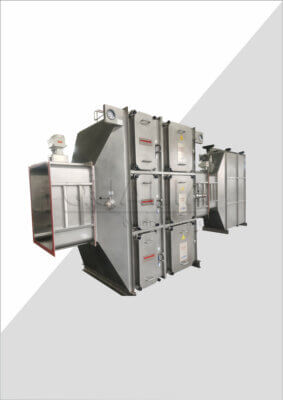
Para los equipos que evalúen los sistemas de filtración HEPA que se mantendrán o se adaptarán a partir de la infraestructura existente, las consideraciones relativas a adaptación de un sistema BIBO a una instalación de bioseguridad ya existente ilustrar cómo la integración de los sistemas de control afecta a la gestión de la presión durante las operaciones de mantenimiento —una categoría de modos de fallo que la evaluación previa al diseño debería abordar de forma explícita—.
Actualización del criterio de decisión «sí/no» para las instalaciones existentes
La decisión de seguir adelante o no con la mejora a un nivel BSL-3 no es, ante todo, una cuestión presupuestaria, sino una valoración de la fiabilidad de los sistemas mecánicos. La contención de nivel BSL-3 depende, desde el punto de vista operativo, de sistemas que deben funcionar de forma constante en condiciones normales, durante los ciclos de descontaminación, en los periodos de mantenimiento y ante situaciones de fallo. La cuestión que determina la viabilidad de la mejora es si los sistemas mecánicos que se mantienen o se modifican pueden cumplir ese estándar de fiabilidad, o si las correcciones necesarias para alcanzar dicho estándar implican concesiones que provocarán inestabilidad operativa a lo largo de la vida útil de la instalación.
El criterio de corregibilidad es el umbral determinante. Las deficiencias individuales —una redundancia inadecuada del sistema de climatización, conjuntos de puertas que no pueden soportar la diferencia de presión bajo carga, acabados superficiales incompatibles con los productos químicos de descontaminación— son, en principio, corregibles por separado. El factor decisivo para aprobar o rechazar la mejora es si la corrección de cada deficiencia produce un resultado mecánicamente integrado, o si las correcciones están aisladas estructuralmente y dejan a la instalación dependiente de soluciones provisionales que funcionan en condiciones normales, pero fallan en los escenarios específicos a los que debe resistir la contención de nivel BSL-3. Una instalación en la que las deficiencias corregidas interactúan entre sí de forma que introducen nuevos modos de fallo no constituye una mejora viable, independientemente de lo abordables que parecieran individualmente cada una de las deficiencias durante la evaluación.
La planificación de contingencias para emergencias es un aspecto que debe revisarse antes de tomar una decisión y que forma parte de la evaluación de «seguir adelante o no», en lugar de aplazarse hasta la fase de preparación operativa. Antes de comprometerse a realizar la mejora, el equipo de la instalación debe poder confirmar que se puede mantener la contención durante fallos en los sistemas de climatización, fallos en los sistemas de monitorización e interrupciones en los sistemas de descontaminación. Si dicha confirmación requiere cambios en la infraestructura de la instalación que aún no se han definido ni presupuestado, dichos cambios deben incluirse en la base de costes de la mejora. Una instalación que no pueda mantener la contención durante fallos previsibles en los sistemas de control no está operativamente preparada para su uso como laboratorio de nivel de seguridad biológica 3 (BSL-3), independientemente de si supera la puesta en servicio en condiciones nominales.
| Factor | Condición para continuar | Disparador de exclusión |
|---|---|---|
| Posibilidad de subsanar las deficiencias críticas de los sistemas mecánicos | Las deficiencias pueden subsanarse sin recurrir a soluciones poco seguras | Las deficiencias no se pueden subsanar, lo que hace que la actualización sea insegura y provoque inestabilidad operativa. |
| Planes de contingencia para situaciones de emergencia | Se han revisado y actualizado los planes para mantener la contención en caso de fallos en los sistemas de control. | Sin planes sólidos para hacer frente a las averías, no se puede garantizar la contención. |
En aquellos proyectos en los que la evaluación de viabilidad concluya que las instalaciones existentes no permiten llevar a cabo una mejora viable sin comprometer la seguridad, conviene optar por un enfoque modular prefabricado, como por ejemplo un laboratorio móvil con módulos BSL-3/BSL-4 — ofrece una vía para alcanzar la capacidad BSL-3 con una lógica de contención coherente a nivel interno y un rendimiento mecánico definido desde el principio, sin heredar las limitaciones de la infraestructura existente.
El factor más fiable para predecir si una actualización a BSL-3 resultará costosa no es ninguna deficiencia concreta de las instalaciones existentes, sino el momento en que se detecta dicha deficiencia en relación con el compromiso de diseño. Una evaluación de viabilidad que analice la capacidad del sistema de climatización, la estanqueidad de las salas, el rendimiento de los cerramientos de las puertas, la compatibilidad de las superficies y el trazado del drenaje antes de incurrir en gastos de diseño sienta unas bases sólidas para decidir si se sigue adelante o no con el proyecto. La misma evaluación realizada una vez que el diseño ya está en marcha arroja los mismos resultados técnicos, pero en un momento en el que actuar en consecuencia implica asumir simultáneamente tanto el coste del diseño como el de la corrección.
Antes de comprometerse con una vía de mejora, las preguntas prácticas previas a la decisión son: ¿Se pueden corregir todas las deficiencias críticas para la contención sin comprometer los aspectos mecánicos de tal forma que se introduzcan modos de fallo? ¿El coste acumulado de la corrección, calculado en su conjunto en lugar de partida por partida, mantiene la lógica económica de mejorar en lugar de construir de nuevo? ¿Y tienen los sistemas mecánicos que se van a conservar un comportamiento definido ante los modos de fallo que permita mantener la contención en los escenarios específicos que les impondrá el funcionamiento en nivel de seguridad biológica 3 (BSL-3)? Si alguna de estas preguntas no puede responderse con seguridad en la fase previa al diseño, esa incertidumbre es el coste de seguir adelante —y se traducirá en un coste del proyecto independientemente de cuándo se reconozca—.
Preguntas frecuentes
P: ¿Qué ocurre si una instalación supera la evaluación de aptitud, pero se produce un fallo en el sistema de control una vez iniciadas las operaciones de nivel de seguridad biológica 3 (BSL-3)?
R: Un solo fallo en el sistema de control puede suspender todas las operaciones de investigación de nivel BSL-3 hasta que se completen las tareas de reparación, incluso en una instalación que haya superado la puesta en servicio en condiciones nominales. El cierre del sistema de monitorización de la ventilación del NEIDL en la Universidad de Boston ilustra este caso: la estructura física estaba en buen estado, pero un fallo en un conmutador de red paralizó por completo las operaciones de contención. Esto significa que los sistemas mecánicos que se mantengan tras una actualización deben evaluarse en cuanto a su comportamiento ante fallos bajo las exigencias operativas del nivel BSL-3, y no solo en cuanto a su estado funcional actual en condiciones de sala limpia. La planificación de contingencias de emergencia debe definirse y presupuestarse antes de comprometerse con el diseño, y no posponerse hasta la fase de operatividad.
P: ¿En qué momento el coste acumulado de la corrección de las diferencias hace que la nueva construcción sea la opción más recomendable?
R: Cuando las deficiencias que pueden abordarse de forma individual se presupuestan en conjunto, en lugar de una por una, la ventaja de capital de la rehabilitación puede verse mermada sin que ninguna deficiencia concreta haya motivado una decisión de rechazo. Una instalación con limitaciones corregibles en el sistema de climatización, problemas de compatibilidad de superficies y restricciones de drenaje puede superar el coste de una nueva construcción una vez que dichas correcciones se presupuestan de forma acumulativa —especialmente cuando se tienen en cuenta los efectos de interacción entre las correcciones—. La nueva construcción también elimina el riesgo de que las concesiones heredadas generen inestabilidad operativa a lo largo de la vida útil de la instalación. La comparación debe realizarse sobre el coste acumulado de las correcciones antes de comprometerse con el diseño, y no de forma secuencial a medida que surgen las deficiencias durante la construcción.
P: ¿Sigue siendo viable una ampliación a nivel BSL-3 si las instalaciones actuales carecen del espacio o de las condiciones estructurales necesarias para vestíbulos de doble puerta y esclusas con control de presión?
R: No; si la superficie ocupada o la disposición estructural actuales no permiten albergar zonas de acceso controlado y cámaras de transición con gestión de presión, la mejora no es viable sin un rediseño importante de los límites. Añadir dos puertas en secuencia no crea una esclusa BSL-3 funcional; la función de contención depende de la gestión de la presión a lo largo de la transición, no del número de esclusas. Si no es posible llevar a cabo un rediseño de los límites dentro de la estructura existente, la deficiencia no se puede corregir de forma aislada y la evaluación de viabilidad debe reflejar que la lógica fundamental de contención no se puede establecer sin cambios que, en la práctica, constituyan una nueva construcción dentro del perímetro del edificio.
P: ¿Cómo debería actuar un equipo de proyecto ante el descubrimiento de restricciones ocultas una vez que ya se han gastado los fondos destinados al diseño?
R: En esa fase, el proyecto ha perdido la flexibilidad necesaria para reorientarse sin tener que asumir simultáneamente tanto los costes de diseño ya incurridos como los costes de corrección —por lo general, en un plazo acelerado que aumenta aún más los gastos—. La consecuencia práctica es que el coste de la corrección surge sin que exista una partida presupuestaria correspondiente. La única medida de mitigación fiable consiste en anticipar la profundidad de la evaluación antes de comprometerse con el diseño: tratar las especificaciones de climatización, la selección de selladores, el inventario de penetraciones y la compatibilidad de superficies como elementos de inspección desde el primer día, en lugar de como confirmaciones en la fase de construcción. Si la disciplina de evaluación se ha visto reducida por la presión de los plazos, el equipo debería, como mínimo, presupuestar de forma acumulativa todas las correcciones identificadas antes de avanzar en el diseño, en lugar de seguir evaluando cada deficiencia de forma aislada.
P: ¿Sigue siendo la mejora a un nivel BSL-3 la opción más adecuada si los sistemas mecánicos de la instalación funcionan, pero están quedando obsoletos?
R: Que un sistema sea funcional y esté envejecido no equivale a que sea fiable en el marco de las exigencias operativas de un BSL-3. La cuestión relevante es si los sistemas envejecidos presentan un comportamiento definido en cuanto a los modos de fallo que permita mantener la contención durante fallos en el control de la climatización, interrupciones en la monitorización y ciclos de descontaminación —y no si funcionan adecuadamente bajo las cargas normales de una sala limpia—. Los sistemas mecánicos que toleran con holgura los fallos de control en el contexto de una sala limpia pueden no mantener la integridad de la contención ante el mismo fallo en un contexto de biocontención. Si no es posible evaluar con certeza los sistemas envejecidos para esos escenarios de fallo específicos, o si llevarlos al nivel de fiabilidad requerido exige correcciones que interactúan con otras correcciones de deficiencias de tal forma que introducen nuevos modos de fallo, la justificación de la actualización se debilita, independientemente de lo funcionales que parezcan los sistemas durante el funcionamiento rutinario.