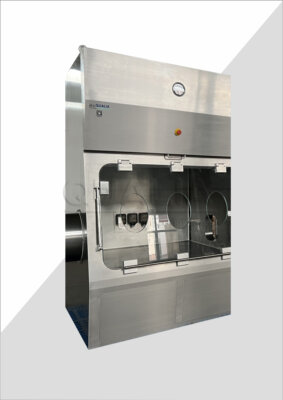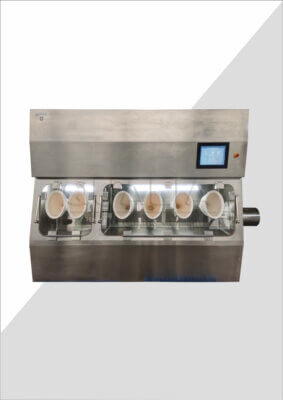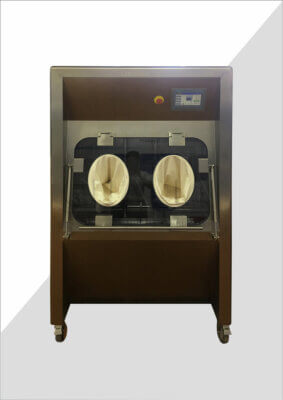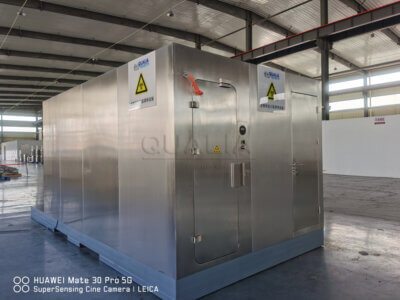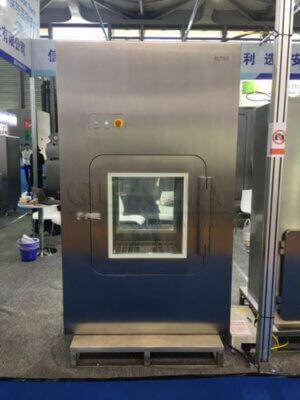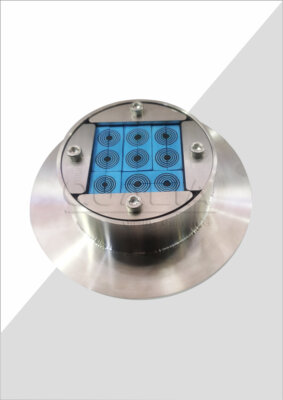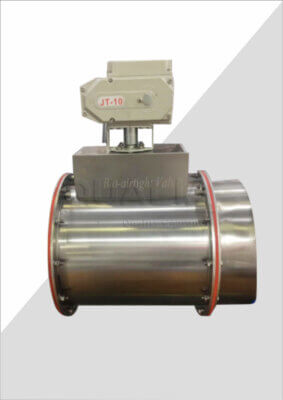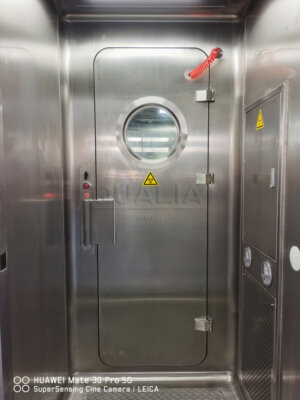
Die Wahl des richtigen Containments für hochwirksame Substanzen ist eine kritische, aber oft zu vereinfachte Entscheidung. Viele Anlagen entscheiden sich standardmäßig für eine binäre Wahl - offene Verarbeitung oder vollständige Isolierung - ohne einen strukturierten, risikobasierten Rahmen. Dies führt entweder zu übermäßigen Kapitalausgaben für übertechnisierte Lösungen oder zu inakzeptablen Expositionsrisiken durch unzureichend geschützte Abläufe. Die eigentliche Herausforderung besteht darin, die technische Kontrolle in jeder Betriebsphase, von der Produktion bis zur Reinigung, genau auf die Toxizität des Stoffes abzustimmen.
Die Zunahme hochwirksamer pharmazeutischer Wirkstoffe (HPAPI) und die strengen Anforderungen überarbeiteter globaler Vorschriften, wie z. B. EU-GMP-Anhang 1, machen diese Präzision unverzichtbar. Eine falsch ausgerichtete Einschließungsstrategie hat jetzt erhebliche finanzielle, regulatorische und gesundheitliche Konsequenzen. Ein systematischer Ansatz, der auf der OEB-Klassifizierung (Occupational Exposure Band) beruht, ist für die Betriebssicherheit und die wirtschaftliche Rentabilität von entscheidender Bedeutung.
Was sind berufsbedingte Expositionsbereiche (OEBs) und OELs?
Definition des risikobasierten Rahmens
Die OEBs (Occupational Exposure Bands) stellen ein abgestuftes Klassifizierungssystem für Substanzen auf der Grundlage ihrer Toxizität dar, das direkt das Niveau der erforderlichen technischen Kontrollen angibt. Jeder Bereich wird durch einen maximal zulässigen Grenzwert für die berufsbedingte Exposition (Occupational Exposure Limit, OEL) definiert - die sichere Konzentration in der Luft für einen 8-Stunden-Arbeitstag. Dieses System ermöglicht einen entscheidenden Wechsel von der simplen Denkweise “eindämmen oder nicht” zu einer modulierten Strategie, bei der die Ausrüstung auf bestimmte Gefahrenstufen abgestimmt wird. Die Einstufung ist häufig mit einer zulässigen Tagesdosis (ADE) verbunden, wobei OEB 5 für Stoffe steht, die eine Kontrolle unter 1 µg/m³ erfordern.
Die strategische Bedeutung der Klassifizierung
Eine genaue OEB-Zuweisung ist der erste grundlegende Schritt in einer risikobasierten Einschließungsphilosophie. Damit wird die Sicherheit von einem verfahrenstechnischen Nachgedanken zu einem technischen Konstruktionsparameter. Laut einer Studie des ISPE Baseline Guide Band 7, Dieser Rahmen ist von zentraler Bedeutung für die Vermeidung von Kreuzkontaminationen in Mehrproduktanlagen. Ein häufiger Fehler besteht darin, sich ausschließlich auf allgemeine Gefahrensätze aus Sicherheitsdatenblättern zu verlassen, anstatt stoffspezifische toxikologische Bewertungen durchzuführen, um einen genauen OEL-Wert abzuleiten. Dieser grundlegende Fehler führt zu einer unangemessenen Auswahl der Ausrüstung.
Vom Band zu verwertbaren Daten
Das OEB/OEL-System schafft eine gemeinsame Sprache für funktionsübergreifende Teams - von EHS über Technik bis hin zum Betrieb. Es quantifiziert das Risiko und ermöglicht so datengestützte Entscheidungen über Investitionen in Containment-Technologie. Wir haben Anlagen, die Ad-hoc-Klassifizierungen verwenden, mit dem OEB-System verglichen und festgestellt, dass letzteres zu einheitlicheren Sicherheitsergebnissen und einer klareren rechtlichen Begründung führt. Die nachstehende Tabelle gibt einen Überblick über die OEB-Standardklassifizierung und stellt die entscheidende Verbindung zwischen gemessener Toxizität und erforderlichen Maßnahmen her.
| OEB-Ebene | Grenzwert für berufsbedingte Exposition (OEL) | Risikokategorie |
|---|---|---|
| OEB 1 | >1000 µg/m³ | Geringes Risiko |
| OEB 2 | 100 - 1000 µg/m³ | Geringes Risiko |
| OEB 3 | 10 - 100 µg/m³ | Mittelgiftig |
| OEB 4 | 1 - 10 µg/m³ | Giftig |
| OEB 5 | <1 µg/m³ | Hochgradig giftig |
Quelle: ISPE-Grundlagenleitfaden Band 7: Risikobasierte Herstellung von pharmazeutischen Produkten. Dieser Leitfaden legt den Rahmen für die risikobasierte Einstufung von Stoffen fest, der direkt in das OEB/OEL-System einfließt, mit dem die notwendigen technischen Kontrollen für eine sichere Handhabung bestimmt werden.
Wie man die OEB-Werte den Lösungen zur Eindämmung anpasst
Die entscheidende Rolle von FMECA
Die Zuordnung einer OEB-Stufe zu einer Anlage erfordert eine formale, prozessweite Risikoanalyse. Eine Fehlermöglichkeits-, Einfluss- und Kritikalitätsanalyse (Failure Mode, Effects, and Criticality Analysis, FMECA) ist die entscheidende Brücke. Sie identifiziert spezifische Expositionspunkte - Pulverbefüllung, Entladung, Probenahme und Reinigung - und ordnet Risikoprioritäten auf der Grundlage von Schweregrad, Auftreten und Nachweisbarkeit zu. Diese Analyse rechtfertigt das erforderliche technische Sicherheitsniveau und stellt sicher, dass die Lösungen für die tatsächliche Betriebsgefahr weder unter- noch überdimensioniert sind. Branchenexperten empfehlen FMECA als nicht verhandelbare Voraussetzung für die Rechtfertigung von Investitionen.
Umsetzung von Risiken in technische Spezifikationen
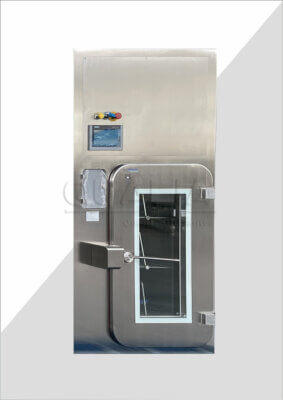
Das Ergebnis der FMECA gibt die technischen Spezifikationen vor. Für OEB 3 kann es staubdichte Konstruktionen mit lokaler Abluft rechtfertigen. Für OEB 4/5 sind Hochsicherheits-Isolatoren mit geschlossenen Transfersystemen vorgeschrieben. Ein leicht zu übersehendes Detail ist, dass die Integrität des Containments nicht in allen Prozessschritten gleich ist; das Risiko während eines Eingriffs zum Entfernen von Beuteln ist höher als während des normalen geschlossenen Betriebs. Die FMECA muss diese Phasen berücksichtigen und die Auswahl von Merkmalen wie geteilten Absperrklappen (SBVs) oder Schnelltransferanschlüssen (RTPs) für bestimmte Aufgaben leiten.
Strategische Rechtfertigung und Kostenanpassung
Eine solide FMECA gewährleistet nicht nur Sicherheit, sondern bringt auch technische Lösungen mit den Unternehmenszielen in Einklang. Sie liefert eine dokumentierte, prüfungsreife Begründung für Kapitalausgaben und zeigt, dass die Investition in eine übergeordnete Eindämmung eine direkte Reaktion auf das quantifizierte Risiko ist. Dies ist besonders wichtig, wenn den Finanzverantwortlichen Budgets vorgelegt werden. Die Analyse verlagert die Diskussion von den Kosten auf den Wert, indem sie die Eindämmung als eine Investition in die betriebliche Zuverlässigkeit, die Einhaltung gesetzlicher Vorschriften und den Schutz der Belegschaft darstellt.
OEB 3-5: Vergleich von Rückhaltestrategien und Ausrüstung
Ein mehrstufiger Ansatz für technische Kontrollen
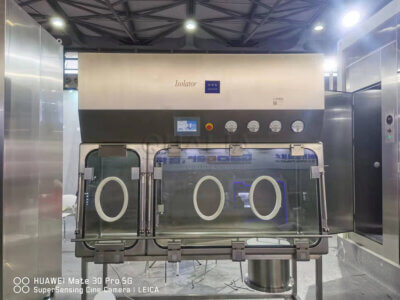
Die Eindämmungsstrategie verschärft sich bei OEB 3, 4 und 5 erheblich. Bei OEB 3 (mittelgiftig) wird in der Regel eine Mischung aus technischen und verfahrenstechnischen Kontrollen eingesetzt, bei denen staubdichte Geräte, ergänzt durch lokale Abluftanlagen und strenge SOPs, verwendet werden. OEB 4 (giftig) erfordert robuste technische Kontrollen als primäre Barriere, z. B. Unterdruckisolatoren mit doppelter HEPA-Filterung der Abluft. OEB 5 (hochgiftig) erfordert ein Total High Containment (THC) mit Handschuhkästen, RTPs und automatischer Reinigung, um die Isolierung des Bedieners sicherzustellen.
Phasenabhängige Integritätsanforderungen
Eine wichtige Erkenntnis ist, dass die Einschließungsleistung phasenabhängig ist. Bei OEB 4 können technische Lösungen den Einschluss während des normalen Betriebs gewährleisten, während der Wartung oder des Filterwechsels jedoch eher auf SOPs und PSA angewiesen sein. Bei OEB 5 muss die Integrität über alle Phasen hinweg aufrechterhalten werden, d. h. Eingriffe müssen über Handschuhöffnungen oder RTPs möglich sein, ohne dass das Containment unterbrochen wird. Diese phasenabhängige Anforderung unterstreicht, dass Risikobewertungen und Budgets von Anlagen die höheren Kosten für die Aufrechterhaltung des Schutzes während produktionsfreier Tätigkeiten berücksichtigen müssen.
Matrix für die Geräteauswahl
Die Wahl der Ausrüstung ist eine direkte Funktion der OEB-Stufe und des Expositionspotenzials des Prozesses. Die folgende Matrix vergleicht die primären Strategien und die wichtigsten technischen Lösungen in den höheren Gefährdungsstufen und bietet einen klaren Ausgangspunkt für die Auswahl.
| OEB-Ebene | Primäre Eindämmungsstrategie | Wichtige technische Lösungen |
|---|---|---|
| OEB 3 | Technische und verfahrenstechnische Kontrollen | Staubdichte Ausrüstung, lokale Absaugung |
| OEB 4 | Robuste technische Kontrollen | Unterdruck-Isolatoren, Dual HEPA |
| OEB 5 | Gesamthöchstgehalte (THC) | Gloveboxen, RTPs, automatische Reinigung |
Quelle: Technische Dokumentation und Industriespezifikationen.
Kostenanalyse: Kapital- vs. Betriebsausgaben für OEB 4/5
Die Gesamtbetriebskostenperspektive
Die Wahl des Containments für hochwirksame Wirkstoffe erfordert eine Analyse der gesamten Lebenszykluskosten und nicht nur eine Bewertung des Anfangskapitals. Eine Strategie, die sich in erster Linie auf PSA und Verwaltungskontrollen (SOPs) stützt, ist mit geringeren Anfangskapitalausgaben (CAPEX) verbunden. Allerdings sind die langfristigen Betriebskosten (OPEX) aufgrund der kontinuierlichen Schulung, der medizinischen Überwachung, der Umweltüberwachung und der mit den Risiken der menschlichen Zuverlässigkeit und potenziellen Ausfallzeiten verbundenen Kosten erheblich höher.
Das Argument für automatisierte technische Lösungen
Im Gegensatz dazu stellt die Investition in automatisierte technische Lösungen wie Isolatoren mit Clean-in-Place (CIP) eine höhere Kapitalinvestition dar. Die Rendite ergibt sich aus der besseren Wiederholbarkeit, dem geringeren Betriebsrisiko, den geringeren Kosten für Verbrauchsmaterialien (z. B. Einwegoveralls, Atemschutzmasken) und den schnelleren Produktwechselzeiten. Dieser OPEX-Vorteil ist angesichts des Kostendrucks bei der Herstellung hochwirksamer generischer Arzneimittel von größter Bedeutung. Betriebliche Effizienz und Anlagendurchsatz werden zu wichtigen Rentabilitätsfaktoren.
Die finanzielle Entscheidung treffen
Der finanzielle Entscheidungsrahmen muss höhere CAPEX gegen langfristige OPEX-Einsparungen und Risikominderung abwägen. In der nachstehenden Tabelle werden die beiden grundlegenden Ansätze gegenübergestellt, um den strategischen Kompromiss zu verdeutlichen.
| Strategie | Investitionsausgaben (CAPEX) | Operative Ausgaben (OPEX) |
|---|---|---|
| Vertrauen in PSA & SOPs | Geringere Erstinvestition | Höhere langfristige Kosten |
| Automatisierte technische Lösungen | Höhere Kapitalinvestitionen | Geringeres operationelles Risiko |
Quelle: Technische Dokumentation und Industriespezifikationen.
Anmerkung: Langfristige OPEX umfassen kontinuierliche Schulung, Überwachung und menschliche Zuverlässigkeitsrisiken.
Validierung der Containment-Leistung zur Einhaltung gesetzlicher Vorschriften
Leistungsnachweis unter simulierten Bedingungen
Die Validierung ist unerlässlich, um nachzuweisen, dass eine Containment-Lösung unter simulierten “Worst-Case”-Betriebsbedingungen den angestrebten OEL-Wert erreicht. Diese Leistungsqualifizierung (PQ) unterstützt die Einhaltung von Normen wie EU-GMP Anhang 1, die eine verifizierte Kontaminationskontrollstrategie vorschreibt. Bei den Tests werden standardisierte Protokolle verwendet, wie z. B. die SMEPAC-Methode, bei der Surrogatmaterialien (z. B. Laktose, Mannitol) und Luftpartikelzähler zur Quantifizierung der Containment-Leistung eingesetzt werden. Ziel ist es, zu überprüfen, ob die Ausrüstung für den vorgesehenen OEB-Bereich geeignet ist.
Minderung des Risikos in der Lieferkette
Da sich der HPAPI-Markt auf globale CDMOs und Partner aufteilt, stellt eine uneinheitliche Validierung ein großes Risiko für die Lieferkette dar. Ein Versagen der Sicherheitsvorkehrungen bei einem Partner kann zu kostspieligen Kreuzkontaminationen, Chargenverlusten und behördlichen Prüfungsfeststellungen für den Zulassungsinhaber führen. Diese Tatsache fördert die Nachfrage nach standardisierten, unternehmensübergreifenden Risikobewertungs- und Gerätezertifizierungsprotokollen. Folglich müssen Unternehmen ihre Partner nicht nur im Hinblick auf GMP, sondern auch auf ihre spezifischen Fähigkeiten und Daten zur Validierung des Containments prüfen.
Das Gebot der Validierungsdokumentation
Das Ergebnis der Validierung ist nicht nur ein bestanden/nicht bestanden-Ergebnis, sondern ein umfassendes Datenpaket. Dazu gehört auch der Nachweis des Erreichens einer bestimmten Einschließungsleistung (z. B. <1 µg/m³ von innen nach außen). Diese Dokumentation ist bei behördlichen Inspektionen und bei der Verlagerung von Produkten zwischen verschiedenen Standorten von entscheidender Bedeutung. Sie liefert den objektiven Nachweis, dass die ausgewählten Hochsicherheits-Isolator für OEB4/OEB5-Anwendungen für den vorgesehenen Verwendungszweck geeignet ist.
Integration von Containment mit Gebäudedesign und HVAC
Eindämmung als Konstruktionsfaktor
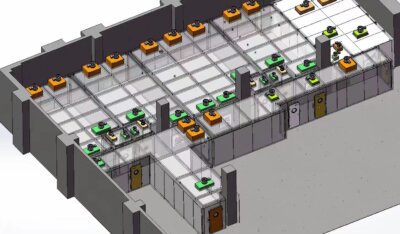
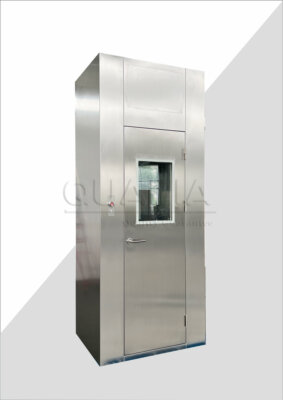
Bei OEB 4/5-Verbindungen bestimmt die Einschließungsstrategie die Gesamtarchitektur der Anlage. In Reinräumen können Unterdruckkaskaden und Schleusen eingesetzt werden, um mögliche Leckagen einzudämmen, während Isolatoren im Inneren die Produktsterilität mit Überdruck aufrechterhalten. HLK-Systeme erfordern eine spezielle Zoneneinteilung mit HEPA-Filterung der Abluft und häufig Redundanz, um die externe Umgebung zu schützen. Diese Integration muss bereits in der frühesten Konzeptionsphase geplant werden.
Lösung von Herausforderungen der Dual-Compliance
Am komplexesten ist diese Integration bei Produkten wie Radiopharmazeutika, die eine einzigartige Herausforderung für die Einhaltung von zwei Standards darstellen. Sie erfordern gleichzeitig eine strenge aseptische Verarbeitung (gemäß USP <825>) und Hochsicherheitsbereich für potente Verbindungen. Die Lösung besteht darin, Isolatoren oder heiße Zellen in klassifizierten Reinräumen (z. B. ISO 7 oder besser) unterzubringen. Diese Konstruktion löst widersprüchliche Anforderungen wie die Aufrechterhaltung von Druckunterschieden im Reinraum, während der Isolator unter Unterdruck arbeitet. Die ISO 14644-1:2015 Norm liefert die grundlegende Klassifizierung für diese kontrollierten Umgebungen.
Die Notwendigkeit einer frühzeitigen Zusammenarbeit
Diese Komplexität erfordert eine frühzeitige, integrierte Zusammenarbeit zwischen Containment-Ingenieuren, Reinraumdesignern, Sterilitätsexperten und HLK-Spezialisten. Ein isolierter Ansatz führt zu kostspieligen Umgestaltungen und Kompromissen. Die nachstehende Tabelle fasst die wichtigsten Abhängigkeiten zwischen den Konstruktionen für hochgefährliche Anwendungen zusammen.
| Gestaltungselement | Anforderung für OEB 4/5 | Beispielanwendung |
|---|---|---|
| Druck im Reinraum | Zonen mit Unterdruck | Platzierung des radiopharmazeutischen Isolators |
| HVAC-Filterung | HEPA auf Abluft | Spezielles Gebiet für die Eindämmung |
| Architektur der Einrichtung | Frühzeitige integrierte Zusammenarbeit | Lösen von Konflikten mit der Sterilität |
Quelle: ISO 14644-1:2015 Reinräume und zugehörige kontrollierte Umgebungen. In dieser Norm werden Reinraumklassifizierungen und Grenzwerte für luftgetragene Partikel festgelegt, die für die Gestaltung von kontrollierten Umgebungen und HLK-Systemen, die in Hochsicherheitsanlagen integriert sind, von grundlegender Bedeutung sind.
Wartung und Reinigung von Hochsicherheits-Isolatoren
Operative Phasen mit hohem Risiko
Wartung und Reinigung sind kritische, risikoreiche Phasen, in denen die Integrität des Containments nicht beeinträchtigt werden darf. Das Ziel von OEB 5 ist es, alle Eingriffe - Filterwechsel, Teileaustausch, Reinigung - zu ermöglichen, ohne das Containment zu zerstören. Dies wird durch Konstruktionsmerkmale wie Handschuhöffnungen, Bag-in/Bag-out (BIBO)-Filtergehäuse und RTPs für den Werkzeug- und Teiletransfer erreicht. Verfahrenskontrollen allein sind auf dieser Ebene unzureichend; die technischen Kontrollen müssen die sichere Wartung unterstützen.
Die Rolle der automatisierten Dekontamination
Die automatische Dekontamination ist für Hochsicherheits-Isolatoren unerlässlich. Wash-in-Place (WIP)-Systeme reinigen die Innenflächen, während verdampftes Wasserstoffperoxid (VHP) oder andere gasförmige Methoden für die Bio-Dekontamination sorgen. Diese automatisierten Zyklen gewährleisten Wiederholbarkeit, eliminieren die Exposition des Bedieners während der Reinigung und liefern validierte Protokolle für die Einhaltung von Vorschriften. Ein leicht zu übersehendes Detail ist die Notwendigkeit, sicherzustellen, dass das Dekontaminationsmittel und der Zyklus tatsächlich alle Innenflächen erreichen, auch unter den Regalen und in den Ventilen.
Die Verlagerung zur Anbieterpartnerschaft
Die Komplexität dieser Verfahren macht es erforderlich, dass die Gerätehersteller über fundiertes Fachwissen verfügen. Pharmazeutische Unternehmen verlassen sich zunehmend auf diese Anbieter als strategische Partner für die Entwicklung integrierter Lösungen, Wartungsprotokolle und Lebenszyklusunterstützung, und nicht nur als Anlagenlieferanten. Die Auswahl eines Anbieters, der eine starke Unterstützung bei der Anwendungstechnik und Validierung bietet, ist daher eine wichtige strategische Entscheidung, die sich auf den langfristigen betrieblichen Erfolg auswirkt.
Die Auswahl des richtigen Containments: Ein Entscheidungsrahmen
Ein strukturierter vierstufiger Prozess
Ein umfassender Entscheidungsrahmen beginnt mit einer genauen OEB-Klassifizierung auf der Grundlage toxikologischer Daten. Schritt zwei ist eine prozessspezifische FMECA zur Identifizierung und Priorisierung von Expositionsrisiken in allen Betriebsphasen. Im dritten Schritt werden die verschiedenen Ausrüstungsoptionen - staubdicht, erweitert oder totaler Hochsicherheitsschutz - anhand der Ergebnisse der FMECA bewertet. Im letzten Schritt werden die Gesamtbetriebskosten betrachtet, wobei höhere Kapitalinvestitionen gegen langfristige Betriebs-, Schulungs- und Risikominderungsausgaben abgewogen werden.
Einbeziehung von Überlegungen zur Zukunftssicherheit
Mit Blick auf die Zukunft schafft der Übergang der Branche zur quantifizierten Risikoanalyse die Datengrundlage für fortschrittliche Tools. Digitale Zwillinge und KI-gesteuerte Modellierung werden schon bald Expositionsszenarien simulieren und Containment-Designs in silico optimieren und so von der statischen Analyse zum dynamischen Risikomanagement übergehen. Wenn ein Unternehmen heute in eine gründliche digitale Prozessdokumentation und Datenerfassung investiert, ist es in der Lage, diese künftigen Innovationen zu nutzen und sowohl die Sicherheit als auch die betriebliche Effizienz zu verbessern.
Abschluss der Auswahl
Das Ergebnis dieses Rahmens ist eine vertretbare, optimierte Containment-Spezifikation, die ein Gleichgewicht zwischen Sicherheit, Compliance und Kosten herstellt. Es stellt sicher, dass die gewählte Lösung in einem angemessenen Verhältnis zum Risiko steht, gegenüber den Aufsichtsbehörden gerechtfertigt ist und mit den Geschäftszielen für Effizienz und Skalierbarkeit übereinstimmt. Durch diesen strukturierten Ansatz wird Containment von einem Kostenfaktor für die Einhaltung von Vorschriften in einen strategischen Vorteil umgewandelt.
Die wichtigsten Entscheidungspunkte hängen von einer präzisen Gefahrenklassifizierung, einer phasengerechten Risikobewertung (FMECA) und einer Analyse der Gesamtbetriebskosten ab. Bevorzugen Sie Lösungen, die die Integrität während aller Betriebsphasen aufrechterhalten, nicht nur während der Produktion, und wählen Sie Anbieterpartner auf der Grundlage integrierter Supportfähigkeiten aus, nicht nur auf der Grundlage von Gerätespezifikationen.
Benötigen Sie professionelle Hilfe, um diesen Entscheidungsrahmen für den Umgang mit hochwirksamen Substanzen zu bewältigen? Die Experten von QUALIA sind darauf spezialisiert, OEB-Klassifizierungen in optimierte, validierte Einschließungsstrategien zu übersetzen. Wenden Sie sich an unser Ingenieurteam, um Ihre spezifische Anwendung und Herausforderung zu besprechen. Sie können uns auch direkt erreichen unter mailto:[email protected] für eine vertrauliche Beratung.
Häufig gestellte Fragen
F: Wie begründen wir die für unser OEB-3- oder OEB-4-Verfahren benötigte spezifische Eindämmungsstufe?
A: Sie müssen eine formelle, prozessweite Risikoanalyse wie eine Fehlermöglichkeits-, Einfluss- und Kritikalitätsanalyse (FMECA) durchführen. Diese Methode identifiziert jeden potenziellen Gefährdungspunkt, von der Materialbeschickung bis zur Reinigung, und weist Risikoprioritäten auf der Grundlage Ihrer spezifischen Abläufe zu. Das Ergebnis der FMECA liefert die dokumentierte Rechtfertigung für Ihre technischen Kontrollen. Das bedeutet, dass Ihr Investitionsantrag für einen Isolator anstelle einer staubdichten Konstruktion durch diese Analyse gestützt werden sollte, um sicherzustellen, dass die Lösung der tatsächlichen Gefahr entspricht und eine Über- oder Unterplanung vermieden wird.
F: Was ist der wichtigste Kostenausgleich zwischen verfahrenstechnischer und technischer Eindämmung für OEB 4/5-Verbindungen?
A: Der Hauptkonflikt besteht zwischen geringeren Anfangsinvestitionen und höheren langfristigen Betriebskosten. Wenn man sich hauptsächlich auf strenge SOPs und PSA verlässt, werden die Anfangsinvestitionen reduziert, aber es entstehen laufende Kosten für Schulungen, Umweltüberwachung und das Management menschlicher Zuverlässigkeitsrisiken. Automatisierte technische Lösungen wie Isolatoren mit Clean-in-Place erfordern einen höheren Kapitalaufwand, bieten aber ein geringeres Betriebsrisiko, eine bessere Wiederholbarkeit und geringere langfristige Kosten. Bei Projekten, bei denen betriebliche Effizienz und schnelle Produktwechsel entscheidend für die Rentabilität sind, sollten Sie den höheren Kapitalinvestitionen in automatisierte Containment-Lösungen den Vorzug geben.
F: Wie lässt sich überprüfen, ob eine Containment-Lösung tatsächlich den angestrebten OEL-Wert zur Einhaltung der Vorschriften erfüllt?
A: Die Validierung erfordert die Prüfung der Geräte unter simulierten Worst-Case-Betriebsbedingungen mit standardisierten Protokollen, wie z. B. der SMEPAC-Methode. Dies beweist, dass das System die Exposition unter dem OEL für das entsprechende OEB-Band halten kann, was für die Einhaltung von Normen wie EU-GMP Anhang 1. Wenn Ihre Lieferkette mehrere Partner umfasst, müssen Sie deren spezifische Fähigkeiten zur Validierung des Containments und nicht nur die allgemeine GMP-Konformität prüfen, um Kreuzkontaminationen und Auditfehler im gesamten Netzwerk zu vermeiden.
F: Worin besteht die entscheidende Herausforderung bei der Planung einer Anlage zur Einschließung von OEB-5-Radiopharmaka?
A: Die größte Herausforderung besteht in der gleichzeitigen Einhaltung widersprüchlicher Standards für Aseptik und High-Containment. Sie müssen ein System entwerfen, das die Produktsterilität in einem klassifizierten Reinraum aufrechterhält und gleichzeitig eine vollständige physische Isolierung für die hochtoxische Verbindung bietet. Die typische Lösung besteht darin, Isolatoren oder heiße Zellen innerhalb des Reinraums zu platzieren, um die widersprüchlichen Druckdifferenzanforderungen zu erfüllen. Dies erfordert eine frühzeitige Zusammenarbeit zwischen Containment-, Sterilitäts- und Strahlenschutzexperten, was zu komplexeren und kostspieligeren Anlagenkonstruktionen führt, die von Anfang an geplant werden müssen.
F: Warum ist die Auswahl des Lieferanten für die Wartung von Hochsicherheits-Isolatoren strategischer?
A: Wartung und Reinigung von OEB 5-Isolatoren sind risikoreiche Tätigkeiten, die ein umfassendes technisches Fachwissen erfordern, das zunehmend bei den Geräteherstellern selbst vorhanden ist. Unternehmen verlassen sich heute nicht nur bei der Lieferung von Geräten, sondern auch bei der Entwicklung integrierter Lösungen und validierter Wartungsprotokolle auf ihre Lieferanten. Die Auswahl eines Anbieters mit starker anwendungstechnischer Unterstützung ist daher eine wichtige strategische Entscheidung. Das bedeutet, dass Ihre Bewertungskriterien stark auf die Fähigkeit des Anbieters abstellen sollten, eine kontinuierliche technische Partnerschaft und Protokollunterstützung zu bieten, und nicht nur auf die ursprünglichen Gerätespezifikationen.
F: Wie berücksichtigt ein Entscheidungsrahmen für die Auswahl des Containments die Gesamtkosten?
A: Ein effektiver Rahmen wendet eine Gesamtkostenbetrachtung an, bei der die verschiedenen Ausrüstungsoptionen unter Berücksichtigung aller Betriebsphasen bewertet werden. Dabei werden die höheren Kapitalinvestitionen für automatisierte Lösungen gegen die langfristigen Ausgaben für manuelle Tätigkeiten, kontinuierliche Schulungen und Risikominderung abgewogen. Diese Analyse ist die Grundlage für einen risikobasierten Ansatz zur Vermeidung von Kreuzkontaminationen, wie er in Ressourcen wie dem ISPE Baseline Guide Band 7. Bei Betrieben, die unter Kostendruck durch generische HPAPIs stehen, sollte der Rahmen Lösungen den Vorrang geben, die die betriebliche Effizienz steigern und Umrüstungsausfallzeiten reduzieren, um die Rentabilität zu schützen.
F: Welche Reinraumnorm ist die Grundlage für die Implementierung von Umweltkontrollen für bestimmte OEB-Stufen?
A: ISO 14644-1:2015 ist die grundlegende internationale Norm. Sie klassifiziert die Luftreinheit in Reinräumen auf der Grundlage der Konzentration luftgetragener Partikel und definiert Klassen wie die ISO-Klasse 5. Diese Klassifizierungen stehen in direktem Zusammenhang mit den Umweltkontrollen, die für die Handhabung von Stoffen auf verschiedenen OEB-Stufen erforderlich sind. Das bedeutet, dass Ihre Anlagenplanung für die OEB 4/5-Verarbeitung die Containment-Strategie mit der in dieser Norm festgelegten Reinraumklassifizierung verbinden muss, um eine kontrollierte Umgebung zu gewährleisten.
Verwandte Inhalte:
- Wie Sie den richtigen OEB-Isolator auswählen: Experten-Leitfaden
- OEB Containment-Systeme für die pharmazeutische Produktion: Vollständiger Leitfaden für die Implementierung 2025 von der Auswahl der Stufe bis zur Validierung
- 5 häufige OEB-Isolator-Fehler und wie man sie vermeidet
- OEB-Isolatoren in der pharmazeutischen Produktion: Leitfaden
- OEB Isolator ROI: Umfassende Kosten-Nutzen-Analyse
- Fortschritte in der OEB4- und OEB5-Isolatortechnologie
- Sicherstellung der Konformität: OEB4- und OEB5-Normen für Isolatoren
- Welche Einschließungsstufe bietet ein OEB5-Isolator?
- Biosicherheits-Isolatoren OEB4/OEB5: Vollständiger Schutzleitfaden