
Die Wahl der richtigen Reinraumklassifizierung für pharmazeutische Verpackungen ist eine wichtige betriebliche und finanzielle Entscheidung. Ein Missverhältnis zwischen dem Risikoprofil Ihres Produkts und der gewählten ISO-Klasse kann zur Nichteinhaltung gesetzlicher Vorschriften, Produktkontamination und untragbaren Betriebskosten führen. Die Entscheidung zwischen ISO 7 und ISO 8 ist nicht nur eine technische, sondern auch eine grundlegende Geschäftsstrategie, die sich auf Qualität, Effizienz und Skalierbarkeit auswirkt.
Diese Entscheidung wird immer dringlicher, da die gesetzlichen Vorschriften immer strenger werden und sich die Anforderungen an die Lieferkette weiterentwickeln. Ein vorgefertigter modularer Ansatz bietet Flexibilität, aber das Verständnis der Hauptunterschiede in Bezug auf Luftstrom, Kosten und Konformität zwischen diesen beiden Klassen ist entscheidend für den Bau einer Anlage, die Ihr Produkt und Ihren Gewinn schützt.
ISO 7 vs. ISO 8: Definition des Kernpartikels und ACH-Unterschiede
Die grundlegende Leistungskennzahl
Der Hauptunterschied zwischen ISO 7- und ISO 8-Reinräumen wird durch die maximal zulässige Konzentration luftgetragener Partikel definiert. Gemäß ISO 14644-1: Klassifizierung der Luftreinheit, ISO 7 erlaubt maximal 352.000 Partikel (≥0,5µm) pro Kubikmeter. ISO 8 erlaubt das Zehnfache dieser Konzentration: 3.520.000 Partikel. Dieser Unterschied in der Größenordnung schafft eine klare Trennung zwischen risikoreichen und risikoärmeren Tätigkeiten und ermöglicht eine präzise Kapitalzuweisung.
Der Motor der Sauberkeit: Luftwechselraten
Um diese Partikelzahlen zu erreichen, ist die erforderliche Luftwechselrate (ACH) sehr unterschiedlich. Eine ISO-7-Umgebung erfordert in der Regel 40 bis 60 Luftwechsel pro Stunde, während ein ISO-8-Raum mit 15 bis 25 ACH auskommt. Dieser dreifache Unterschied im Luftaustausch ist der direkte Faktor für die betriebliche Belastbarkeit. Die höhere Luftwechselrate in einem ISO-7-Raum sorgt für eine schnellere Verdünnung und Entfernung von Verunreinigungen, was die Erholungszeit nach Störfällen drastisch verkürzt. Bei unserer Analyse der Anlagenleistung haben wir festgestellt, dass sich ein ordnungsgemäß ausgelegter ISO-7-Raum innerhalb von Minuten von einer Türöffnung erholen kann, während ein unterspezifiziertes System mehr als eine Viertelstunde braucht, was einen erheblichen betrieblichen Engpass darstellt.
Regulatorische Angleichung und Risikoprofil
Dieser Leistungsunterschied steht in direktem Zusammenhang mit den Erwartungen der Behörden und dem Kontaminationsrisiko. ISO 7 entspricht den Anforderungen der EU-GMP-Klasse C (in Ruhe), während ISO 8 der Klasse D entspricht. Die Auswahl bestimmt im Wesentlichen das Niveau des Produktschutzes und ist damit die erste und wichtigste Spezifikation in Ihrem Design-Brief.
| Parameter | ISO 7 | ISO 8 |
|---|---|---|
| Maximale Partikelanzahl (≥0,5µm/m³) | 352,000 | 3,520,000 |
| Typische Luftwechselrate (ACH) | 40 - 60 | 15 - 25 |
| Relatives Kontaminationsrisiko | Hoch | Unter |
| Angleichung der Rechtsvorschriften (EU GMP) | Grad C (in Ruhe) | Note D |
Quelle: ISO 14644-1: Klassifizierung der Luftreinheit. Diese Norm definiert die maximal zulässige Partikelkonzentration für jede ISO-Klasse und liefert die grundlegenden Leistungskriterien für die Klassifizierung und Gestaltung von Reinräumen.
Kostenvergleich: Kapital-, Betriebs- und Gesamtbetriebskosten
Aufschlüsselung der Investitionsausgaben
Die Anfangsinvestition für ein vorgefertigtes ISO 7-Modul ist höher, was auf ein robusteres HLK-System und eine größere HEPA-Filterabdeckung zurückzuführen ist. Bei ISO 7 müssen die HEPA-Filter in der Regel 7-15% der Deckenfläche abdecken, um den erforderlichen Luftwechsel und die Luftverteilung zu erreichen. Im Gegensatz dazu erfordert ein ISO-8-System ein kleineres, weniger leistungsstarkes HLK-Gerät und eine geringere Filterabdeckung. Durch modulare Vorfertigung lassen sich zwar einige Baukosten standardisieren und senken, doch die grundlegenden mechanischen Anforderungen für die höhere Klasse erfordern einen größeren Kapitalaufwand.
Der vorherrschende Kostentreiber: Betriebliche Energie
Das wichtigste finanzielle Unterscheidungsmerkmal ist der Energieverbrauch im Betrieb. Die Anforderung von 60 ACH gegenüber 20 ACH führt zu einer dauerhaften, erheblichen Belastung des HLK-Systems. Diese Energiebelastung wird oft zum größten Posten im laufenden Betriebsbudget der Einrichtung. Ein häufiges Versäumnis ist es, sich ausschließlich auf die Investitionskosten zu konzentrieren; der niedrigste Kaufpreis kann dazu führen, dass die höchsten langfristigen Betriebskosten anfallen, wodurch alle anfänglichen Einsparungen innerhalb weniger Jahre zunichte gemacht werden.
Durchführung einer Analyse der Gesamtbetriebskosten (Total Cost of Ownership)
Eine strategische TCO-Analyse ist nicht verhandelbar. Sie muss die Energiekosten, die Filteraustauschzyklen und den Wartungsaufwand über einen Zeitraum von 10-15 Jahren modellieren. Diese Analyse zeigt oft, dass die höhere Effizienz und Belastbarkeit eines ordnungsgemäß spezifizierten ISO-7-Moduls zwar im Vorfeld teurer ist, aber ein besseres finanzielles Ergebnis liefert als ein unterdimensioniertes ISO-8-System, das um die Aufrechterhaltung der Bedingungen kämpft.
| Kostenfaktor | ISO 7 | ISO 8 |
|---|---|---|
| Kapitalkosten (HVAC/HEPA) | Höher | Unter |
| HEPA-Filter-Abdeckung | 7 - 15% der Decke | Geringerer Prozentsatz |
| Betriebliche Energiekosten | Hoch (60 ACH) | Niedriger (20 ACH) |
| Gesamtbetriebskosten | Höhere langfristige | Langfristig niedriger |
Quelle: Technische Dokumentation und Industriespezifikationen.
Luftstrommuster im Vergleich: Laminar vs. Turbulent für jede Klasse
Die Norm: Nicht-unidirektionale (turbulente) Strömung
Sowohl in ISO 7- als auch in ISO 8-Reinräumen wird für die allgemeine Raumklimatisierung in erster Linie ein ungerichteter oder turbulenter Luftstrom verwendet. HEPA-gefilterte Luft wird über Deckenluftdurchlässe oder Fan Filter Units (FFUs) zugeführt, mit der Raumluft vermischt, um Verunreinigungen zu verdünnen, und durch niedrige Wandabzüge abgeleitet. Der entscheidende Unterschied ist die Intensität: ISO 7 erfordert eine höhere Luftgeschwindigkeit und eine strategischere Platzierung der Auslässe, um die strengen Partikelzahlen zu erreichen. Dieses Design unterliegt den Grundsätzen der ISO 14644-4: Planung, Bau und Inbetriebnahme, die die Anforderungen für die Erreichung und Aufrechterhaltung der Sauberkeit durch den Luftstrom umreißt.
Integration von kritischen Zonen in die laminare Strömung
Für kritische Verpackungsschritte innerhalb eines ISO-7-Raums - wie z. B. Abfüll- oder Versiegelungsstationen - ist eine lokalisierte Haube mit unidirektionaler (laminarer) Luftströmung, in der Regel der ISO-Klasse 5, vorgeschrieben. Dadurch wird eine geschützte Zone im Hintergrund des Reinigers geschaffen. In einer ISO 8-Umgebung für Sekundärverpackungen ist ein solcher lokaler Schutz normalerweise nicht erforderlich. Die Strategie der Zoneneinteilung ist von grundlegender Bedeutung; sie ermöglicht einen gezielten Schutz dort, wo das Risiko am größten ist, ohne die unerschwinglichen Kosten für einen ganzen Raum mit laminarer Strömung.
Designstrategie und Anwendung
Die Luftströmung muss daher anwendungsspezifisch gestaltet werden. Ein ISO-7-Layout ist häufig eine Mischform, bei der turbulente Strömung für die allgemeine Raumkonditionierung mit Bänken mit laminarer Strömung für produktkritische Vorgänge kombiniert wird. Bei einem ISO 8-Design liegt der Schwerpunkt auf einer gleichmäßigen, effektiven turbulenten Strömung im gesamten Bereich. Branchenexperten empfehlen, zunächst die Punkte der Partikelentstehung in Ihrem Prozessablauf zu kartieren; diese Karte sollte die Platzierung und Art des Luftstromschutzes direkt beeinflussen.
| Aspekt | ISO 7 | ISO 8 |
|---|---|---|
| Primäres Luftstrommuster | Nicht-unidirektional (turbulent) | Nicht-unidirektional (turbulent) |
| Luftgeschwindigkeit und Reichweite | Höhere Intensität | Standard-Intensität |
| Kritische Prozesszonen | Haube mit laminarer Strömung (ISO 5) | Normalerweise nicht erforderlich |
| Design-Strategie | Zonierung im Raum | Allgemeine Raumkonditionierung |
Quelle: ISO 14644-4: Planung, Bau und Inbetriebnahme. Diese Norm enthält wesentliche Hinweise zu Luftströmungsmustern, Druckbeaufschlagung und Zonierungsstrategien, die für das Erreichen und Aufrechterhalten der erforderlichen Reinheitsklasse entscheidend sind.
Welche Reinraumklasse ist für Ihr pharmazeutisches Produkt besser geeignet?
Entscheidung durch Produktkritikalität getrieben
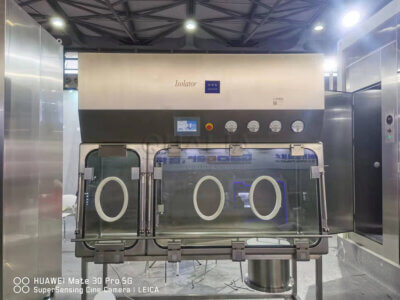
Die optimale Klassifizierung richtet sich nach den Sterilitätsanforderungen und dem Patientenrisiko, das mit Ihrem Produkt verbunden ist. Für sterile Produkte, bei denen der primäre Behälter versiegelt ist (z. B. bei der Abfüllung von Fläschchen oder der Montage von Spritzen), ist ein ISO-7-Hintergrund durch folgende Vorschriften vorgeschrieben EU-GMP Anhang 1. Sie wird auch als Hintergrundumgebung für Isolatoren für die aseptische Verarbeitung und für die Handhabung empfindlicher, nicht steriler Produkte wie hochwirksamer Verbindungen benötigt, bei denen eine Kreuzkontamination ein Problem darstellt.
Anwendungen für ISO 8-Umgebungen
ISO 8 eignet sich für Tätigkeiten mit geringerem Risiko. Dazu gehören die Sekundärverpackung fester oraler Dosen (Tabletten, Kapseln in Flaschen/Blistern) und die Etikettierung nicht steriler Produkte. Sie dient als kontrollierte Umgebung, die die Partikelbelastung reduziert, aber nicht die gleichen Anforderungen an die Sterilität stellt. Die Wahl von ISO 8 für geeignete Anwendungen ist eine gute Strategie zur Kostenkontrolle.
Lieferkette und Auswirkungen auf den Wettbewerb
Diese Entscheidung hat Auswirkungen auf andere Bereiche. Ein Hersteller von Medizinprodukten, der für die Endmontage ISO 7 verlangt, verlangt dies oft auch von seinen Zulieferern. Die Klassifizierung Ihres Reinraums kann somit zu einem wichtigen Unterscheidungsmerkmal für die Auftragsvergabe von Verpackungs- oder Fertigungsarbeiten werden. Bei der Entscheidung müssen das absolute Kontaminationsrisiko und die Betriebs- und Investitionskosten gegeneinander abgewogen werden, wobei die behördlichen Anforderungen die nicht verhandelbare Grundlage bilden.
| Produkt-/Verfahrenstyp | Empfohlene ISO-Klasse | Hauptbegründung |
|---|---|---|
| Primärverpackung steriler Produkte | ISO 7 | Obligatorisch für verschlossene Behälter |
| Sekundärverpackung (feste orale Dosen) | ISO 8 | Geeignet für geringeres Risiko |
| Hintergrund für aseptische Isolatoren | ISO 7 | Erforderlich durch rechtliche Rahmenbedingungen |
| Handhabung potenter Verbindungen | ISO 7 | Schützt vor sensiblen APIs |
Quelle: EU-GMP-Anhang 1: Herstellung von sterilen Arzneimitteln. Diese Richtlinie schreibt spezifische Umweltklassen für verschiedene sterile Herstellungsprozesse vor, die sich direkt auf die Wahl der Reinraumklasse für pharmazeutische Verpackungen auswirken.
Wichtige Design- und Compliance-Faktoren für vorgefertigte Module
Integrierte Systeme jenseits der Partikelzählung
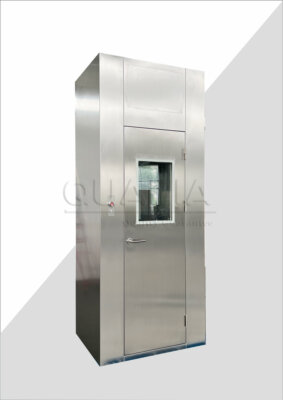
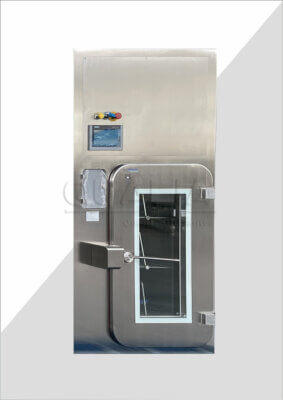
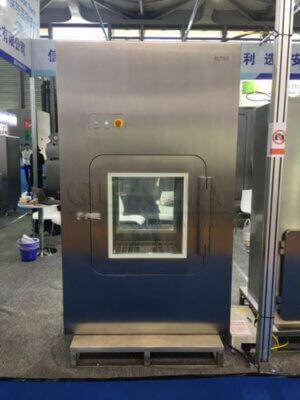
Der Entwurf eines konformen vorgefertigten Reinraums erfordert die Integration mehrerer kritischer Systeme. Die HEPA-Filterung muss nahtlos in die Decken- oder Wandpaneele integriert werden. Der Materialtransfer muss über verriegelte Durchgangskammern erfolgen, um die Druckintegrität zu gewährleisten. Am wichtigsten ist, dass eine geeignete Schleuse zum Einkleiden für ISO 7 unverzichtbar ist; ohne sie wird das Eindringen von Personal zu einem wichtigen Kontaminationsvektor und die Wiederherstellungszeit steigt in die Höhe.
Navigieren in der Regulierungslandschaft
Die Komplexität der Einhaltung ergibt sich aus sich überschneidenden Normen. Während die ISO 14644 die Grundlage für die Klassifizierung bildet, müssen pharmazeutische Betriebe gleichzeitig den EU-GMP-Anhang 1, die FDA-Richtlinien für die aseptische Verarbeitung und die einschlägigen USP-Kapitel erfüllen. Der effizienteste Ansatz besteht darin, von Anfang an die strengste Kombination aller geltenden Normen zu berücksichtigen. So lassen sich spätere kostspielige Nachrüstungen und Neuqualifizierungen vermeiden. Moderne vorgefertigte Module werden zunehmend mit Blick auf diese globale Harmonisierung konzipiert.
Von der Überwachung zur Intelligenz
Die Umweltüberwachung entwickelt sich weiter. Die Verlagerung geht von der passiven Datenerfassung für die Einhaltung der Vorschriften hin zu aktiven, integrierten Systemen, die Risikoinformationen liefern. Partikelzähler, Differenzdrucksensoren und Temperatur-/Heizungsmonitore werden in Echtzeit in ein zentrales Gebäudemanagementsystem (BMS) eingespeist. Dies ermöglicht ein vorausschauendes Eingreifen, z. B. die Warnung vor einer Filterbelastung, bevor diese ausfällt, und verwandelt die Überwachung in eine proaktive Komponente der Kontaminationskontrollstrategie (CCS).
Anforderungen an Installation, Validierung und fortlaufende Wartung
Beschleunigte Bereitstellung mit Vorfertigung
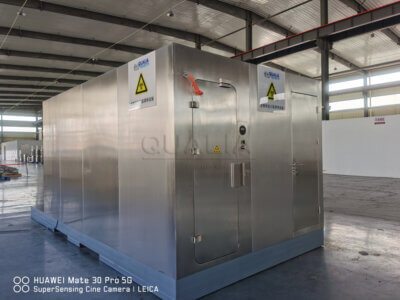
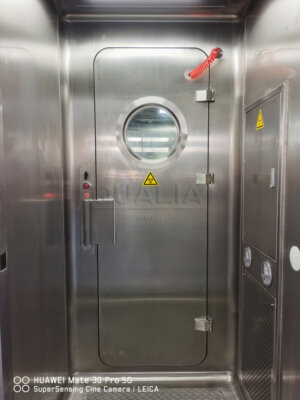
Ein Hauptvorteil eines vorgefertigten modularen Reinraums ist die schnelle Bereitstellung. Vorgeprüfte Paneele, integrierte Versorgungseinrichtungen und vormontierte Komponenten ermöglichen die Installation und Inbetriebnahme innerhalb von Wochen, nicht Monaten. Dieser beschleunigte Zeitplan kann ein entscheidender strategischer Vorteil sein, da die Produkte schneller auf den Markt kommen und die Kapitalrendite verbessert wird. Der mobiles BSL-3/4-Modul-Labor ist ein Beispiel für dieses schlüsselfertige Konzept, mit dem eine hochgradige Eindämmung schnell in Betrieb genommen werden kann.
Der Lebenszyklus der Validierung (IQ/OQ/PQ)
Nach der Installation muss die Anlage einer strengen Validierung unterzogen werden. Bei der Installationsqualifizierung (IQ) wird überprüft, ob alle Komponenten korrekt installiert wurden. Die Betriebsqualifizierung (OQ) beweist, dass die Systeme in den vorgesehenen Bereichen wie angegeben funktionieren. Bei der Leistungsqualifizierung (PQ) wird nachgewiesen, dass der Raum seine klassifizierten Parameter (Partikelzahl, ACH, Druck, Rückgewinnung) unter simulierten oder tatsächlichen Betriebsbedingungen konstant einhält. Dieser Lebenszyklus wird in Anleitungen wie den folgenden beschrieben FDA-Leitfaden für die Industrie: Sterile Arzneimittelprodukte, die durch aseptische Verarbeitung hergestellt werden.
Nachhaltige Leistung
Die laufende Wartung besteht hauptsächlich aus der Integritätsprüfung der HEPA-Filter (in der Regel jährlich) und deren Austausch, der Wartung des HLK-Systems und der Kalibrierung der Überwachungsgeräte. Das integrierte BMS wandelt diese Wartung von einem festen Zeitplan in ein zustandsabhängiges, vorausschauendes Modell um. Dieser datengesteuerte Ansatz minimiert die Ausfallzeiten und verringert das Risiko von Chargenausfällen aufgrund von Umweltveränderungen.
| Phase | Haupttätigkeit | Typischer Zeitplan / Häufigkeit |
|---|---|---|
| Einrichtung | Vorgefertigte Modulbereitstellung | Wochen (nicht Monate) |
| Validierung | IQ/OQ/PQ für Parameter | Anforderung nach der Installation |
| Laufende Wartung | Prüfung der Integrität von HEPA-Filtern | Geplant, datengesteuert |
| Überwachung | Kontinuierliche Umweltüberwachung | 24/7 Betrieb |
Quelle: FDA-Leitfaden: Sterile Arzneimittelprodukte, die durch aseptische Verarbeitung hergestellt werden. Dieser Leitfaden umreißt die aktuellen Erwartungen an die gute Herstellungspraxis für die Qualifizierung (Validierung) von Reinräumen und laufende Umweltüberwachungsprogramme.
Überlegungen zu Platz, Layout und Druckkaskade
Die Hierarchie des Drucks
Ein Reinraum funktioniert innerhalb einer durch Druckkaskaden definierten Zonenstrategie. Die Luft muss von saubereren zu weniger sauberen Bereichen strömen. In einem typischen pharmazeutischen Verpackungslayout herrscht im ISO-7-Raum der höchste Überdruck (z. B. +15 Pa gegenüber dem Korridor). Ein angrenzender ISO 8 Bereitstellungsbereich oder Umkleideraum könnte bei +10 Pa liegen, während der nicht klassifizierte Korridor einen neutralen oder negativen Druck aufweist. Diese Kaskade ist von grundlegender Bedeutung für die Verhinderung des Eindringens von Verunreinigungen und muss ganzheitlich geplant werden; eine spätere Nachrüstung ist oft unmöglich.
Optimierung von Workflow und Layout
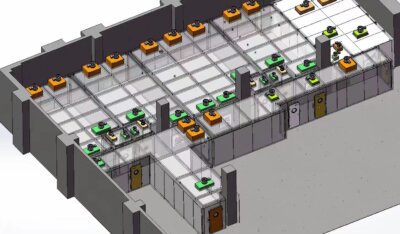
Die Raumplanung muss die Bewegungen des Personals und den Materialfluss durch kritische Zonen minimieren. Das Layout sollte einen logischen, unidirektionalen Arbeitsablauf von der Vorbereitung der Komponenten bis hin zu den fertigen Waren unterstützen. Die modulare Bauweise bietet hier eine erhebliche Flexibilität, da sie eine interne Neukonfiguration oder eine künftige Erweiterung mit minimalen Unterbrechungen im Vergleich zur traditionellen Konstruktion mit festen Wänden ermöglicht. Dies unterstützt die Skalierbarkeit, wenn sich die Produktionsanforderungen weiterentwickeln.
Planung für zukünftige Flexibilität
Ein wichtiger strategischer Vorteil der modularen Vorfertigung ist die Zukunftssicherheit. Eine nach ISO 8 konzipierte Anlage kann oft mit weniger Kosten und Ausfallzeiten als bei einem herkömmlichen Bau auf ISO 7-Spezifikationen aufgerüstet werden, vorausgesetzt, bei der ursprünglichen Planung wurden potenziell höhere HLK-Lasten und Deckenflächen für zusätzliche HEPA-Filter berücksichtigt. Diese Flexibilität schützt Ihre langfristigen Kapitalinvestitionen.
Entscheidungsrahmen: Die Auswahl der richtigen ISO-Klasse für Ihre Bedürfnisse
Ein vierstufiger Strategieprozess
Definieren Sie zunächst das Produkt- und Prozessrisiko auf der Grundlage der Sterilitätsanforderungen und der Auswirkungen auf die Patienten. Ziehen Sie den EU-GMP-Anhang 1 und den FDA-Leitfaden als nicht verhandelbare Grundlagen heran. Zweitens: Zeichnen Sie den Arbeitsablauf auf, um die notwendigen Zonen (Umkleiden, Bereitstellen, Primärverpackung) und die erforderlichen Druckverhältnisse zu ermitteln.
Analyse der Kosten und Skalierbarkeit
Drittens sollten Sie eine strenge Analyse der Gesamtbetriebskosten über einen Zeitraum von 10 Jahren durchführen. Stellen Sie die höheren Kapital- und Betriebskosten von ISO 7 dem Risikoprofil Ihres Produkts gegenüber. Viertens: Berücksichtigen Sie die Anforderungen an die Lieferkette und die zukünftige Skalierbarkeit. Werden Sie Auftragsarbeiten anziehen müssen? Könnte Ihre Produktpipeline in Zukunft risikoreichere Produkte enthalten? Die modulare Vorfertigung ist ein strategischer Vorteil für den Umgang mit dieser Unsicherheit.
Die endgültige Entscheidung treffen
Bei der endgültigen Entscheidung werden technische Konformität, finanzielle Nachhaltigkeit und geschäftliche Flexibilität gegeneinander abgewogen. Die gewählte ISO-Klasse ist nicht nur eine technische Spezifikation, sondern eine grundlegende Geschäftsentscheidung, die die Produktqualität, die betriebliche Effizienz und die langfristige Reaktionsfähigkeit auf dem Markt unterstützt. Vergewissern Sie sich, dass Ihr Entwicklungspartner eine Lösung liefern kann, die den strengsten geltenden Normen für Ihre Zielmärkte entspricht und gleichzeitig die nötige Flexibilität für Anpassungen bietet.
Die Entscheidung zwischen ISO 7 und ISO 8 hängt von einer klaren Bewertung des Produktrisikos, der gesetzlichen Vorschriften und der Lebenszykluskosten ab. Geben Sie einer Konstruktion den Vorzug, die von Anfang an geeignete Druckkaskaden und Schutzkleidungsprotokolle integriert, da diese bei einer Nachrüstung unerschwinglich sind. Betrachten Sie die Validierung nicht als letzte Hürde, sondern als ersten Schritt in einer datengesteuerten Wartungsstrategie, die die Produktqualität proaktiv schützt.
Benötigen Sie professionelle Hilfe bei der Umsetzung dieser Spezifikationen und der Implementierung einer konformen, effizienten Verpackungsumgebung? Das Team von QUALIA ist darauf spezialisiert, diese komplexen Anforderungen in funktionsfähige, vorgefertigte Reinraumlösungen umzusetzen. Für eine direkte Beratung zu Ihren Projektanforderungen können Sie auch Kontakt.
Häufig gestellte Fragen
F: Welches sind die wichtigsten Unterschiede bei der Partikelzahl und der Luftwechselrate zwischen ISO 7- und ISO 8-Reinräumen?
A: Der Hauptunterschied liegt in der Größenordnung der zulässigen Partikel. ISO 7 erlaubt ein Maximum von 352.000 Partikeln (≥0,5µm) pro Kubikmeter, während ISO 8 3.520.000 erlaubt, wie definiert durch ISO 14644-1. Um diese Werte aufrechtzuerhalten, sind nach ISO 7 40-60 Luftwechsel pro Stunde (ACH) erforderlich, während es bei ISO 8 nur 15-25 ACH sind. Das bedeutet, dass Einrichtungen, die mit sterilen Produkten umgehen, die höhere HVAC-Kapazität und Energiekosten einplanen müssen, die mit dem intensiveren Luftaustausch einer ISO 7-Umgebung verbunden sind.
F: Wie unterscheiden sich die Luftströmungsmuster zwischen ISO 7- und ISO 8-Umgebungen?
A: Beide Klassifizierungen verwenden in der Regel einen nicht-unidirektionalen (turbulenten) Luftstrom für die allgemeine Raumklimatisierung, bei der sich HEPA-gefilterte Luft mit der Raumluft vermischt, um Verunreinigungen zu verdünnen. Der entscheidende Unterschied ist die Intensität: ISO 7 erfordert eine höhere Luftgeschwindigkeit und eine größere Deckenabdeckung der HEPA-Filter (7-15%), um die strengeren Partikelgrenzwerte zu erreichen. Für kritische Arbeitsschritte wie die Abfüllung ist eine lokale Laminar-Flow-Haube der ISO-Klasse 5 in den ISO-7-Raum integriert. Diese Zonierungsstrategie ist ein grundlegendes Konstruktionsprinzip für die Einhaltung von Normen wie EU-GMP Anhang 1.
F: Was sind die wichtigsten Kostenfaktoren bei der Wahl zwischen einem vorgefertigten Reinraum nach ISO 7 und ISO 8?
A: Die Entscheidung hat erhebliche Auswirkungen sowohl auf die Investitions- als auch auf die Betriebskosten. Ein ISO-7-Modul hat höhere Anschaffungskosten aufgrund größerer HLK-Systeme und einer größeren HEPA-Abdeckung. Langfristig dominieren die Energiekosten, die durch den Bedarf von 60 ACH gegenüber ~20 ACH bei ISO 8 bestimmt werden. Eine Analyse der Gesamtbetriebskosten ist von entscheidender Bedeutung, da die niedrigeren Investitionskosten eines ISO 8-Raums durch die betriebliche Belastbarkeit und das geringere Kontaminationsrisiko eines ISO 7-Raums ausgeglichen werden können. Bei Projekten, bei denen die Produktsterilität von entscheidender Bedeutung ist, sollten Sie die höheren Lebenszyklusinvestitionen für ISO 7 einplanen.
F: Wie wirken sich Druckkaskaden und Layout auf die Reinraumgestaltung für pharmazeutische Verpackungen aus?
A: Eine wirksame Planung erfordert eine ganzheitliche Strategie der Zoneneinteilung, bei der saubere Räume einen Überdruck gegenüber den angrenzenden weniger sauberen Bereichen aufrechterhalten. Ein typisches Layout positioniert einen ISO 7-Verpackungsraum bei +15 Pa im Verhältnis zu einem ISO 8-Korridor, wodurch sichergestellt wird, dass die Luft von sauberen zu weniger sauberen Zonen strömt, um ein Eindringen zu verhindern. Diese Kaskade (ISO 7 > ISO 8 > nicht klassifiziert) muss von Anfang an geplant werden, da Nachrüstungen unerschwinglich teuer sind. Die modulare Bauweise bietet Flexibilität für künftige Neukonfigurationen und unterstützt die Skalierbarkeit, wenn sich die Produktionsanforderungen ändern, geleitet von den Grundsätzen der ISO 14644-4.
F: Welche laufende Wartung und Validierung ist für einen vorgefertigten pharmazeutischen Reinraum erforderlich?
A: Nach der Installation muss der Raum einer vollständigen Validierung (IQ/OQ/PQ) unterzogen werden, um eine gleichbleibende Leistung in Bezug auf Partikelanzahl, ACH, Druckunterschiede und Erholungszeit nachzuweisen. Die laufende Wartung konzentriert sich auf HEPA-Filterintegritätstests, HVAC-Wartung und kontinuierliche Umgebungsüberwachung. Moderne Systeme integrieren die Überwachung in Gebäudemanagementsysteme, um eine vorausschauende Wartung als Teil einer Kontaminationskontrollstrategie zu ermöglichen. Dies bedeutet, dass die Einrichtungen Ressourcen sowohl für den routinemäßigen Austausch von Filtern als auch für die Datenverwaltung bereitstellen müssen, die von gesetzlichen Rahmenwerken wie der FDA-Leitfaden für die aseptische Verarbeitung.
F: Wann ist ein ISO 7-Reinraum obligatorisch und wann ist ISO 8 für pharmazeutische Verpackungen ausreichend?
A: ISO 7 ist vorgeschrieben für die Verpackung steriler Produkte, bei denen der Primärbehälter versiegelt ist, als Hintergrund für aseptische Isolatoren und für empfindliche, nicht sterile Produkte wie potente Substanzen. ISO 8 eignet sich für die Sekundärverpackung fester oraler Dosen (z. B. Tabletten) und die Kennzeichnung nicht steriler Produkte. Bei der Auswahl werden das Kontaminationsrisiko und die Kosten gegeneinander abgewogen, und diese Entscheidung zieht sich durch die gesamte Lieferkette. Wenn Ihr Unternehmen Komponenten für sterile Medizinprodukte liefert, müssen Sie damit rechnen, dass bei Kundenaudits der Nachweis der ISO 7-Fähigkeit als Wettbewerbsgrundlage verlangt wird.
Verwandte Inhalte:
- Berechnung der HLK-Luftwechsel pro Stunde (ACH) für modulare BSL-2- und BSL-3-Labore
- ISO 14644-1 Klassifizierungsanforderungen für vorgefertigte Reinräume: ISO 4 bis ISO 8 Konstruktionsnormen und Spezifikationen für die Partikelzahl
- ISO 14644 und biologische Sicherheitswerkbänke: Normen für saubere Luft
- Biosicherheitswerkbänke der Klasse I: Merkmale und Verwendungszwecke
- Wie erreicht man die ISO 5 (Klasse 100) Zertifizierung in vorgefertigten Reinräumen für aseptische Abfüll- und Veredelungsprozesse?
- Biosicherheitskabine der Klasse III vs. BSC der Klasse II: 12 kritische Unterschiede bei der Auswahl von BSL-3- und BSL-4-Containments
- Vorgefertigte Reinraumkosten pro Quadratmeter: Echte Budgetdaten nach ISO-Klasse und Industrie
- ISO 14644-1 Richtlinien für die Klassifizierung von Reinräumen
- Reinraum-Luftduschkabinen: Komplette Systeme