

Selecting hydrogen peroxide sterilization equipment is a significant capital decision for any healthcare facility. The choice extends far beyond initial purchase price, impacting operational efficiency, device longevity, and long-term financial health for years. A narrow focus on upfront cost can obscure the true financial commitment, leading to suboptimal returns and potential operational bottlenecks.
The evolving regulatory landscape and the push for safer, more efficient low-temperature methods make this analysis critical. With the FDA encouraging alternatives to ethylene oxide and facilities managing increasingly delicate, high-value instrumentation, a thorough understanding of Total Cost of Ownership and Return on Investment is no longer optional—it’s a strategic imperative for clinical and financial leadership.
Key Factors in Hydrogen Peroxide Sterilizer Total Cost of Ownership
Defining the True Financial Commitment
A comprehensive TCO analysis moves beyond capital expenditure. The initial investment, ranging from $14,500 to over $100,000, is just the entry point. The true financial burden accumulates through recurring operational costs. These include consumables like hydrogen peroxide cartridges and compatible packaging, as well as scheduled maintenance items such as HEPA filters and pump oil. Labor for operation, documentation, and inventory management constitutes a significant variable expense. Facilities must model these costs over a 7-10 year horizon to avoid budgetary surprises.
The Hidden Cost of Safety and Compliance
Staff safety costs are embedded in the TCO but often overlooked. Compared to older chemistries like glutaraldehyde, which require stringent air monitoring and ventilation controls, hydrogen peroxide’s safer profile reduces these indirect facility and compliance burdens. This translates to lower infrastructure costs and minimized risk of regulatory penalties. A strategic procurement decision weighs these avoided costs as a tangible financial benefit of modern low-temperature systems.
Strategic Procurement and Long-Term Forecasting
The key is to base the decision on a multi-year forecast. Industry experts recommend building a model that projects consumable usage based on anticipated cycle volume. This reveals whether a system with a lower sticker price but higher per-cycle consumable cost is truly economical at scale. From our analysis of facility budgets, the systems with the most predictable, stable long-term operational costs consistently deliver better value, even with a higher initial investment.
How to Calculate ROI for Low-Temperature Sterilization Equipment
Translating TCO into Financial Justification
ROI quantifies the net benefits of an investment. The core formula is: ROI (%) = [(Net Benefits – Total Costs) / Total Costs] x 100. Quantifiable savings are the first component. These include eliminating third-party reprocessing fees and, critically, extending the lifespan of delicate instruments like endoscopes through compatible low-temperature processing. A validated device reuse program is a powerful driver; sterilizing a high-cost electrophysiology catheter via VHP can save thousands over its usable life.
Incorporating Qualitative and Risk-Based Benefits
The most complete ROI models account for qualitative benefits with clear financial implications. Effective sterilization directly prevents costly healthcare-associated infections (HAIs), representing significant risk mitigation. Furthermore, reliable, rapid cycle times improve OR turnover and scheduling efficiency, increasing facility throughput. These operational gains, while harder to pin to a precise dollar amount, are real contributors to the bottom line and must be included in the justification narrative.
Building a Complete ROI Model
A robust model contrasts the projected TCO of the new system against the current state’s costs over the same period. It assigns value to risk reduction and efficiency gains. For instance, reducing instrument damage by using a compatible process protects a major capital asset. The final ROI percentage provides a clear, comparable metric for stakeholders, transforming a clinical need into a sound financial investment.
The table below outlines key factors to quantify in an ROI calculation.
| ROI-Faktor | Quantifiable Example | Finanzielle Auswirkungen |
|---|---|---|
| Net Benefits Formula | (Benefits – Costs)/Costs x 100% | Core Calculation |
| Eliminated Reprocessing Fees | Third-party fee avoidance | Direct Savings |
| Device Reuse Savings | ~$2,000 per catheter | Direct Savings |
| Per-Cycle Cost | ~$10 per VHP cycle | Operative Kosten |
| Prävention von Infektionen | Avoided HAIs | Risikominderung |
| OR Scheduling | Verbesserte Effizienz | Operational Gain |
Source: Technical documentation and industry specifications.
Comparing Hydrogen Peroxide Sterilizer Chamber Sizes and Configurations
Throughput Versus Efficiency
Chamber size directly dictates throughput and per-cycle cost. A larger chamber processes more devices or larger sets per load, improving efficiency and potentially reducing the total number of daily cycles. However, it consumes more sterilant and energy per cycle and carries a higher capital cost. The strategic error is selecting an oversized chamber for perceived future growth, which inflates ongoing consumable costs without immediate benefit.
Workflow Integration Through Configuration
Configuration—single-door versus pass-through models—affects sterile processing department (SPD) workflow. Pass-through models, compliant with ISO 22441:2022 for process segregation, enhance contamination control by separating dirty and clean sides but require more space. Single-door models are simpler to integrate into existing layouts. The choice must align with the facility’s physical constraints and workflow philosophy to avoid creating new bottlenecks.
Matching Equipment to Load Profile
Facilities must analyze their typical load profile. Are they primarily processing mixed sets of laparoscopic instruments or long, flexible endoscopes? An undersized chamber creates bottlenecks, forcing staff to run more cycles and negating the benefit of faster cycle times. The correct match balances current volume with realistic near-term growth, ensuring the chamber is utilized efficiently without constraining operations.
This comparison highlights how chamber decisions impact strategic outcomes.
| Chamber Consideration | Auswirkungen | Strategic Implication |
|---|---|---|
| Larger Chamber Size | Höherer Durchsatz | Higher consumable use |
| Smaller Chamber Size | Lower per-cycle cost | Potential bottlenecks |
| Single-Door Model | Standard SPD workflow | Simpler integration |
| Pass-Through Model | Contamination separation | Enhanced workflow |
| Oversized Selection | For perceived growth | Inflates ongoing costs |
Source: ISO 22441:2022 Sterilization of health care products — Low temperature vaporized hydrogen peroxide. This standard specifies requirements for process development and validation, which are directly influenced by chamber size and configuration, affecting throughput validation and routine control costs.
Operational Costs: Consumables, Labor, and Maintenance Compared
The Dominance of Recurring Expenses
Operational costs are the dominant factor in long-term TCO. Consumables—sterilant cassettes, compatible wraps, and chemical/biological indicators—represent a recurring, volume-dependent expense. Their cost can easily surpass the capital investment within a few years. Facilities must scrutinize the per-cycle consumable cost and the supply chain reliability for these items, as outlined in guidelines like ANSI/AAMI ST58:2013.
Labor and Automation Trade-Offs
Labor costs are highly variable, hinging on the system’s automation level. Automated features like lid opening, cassette recognition, and integrated data logging reduce hands-on time per cycle and minimize human error. This shifts cost from variable labor to fixed capital depreciation. The strategic calculation involves determining the labor savings against the higher upfront cost of automated systems, a critical analysis for high-volume settings.
The Shift with Automated Systems
A key strategic shift occurs with systems like Automated Endoscope Reprocessors (AERs). They standardize steps, improving consistency, but often create proprietary consumable lock-in. This changes the SPD’s financial model, trading operational flexibility and potentially lower-cost generic supplies for labor savings and process uniformity. Maintenance costs, including annual service contracts and unscheduled repairs, complete the picture, with system downtime carrying its own high indirect cost.
The following table breaks down the primary drivers of ongoing operational expense.
| Operational Cost Driver | Beispiele | Cost Characteristic |
|---|---|---|
| Verbrauchsmaterial | Sterilant cassettes, wraps, indicators | Volume-dependent, recurring |
| Arbeit | Operation, documentation, inventory | Variable, skill-dependent |
| Wartung | Annual service, unscheduled repairs | Fixed & variable |
| Automatisierte Funktionen | Lid opening, data logging | Reduces labor time |
| AER Model Shift | Proprietary consumables | Capital depreciation increase |
Source: ANSI/AAMI ST58:2013 Chemical sterilization and high-level disinfection in health care facilities. This guideline covers equipment and process requirements, which dictate the necessary consumables, labor protocols, and maintenance activities that constitute ongoing operational costs.
Which Sterilization System Is Better for High-Volume Facilities?
Prioritizing Throughput and Reliability
For high-volume facilities, throughput and reliability are paramount. Systems with faster validated cycle times and larger chamber capacities maximize daily instrument turnover. This justifies a higher initial investment through operational savings and improved OR efficiency. However, volume amplifies the impact of every variable; a small difference in per-cycle consumable cost becomes a massive annual line item.
The Critical Variable of Consumable Cost
In high-volume settings, per-cycle cassette pricing is a critical variable. A system with a marginally faster cycle but a significantly higher consumable cost may be less economical over time. Facilities must calculate the total daily consumable cost at projected volumes. Automation that reduces labor time per cycle delivers compounded value when multiplied across hundreds of cycles weekly, making it a near-necessity for high-throughput SPDs.
Navigating Compliance and Throughput
High-volume facilities must also manage regulatory nuance. While a 20-minute high-level disinfection cycle may be efficacious, opting for a longer sterilization cycle for a wider compliance margin directly reduces potential throughput. Therefore, the optimal equipment balances the fastest validated and compliant cycle times with a robust, low-maintenance design that minimizes downtime—a key vulnerability in a high-utilization environment.
Material Compatibility and Device Lifespan: A Critical Evaluation
A Non-Negotiable Constraint
Material compatibility is a primary constraint with direct cost implications. Hydrogen peroxide vapor can discolor anodized aluminum and damage certain endoscope coatings. Using an incompatible process risks catastrophic damage and costly replacements, instantly negating any savings from cheaper consumables. This evaluation is foundational, as required by standards like ISO 14937:2009 for characterizing a sterilizing agent’s effects.
The Warranty Voidance Risk
Manufacturers of sensitive devices, such as Olympus for its endoscopes, explicitly state which chemistries are approved. Using a non-compliant process voids the manufacturer’s warranty, transferring the full financial risk of repair or replacement to the facility. This makes a thorough cross-reference of the facility’s device inventory against the sterilizer’s compatibility list an essential pre-purchase step.
Protecting Capital Investment
The strategic implication is clear: the device inventory dictates sterilant selection, not the other way around. A facility’s capital investment in surgical instrumentation must be protected. The evaluation must extend beyond simple lists to include real-world load configurations and device age, as older devices may have different material tolerances. This due diligence is a cost-avoidance measure of the highest order.
This evaluation framework highlights the severe cost risks of incompatibility.
| Risikofaktor | Konsequenz | Auswirkungen auf die Kosten |
|---|---|---|
| Incompatible Chemistry | Device coating damage | Catastrophic replacement |
| Eloxiertes Aluminium | Verfärbung | Aesthetic/functional issue |
| Non-Compliant Process | Manufacturer warranty voided | Full replacement cost |
| Sensitive Device Inventory | Dictates sterilant selection | Constrains options |
| Strategic Evaluation | Cross-reference manufacturer guidelines | Protects capital investment |
Source: ISO 14937:2009 Sterilization of health care products — General requirements. This standard requires characterization of the sterilizing agent’s effect on materials, making device compatibility a fundamental validation step to prevent damage and associated costs.
Implementation, Validation, and Ongoing Compliance Requirements
The Mandatory Post-Purchase Plan
Acquisition is followed by a mandatory implementation phase. This includes comprehensive staff training on loading protocols, cycle selection, and emergency procedures. Inadequate training leads to user errors, failed cycles, and potential device damage, eroding the expected ROI. The process must be validated for the facility’s specific device mixes and load configurations using biological indicators to prove a 10^-6 sterility assurance level, a core requirement of ISO 22441:2022.
Transforming SPD into a Data-Driven Function
Ongoing compliance transforms sterile processing from a manual task to a data-driven function. It requires daily monitoring with chemical indicators, regular biological testing, and adherence to a preventative maintenance schedule. Investing in integrated tracking systems that automatically log cycle parameters, chemical concentrations, and device history is no longer a luxury; it’s a core competency for quality assurance and audit readiness.
The Cost of Quality Assurance
The personnel and technology costs for maintaining this compliance framework are part of the operational TCO. However, they are also a risk mitigation investment. A robust quality system prevents costly sterilization failures, regulatory citations, and patient safety events. It ensures the sterilization process is not just performed, but demonstrably controlled and effective every single time.
Final Selection Criteria and Decision Framework for Your Facility
A Structured Multi-Factor Framework
The final decision requires a structured framework weighing clinical, operational, and financial factors. First, clinically define device compatibility and required throughput based on surgical volume. Second, operationally, model workflow integration and staff training needs. Third, financially, conduct a 7-10 year TCO model incorporating all costs, then calculate ROI including hard savings and qualitative risk mitigation.
Acknowledging Strategic Market Trends
Strategic awareness is crucial. The regulatory push for VHP adoption signals a gradual phase-out of EtO for many devices, favoring hydrogen peroxide. However, VHP’s limitations with linens, powders, and long, narrow lumens may necessitate a mixed-method sterilization suite. The chosen system must align with the facility’s case mix, volume, and long-term operational strategy.
Making the Integrated Decision
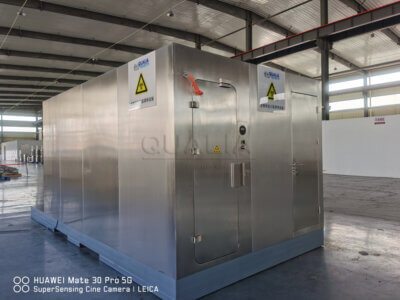
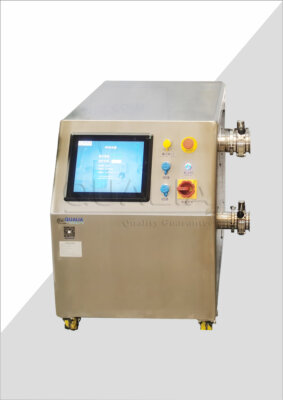
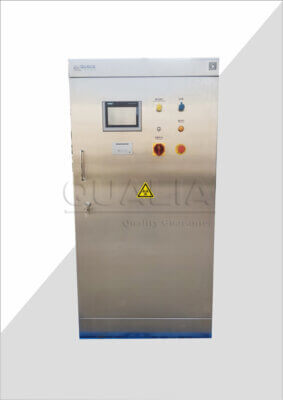
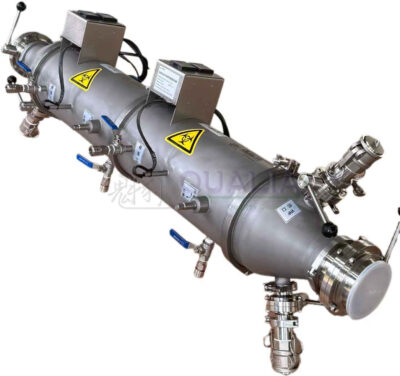
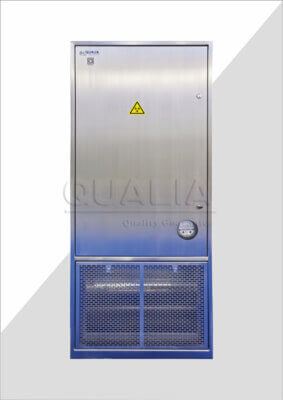
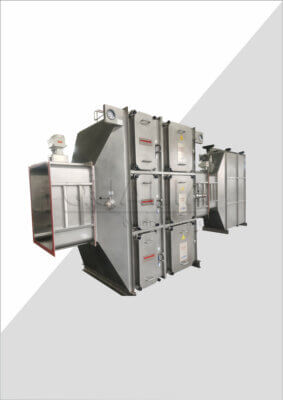
Ultimately, no single metric decides. The right system balances clinical safety, financial sustainability, and regulatory alignment. It fits the workflow without creating new bottlenecks and protects the facility’s instrument investment. For facilities evaluating specific high-capacity vaporized hydrogen peroxide systems, a detailed review of a VHP hydrogen peroxide generator’s specifications and validation data is a necessary step in this comparative analysis.
The decision hinges on a disciplined, multi-year financial model that captures all operational variables. Prioritize systems with transparent, stable consumable costs and strong compatibility with your instrument portfolio. Validate the process rigorously for your specific loads to ensure efficacy and safeguard device investments. This approach moves the decision from a capital purchase to a strategic investment in clinical safety and operational efficiency.
Need a professional partner to navigate this complex evaluation? QUALIA provides technical expertise and solutions aligned with these critical decision frameworks. Contact our team to discuss your facility’s specific sterilization challenges and financial models. You can also reach us directly at Kontakt for a confidential consultation.
Häufig gestellte Fragen
Q: How do you calculate the true ROI for a low-temperature hydrogen peroxide sterilizer beyond just consumable costs?
A: Calculate ROI by quantifying net benefits against total costs over a multi-year period. Key savings include eliminating third-party reprocessing fees and extending the lifespan of delicate instruments through compatible sterilization. You must also assign financial value to qualitative gains like infection risk reduction and improved OR turnover. This means facilities should build their model to include both direct savings and the financial impact of operational efficiency and risk mitigation.
Q: What are the critical compliance steps for validating a hydrogen peroxide sterilization process for our specific devices?
A: Validation requires proving a 10^-6 sterility assurance level for your facility’s exact device mixes and load configurations using biological indicators. This process development and routine control must adhere to the specific requirements of ISO 22441:2022 for vaporized hydrogen peroxide. For projects where device compatibility is a priority, plan for a significant upfront investment in validation testing before the system can enter clinical use.
Q: How does chamber size selection impact the long-term operational costs of a hydrogen peroxide sterilizer?
A: Chamber size directly influences throughput and per-cycle consumable use. A larger chamber improves efficiency for high-volume or large devices but consumes more sterilant per cycle, increasing recurring costs. An undersized chamber creates workflow bottlenecks. This means facilities should analyze their typical load profile rather than over-sizing for hypothetical future needs, as an improperly sized chamber will negatively affect total cost of ownership.
Q: Why is material compatibility a non-negotiable financial risk when selecting a sterilization system?
A: Incompatible sterilization agents can damage sensitive instruments, leading to costly repairs or voided manufacturer warranties, which completely negates any consumable savings. You must cross-reference all device manufacturers’ guidelines with the sterilizer’s compatibility list. If your operation uses a high proportion of delicate endoscopes or anodized aluminum tools, prioritize compatibility testing to protect your capital investment in surgical instrumentation.
Q: What operational cost factors dominate the total cost of ownership for hydrogen peroxide systems?
A: Recurring consumable costs for sterilant cartridges and compatible packaging, along with labor for operation and inventory management, are the dominant long-term expenses. The level of system automation significantly influences variable labor costs. This means high-volume facilities should meticulously model per-cycle consumable pricing and labor time, as these recurring costs will far outweigh the initial capital expenditure over the system’s lifespan.
Q: How should a high-volume sterile processing department choose between different low-temperature sterilization technologies?
A: Prioritize systems with the fastest validated cycle times and high reliability to maximize daily instrument turnover. However, high volume amplifies the impact of per-cycle consumable costs, making cassette pricing a critical variable. For facilities where throughput is paramount, select equipment that balances rapid, validated cycles with robust automation to reduce labor and minimize downtime from maintenance.
Q: What ongoing quality assurance is required after implementing a hydrogen peroxide sterilizer?
A: Ongoing compliance requires daily monitoring with chemical indicators, regular biological testing per standards like ANSI/AAMI ST58:2013, and adherence to a preventative maintenance schedule. This transforms sterile processing into a data-driven function. Facilities should invest in integrated tracking systems to log all cycle parameters and device history, as this data is essential for audit readiness and continuous quality assurance.
Verwandte Inhalte:
- 8 Vorteile von Wasserstoffperoxiddampf im Jahr 2025
- Sterilisation mit Wasserstoffperoxiddampf 2025
- Sterilisation mit Hybrid-Wasserstoffperoxid 2025
- Umfassende Hybrid-Wasserstoffperoxid-Systeme
- VHP vs. traditionelle Sterilisation: 2025 Vergleich
- VHP Generator Kostenanalyse | ROI-Rechner für tragbare Sterilisationssysteme
- Wie VHP-Generatoren funktionieren | Wasserstoffperoxid-Sterilisationsverfahren
- Grundlagen des VHP-Generators | Grundlagen der Sterilisation mit Wasserstoffperoxid
- VHP Generator Kostenanalyse | ROI-Rechner für Wasserstoffperoxidsysteme


 DE
DE  EN
EN  AR
AR  FR
FR  KO
KO  ID
ID  IT
IT  PT
PT  RU
RU  RO
RO  ES
ES  NL
NL  TR
TR  UK
UK  PL
PL