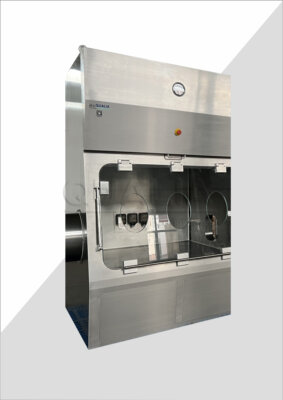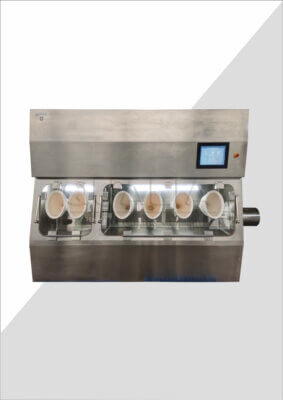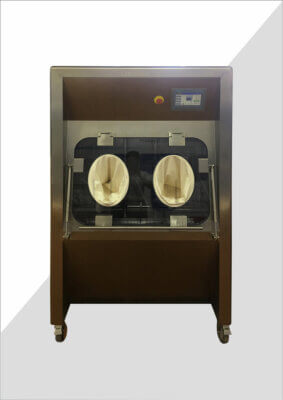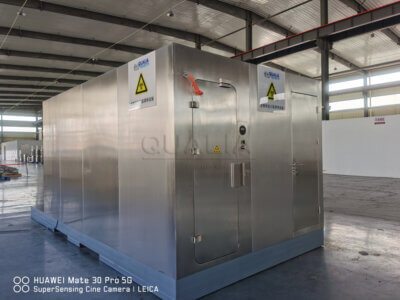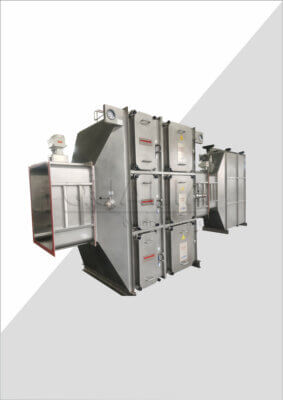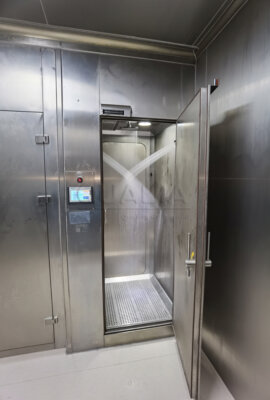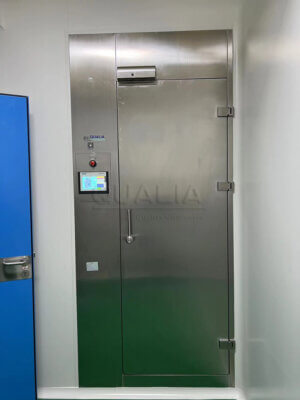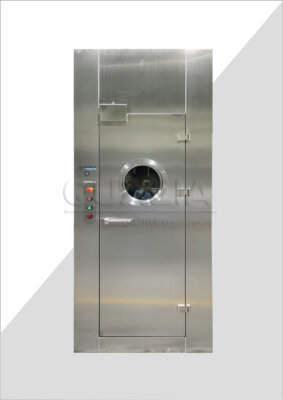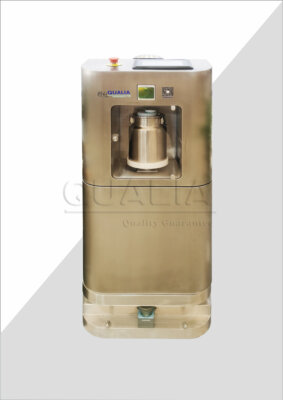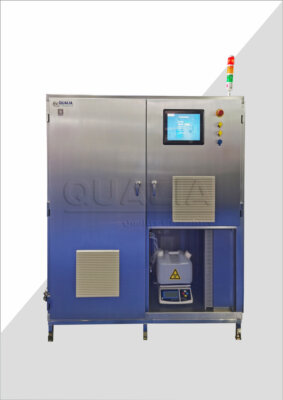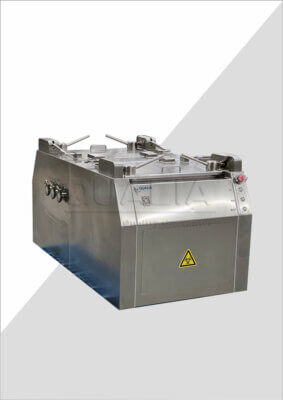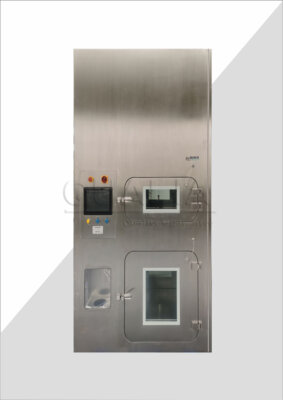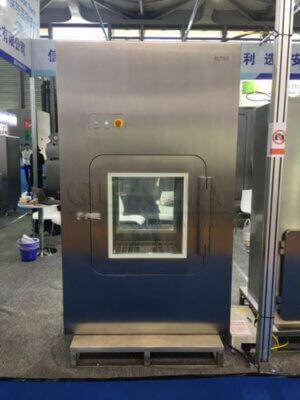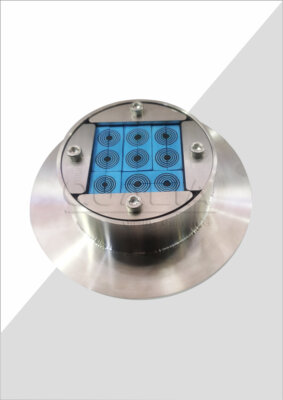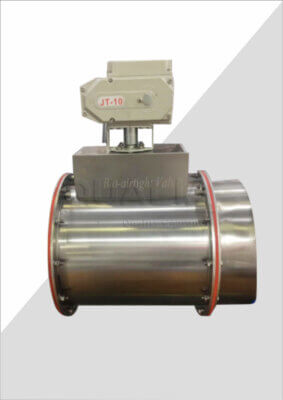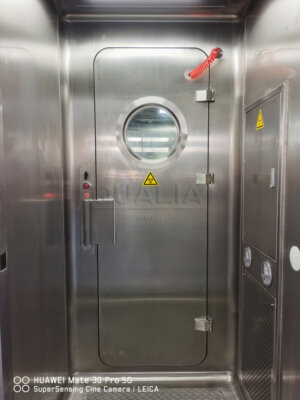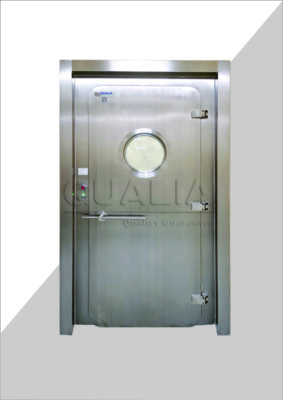

Die Integration eines zweitürigen Autoklavendurchreichsystems in eine Sicherheitswerkbank der Klasse III ist eine entscheidende technische Herausforderung. Sie definiert den Arbeitsablauf und den Sicherheitsbereich für die Hochsicherheitsforschung. Das Hauptrisiko besteht in einer Verletzung der Sicherheitsgrenze während des Materialtransfers, die die Integrität der gesamten Einrichtung in Bezug auf die biologische Sicherheit gefährden kann. Fachleute müssen sich mit komplexen Normen auseinandersetzen, die Systemleistung validieren und Arbeitsabläufe entwerfen, die auf ihre spezifischen Forschungsmaterialien und -protokolle abgestimmt sind.
Die Nachfrage nach fortschrittlichen Biocontainment-Systemen steigt aufgrund der Pandemievorsorge und der Erforschung von Krankheitserregern mit hohem Risikopotenzial. Diese Integration ist nicht länger eine Nischenspezifikation, sondern eine Kernanforderung für moderne BSL-3+ und BSL-4 Einrichtungen. Die Auswahl und Validierung der richtigen Verbindungsmethode hat langfristige Auswirkungen auf die Flexibilität der Forschung, den Durchsatz und die Einhaltung von Vorschriften.
Grundprinzipien von Class III BSC und Pass-Through-Integration
Das künstliche Vakuum: Grundlage der Eindämmung
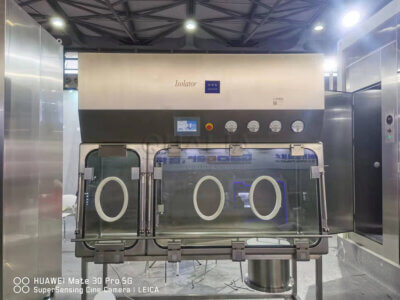
Ein BSC der Klasse III arbeitet nach dem Prinzip des konstanten Unterdrucks, der bei etwa 0,5″ Wassersäule gehalten wird. Dieses technische Vakuum, das durch ein unabhängiges Abluftsystem angetrieben wird, gewährleistet einen Luftstrom nach innen durch jede mögliche Lücke, einschließlich Handschuhöffnungen und Durchgangsverbindungen. Die gesamte Zu- und Abluft ist HEPA-gefiltert, wobei die Abluft häufig durch zwei hintereinander geschaltete Filter geleitet wird. Der Schrank ist ein gasdichtes, versiegeltes Gehäuse und damit ein “Labor im Labor”. Seine Integrität ist absolut, und jeder Durchbruch für ein Durchgangssystem muss diese abgedichtete Umgebung ohne Kompromisse aufrechterhalten.
Der Pass-Through als kritische Barriere
Die Integration eines zweitürigen Autoklaven oder eines Tauchbeckens direkt in die Schrankwand verwandelt eine freistehende Werkbank in einen in sich geschlossenen Versuchsraum. Diese Verbindung schafft eine physische und verfahrenstechnische Barriere, durch die Materialien nur nach validierter Dekontamination ein- oder ausgehen können. Die Durchreiche ist nicht einfach nur ein Zubehörteil, sondern eine Erweiterung der primären Einschließungsgrenze des Schranks. Sein Design, die Verriegelungsmechanismen und die Validierungsprotokolle müssen ebenso streng sein wie die für den BSC selbst, um die Freisetzung von Krankheitserregern zu verhindern. Branchenexperten empfehlen, das integrierte System während der Entwurfs- und Validierungsphase als ein einziges Biocontainment-Modul zu behandeln.
Strategische Implikationen für das Facility Design
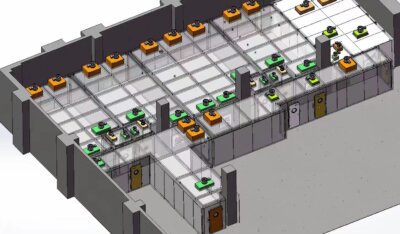
Diese Integration erfordert eine umfassendere Architektur der Einrichtung. Das Labor muss eine versiegelte Innenhülle, eine spezielle, nicht rezirkulierende Belüftung und Systeme zur Abwasserbehandlung aufweisen. Alle Durchbrüche für Versorgungsleitungen und Durchführungen müssen dauerhaft abgedichtet sein. Die Unterdruckkaskade ist von entscheidender Bedeutung; ein Verlust dieses Vakuums bedeutet ein sofortiges Versagen des Containments. Unserer Erfahrung nach geht der Trend dahin, ein integriertes Biocontainment-Modul von einem Anbieter zu beziehen, der über starke eigene Entwicklungskapazitäten verfügt, anstatt zu versuchen, Komponenten von verschiedenen Anbietern zusammenzustellen.
Primäre Anschlussmethode: Der zweitürige Durchgangsautoklav
Operativer Workflow und Stapelverarbeitung
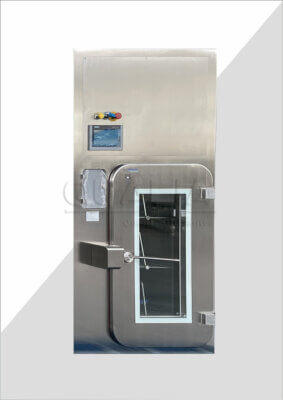
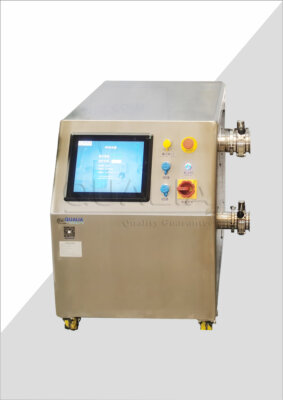
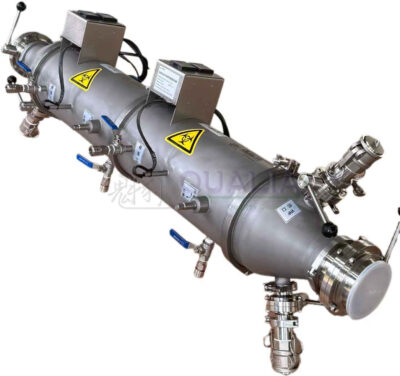
Der Doppeltür-Durchreiche-Autoklav ist die Hauptmethode für den Materialtransfer, die den Arbeitsablauf im Labor durch sequenzielle, chargenbasierte Vorgänge grundlegend beeinflusst. Kontaminierte Gegenstände werden aus dem Schrankinneren eingelegt, die Innentür wird versiegelt und ein validierter Sterilisationszyklus läuft ab. Erst nach Abschluss des Zyklus entriegelt das Steuersystem die Außentür zur sicheren Entnahme. Bei dieser Methode müssen alle Transfers in Chargen geplant werden, was sich auf den Zeitplan der Experimente auswirkt und eine sorgfältige Verfahrensdisziplin erfordert. Die während des Zyklus erzeugten Dämpfe müssen vor der Freigabe HEPA-gefiltert werden, um eine Kontamination der Umgebung zu verhindern.
Kritische Sicherheitsvorkehrungen und Materialbeschränkungen
Die Sicherheit des Systems hängt von technischen Schutzmaßnahmen ab. Türverriegelungen verhindern, dass sich beide Türen gleichzeitig öffnen, so dass die Einschlussgrenze niemals durchbrochen wird. Der Autoklav wird direkt in die Schrankwand mit einer luftdichten Dichtung (Bioseal) versiegelt, deren Integrität anhand von Normen wie ISO 10648-2 Umschließungsgehäuse. Diese Norm enthält die Klassifizierung und die Prüfverfahren für die Dichtheit, die für die Validierung dieser kritischen Dichtung unmittelbar relevant sind. Ein wichtiges, oft übersehenes Detail ist die Materialverträglichkeit. Diese Methode ist nur für hitze- und feuchtigkeitstolerante Gegenstände geeignet, was die Flexibilität bei der Versuchsplanung einschränkt.
In der folgenden Tabelle sind die wichtigsten Parameter und betrieblichen Auswirkungen dieser primären Verbindungsmethode aufgeführt.
| Merkmal | Schlüsselparameter / Schutzmaßnahmen | Operative Auswirkungen |
|---|---|---|
| Türverriegelung | Verhindert gleichzeitiges Öffnen | Behält die Eindämmungsgrenze bei |
| Sterilisations-Zyklus | 121°C für geprüfte Dauer | Chargenbasierter Materialtransfer |
| Dampf-Management | HEPA-gefilterte Abluft | Verhindert die Freisetzung in die Umwelt |
| Kompatibilität der Materialien | Nur hitze- und feuchtigkeitstolerant | Begrenzte Flexibilität bei der Versuchsplanung |
Quelle: ISO 10648-2 Sicherheitsbehälter - Teil 2: Klassifizierung nach der Dichtheit und zugehörige Prüfverfahren. Diese Norm enthält die Klassifizierung und die Prüfverfahren für die Dichtheit, die für die Validierung der luftdichten Bioversiegelung und der Dichtungsintegrität der Durchgangsverbindung des Autoklaven zum BSC der Klasse III unmittelbar relevant sind.
Sekundäres Anschlussverfahren: Der chemische Tauchtank
Ermöglichung des Transfers von sensiblen Materialien
Für Materialien, die mit der Dampfsterilisation nicht kompatibel sind, wie z. B. empfindliche Elektronik, bestimmte Kunststoffe oder hitzelabile Reagenzien, bietet ein chemischer Tauchtank eine wichtige alternative Dekontaminationsbarriere. Dieser Edelstahltank, der durch die Schrankwand hindurch montiert und mit einem flüssigen Desinfektionsmittel gefüllt wird, schafft eine permanente Flüssigkeitsversiegelung. Im Vergleich zum Chargenbetrieb des Autoklaven ermöglicht er flüssigere, bedarfsgerechte Transfers. Diese betriebliche Flexibilität bringt jedoch eine Reihe strenger Verwaltungsanforderungen mit sich und hängt vollständig von der chemischen Wirksamkeit ab.
Managementanforderungen und Verfahrensabhängigkeit
Die Wirksamkeit des Tauchbeckens ist nicht automatisiert. Die Desinfektionsmittelkonzentration muss routinemäßig durch strenge Titrations- oder Teststreifenprotokolle überprüft und aufrechterhalten werden. Die Gegenstände müssen für eine festgelegte Kontaktzeit vollständig eingetaucht werden, was manuelle Handhabung und Zeitplanung erfordert. Diese Methode unterstreicht, dass das Design der Durchlaufmethode eine strategische Entscheidung für den Arbeitsablauf ist. Die Wahl einer sekundären Methode bestimmt direkt, welche Materialien in der Hochsicherheitsumgebung sicher verwendet werden können, und erlegt dem Laborpersonal einen spezifischen Verfahrensaufwand auf.
Die Spezifikationen für einen Chemikalien-Tauchtank verdeutlichen die kritischen Anforderungen und die damit verbundenen Zwänge.
| Komponente | Kritische Anforderung | Einschränkung/Berücksichtigung |
|---|---|---|
| Desinfektionsmittel-Konzentration | Routinemäßig überprüft und gewartet | Verlässt sich auf chemische Wirksamkeit |
| Kontakt Zeit | Validierte Immersionsdauer | Manuelle Handhabung erforderlich |
| Kompatibilität der Materialien | Empfindliche Elektronik, hitzelabile Gegenstände | Ermöglicht Übertragungen auf Abruf |
| Physikalisches Siegel | Permanente Flüssigkeitsbarriere | Tankkonstruktion aus rostfreiem Stahl |
Quelle: Technische Dokumentation und Industriespezifikationen.
Anmerkung: Im Gegensatz zum Autoklav ist bei dieser Methode ein Flüssigkeitstransfer möglich, aber die Handhabung der Chemikalien unterliegt Einschränkungen.
Sicherheit, Validierung und Konformität für Pass-Through-Systeme
Strenge Validierungs- und Zertifizierungsverfahren
Die Integrität von Pass-Through-Systemen wird durch nicht verhandelbare Validierungs- und Konformitätsprotokolle geregelt. Vor der Inbetriebnahme muss das gesamte integrierte System einer strengen physikalischen und biologischen Validierung unterzogen werden, um die Wirksamkeit der Dekontamination nachzuweisen. Jährliche Rezertifizierung durch qualifiziertes Personal ist vorgeschrieben durch Normen wie NSF/ANSI 49-Schränke für biologische Sicherheit. Dazu gehören die Dichtheitsprüfung von HEPA-Filtern, die Prüfung des biologischen Indikators (BI) im Autoklaven und die Überprüfung des Desinfektionsmittels im Tauchbecken. Diese Norm legt die grundlegenden Anforderungen für die Feldzertifizierung aller biologischen Sicherheitswerkbänke fest und ist somit der Eckpfeiler für die Einhaltung der Vorschriften.
Bewältigung kritischer Risiken und betrieblicher Ausfallzeiten
Ein ständiges Betriebsrisiko ist die Unversehrtheit der Handschuhe. Protokolle für das Auswechseln von Handschuhen im Notfall, wenn der Schrank kontaminiert ist, sind unerlässlich und erfordern eine umfassende praktische Ausbildung. Darüber hinaus erfordert jede interne Wartung eine vollständige gasförmige Dekontamination (z. B. mit Paraformaldehyd) des gesamten BSC und der angeschlossenen Durchreichen. Dieser langwierige Prozess, der mit biologischen Indikatoren validiert wird, bestimmt die Wartungszyklen und verursacht erhebliche Ausfallzeiten. Die Planung dieser Dekontaminierung ist ein wichtiges Anliegen des Projektmanagements, das sich direkt auf den Zeitplan der Forschung auswirkt und eine sorgfältige Ressourcenplanung erfordert.
Im Folgenden werden die wichtigsten Aktivitäten und ihre Auswirkungen auf die Systemsicherheit und -kontinuität beschrieben.
| Tätigkeit | Frequenz / Standard | Konsequenz / Ausfallzeit |
|---|---|---|
| Vollständige Systemvalidierung | Vor dem operativen Einsatz | Beweist die Wirksamkeit der Dekontamination |
| Jährliche Re-Zertifizierung | Obligatorisch für qualifiziertes Personal | Inklusive HEPA-Dichtheitsprüfung |
| Dekontaminierung durch Gase | Vor der internen Wartung | Langwieriger Prozess; erhebliche Ausfallzeiten |
| Prüfung der Handschuhintegrität | Kontinuierliches operationelles Risiko | Erfordert Ersatzprotokolle für Notfälle |
Quelle: NSF/ANSI 49 Schränke für biologische Sicherheit: Design, Konstruktion, Leistung und Zertifizierung vor Ort. Dies ist die maßgebliche Norm für die Leistung von biologischen Sicherheitswerkbänken und die Feldzertifizierung, die die jährliche Neuzertifizierung, die HEPA-Filterprüfung und die Validierungsprotokolle vorschreibt, die für den sicheren Betrieb des Durchgangssystems unerlässlich sind.
Wichtige Überlegungen zu Design und Technik für eine sichere Integration
Standortübergreifende architektonische Anforderungen
Die sichere Integration geht weit über den Schrank selbst hinaus und betrifft die gesamte Architektur der Einrichtung. Das Labor, in dem ein BSC der Klasse III untergebracht ist, muss eine geschlossene Umhüllung sein. Dies erfordert eine spezielle, nicht rezirkulierende Belüftung mit redundanten Abluftventilatoren, behandelte Abwassersysteme für die Abfalldekontamination und eine strukturelle Hülle, die Druckunterschiede aushalten kann. Alle Durchbrüche für Versorgungsleitungen, elektrische Leitungen und die Durchführungen selbst müssen dauerhaft mit Epoxidharz oder geschweißten Fittings abgedichtet werden. Die Leistung der integrierten Belüftung kann konzeptionell mit Methoden bewertet werden, die den folgenden ähneln ANSI/ASHRAE 110 Methode zur Prüfung der Leistung von Laborabzügen, die quantitative Testmethoden zur Überprüfung des Einschlusses vorsieht.
Die Umstellung auf integrierte Biocontainment-Module
Der Trend zur Integration kundenspezifischer Geräte - wie Bioreaktoren oder Mikroskope - direkt in die Schranklieferlinien begünstigt Hersteller mit starken internen Konstruktions- und Fertigungskapazitäten. Diese Verlagerung bedeutet, dass es bei der Beschaffung weniger um den Kauf eines einzelnen Schranks als vielmehr um die Entwicklung eines integrierten Biocontainment-Moduls geht. Dies erfordert eine enge Zusammenarbeit zwischen den Planern der Einrichtung, den Forschern und dem Hersteller bereits in den ersten Entwurfsphasen. Dieser Ansatz erfordert eine umfangreiche Kapitalplanung, führt aber zu einem zuverlässigeren und validierten schlüsselfertigen System.
Die Integration eines Klasse-III-BSC erfordert besondere Konstruktionsprinzipien, die sich in der Infrastruktur der Einrichtung widerspiegeln müssen.
| System-Element | Prinzip der Gestaltung | Anforderung an die Gebäudeintegration |
|---|---|---|
| Kabinett Druck | Konstanter Unterdruck (~0,5″ w.g.) | Redundante, ausfallsichere Abgassysteme |
| Labor-Schale | Versiegelte Innenkonstruktion | Dedizierte Nichtumlauflüftung |
| Alle Durchdringungen | Dauerhaft versiegelt | Systeme zur Behandlung von Abwasser erforderlich |
| Integration kundenspezifischer Ausrüstung | Bevorzugt hausinterne Technik | Umwandlung der Beschaffung in einen Modulentwurf |
Quelle: ANSI/ASHRAE 110 Methode zur Prüfung der Leistung von Laborabzügen. Während für Abzüge die quantitativen Methoden dieser Norm für die Prüfung des Einschlusses und der Luftströmung konzeptionell entscheidend sind, um die konstruierte Unterdruckkaskade und die Integrität des Einschlusses des integrierten BSC und der Anlage zu überprüfen.
Operative Arbeitsabläufe und Materialtransferprotokolle
Protokollgesteuerte Materialhandhabung
Die Arbeitsabläufe sind durch die gewählten Durchleitungsverfahren fest definiert. Beim Autoklaventransfer ist der Prozess eine festgelegte Abfolge: Beladen, Versiegeln, Sterilisieren, Überprüfen, Entriegeln. Für den Transfer in Tauchbecken schreibt das Protokoll eine verifizierte Konzentration, ein zeitlich festgelegtes Eintauchen und eine sorgfältige Entnahme vor. Alle Aktivitäten erfordern eine strenge Materialverfolgung anhand von Logbüchern, in denen Einzelheiten zu den Gegenständen, Eingangs- und Ausgangszeiten sowie Daten zur Zyklusvalidierung festgehalten werden. Bei diesen Verfahren handelt es sich nicht um Richtlinien, sondern um obligatorische Schritte zur Aufrechterhaltung des validierten Zustands des Containment-Systems. Jede Abweichung stellt ein unkalkulierbares Risiko dar.
Management von spezialisierter Forschung und Notfällen
Die Durchführung spezieller Forschungsarbeiten, wie z. B. aerobiologische Studien mit Aerosolerzeugung innerhalb der Kabine, ist mit einem erheblichen Verfahrensaufwand verbunden. Dazu gehören die Vorab-Charakterisierung der Partikelerzeugung, die Implementierung der Echtzeit-Umgebungsüberwachung innerhalb der Kabine und die Durchführung komplexer Dosisberechnungen. Wir haben festgestellt, dass diese zusätzlichen Arbeiten die Versuchsdauer effektiv verdoppeln können und eine angepasste Ressourcenplanung von Anfang an erfordern. Darüber hinaus sind Notfallsysteme - einschließlich Notstromversorgung für Abluftventilatoren, Druckalarmsysteme und Protokolle zur Eindämmung von Verschüttungen - entscheidend, um diese Arbeitsabläufe bei unvorhergesehenen Ereignissen zu unterstützen.
Wartung, Zertifizierung und Notfallplanung
Proaktive Maßnahmen und Redundanzplanung
Proaktive Wartung und Notfallplanung sind für einen dauerhaften, sicheren Betrieb unerlässlich. Das jährliche Zertifizierungsprogramm ist ein fester Kosten- und Zeitrahmen. Notfallpläne müssen unmittelbare Bedrohungen wie Handschuhbrüche mit klaren, geübten Protokollen für den sicheren Austausch mit versiegelten Handschuhanschlüssen angehen. Noch wichtiger ist, dass die Planung die langen Ausfallzeiten berücksichtigt, die für größere Eingriffe wie den Wechsel von HEPA-Filtern oder interne Reparaturen erforderlich sind. Der langwierige Prozess der Gasdekontaminierung, der vor jedem internen Zugang erforderlich ist, wirkt sich direkt auf die Kontinuität der Forschung aus.
Die Auswirkungen der digitalen Integration
Die Entwicklung hin zu digital integrierten Systemen mit speicherprogrammierbaren Steuerungen (SPS) und Mensch-Maschine-Schnittstellen (HMI) bringt neue Aspekte mit sich. Für Anwendungen in der fortschrittlichen therapeutischen Fertigung müssen diese Systeme möglicherweise Datenintegritätsstandards wie 21 CFR Part 11 erfüllen. Dieser Wandel macht Cybersicherheit, Prüfpfade und elektronische Unterschriftenprotokolle neben der physischen Eingrenzung zu kritischen Aspekten. Dies wirkt sich auch auf die Wartung aus, da Softwarevalidierung und IT-Support Teil des Zertifizierungsumfangs sein müssen.
Ein disziplinierter Ansatz bei der Instandhaltung und der Notfallplanung ist für die Minderung der Betriebsrisiken von wesentlicher Bedeutung.
| Aufgabe | Wichtigste Überlegung | Auswirkungen auf die Forschung |
|---|---|---|
| Jährliche Zertifizierung | Nicht verhandelbares Regime | Sorgt für einen sicheren Betrieb |
| Reaktion auf Handschuhverletzungen | Geübte Notfallprotokolle | Unmittelbare Gefahrenabwehr |
| Wichtige Wartungsarbeiten | Erfordert Dekontaminierung mit Gasen | Unmittelbare Auswirkungen auf die Kontinuität |
| Redundante Kapazitätsplanung | Vermeidet totale Betriebsunterbrechungen | Verringert lange Ausfallzeiten |
Quelle: Technische Dokumentation und Industriespezifikationen.
Auswahl und Validierung des richtigen Systems für Ihre Einrichtung
Anbieterauswahl als strategische Partnerschaft
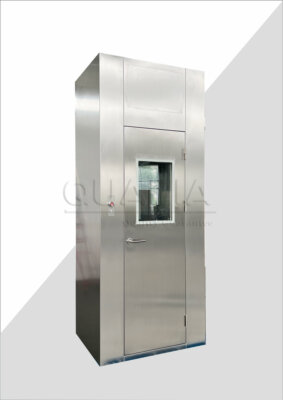
Die Auswahl eines Pass-Through-Systems ist eine langfristige strategische Entscheidung. Die Bewertung muss über die Schrankspezifikationen hinausgehen, um die Fähigkeiten des Anbieters als Systemintegrator zu beurteilen. Der ideale Partner kann eine nahtlose, validierte, schlüsselfertige Lösung anbieten und verfügt über eigene Technik für kundenspezifische Durchführungen, Versorgungsschnittstellen und die Integration von Steuerungssystemen. Die Wahl zwischen einem Autoklaven, einem Tauchbecken oder einer Kombination muss auf einer klaren Analyse des Materialbedarfs und der Durchsatzanforderungen des Forschungsportfolios beruhen. Für Einrichtungen, die verschiedene Materialtypen verarbeiten, ist eine robuste Doppeltür-Durchreiche-Autoklaven-System bildet oft den nicht verhandelbaren Kern der Transferstrategie.
Der Validierungslebenszyklus und zukünftige Trends
Die Validierung erfolgt in zwei Phasen: Erstinstallationsqualifizierung (IQ), Betriebsqualifizierung (OQ) und Leistungsqualifizierung (PQ) des installierten Systems, gefolgt von einer laufenden jährlichen Revalidierung. Die zunehmenden weltweiten Investitionen in die Hochkontaminationsforschung fördern die Nachfrage nach standardisierten, vorgefertigten, modularen BSL-4-Einheiten, um komplexe, langwierige Bauzeiten zu verkürzen. Für die kooperative Forschung an mehreren Standorten wird die Kompatibilität der Transfermethoden, wie z. B. standardisierte Rapid Transfer Port (RTP)-Designs, entscheidend sein. Dies legt nahe, dass für die Zukunftssicherheit einer Einrichtung nicht nur die aktuellen Standards, sondern auch die sich abzeichnenden internationalen Normen für die Durchleitungstechnologie berücksichtigt werden müssen.
Die wichtigsten Entscheidungspunkte sind die Integrität der Einschlussgrenze, die Abstimmung der Transfermethoden auf die Forschungsmaterialien und die Integrationskompetenz des Anbieters. Die Validierung ist kein einmaliges Ereignis, sondern ein wiederkehrender Kostenfaktor im Lebenszyklus. Benötigen Sie professionelle Unterstützung bei der Entwicklung und Validierung einer sicheren Hochsicherheitsintegration für Ihre Einrichtung? Das Ingenieurteam von QUALIA ist spezialisiert auf schlüsselfertige Biocontainment-Lösungen, die auf komplexe Forschungs- und Herstellungsprotokolle zugeschnitten sind. Für spezifische Projektanfragen können Sie auch Kontakt.
Häufig gestellte Fragen
F: Was sind die kritischen technischen Sicherheitsvorkehrungen für einen Autoklaven mit Doppeltür und Durchreiche, der an ein BSC der Klasse III angeschlossen ist?
A: Die wichtigsten Sicherheitsvorkehrungen sind eine permanente, luftdichte Bioabdichtung an der Schrankwand und ein Türverriegelungssystem, das physisch verhindert, dass sich beide Türen gleichzeitig öffnen. Die Steuerlogik des Autoklaven darf die Außentür erst freigeben, wenn ein validierter Dampfsterilisationszyklus abgeschlossen ist, und die Abluftdämpfe müssen HEPA-gefiltert werden. Das bedeutet, dass Ihre Einrichtung den Autoklaven als integralen Bestandteil des Sicherheitsbehälters behandeln muss, nicht nur als Sterilisator, und seine Steuerlogik und Dichtungen nach Standards wie ISO 10648-2.
F: Wie wählt man zwischen einem Autoklaven und einem Tauchbecken für den Materialtransfer in einen BSC der Klasse III?
A: Die Wahl ist eine strategische Workflow-Entscheidung, die von Ihren Forschungsmaterialien diktiert wird. Der Autoklav ist für den Batch-Transfer von hitze- und feuchtigkeitstoleranten Gegenständen gedacht, während der Tauchtank für den On-Demand-Transfer von empfindlicher Elektronik oder anderen dampfunverträglichen Geräten unerlässlich ist. Das bedeutet, dass Einrichtungen mit einem breit gefächerten Forschungsportfolio, die beide Arten von Materialien benötigen, beide Systeme einplanen und validieren sollten, da die sekundäre Methode direkt die experimentellen Möglichkeiten innerhalb der Einschlusszone bestimmt.
F: Welche Validierungs- und Konformitätsprotokolle sind für ein integriertes Pass-Through-System vor der Verwendung vorgeschrieben?
A: Vor der Inbetriebnahme muss das gesamte integrierte System einer strengen physikalischen und biologischen Validierung unterzogen werden, um die Wirksamkeit der Dekontamination nachzuweisen. Die jährliche Rezertifizierung ist obligatorisch und umfasst Lecktests der HEPA-Filter, die Überprüfung der biologischen Indikatoren im Autoklaven und die Überprüfung der Konzentration des Desinfektionsmittels im Eintauchtank. Da es sich um einen nicht verhandelbaren Wartungszyklus handelt, müssen Sie diese jährliche Ausfallzeit einplanen und budgetieren, was sich direkt auf die Kontinuität der Forschung und den Zeitplan des Projekts auswirkt.
F: Welche Anlageninfrastruktur ist erforderlich, um einen BSC der Klasse III mit integrierten Durchreichen sicher zu unterstützen?
A: Das Labor muss eine geschlossene innere Hülle mit einer speziellen, nicht rezirkulierenden Belüftung mit redundanten Abluftventilatoren und Systemen zur Abwasserbehandlung sein. Alle Versorgungsleitungen und die Durchgangsdichtungen müssen dauerhaft luftdicht sein, um die kritische Unterdruckkaskade aufrechtzuerhalten. Dies bedeutet, dass Sie bei der Beschaffung nicht mehr nur einen Schrank kaufen, sondern ein integriertes Biocontainment-Modul entwerfen müssen, was eine enge Zusammenarbeit mit Anbietern erfordert, die über starke interne technische Fähigkeiten und eine umfangreiche Kapitalplanung im Vorfeld verfügen.
F: Wie verändert die Integration eines Durchlaufautoklaven den Arbeitsablauf im Labor grundlegend?
A: Es wird ein sequenzielles, chargenbasiertes Betriebsmodell eingeführt. Der Arbeitsablauf erfordert, dass die Gegenstände hineingelegt werden, die Innentür verschlossen wird, ein vollständiger, validierter Sterilisationszyklus durchgeführt wird und erst dann die Außentür zur Entnahme entriegelt wird. Dies bedeutet, dass bei der Versuchsplanung diese Verzögerung bei der Sterilisation berücksichtigt werden muss, was eine strenge Verfahrensdisziplin und eine Materialverfolgung über Logbücher erfordert, um sowohl die Sicherheit als auch die experimentelle Integrität zu gewährleisten.
F: Welches sind die wichtigsten Notfallpläne, die für die Aufrechterhaltung eines Class III BSC mit Pass-Throughs erforderlich sind?
A: Für unmittelbare Bedrohungen wie die Verletzung von Handschuhen müssen Sie über klare, geübte Protokolle verfügen, einschließlich sicherer Austauschverfahren, solange der Schrank kontaminiert ist. Eine umfassendere Planung muss die langwierige gasförmige Dekontamination (z. B. mit Paraformaldehyd) berücksichtigen, die vor jeder internen Wartung erforderlich ist und zu erheblichen Ausfallzeiten führt. Dies macht häufig Investitionen in redundante Schrankkapazitäten erforderlich, um eine vollständige Unterbrechung des Forschungsbetriebs während dieser obligatorischen Eingriffe zu vermeiden.
F: Worauf sollten wir bei der Auswahl eines Anbieters für einen Klasse-III-BSC und ein Pass-Through-System vorrangig achten?
A: Beurteilen Sie die Fähigkeit des Anbieters als Systemintegrator, eine nahtlose, validierte schlüsselfertige Lösung zu liefern, und nicht nur seine Schrankspezifikationen. Die Wahl zwischen Autoklav und Tauchbecken muss auf die Materialanforderungen Ihres Forschungsportfolios abgestimmt sein. Das bedeutet, dass Sie bei der Auswahl des Anbieters die interne technische Unterstützung für eine sichere Integration und seine nachweisliche Erfolgsbilanz bei der Durchführung des zweistufigen Validierungsprozesses (Erstqualifizierung und laufende Revalidierung) berücksichtigen sollten.
Verwandte Inhalte:
- Größen von Biosicherheitskabinen: Die perfekte Größe finden
- Installation einer biologischen Sicherheitswerkbank: Was Sie wissen müssen
- Biosicherheitskabine der Klasse III vs. BSC der Klasse II: 12 kritische Unterschiede bei der Auswahl von BSL-3- und BSL-4-Containments
- Wann sollte eine biologische Sicherheitswerkbank der Klasse II auf Klasse III umgestellt werden? BSL-4 Risikobewertungskriterien
- Reinigung der biologischen Sicherheitswerkbank: Schritt-für-Schritt-Anleitung
- Betrieb einer biologischen Sicherheitswerkbank: Leitfaden für die Ausbildung
- Klasse III Biosicherheits-Isolatoren: Ultimativer Schutz
- BSL-4-Anzug vs. Kabinett-Labore: Vergleich der Konstruktion
- Auswahl biologischer Sicherheitswerkbänke für BSL 2/3/4 Labore: Vergleich von Klasse I, II, III und NSF/ANSI 49-Anforderungen