
Die Auswahl der richtigen Sicherheitswerkbank ist für jedes Labor eine wichtige Entscheidung in Bezug auf Kapital und Sicherheit. Die Wahl zwischen einem Klasse-II- und einem Klasse-III-System hängt von einem genauen Verständnis der Luftströmungsleistung und der Einschließungsfähigkeiten ab, nicht nur von der Klassifizierung der biologischen Sicherheitsstufe (BSL). Eine falsche Anwendung kann zu katastrophalen Sicherheitsmängeln, vergeudetem Kapital und nicht konformem Betrieb führen.
Die Unterscheidung zwischen aerodynamischer und physikalischer Eindämmung ist von grundlegender Bedeutung. Da Laboratorien mit immer komplexeren Stoffen, einschließlich flüchtiger Verbindungen und hochgefährlicher Krankheitserreger, umgehen, werden die technischen Spezifikationen in Bezug auf CFM, Anströmgeschwindigkeit und Abgasabhängigkeit zu den wichtigsten Faktoren bei der Auswahl. Ein datengestützter Vergleich dieser Parameter ist unerlässlich, um die Ausrüstung auf spezifische Gefahrenprofile und Arbeitsabläufe abzustimmen.
Grundlegende Luftstromgestaltung: Klasse II vs. Klasse III BSCs
Die aerodynamische Barriere der Klasse II
Bei den Schränken der Klasse II handelt es sich um frontoffene Systeme mit Teilbarriere. Ihr Containment beruht auf einem genau abgestimmten Gleichgewicht dreier Luftströme: Die durch die vordere Öffnung angesaugte Luft schützt den Benutzer, die HEPA-gefilterte laminare Abwärtsströmung schützt das Produkt, und die HEPA-gefilterte Abluft schützt die Umgebung. Durch diese Konstruktion entsteht ein aerodynamischer Vorhang, so dass der Schrank für ein breites Spektrum von BSL-1-, 2- und 3-Arbeiten geeignet ist. Entscheidend ist, dass dieses Gleichgewicht durch Zugluft, schnelle Bewegungen oder eine falsche Platzierung nicht gestört werden kann.
Die physische Schranke der Klasse III
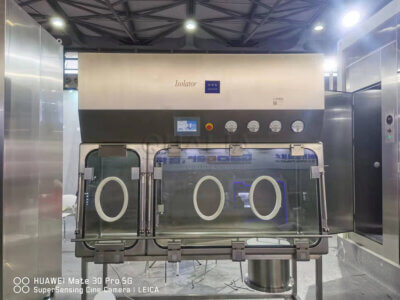
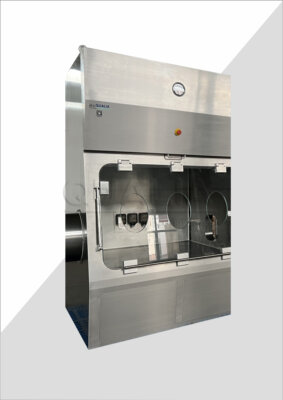
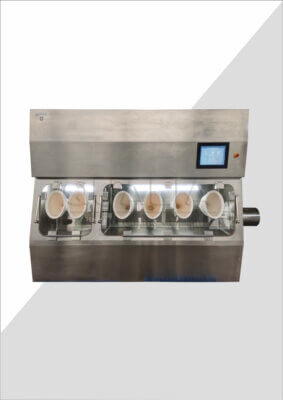
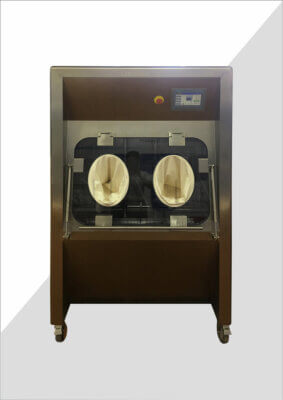
Im Gegensatz dazu handelt es sich bei den Schränken der Klasse III um vollständig geschlossene, gasdichte Handschuhkästen. Bei ihnen entfällt die offene Vorderseite vollständig und die aerodynamische Barriere wird durch eine vollständige physische Barriere aus geschweißtem Stahl und Sicherheitsglas ersetzt. Die gesamte in die Kammer eintretende Luft wird mit HEPA-Filtern gefiltert, und die gesamte Abluft wird durch zwei hintereinander geschaltete HEPA-Filter geleitet. Der Innenraum wird unter konstantem Unterdruck (≥0,5″ w.g.) gehalten, wodurch sichergestellt wird, dass jedes Leck die Luft nach innen und nicht nach außen zieht. Aufgrund dieses grundlegenden Unterschieds werden sie für Arbeiten mit höchstem Risiko eingesetzt.
Design diktiert Anwendung
Das Luftstromdesign bestimmt direkt den Anwendungsbereich. Klasse-II-Schränke bieten betriebliche Flexibilität für mikrobiologische Routinearbeiten. Systeme der Klasse III sind für hochgefährliche BSL-3- und alle BSL-4-Agenzien reserviert, bei denen eine absolute Eindämmung nicht verhandelbar ist. Branchenexperten betonen, dass die die Rückführungsquote bestimmt die operative Flexibilität und das Risikoprofil innerhalb der Klasse II-Typen, ein Faktor, der in der versiegelten Klasse III-Umgebung fehlt.
Kostenvergleich: Kapitalinvestitionen und Betriebskosten
Verstehen der Investitionsausgaben
Der Kaufpreis ist nur der Einstiegspunkt. Ein Klasse-II-Schrank des Typs A2 stellt die niedrigste Investitionssumme dar, während ein kanalisierter Typ B2 aufgrund seiner integrierten Abluftanforderungen teurer ist. Schränke der Klasse III verursachen die höchsten Investitionskosten, die durch eine komplexe versiegelte Konstruktion, Handschuhöffnungen, Durchreichekammern und strenge Kontrollsysteme verursacht werden. Wir haben die Projektbudgets verglichen und festgestellt, dass die Nebenkosten für die Klasse III, einschließlich einer speziellen Absaugung und Änderungen an der Einrichtung, oft die Kosten für den Schrank selbst erreichen oder übersteigen.
Langfristige betriebliche Belastung
Die Gesamtbetriebskosten zeigen die wahren finanziellen Auswirkungen. Schränke der Klasse II, Typ A, führen ~70% Luft zurück und sind somit energieeffizient. Schränke des Typs B, insbesondere der Typ B2 mit 100% Abluft, bieten eine bessere Gefahreneindämmung, erfordern jedoch eine robuste, energieintensive HLK-Anlage, um die spezielle Abluftlast zu bewältigen. Die Betriebskosten für Schränke der Klasse III sind beträchtlich, da ständig externe Abluft zur Aufrechterhaltung des Unterdrucks benötigt wird und strengere, spezielle Wartungsprotokolle erforderlich sind. Die Abhängigkeit von der Anlage ist absolut gegeben.
Ein Rahmen für die Finanzanalyse
| Kostenkomponente | Klasse II BSC (Typ A2) | Klasse II BSC (Typ B2) | Klasse III BSC |
|---|---|---|---|
| Kapitalanlage | Unter | Mäßig | Höchste |
| Hauptkostentreiber | Kabinett Typ | Auspuffanlage | Komplexe versiegelte Konstruktion |
| Operativer Kostentreiber | Energie (Rückführung) | Hohe Energie (100% Auspuff) | Ständige Abgasreinigung und Wartung |
| Abhängigkeit von der Einrichtung | Minimal | Dedizierte HLK erforderlich | Dedizierter Abzug und Raum |
| Rückführungsverhältnis | ~70% Luftumwälzung | 0% (100% erschöpft) | N/A (versiegeltes System) |
Quelle: Technische Dokumentation und Industriespezifikationen.
Diese Tabelle verdeutlicht, dass der billigste Schrank in der Anschaffung zum teuersten im Betrieb werden kann, wenn seine Abgasanforderungen die vorhandene Anlagenkapazität übersteigen. Die strategische Finanzfrage ist nicht nur das Preisschild, sondern auch die damit verbundene Infrastrukturrechnung.
Leistungsdaten: CFM, Anströmgeschwindigkeit und Luftstrommuster
Quantifizierung der Klasse-II-Leistung
Die Leistung von Schränken der Klasse II wird durch folgende Normen bestimmt NSF/ANSI 49. Zu den wichtigsten Parametern gehören die Anströmgeschwindigkeit (mindestens 100 fpm), die der wichtigste technische Faktor für die Handhabung flüchtiger Chemikalien ist, und die Abströmgeschwindigkeit (~60 fpm) zum Schutz des Produkts. Das Verhältnis zwischen Umluft und Abluft ist entscheidend: Typ A2 saugt ~30% Luft ab, Typ B1 ~70%, und Typ B2 100%. Diese Zahlen definieren die Wirksamkeit des Containments und die Eignung für die Handhabung von Chemikalien.
Messung der Umschließung der Klasse III
Die Anströmgeschwindigkeit ist bei Schränken der Klasse III aufgrund der geschlossenen Front irrelevant. Die Leistung wird anhand der Luftwechselraten innerhalb der Kammer und der Aufrechterhaltung des Unterdrucks (≥0,5″ w.g.) gemessen. Die Prüfmethoden der Regulierungsbehörden unterscheiden sich grundlegend nach BSC-Klassen. Die Klasse-II-Zertifizierung konzentriert sich auf Messungen der Zu- und Abluftströme und Rauchmuster. Die Prüfung der Klasse III konzentriert sich auf Druckabfalltests, die Überprüfung der Luftwechselrate und die Überprüfung der Integrität von zwei Abgasfiltern.
Datengestützter Vergleich
| Leistungsparameter | Klasse II BSC (NSF/ANSI 49) | Klasse III BSC |
|---|---|---|
| Anströmgeschwindigkeit (Fläche) | ≥100 Fuß pro Minute (fpm) | Nicht anwendbar (versiegelt) |
| Abwärtsfluss-Geschwindigkeit | ~60 fpm (laminar) | Gemessene Luftwechselrate |
| Auspuffverhältnis (Typ A2) | ~30% der Gesamtluft | 100% extern entlüftet |
| Auspuffverhältnis (Typ B2) | 100% extern entlüftet | Zwei HEPA-Filter in Reihe |
| Primäre Einschließungsmethode | Aerodynamische Luftbarriere | Physikalische Barriere und Unterdruck |
| Unterdruck | Nicht anwendbar | ≥0,5 Zoll Wasserspiegel |
Quelle: NSF/ANSI 49. Diese Norm definiert die kritischen Leistungskriterien für BSC der Klasse II, einschließlich der Mindestanström- und -abflussgeschwindigkeiten, die die Grundlage für den Vergleich mit Systemen der Klasse III bilden.
Diese Gegenüberstellung von Daten zeigt, dass die Erfolgskriterien völlig unterschiedlich sind. Bei der Auswahl eines Schranks muss zunächst entschieden werden, welcher Satz von Leistungsparametern - geschwindigkeits- oder druckbasiert - für Ihre Risikobewertung erforderlich ist.
Vergleich der Einschließungsstufen: Personal, Produkt und Umwelt
Das Dreifach-Schutz-Versprechen
Beide Klassen zielen auf den Schutz von Personal, Produkt und Umwelt ab, allerdings durch unterschiedliche Mechanismen. Klasse II bietet Personenschutz durch die Luftstrombarriere nach innen, Produktschutz durch HEPA-gefilterte Abluft und Umweltschutz durch HEPA-gefilterte Abluft. Klasse III bietet maximalen Schutz für alle drei Bereiche: unübertroffenen Personenschutz durch die physische Barriere, Produktschutz durch HEPA-gefilterte Zuluft und höchsten Umweltschutz durch eine doppelte HEPA-gefilterte Abluft.
BSL-Eignung und Beschränkungen
Schränke der Klasse II sind für Arbeiten in BSL-1, 2 und 3 geeignet. Schränke der Klasse III sind für hochriskante BSL-3- und alle BSL-4-Arbeiten unerlässlich. Ein kritisches, oft übersehenes Detail ist, dass HEPA-Filterung ist eine notwendige, aber unzureichende Kontrolle für chemische Gefahren. HEPA-Filter fangen Partikel und biologische Stoffe ab, nicht Dämpfe. Ein echter Chemikalieneinschluss erfordert Konfigurationen mit externer Belüftung und nicht nur irgendeinen Schrank mit HEPA-Filter.
Aufschlüsselung der Einschließungsstufe
| Aspekt des Schutzes | Klasse II BSC | Klasse III BSC |
|---|---|---|
| Schutz des Personals | Barriere für den Luftstrom nach innen | Vollständige physische Barriere |
| Produktschutz | HEPA-gefilterter Abluftstrom | HEPA-gefilterte Zuluft |
| Schutz der Umwelt | HEPA-gefilterte Abluft | Doppelte HEPA-gefilterte Abluft |
| Geeignete BSL-Niveaus | 1, 2, 3 | Hohes Risiko 3 & 4 |
| Schutz vor chemischen Dämpfen | Begrenzt (abgasabhängig) | Hoch (wenn speziell entwickelt) |
| Innerer Druck | Ambient oder positiv | Konstant negativ (≥0,5″ w.g.) |
Quelle: EN 12469. Diese europäische Norm legt Leistungskriterien und Sicherheitsstufen für alle Klassen von mikrobiologischen Sicherheitswerkbänken fest und bietet einen Rahmen für den Vergleich des Schutzes, den die Ausführungen der Klassen II und III bieten.
Die Tabelle verdeutlicht, dass “Eindämmung” kein monolithisches Konzept ist. Sie müssen den spezifischen Schutzmechanismus - Luftbarriere oder physische Barriere - auf die spezifische Art der Gefahr abstimmen.
Welcher BSC ist besser für den Einsatz von Chemikalien oder flüchtigen Stoffen geeignet?
Der Auspuff-Imperativ
Die Eignung für die Verwendung von Chemikalien wird streng durch die Fähigkeit des Schranks, Dämpfe zu entfernen, definiert. Unter den Schränken der Klasse II sollten nur Typen mit externer Absaugung in Betracht gezogen werden. Typ B2 (100% Abluft) bietet den höchsten Grad an Rückhaltung von chemischen Dämpfen. Typ B1 (70% Abluft) ist ebenfalls geeignet, während Typ A2 nur für kleinste Mengen verwendet werden kann, wenn er ordnungsgemäß mit einer Abluftanlage verbunden ist. Bei Umwälzschränken besteht ein erhebliches Risiko der Dampfansammlung.
Die ultimative geschlossene Umgebung
Schränke der Klasse III, die speziell mit chemikalienbeständigen Materialien und einer speziellen Abluftbehandlung (z. B. Wäscher) ausgestattet sind, bieten die ultimativ sichere Umgebung für flüchtige Stoffe. Die versiegelte physische Barriere und der konstante Unterdruck verhindern flüchtige Emissionen in das Labor. Die Wahl hängt von einer strengen chemischen Risikobewertung ab, die auf die Abgasspezifikation und Materialkompatibilität des Schranks abgestimmt ist.
Navigieren in hybriden Designs
In dem Artikel wird ausdrücklich kritisiert, dass die hybride Bauweise des Typs C1 die Betriebsabläufe komplizierter macht, ohne klare Vorteile zu bieten. Unserer Erfahrung nach sind Labore besser bedient, wenn sie einen speziell angefertigten A2-Schrank für minimale Chemikalien oder einen echten B2-Schrank für spezielle Arbeiten mit flüchtigen Stoffen wählen, als ein konvertierbares System, das die Protokolle beeinträchtigen kann. Für die konsequente Arbeit mit gefährlichen Dämpfen ist ein spezieller extern abgesaugte biologische Sicherheitswerkbank ist die sicherere und zuverlässigere Investition.
Wartung, Zertifizierung und betriebliche Komplexität
Jährliche Zertifizierungsanforderungen
Für beide Klassen ist eine jährliche Zertifizierung vor Ort erforderlich, der Umfang ist jedoch unterschiedlich. Die Zertifizierung der Klasse II pro NSF/ANSI 49 umfasst quantitative Messungen der Anström- und Abströmgeschwindigkeiten, Lecktests von HEPA-Filtern und Rauchmuster des Luftstroms. Die Zertifizierung der Klasse III ist strenger und prüft die Integrität des Unterdrucks, die Luftwechselraten und die Leckagen der beiden HEPA-Filter. Sie folgt oft zusätzlichen Standards wie ISO 14644-7 für Trennvorrichtungen.
Tägliche betriebliche Realitäten
Die operative Komplexität ist ein wichtiges Unterscheidungsmerkmal. Klasse II erfordert aseptische Standardtechniken in einer offenen Umgebung. Klasse III erfordert eine spezielle Handschuhfachtechnik in einer versiegelten Umgebung, was sich auf die Arbeitsgeschwindigkeit und Ergonomie auswirkt. Die interne Gebläsekonstruktion schafft kritische Fehlerpunkte in der Abluftabhängigkeit bei fest verrohrten Schränken des Typs B. Dies erfordert Alarme bei Abgasausfällen und automatische Abschaltverriegelungen, was eine zusätzliche Ebene der Systemverwaltung darstellt.
Die Umstellung auf intelligente Überwachung
| Anforderung | Klasse II BSC | Klasse III BSC |
|---|---|---|
| Häufigkeit der Zertifizierung | Jährliche Zertifizierung vor Ort | Jährliche Zertifizierung vor Ort |
| Wichtige Testmetriken | Anström-/Abströmgeschwindigkeit, HEPA-Leck | Unterdruck, Luftwechsel, HEPA-Leck |
| Operative Komplexität | Mäßig (offene Frontarbeit) | Hoch (Arbeit im Handschuhfach) |
| Risiko eines Auspuffversagens | Kritisch für hart geführte Typen | Inhärent sicher (Unterdruck) |
| Intelligente Überwachung Trend | Durchfluss-/Druckwarnungen in Echtzeit | Druckintegritätswarnungen in Echtzeit |
| Bedarf an Benutzerschulung | Standardmäßige aseptische Technik | Spezialisierte Handschuhport-Technik |
Quelle: NSF/ANSI 49 und ISO 14644-7. NSF/ANSI 49 regelt die Feldzertifizierungstests für Schränke der Klasse II, während ISO 14644-7 den Konstruktions- und Testrahmen für Trennvorrichtungen wie Handschuhfachisolatoren der Klasse III vorgibt.
Mit dem Aufkommen intelligenter BSC-Systeme verlagert sich das Risikomanagement von der periodischen zur kontinuierlichen Überwachung. Die Echtzeitüberwachung von Parametern wie Anströmgeschwindigkeit oder Druck ermöglicht eine proaktive Wartung, ersetzt aber nicht die vorgeschriebene jährliche Zertifizierung.
Vergleich der Anforderungen an Platz, Installation und Einrichtung
Das Installationsspektrum
Die Anforderungen variieren drastisch. Klasse-II-Schränke des Typs A sind steckerfertig und benötigen nur eine Standardsteckdose. Schränke des Typs B erfordern ein spezielles, ausgeglichenes Abluftkanalsystem, häufig eine Notstromquelle und eine erhebliche HLK-Kapazität. Schränke der Klasse III haben die strengsten Anforderungen: ein spezielles Abluftsystem, das in der Lage ist, einen Unterdruck aufrechtzuerhalten, viel Platz für das Gerät und die Zusatzkomponenten und oft einen speziellen Vorraum. Sie sind fest installiert.
Die globale Compliance-Herausforderung
Die Zersplitterung der Rechtsvorschriften führt dazu, dass die Einhaltung verschiedener Standards für globale Unternehmen eine Belastung darstellt. Änderungen an der Anlage, um die Abgas- oder Alarmstandards einer Region zu erfüllen (z. B. NSF vs. EN), entsprechen möglicherweise nicht den Standards einer anderen Region. Dies wirkt sich auf die Installationsplanung für multinationale Organisationen aus, wo ein in einem Land gekaufter Schrank für den Einsatz in einem anderen Land möglicherweise kostspielige Nachrüstungen erfordert.
Zusammenfassung der Auswirkungen der Fazilität
| Faktor der Einrichtung | Klasse II Typ A2 | Klasse II Typ B2 | Klasse III |
|---|---|---|---|
| Auspuff-Anforderung | Optional (Haubenanschluss) | Vorgeschriebenes eigenes Kanalsystem | Obligatorisches dediziertes System |
| Elektrischer Bedarf | Standard-Ausgang | Ausgang + Leistung des Abluftventilators | Auslass + Systemsteuerung |
| Mobilität | Kann verlagert werden | Festeinbau | Feste Installation |
| Bedarf an Platz | Nur Grundfläche des Schranks | Stellfläche + Kanalzugang | Kabinett + Vorraum möglich |
| HVAC Auswirkungen | Niedrig | Hoch (verarbeitet volle Abluft-CFM) | Sehr hoch (hält den Unterdruck aufrecht) |
| Regulatorische Belastung | Einzelner Primärstandard | Mehrere regionale Normen | Mehrere strenge Normen |
Quelle: Technische Dokumentation und Industriespezifikationen.
Dieser Vergleich macht deutlich, dass der Prozess der Schrankauswahl bereits in der frühesten Phase die Gebäudetechnik einbeziehen muss. Der ausgewählte BSC muss in den Raum und die vorhandene mechanische Infrastruktur passen.
Entscheidungsrahmen: Die Auswahl des richtigen biologischen Sicherheitsschranks
Schritt 1: Gefahrenermittlung
Führen Sie zunächst eine formelle Risikobewertung durch. Ermitteln Sie alle biologischen Agenzien (BSL-Stufe) und alle vorhandenen chemischen, radiologischen oder physikalischen Gefahren. Dieser Schritt bestimmt die erforderliche Einschließungsstufe. Die Entwicklung der BSC-Standards treibt die Spezialisierung gegenüber der Generalisierung voran. Ordnen Sie den Schrank der genauen Gefahr zu, nicht einer allgemeinen “hochrangigen” Kategorie.
Schritt 2: Prüfung der Leistungsfähigkeit der Einrichtung
Zweitens: Prüfen Sie die Möglichkeiten der Einrichtung. Kann die HLK-Anlage die erforderliche Abluft-CFM bewältigen? Gibt es Platz und strukturelle Unterstützung für die Rohrleitungen? Wie sehen die elektrischen und alarmtechnischen Anforderungen aus? In diesem Schritt werden oft Optionen ausgeschlossen, die zwar technisch geeignet, aber praktisch unmöglich richtig zu installieren sind.
Schritt 3: Operative und finanzielle Analyse
Drittens: Modellieren Sie die betrieblichen Auswirkungen und die Gesamtbetriebskosten. Berücksichtigen Sie die Unterbrechung des Arbeitsablaufs, den Schulungsbedarf der Benutzer, die Energiekosten in Verbindung mit dem Umwälzverhältnis und die Komplexität der Zertifizierung. Entscheidend, die Unterscheidung zwischen Eindämmung und Sauberkeit wird getrennte Ausrüstungsmärkte vorantreiben. Ersetzen Sie niemals eine Laminar-Flow-Haube (nur Produktschutz) durch eine BSC, da dies ein katastrophales Sicherheitsversagen darstellt.
Die richtige BSC ist diejenige, die Ihren spezifischen Gefahren entspricht, zu den Einschränkungen Ihrer Einrichtung passt und Ihre betrieblichen Abläufe über den gesamten Lebenszyklus sicher und effizient unterstützt. Ein disziplinierter, gefahrenbasierter Auswahlprozess ist der einzige Weg, um sowohl Sicherheit als auch betriebliche Effizienz zu gewährleisten.
Beginnen Sie mit einer strengen Gefährdungsbeurteilung, um Ihr erforderliches Schutzniveau zu bestimmen. Überprüfen Sie dann diese Wahl anhand der Abgas-, Platz- und Energiebeschränkungen Ihrer Einrichtung. Schließlich sollten Sie die langfristigen betrieblichen und finanziellen Auswirkungen von Wartung und Zertifizierung modellieren.
Benötigen Sie professionelle Unterstützung bei dieser wichtigen Entscheidung für Ihr Labor? Die Experten von QUALIA sind darauf spezialisiert, fortschrittliche Containment-Technologie auf komplexe Forschungs- und Produktionsanforderungen abzustimmen. Für eine ausführliche Beratung zu Ihrer spezifischen Anwendung können Sie auch Kontakt.
Häufig gestellte Fragen
F: Wie unterscheidet sich die grundsätzliche Luftstromgestaltung eines Klasse-III-Schranks von der eines Klasse-II-Schranks, und was sind die praktischen Auswirkungen?
A: Bei den Schränken der Klasse III handelt es sich um vollständig abgedichtete Handschuhkästen, die auf einer physischen Barriere und einem konstanten Unterdruck (≥0,5″ w.g.) beruhen, um Gefahren einzudämmen, wobei die gesamte Luft durch HEPA-Filter geleitet wird. Im Gegensatz dazu verwenden Schränke der Klasse II eine offene Vorderseite und eine genau ausbalancierte aerodynamische Barriere aus nach innen und unten strömender Luft zur Eindämmung. Das bedeutet, dass Einrichtungen, die mit den risikoreichsten Agenzien (BSL-4) umgehen, den vollständigen Einschluss eines Klasse-III-Schranks installieren müssen, während die meisten BSL-2/3-Arbeiten sicher in einem Klasse-II-Schrank durchgeführt werden können. Die Website WHO-Handbuch für biologische Sicherheit im Labor bietet eine risikobasierte Anleitung für diese Auswahl.
F: Welches sind die wichtigsten Leistungskennzahlen für die Bewertung des Einschlusses einer Biosicherheitswerkbank der Klasse II für die Verwendung von Chemikalien?
A: Für den Einsatz von Chemikalien oder flüchtigen Stoffen sind die Abluftkonfiguration des Schranks und die Anströmgeschwindigkeit an der Arbeitsöffnung die entscheidenden Leistungsparameter. Nur extern abgesaugte Typen der Klasse II (B1 oder B2) sind geeignet, wobei eine Mindestanströmgeschwindigkeit von 100 Fuß pro Minute durch Normen wie NSF/ANSI 49. Das bedeutet, dass ein Projekt, das mit Lösungsmitteldämpfen zu tun hat, einen fest verrohrten Schrank des Typs B2 vorsehen und sicherstellen muss, dass die HLK-Anlage der Einrichtung die Abluftlast des 100% bewältigen kann, da HEPA-Filter allein keine chemischen Dämpfe auffangen können.
F: Wie sieht es mit dem Zertifizierungs- und Wartungsaufwand zwischen Sicherheitswerkbänken der Klasse II und der Klasse III aus?
A: Die Zertifizierung der Klasse II konzentriert sich auf quantitative Luftstrommessungen (Anström-/Abströmgeschwindigkeit) und die Integrität der HEPA-Filter, während die Prüfung der Klasse III strenger ist und die Integrität des Unterdrucks, die Luftwechselraten und die doppelten Abluftfilter testet. Die Betriebskomplexität ist bei Geräten der Klasse III aufgrund der Verwendung von Handschuhen ebenfalls höher. Das bedeutet, dass Laboratorien für die jährliche Zertifizierung von Klasse-III-Schränken speziellere und oft kostspieligere Dienstleistungen einplanen und in umfangreichere Benutzerschulungen für den versiegelten Betrieb investieren müssen.
F: Welche Infrastruktur ist für die Installation einer fest installierten Biosicherheitswerkbank der Klasse II, Typ B2, erforderlich?
A: Die Installation eines Schranks des Typs B2 erfordert ein spezielles, ausgewogenes Abluftkanalsystem und häufig eine Notstromquelle für das externe Abluftgebläse. Die HLK-Anlage der Einrichtung muss so dimensioniert sein, dass sie den erheblichen konstanten Abluftstrom (CFM) bewältigen kann, ohne das Druckgleichgewicht im Gebäude zu stören. Dies bedeutet, dass eine Nachrüstung in einem bestehenden Labor ohne diese Infrastruktur erhebliche Baukosten verursacht, so dass die Investitionsplanung für einen B2-Schrank etwa 30-50% höher ist als für einen Umluftschrank vom Typ A2.
F: Wann ist eine Biosicherheitswerkbank der Klasse III anstelle einer Klasse II unbedingt erforderlich?
A: Ein Klasse-III-Schrank ist obligatorisch für Arbeiten mit Agenzien, die eine Einschließung der Biosicherheitsstufe 4 (BSL-4) erfordern, und ist der Standard für hochriskante BSL-3-Verfahren, bei denen ein maximaler Schutz von Personal und Umwelt nicht verhandelbar ist. Sein gasdichtes Gehäuse mit negativem Überdruck bietet eine vollständige physische Barriere, die eine offene Klasse II nicht erreichen kann. Das bedeutet, dass Ihre Risikobewertung der Erreger der wichtigste Faktor ist; wenn das Protokoll luftübertragene Krankheitserreger mit hohen Folgen beinhaltet, werden die Kapital- und Betriebskosten eines Klasse-III-Schranks zu einer erforderlichen Sicherheitsinvestition, nicht zu einer Option.
F: Wie wirkt sich das Rückführungsverhältnis eines Class II BSC auf die langfristigen Betriebskosten und die Flexibilität aus?
A: Das Umluftverhältnis bestimmt das betriebliche Risikoprofil und den Energieverbrauch eines Schrankes. Ein Typ A2 rezirkuliert ~70% Luft, was die HLK-Belastung und die Energiekosten reduziert, aber die Verwendung mit Chemikalien einschränkt. Ein Typ B2 mit einer Abluftmenge von 100% bietet eine bessere Gefahreneindämmung, verursacht aber eine kontinuierliche, energieintensive Abluftbelastung für die Einrichtung. Das bedeutet, dass die Wahl eines höheren Rezirkulationsverhältnisses für allgemeine mikrobiologische Arbeiten Ihre Gesamtbetriebskosten erheblich senken kann, aber Sie opfern die Flexibilität, flüchtige Stoffe ohne einen Schrankwechsel zu behandeln.
F: Was ist der wichtigste technische Mangel bei der Verwendung eines Standardschranks der Klasse II A2 für Verfahren mit chemischen Lösungsmitteln?
A: Der grundlegende Fehler besteht darin, dass HEPA-Filter, die eine biologische Eindämmung gewährleisten, chemische Dämpfe nicht auffangen können. Die Verwendung eines A2-Umluftschranks mit Lösungsmitteln birgt das Risiko einer Dampfansammlung und Exposition. Für solche Verfahren müssen Sie einen Schrank des Typs B mit externer Absaugung oder einen A2-Schrank mit Haube verwenden, wie es in Normen wie NSF/ANSI 49. Das bedeutet, dass Ihre chemische Risikobewertung direkt die Abgasspezifikation des Schranks vorgeben muss, nicht nur seine biologische Sicherheitsklasse.
Verwandte Inhalte:
- Klasse III Biosicherheits-Isolatoren: Ultimativer Schutz
- Biosicherheitskabine der Klasse III vs. BSC der Klasse II: 12 kritische Unterschiede bei der Auswahl von BSL-3- und BSL-4-Containments
- Biosicherheitswerkbänke der Klasse II Typ B2: Gesamtabsaugung
- Biosicherheitswerkbänke der Klasse I: Merkmale und Verwendungszwecke
- Biosicherheitswerkbänke der Klasse III für maximalen Schutz
- Wann sollte eine biologische Sicherheitswerkbank der Klasse II auf Klasse III umgestellt werden? BSL-4 Risikobewertungskriterien
- Biosicherheitswerkbänke der Klasse II Typ A2 erklärt
- Größen von Biosicherheitskabinen: Die perfekte Größe finden
- Die Wahl des richtigen biologischen Sicherheitsschranks: 5 Schlüsselfaktoren