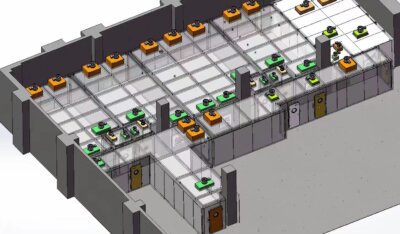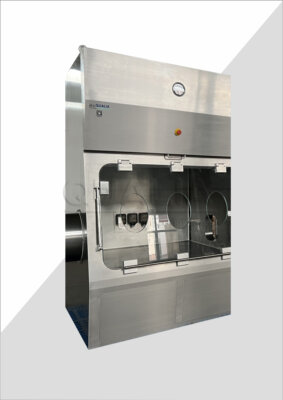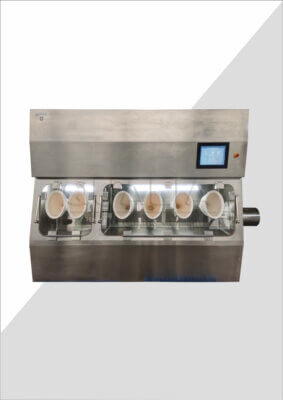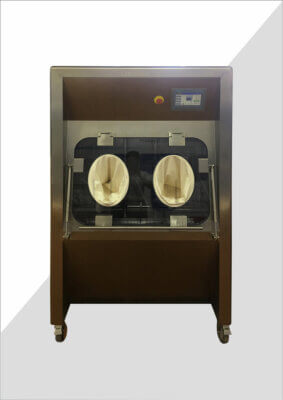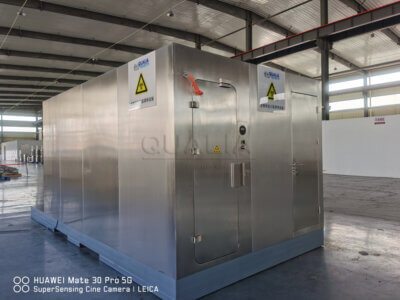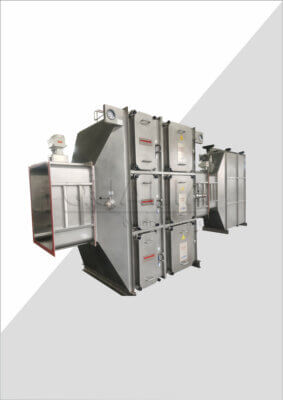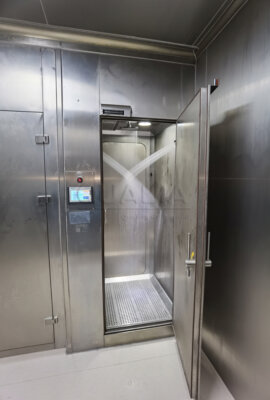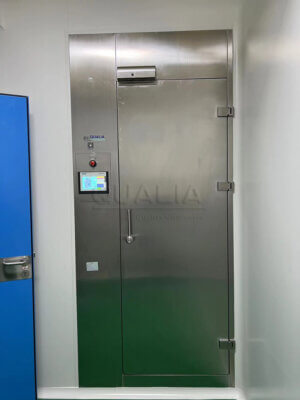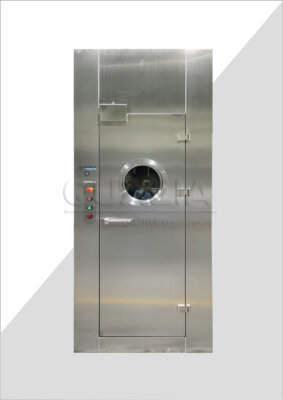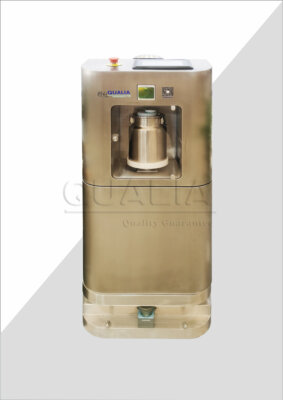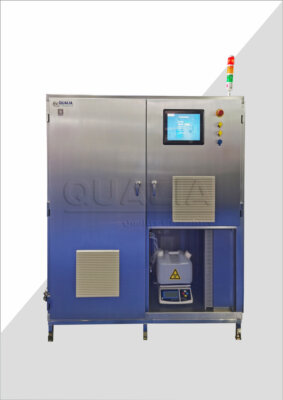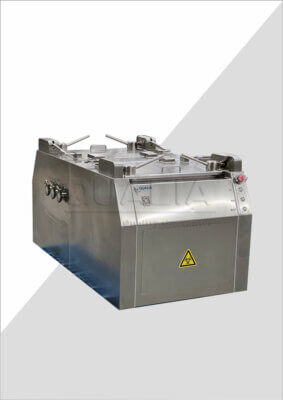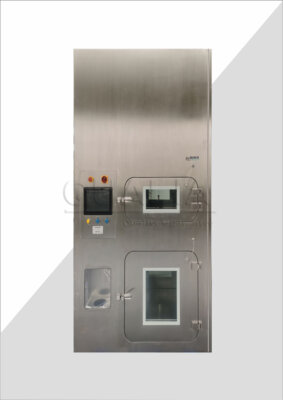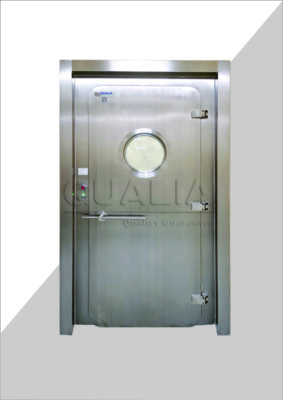

Der Betrieb eines Labors der Biosicherheitsstufe 4 (BSL-4) erfordert ein kompromissloses Engagement für absolute Sicherheit. Das Handschuhfachsystem der Klasse III ist der Eckpfeiler dieses Schutzes, aber seine Effektivität ist nicht von Natur aus gegeben. Die entscheidende Herausforderung liegt nicht in der Beschaffung einer eigenständigen Kabine, sondern in deren erfolgreicher Integration als zentraler Knotenpunkt in einem komplexen, voneinander abhängigen Ökosystem von Sicherheitskomponenten und Versuchsgeräten. Ein Fehler in dieser Integration - sei es eine fehlerhafte Verbindung, ein inkompatibles Material oder ein nicht validiertes Protokoll - kann die gesamte Sicherheitsbarriere gefährden.
Dieses Integrationserfordernis ist dringender denn je. Die Art der BSL-4-Forschung entwickelt sich weiter, mit einem deutlichen Schwerpunkt auf der Untersuchung von aerosolierten Krankheitserregern. Dieser Wandel macht es erforderlich, hochentwickelte aerobiologische Plattformen innerhalb des Sicherheitsbehälters unterzubringen, wodurch sich die einfache Handschuhbox in eine komplexe, automatisierte experimentelle Arbeitsstation verwandelt. Das Design, die Integration und der laufende Betrieb dieser Systeme bestimmen nun direkt die Forschungsmöglichkeiten, die Reproduzierbarkeit und die Gesamtbetriebskosten.
Grundlegende Konstruktionsprinzipien für eine absolute biologische Eindämmung
Die Grundlage der physischen Eingrenzung
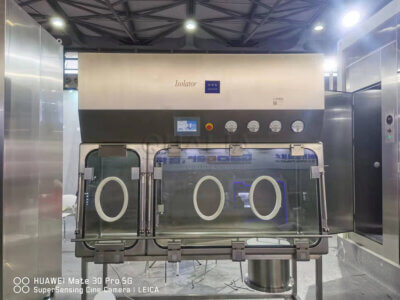
Die Hauptfunktion einer Handschuhbox der Klasse III besteht darin, eine absolute, undurchlässige Barriere zwischen dem Arbeitsstoff und dem Bediener zu errichten. Dies wird durch ein versiegeltes, geschweißtes Gehäuse aus Edelstahl erreicht, das unter anhaltendem Unterdruck arbeitet. Der nach innen gerichtete Luftstrom bei einem möglichen Durchbruch ist nicht verhandelbar. Der Zugang ist auf versiegelte, armlange Handschuhe beschränkt, wobei das Personal häufig zusätzliche Handschuhe trägt. Diese Konstruktionsphilosophie unterstreicht, dass der Schrank keine Insel ist; seine Sicherheit hängt von der nahtlosen Verbindung mit dedizierten, redundanten Gebäudesystemen ab.
Die kritische Rolle der redundanten Filtration
Eindämmung ist eine doppelte Aufgabe: Schutz des Benutzers und Schutz der Umwelt. Das Luftaufbereitungssystem ist für diesen doppelten Zweck konzipiert. Die Zuluft wird durch einen HEPA- oder ULPA-Filter geleitet. Noch wichtiger ist, dass die gesamte Abluft vor der Freigabe durch zwei hintereinander geschaltete HEPA-Filter strömen muss. Diese redundante Konfiguration ist ein vorgeschriebener letzter Schutz. Nach Untersuchungen in Hochsicherheitsanlagen werden diese Filter häufig als einfacher Wartungsgegenstand betrachtet und nicht als die entscheidende Sicherheitskomponente, die sie sind. Ihre jährliche Zertifizierung und ihr eventueller Austausch stellen eine nicht verhandelbare Betriebsausgabe dar.
Spezifikationen für eine versiegelte Umgebung
Die technischen Parameter, die diese geschlossene Umgebung definieren, sind präzise und überprüfbar. Die Einhaltung von Normen wie ISO 10648-2:1994 Auffangwannen bietet den Rahmen für die Klassifizierung und Prüfung der Dichtheit, die für die Systemintegrität von grundlegender Bedeutung ist.
| Entwurfsparameter | Typische Spezifikation | Taste Funktion |
|---|---|---|
| Betriebsdruck | -250 bis -500 Pa | Anhaltender nach innen gerichteter Luftstrom |
| Konstruktion von Schränken | Hochwertiger rostfreier Stahl | Korrosionsbeständigkeit |
| Filterung der Luftzufuhr | HEPA/ULPA-gefiltert | Zufuhr sauberer Luft |
| Abgasfiltration | Zwei HEPA-Filter in Reihe | Redundanter Schutz der Umwelt |
| Zugang Methode | Versiegelte Handschuhe in Armlänge | Absolute physische Barriere |
Quelle: ISO 10648-2:1994 Auffangwannen. Diese Norm enthält das grundlegende Klassifizierungssystem für die Dichtheit und die zugehörigen Prüfverfahren, die für die Überprüfung der Unversehrtheit der abgedichteten Unterdruckumgebung einer Handschuhbox der Klasse III unmittelbar relevant sind.
Wichtige Integrationskomponenten: Tauchbecken, Autoklaven und RTPs
Ermöglichung eines sicheren Materialtransfers
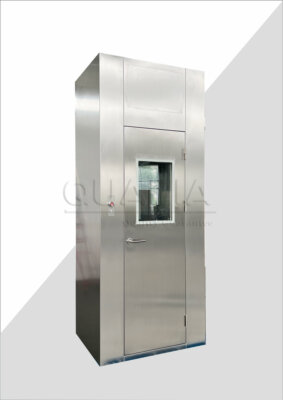
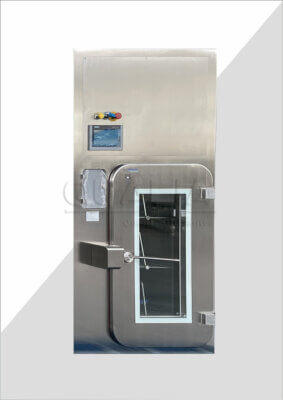
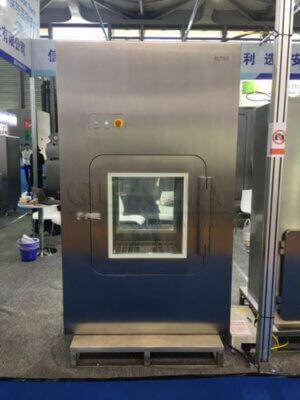
Die Handschuhbox ist ohne validierte Methoden zum Ein- und Ausschleusen von Materialien praktisch nutzlos. Dies beruht auf drei Hauptkomponenten: chemische Tauchbecken für die Flüssigdesinfektion nicht-poröser Gegenstände, Durchreiche-Autoklaven mit Doppeltüren für die Sterilisation und Schnelltransfer-Ports (RTPs). Jede Komponente muss verriegelt oder versiegelt sein, um einen gleichzeitigen Bruch des Containments zu verhindern. Unserer Erfahrung nach überraschen die Vorlaufzeiten und Anpassungsanforderungen für diese integrierten Komponenten die Projektplaner oft, da sie für die harten Dekontaminationszyklen der BSL-4-Umgebung zertifiziert werden müssen.
Das System-als-Ganzes-Geheimnis
Die Beschaffung muss die Handschuhbox als Kernstück eines Teilsystems betrachten. Die Zuverlässigkeit der gesamten Eindämmungsstrategie hängt von der Leistungsfähigkeit dieser Verbindungen ab. Ein Versagen der Autoklaventürdichtung oder des RTP-Andockmechanismus stellt einen direkten Weg für das Entweichen von Erregern dar. Diese Verflechtung verdeutlicht eine wichtige Erkenntnis: Der Wert und die Sicherheit des Primärschranks hängen vollständig von der Qualität und Kompatibilität der angeschlossenen Komponenten ab. Die Wahl dieser Komponenten hat direkten Einfluss auf die langfristige betriebliche Flexibilität und birgt Risiken in der Lieferkette.
Überblick über die Komponentenintegration
Die Auswahl der Integrationskomponenten bestimmt die Arbeitsabläufe, insbesondere bei dynamischen Tierstudien.
| Komponente | Primäre Funktion | Integration Kritikalität |
|---|---|---|
| Chemischer Tauchtank | Flüssige Desinfektionsmittelbarriere | Für nicht poröse Gegenstände |
| Doppeltüriger Autoklav | Sterilisation von Materialien/Abfällen | Sicherheit der verriegelten Tür |
| Schneller Übertragungsanschluss (RTP) | Versiegelter Transfer von Tieren/Proben | Dynamische ABSL-4-Arbeitsabläufe |
| Durchdringungen von Versorgungseinrichtungen | Zukünftige Plattform-Konnektivität | System-als-Ganzes-Entwurf |
Quelle: Technische Dokumentation und Industriespezifikationen.
Validierte Dekontaminationsprotokolle für Systeme der Klasse III
Der betriebliche Engpass
Eine strenge Dekontamination ist der kritische Pfad zwischen den Experimenten. Das gesamte Schrankinnere, einschließlich aller integrierten Geräte, muss vor jeder Wartung oder Protokolländerung einer gasförmigen Dekontamination (z. B. mit Paraformaldehyd) unterzogen werden. Dies ist kein schneller Prozess. Ein vollständiger Zyklus, einschließlich der Kontaktzeit (oft 6-12 Stunden) und der Neutralisierung, kann mehr als 12 Stunden Betriebsausfallzeit erfordern. Diese unflexible Anforderung schränkt den experimentellen Durchsatz direkt ein und ist ein Hauptfaktor für die Kosten pro Experiment in einer BSL-4-Umgebung.
Validierung und Materialkompatibilität
Jeder Dekontaminationszyklus muss mit biologischen Indikatoren validiert werden, die an den schwierigsten Stellen im Schrank angebracht werden (z. B. in Filtern oder tief im Gerät). Dieses Protokoll diktiert jede andere Entscheidung. Die gesamte Innenausstattung - von Regalen bis hin zu komplexen aerobiologischen Plattformen - muss aus Materialien bestehen, die wiederholten, aggressiven Gaszyklen standhalten können. Diese Spezifikation schränkt den Kreis der kompatiblen Anbieter erheblich ein und kann die Beschaffungszeiten für kundenspezifische Versuchsmodule verlängern.
Dauer und Auswirkungen des Protokolls
Das validierte Dekontaminationsverfahren ist ein wichtiger Faktor für die Zeitplanung und die Betriebskosten.
| Protokoll-Phase | Typische Dauer | Kritischer Faktor |
|---|---|---|
| Gasförmiger Wirkstoff Kontakt | 6 bis 12 Stunden | Geprüfte Tötungszeit |
| Zyklus (Kontakt + Neutralisierung) | >12 Stunden insgesamt | Größere Betriebsunterbrechungen |
| Validierungsmethode | Biologische Indikatoren | Schwierige Standortwahl |
| Interner Ausrüstungsbedarf | Gaszyklusbeständige Materialien | Begrenzt die Verkäuferoptionen |
Quelle: ANSI/ASSP Z9.14-2021 Laborbelüftungssysteme. Diese Norm legt Methoden zur Leistungsüberprüfung für Hochsicherheitslaboratorien fest und unterstützt die Validierung von Dekontaminationszyklen, die die Integrität des Belüftungs- und Containmentsystems schützen.
Integration von Aerobiologie-Ausrüstung in Handschuhfach-Arbeitsabläufe
Vom Containment zur Experimentierplattform
Die Untersuchung von aerosolierten Krankheitserregern erfordert die Unterbringung von Geräten wie einer automatisierten Aerosolmanagement-Plattform (AAMP) vollständig innerhalb der Handschuhbox. Zu den bewährten Verfahren gehört die feste Verrohrung solcher Plattformen mit den Versorgungsleitungen im Schrank, um undichte Durchführungen zu vermeiden. Durch diese Integration werden die Expositionsparameter automatisiert, was einen tiefgreifenden Wandel im Risikomanagement darstellt. Der kritische Risikopunkt verlagert sich von der manuellen Ausführung der Verfahren während eines Live-Agent-Experiments zur Kalibrierungs- und Validierungsphase vor dem Experiment. Die Gewährleistung der Integrität dieser Kalibrierungsdaten ist jetzt ein vorrangiges Sicherheits- und wissenschaftliches Anliegen.
Die Herausforderung der Dosendefinition
Die Integration dieser Geräte bringt eine wichtige methodische Abweichung mit sich: die Definition der “inhalierten Dosis”. Die Dosis kann über formelbasierte Schätzungen berechnet oder anhand der tatsächlichen Plethysmographiedaten der Probanden gemessen werden. Die Wahl zwischen diesen Methoden hat erhebliche Auswirkungen auf die Reproduzierbarkeit von Studien und auf Vergleiche zwischen verschiedenen Einrichtungen. Experten empfehlen, in den Protokollen die Dosisberechnungsmethode ausdrücklich anzugeben und zu begründen, da dies ein leicht zu übersehendes Detail ist, das die Validität von ansonsten geschlossenen und sicheren Experimenten untergraben kann.
Überlegungen zur Sicherheit von Einrichtungen und Personal bei der Integration
Technische und administrative Kontrollen
Die Sicherheit geht weit über das Gehäuse des Handschuhfachs hinaus. Bei der Planung der Anlage müssen die große Stellfläche des Systems, die strukturelle Unterstützung für die angeschlossenen Autoklaven und die Integration der Abluft des Schrankes in das spezielle, HEPA-gefilterte Abluftsystem des Gebäudes berücksichtigt werden. Für das Personal gelten strenge Vorschriften für die Kleidung (z. B. spezielle Kittel) und die Desinfektion der Handschuhe vor dem Ausziehen. Diese ganzheitliche Sichtweise - eine Kombination aus technischer Einschließung und strengen Verwaltungsprotokollen - ist für echte Sicherheit unerlässlich.
Der kaskadierende Standard der Sorgfalt
Die Integration fortschrittlicher, automatisierter Plattformen in BSL-4-Containments legt die Messlatte für strenge Verfahren höher. Die Präzision und Datenintegrität, die für diese automatisierten Systeme erforderlich sind, stellen neue Anforderungen an die Überwachung und Validierung bei aerobiologischen Arbeiten in niedrigeren Sicherheitsklassen (BSL-3). Sicherheitsüberlegungen müssen nun nicht nur die physische Barriere umfassen, sondern auch die Integrität der elektronischen Systeme und Daten, die das experimentelle Risiko definieren und kontrollieren.
Bewertung der Gesamtbetriebskosten (TCO) für BSL-4-Systeme
Blick über die Investitionsausgaben hinaus
Eine echte TCO-Analyse deckt Kosten auf, die weit über den Kaufauftrag hinausgehen. Wiederkehrende Kosten aus validierten Dekontaminationszyklen - einschließlich Arbeit, Verbrauchsmaterial und Ausfallzeiten - stellen erhebliche, laufende Betriebskosten dar. Jährliche Wartungsverträge müssen der Zertifizierung und Dichtheitsprüfung der doppelten Abluft-HEPA-Filter Vorrang einräumen - eine überragende Sicherheitsausgabe, die nicht aufgeschoben werden kann.
Die Entscheidung Plattform vs. Komponente
Der Markt segmentiert sich und bietet eine grundlegende Wahlmöglichkeit. Die Entscheidung für eine vorintegrierte, validierte Versuchsplattform eines einzigen Anbieters ist mit höheren Anschaffungskosten verbunden, verringert jedoch das Integrationsrisiko und den Validierungsaufwand drastisch. Die Entscheidung für die Integration modularer Komponenten von verschiedenen Anbietern senkt zwar die anfänglichen Investitionskosten, birgt aber ein erhebliches internes Entwicklungsrisiko, potenziell längere Ausfallzeiten und langfristige Supportprobleme aufgrund einer begrenzten spezialisierten Lieferkette.
Umfassende Kostentreiber
Um die TCO zu verstehen, müssen sowohl die sichtbaren als auch die versteckten Kosten über den Lebenszyklus des Systems analysiert werden.
| Kostenkategorie | Haupttreiber | Langfristige Auswirkungen |
|---|---|---|
| Wiederkehrende Dekontamination | Arbeit und Verbrauchsmaterial | Hohe Betriebskosten |
| Jährliche HEPA-Wartung | Zertifizierung und Ersatz | Nicht verhandelbare Sicherheitskosten |
| Upfront-Kapital | Plattform vs. Komponentenwahl | Definiert das Integrationsrisiko |
| Versteckte Kosten | Interne Integration, Ausfallzeiten | Risikoprämie der Selbstintegration |
Quelle: Technische Dokumentation und Industriespezifikationen.
Laufende Wartung, Validierung und Compliance-Anforderungen
Ein Regime der rigorosen Verifizierung
Ein dauerhafter Betrieb erfordert ein planmäßiges Überprüfungssystem. Die doppelten Abluft-HEPA-Filter müssen jährlich auf ihre Dichtheit geprüft und zertifiziert werden, vor allem aber müssen sie gasentgiftet werden an Ort und Stelle bevor eine Integritätsprüfung zum Schutz des Wartungspersonals durchgeführt werden kann. Jeder Dekontaminationszyklus erfordert eine Validierung mit biologischen Indikatoren. Die Kalibrierung integrierter Geräte wie Aerosolgeneratoren ist nicht nur eine operative Aufgabe, sondern ein kritischer Kontrollpunkt für die Datenintegrität und die experimentelle Sicherheit.
Dokumentation als Nachweis der Einhaltung
Die Einhaltung der Vorschriften wird durch eine akribische, zeitnahe Dokumentation aller Verfahren, Validierungsergebnisse und Wartungsmaßnahmen nachgewiesen. Dieser kontinuierliche Verwaltungsaufwand erfordert spezielle Fachkenntnisse der Mitarbeiter. Die Zeitplanung muss die Wartungsfenster und Validierungszyklen mit den Forschungsprogrammen abstimmen, um sicherzustellen, dass die technische Sicherheit nicht durch Verfahrensfehler oder Termindruck beeinträchtigt wird.
Geplante Aktivitäten zur Sicherheit und Einhaltung von Vorschriften
Ein strukturierter Zeitplan ist nicht verhandelbar, um die Integrität des Sicherheitsbehälters und die Einhaltung der Vorschriften zu gewährleisten.
| Anforderung | Frequenz / Auslöser | Kritischer Zweck |
|---|---|---|
| Abgas-HEPA-Prüfung | Jährliche Leckzertifizierung | Integrität des Einschlusses |
| Dekontamination von Filtern an Ort und Stelle | Vor der Integritätsprüfung | Sicherheit des Personals |
| Zyklus-Validierung | Pro Dekontaminationsereignis | Biologischer Wirksamkeitsnachweis |
| Kalibrierung der Ausrüstung | Nach Versuchsplan | Kontrolle der Datenintegrität |
| Verfahrensdokumentation | Kontinuierlich | Einhaltung von Vorschriften |
Quelle: ANSI/ASSP Z9.14-2021 Laborbelüftungssysteme. Die Prüf- und Verifizierungsmethoden der Norm sind direkt auf die planmäßige Wartung, Leistungsvalidierung und Dokumentation anwendbar, die für BSL-4-Containment-Systeme erforderlich sind.
Auswahl eines Handschuhfachsystems der Klasse III: Ein Entscheidungsrahmen
Definition des primären Bedarfs
Die erste strategische Entscheidung ist die Festlegung des primären Bedarfs: ein einfacher Sicherheitsschrank oder eine vorintegrierte Versuchsplattform. Dies ist der zentrale Kompromiss “Plattform vs. Komponente”. Ein Basisschrank dient ausschließlich der Eindämmung und ist mit einem geringeren Kapitalaufwand verbunden. Eine integrierte Plattform, wie z. B. ein Schrank, der für eine bestimmte aerobiologisches Forschungssystem, bietet Containment plus validierte, schlüsselfertige Versuchsmöglichkeiten zu einer höheren Anfangsinvestition, aber mit geringerem Integrationsrisiko.
Bewertung der wichtigsten Auswahlkriterien
Neben den Kosten müssen die Auswahlkriterien auch die Materialkompatibilität mit aggressiven Dekontaminationsmitteln, die Verfügbarkeit und das Design von Integrationsanschlüssen (RTP, Autoklavenflansche) sowie die nachgewiesene Fähigkeit des Lieferanten zur langfristigen Integration und Wartung umfassen. In Anbetracht der geringen Anzahl von Anbietern zertifizierter BSL-4-Ausrüstung sind die Stabilität und das Fachwissen des Anbieters ein entscheidender Faktor zur Risikominderung. Der Rahmen muss die höheren Vorlaufkosten für integrierte Zuverlässigkeit gegen die sehr realen versteckten Kosten und Projektrisiken eines selbstintegrierten Ansatzes abwägen.
Strategische Entscheidungsmatrix
Ein direkter Vergleich verdeutlicht die grundlegenden Kompromisse zwischen den beiden Hauptbeschaffungswegen.
| Kriterien für die Auswahl | Option A: Basis-Kabinett | Option B: Integrierte Plattform |
|---|---|---|
| Primäre Funktion | Absoluter Einschluss | Eingrenzung + Experimentieren |
| Vorabkosten | Geringerer Kapitalaufwand | Höhere Erstinvestition |
| Belastung durch Integration | Hohes internes Risiko | Vom Lieferanten verwaltet, geringeres Risiko |
| Unterstützung von Anbietern | Komponentenspezifisch | Alles aus einer Hand, langfristig |
| Operative Flexibilität | Modulare, kundenspezifische Konstruktionen | Validierte, schlüsselfertige Arbeitsabläufe |
Quelle: Technische Dokumentation und Industriespezifikationen.
Die Entscheidung, ein Handschuhfachsystem der Klasse III zu implementieren, hängt von drei Prioritäten ab: die Integration als primäre Sicherheitsanforderung zu betrachten, die tatsächlichen Gesamtbetriebskosten, die durch die wiederkehrende Validierung und Wartung bestimmt werden, in den Haushalt einzuplanen und eine Konfiguration zu wählen, die den aktuellen Bedarf mit der zukünftigen experimentellen Entwicklung in Einklang bringt. Die Entscheidung zwischen einem modularen Komponentenansatz und einer validierten integrierten Plattform wird das betriebliche Risikoprofil und die Forschungsflexibilität Ihrer Einrichtung auf Jahre hinaus bestimmen.
Benötigen Sie professionelle Beratung bei der Entwicklung oder Integration eines BSL-4-Containment-Systems, das auf Ihre spezifischen Forschungs- und Sicherheitsprotokolle abgestimmt ist? Die Experten von QUALIA sind auf die komplexe Schnittstelle zwischen absoluter Sicherheit und fortschrittlicher experimenteller Funktionalität spezialisiert. Setzen Sie sich mit uns in Verbindung, um einen maßgeschneiderten Ansatz für Ihre Hochsicherheitslaboranforderungen zu besprechen.
Häufig gestellte Fragen
F: Welches sind die wichtigsten Konstruktionsprinzipien zur Gewährleistung eines absoluten Einschlusses in einer Handschuhbox der Klasse III?
A: Das System muss als vollständige physische Barriere funktionieren, die aus korrosionsbeständigem Edelstahl besteht und unter anhaltendem Unterdruck arbeitet, in der Regel zwischen 250 und 500 Pa. Der Zugang ist auf versiegelte, armlange Handschuhe beschränkt, und das dedizierte Luftsystem erfordert zwei in Reihe geschaltete HEPA-Filter an der Abluftanlage für die vorgeschriebene Redundanz. Dies bedeutet, dass Einrichtungen den Schrank als zentralen Knotenpunkt innerhalb eines größeren Containment-Ökosystems konzipieren müssen, wobei alle Versorgungsdurchdringungen und Abluftanschlüsse von Anfang an für eine zukünftige Integration geplant werden müssen.
F: Wie kann man Materialien sicher in einen versiegelten Klasse-III-Schrank ein- und aus ihm herausbringen?
A: Der sichere Transfer beruht auf drei integrierten Komponenten: chemische Tauchbecken für die Flüssigkeitsdesinfektion, Autoklaven mit doppelter Türverriegelung für die Sterilisation und Rapid Transfer Ports (RTPs) für das versiegelte Andocken an Transportwagen. Der Erfolg des gesamten Containment-Systems hängt von der Zuverlässigkeit dieser Verbindungen ab. Bei Projekten, die dynamische Arbeitsabläufe für Tiere oder Proben erfordern, insbesondere in ABSL-4, müssen Sie bei der Erstbeschaffung der RTP-Kompatibilität Vorrang einräumen, um kostspielige und riskante Nachrüstungen zu vermeiden.
F: Wie wirkt sich der vorgeschriebene Dekontaminationszyklus für Systeme der Klasse III auf den Betrieb aus?
A: Die gasförmige Dekontamination, bei der häufig Paraformaldehyd mit einer Kontaktzeit von 6 bis 12 Stunden verwendet wird, führt zu erheblichen betrieblichen Ausfallzeiten, die den Versuchsdurchsatz direkt einschränken und die Kosten pro Versuch erhöhen. Dieses Protokoll erfordert eine Validierung mit biologischen Indikatoren und schreibt vor, dass alle internen Geräte wiederholten Gaszyklen standhalten müssen. Wenn Ihr Betrieb eine hohe Forschungskontinuität erfordert, sollten Sie diesen Engpass einplanen, indem Sie bei der Konzeption Ihrer Einrichtung und der Versuchsplanung mehrere Schranklinien vorsehen.
F: Was sind die wichtigsten Überlegungen bei der Integration eines Aerosol-Expositionssystems in eine Handschuhbox?
A: Zu den bewährten Verfahren gehört die Unterbringung von Geräten wie einer automatisierten Aerosolmanagement-Plattform vollständig innerhalb des Schrankes, wobei die Versorgungsleitungen fest mit der Stromversorgung des Schrankes verbunden sind und die Abgase HEPA-gefiltert werden, bevor sie wieder in den Hauptabgasstrom gelangen. Diese Integration verlagert das kritische Risiko in die Kalibrierungsphase vor dem Experiment, so dass die Datenintegrität von größter Bedeutung ist. Dies bedeutet, dass Sie Geräte aus gasverträglichen Materialien auswählen und strenge Protokolle für die Dosisberechnungsmethodik erstellen müssen, um die Reproduzierbarkeit der Studie zu gewährleisten.
F: Wie sollten wir die tatsächlichen langfristigen Kosten eines BSL-4-Handschuhfachsystems bewerten?
A: Echte Gesamtbetriebskosten (TCO) müssen erhebliche wiederkehrende Kosten für validierte Dekontaminationszyklen, jährliche HEPA-Filter-Zertifizierung und -Austausch sowie spezielle Wartungsarbeiten berücksichtigen. Der Markt bietet eine grundsätzliche Wahl zwischen teureren, vorintegrierten Plattformen und kostengünstigeren, modularen Komponenten von verschiedenen Anbietern. Für Betriebe, bei denen die Minimierung des Integrationsrisikos und des Validierungsaufwands von entscheidender Bedeutung ist, sollten Sie davon ausgehen, dass die höheren Anfangsinvestitionen in eine Plattformlösung gerechtfertigt sind, um langfristige Supportprobleme zu vermeiden.
F: Welche fortlaufende Validierung ist erforderlich, um ein Klasse-III-System konform zu halten?
A: Die dauerhafte Einhaltung der Vorschriften erfordert ein strenges System, das jährliche Lecktests und die Zertifizierung der HEPA-Filter mit doppelter Abluft (nach der Dekontamination vor Ort), die Validierung aller Dekontaminationszyklen mit biologischen Indikatoren und die regelmäßige Kalibrierung integrierter Geräte wie Aerosolgeneratoren umfasst. Dieser kontinuierliche Aufwand erfordert engagiertes Personal und eine strukturierte Zeitplanung. Die Einrichtungen müssen daher nicht nur die Wartungsverträge einplanen, sondern auch die Ausfallzeiten und den Dokumentationsaufwand, der erforderlich ist, um diese Aktivitäten mit den Forschungsprogrammen in Einklang zu bringen.
F: Welche Normen sind für die Spezifikation und Prüfung einer Handschuhbox der Klasse III am wichtigsten?
A: Während NSF/ANSI 49 regelt die üblichen Sicherheitswerkbänke, gilt aber nicht für Systeme der Klasse III. Zur Klassifizierung und Überprüfung der Dichtheit siehe ISO 10648-2. Die allgemeine Belüftungsleistung der Einrichtung, die das Handschuhfach entscheidend unterstützt, sollte mit folgenden Aspekten übereinstimmen ANSI/ASSP Z9.14. Das bedeutet, dass Ihr Spezifikations- und Qualifizierungsplan eine Kombination aus schrankspezifischen und anlagenspezifischen Normen enthalten muss, um eine umfassende Containment-Integrität zu gewährleisten.
F: Wie verändert die Integration moderner Geräte die Sicherheitsprotokolle für das Personal?
A: Sicherheit geht über die physische Eindämmung hinaus und umfasst auch ein strenges persönliches Protokoll und Datenintegrität. Das Personal muss strenge Verfahren für das Anziehen von Kitteln, das Desinfizieren von Handschuhen und das Autoklavieren von Abfällen innerhalb des Containments befolgen. Darüber hinaus erhöhen automatisierte Plattformen den Standard für strenge Verfahren, da sich der kritische Risikopunkt auf die Systemkalibrierung und die sichere Übertragung von unveränderten experimentellen Daten verlagert. Ihr Sicherheitsprogramm muss daher so weiterentwickelt werden, dass elektronische Daten, die Expositionsparameter definieren, mit demselben Maß an Kontrolle behandelt werden wie physische Erreger.
Verwandte Inhalte:
- Handschuhfach-Isolatoren: Verbesserung der Sicherheit im Labor
- Größen von Biosicherheitskabinen: Die perfekte Größe finden
- Installation einer biologischen Sicherheitswerkbank: Was Sie wissen müssen
- Reinigung der biologischen Sicherheitswerkbank: Schritt-für-Schritt-Anleitung
- Betrieb einer biologischen Sicherheitswerkbank: Leitfaden für die Ausbildung
- Die Wahl des richtigen biologischen Sicherheitsschranks: 5 Schlüsselfaktoren
- BSL-4-Anzug vs. Kabinett-Labore: Vergleich der Konstruktion
- Validierung von Biosicherheitskabinen: Sicherstellung der Konformität
- OEB4 Isolator oder Handschuhfach: Was ist das Richtige für Sie?