Die Planung und der Betrieb eines Labors der Biosicherheitsstufe 3 (ABSL-3) für aerosolübertragbare Erreger ist eine technische Herausforderung mit hohem Risiko. Das Hauptrisiko besteht nicht nur in der Infektion, sondern auch in der Möglichkeit des Entweichens von Krankheitserregern aufgrund eines einzelnen Fehlers in einem komplexen System. Viele Einrichtungen konzentrieren sich auf die Einhaltung von Mindest-Checklisten und unterschätzen die integrierte Leistung, die zwischen Architektur, mechanischen Systemen und strengen Verfahren erforderlich ist, um eine echte Eindämmung zu erreichen.
Die Konvergenz von neuer Forschung zu Infektionskrankheiten, strengeren behördlichen Kontrollen und fortschrittlichen Containment-Technologien macht dies zu einem entscheidenden Moment. Das Design einer Anlage bestimmt direkt ihre Betriebssicherheit, Flexibilität und Gesamtbetriebskosten für Jahrzehnte. Wenn die technischen Grundlagen nicht stimmen, entstehen ständige Risiken und finanzielle Verluste.
Wichtige architektonische und technische Entwurfsprinzipien für ABSL-3-Labore
Der versiegelte Umschlag und die zonale Verteidigung
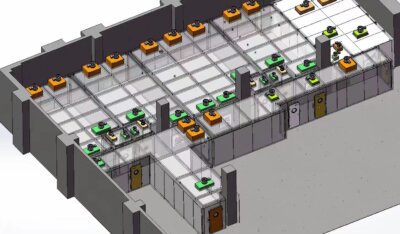
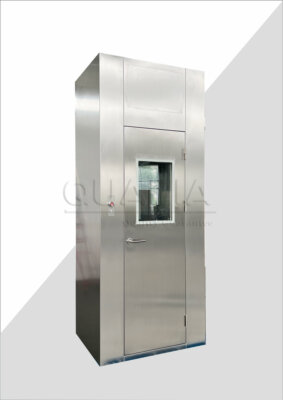
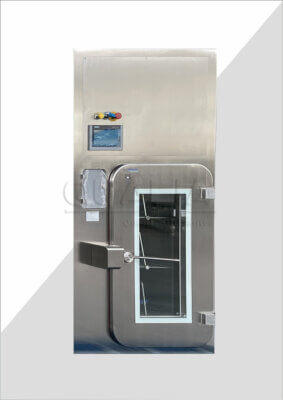
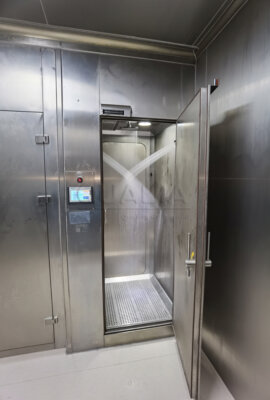
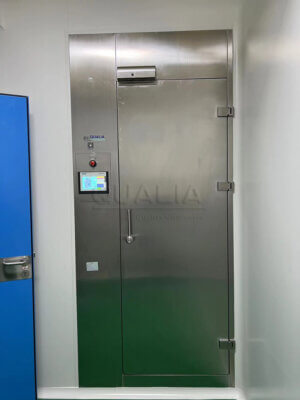
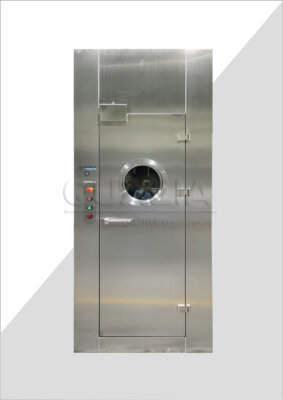
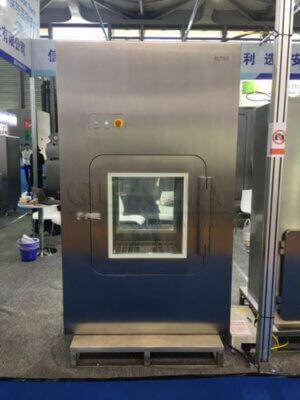
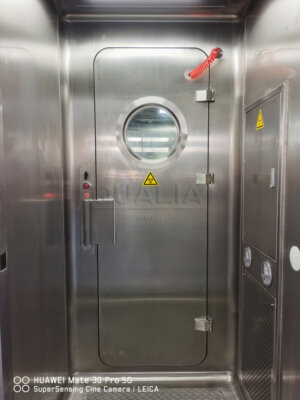
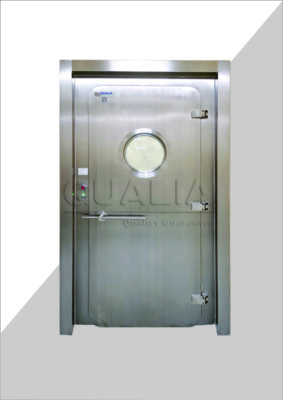
Die architektonische Hülle bildet die passive Eindämmungsbarriere. Sie erfordert eine versiegelte Hülle mit monolithischen, porenfreien Oberflächen, die einer wiederholten Dekontamination standhalten können. Der Zugang wird durch eine Reihe von verriegelten Türen und Vorräumen streng kontrolliert, wodurch eine Abfolge von sauberen und kontaminierten Bereichen entsteht. Diese Anordnung erzwingt den unidirektionalen Arbeitsablauf für Personal und Material, einschließlich spezieller Durchgänge wie Autoklaven mit Doppeltüren und Tauchbecken, die in die Sicherheitsumschließung integriert sind.
Die entscheidende Rolle der technischen HLK
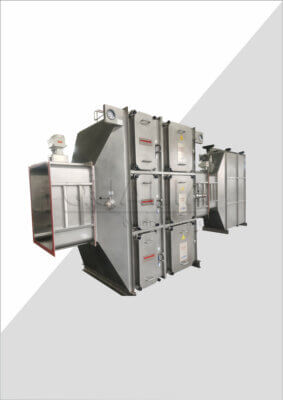
Während die Architektur enthält, schützt das HLK-System aktiv. Ihre Gestaltung unterliegt einem nicht verhandelbaren Prinzip aus der Biosicherheit in mikrobiologischen und biomedizinischen Laboratorien (BMBL)Aufrechterhaltung eines gerichteten Luftstroms von den sauberen zu den kontaminierten Bereichen, auch bei Störungen. Dies erfordert ein Abluftsystem 100% mit HEPA-Filterung des Abluftstroms. Ein spezielles Gebäudeautomationssystem sorgt für die kontinuierliche Überwachung von Druckunterschieden, Temperatur und Luftfeuchtigkeit und löst bei jeder Abweichung sofort einen Alarm aus. Dieser Ansatz spiegelt die Einstellung zu hoher Zuverlässigkeit wider, bei der Redundanz und Ausfallmanagement von Anfang an eingeplant sind.
Integration von Kontrollsystemen
Der wahre Maßstab für eine Konstruktion ist das Zusammenspiel ihrer Komponenten im Fehlerfall. Die verriegelten Türen müssen mit dem BAS kommunizieren, um zu verhindern, dass sie sich öffnen, wenn die Druckunterschiede verloren gehen. Redundante Abluftventilatoren sollten bei Ausfall des Hauptventilators automatisch aktiviert werden, wobei die Steuerung eine Umkehr des Luftstroms während der Umschaltung verhindert. Bei der Inbetriebnahme müssen diese integrierten Ausfallmodi getestet werden, nicht nur der Betrieb einzelner Komponenten. Nach meiner Erfahrung bei der Überprüfung von Anlagenplänen besteht das häufigste Versäumnis darin, Komponenten isoliert zu spezifizieren, ohne ihre interaktive Leistung unter Belastung zu definieren.
Vergleich von Investitionskosten und Betriebsbudgets für ABSL-3-Einrichtungen
Verstehen der Kapitalinvestition
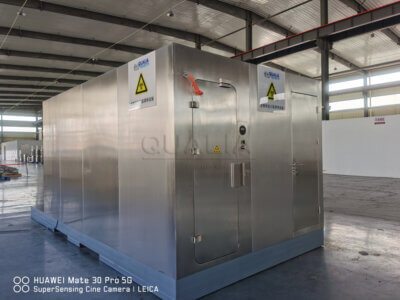
Die Anfangsinvestitionen decken die physische Infrastruktur ab. Zu den wichtigsten Kosten gehören die spezielle architektonische Hülle, das komplexe HLK-System mit Redundanz, die primäre Tierhaltungsausrüstung (Käfige, Isolatoren) und das umfassende BAS. Die Wahl zwischen traditioneller Holzbauweise und modulare BSL-Labore stellt eine wichtige strategische Entscheidung dar. Modulare Ansätze können eine beschleunigte Einführung und besser vorhersehbare Kapitalkosten bieten, was für dringende Forschungszeitpläne entscheidend ist.
Die wiederkehrende betriebliche “Steuer”
Die größere langfristige finanzielle Verpflichtung ist oft das Betriebsbudget. Ein wesentlicher Teil ist die vorgeschriebene jährliche Überprüfung der Einrichtung, ein umfassender Prozess, der als nicht verhandelbare Betriebssteuer wirkt. Dazu gehören die Neuzertifizierung aller HEPA-Filter, die Leistungsprüfung der biologischen Sicherheitswerkbänke und eine vollständige Systemausfallprüfung. Die Budgets müssen auch die spezielle vorbeugende Wartung, den häufigen Wechsel der Vorfilter aufgrund von Tierhaaren und den erheblichen Energieverbrauch der 100%-Absaugsysteme berücksichtigen.
| Kostenkategorie | Wichtige Komponenten | Finanzielle Gegenleistung |
|---|---|---|
| Investitionsausgaben | Versiegelte architektonische Hülle | Große Vorabinvestitionen |
| Spezialisierte HVAC mit Redundanz | Hohe Kapitalkosten | |
| Primärcontainmentkäfige | Erhebliche Kosten für die Ausrüstung | |
| Operative “Steuer” | Jährliche Überprüfung der Einrichtung | Nicht verhandelbare wiederkehrende Kosten |
| Zertifizierung und Austausch von HEPA-Filtern | Spezialisierte Dienstleistungsverträge | |
| Energie für den Auspuff 100% | Anhaltend hohe Versorgungskosten |
Quelle: Technische Dokumentation und Industriespezifikationen.
Analyse der Gesamtbetriebskosten (Total Cost of Ownership)
Die Finanzplanung scheitert, wenn sie bei den Kapitalkosten stehen bleibt. Eine ordnungsgemäße Analyse projiziert die Gesamtbetriebskosten über einen Lebenszyklus von 10-15 Jahren. Dazu gehören die kumulativen Kosten für Überprüfung, Wartung, Versorgungsleistungen und mögliche Aufrüstungen. Werden diese wiederkehrenden Kosten unterschätzt, gefährdet dies sowohl die Einhaltung der Sicherheitsvorschriften als auch die langfristige wissenschaftliche Produktivität der Anlage, da die Budgets für die Aufrechterhaltung des Betriebs statt für die Unterstützung der Forschung aufgezehrt werden.
Primäres Containment: IVCs vs. Vollwandkäfige vs. flexible Isolatoren
Anwendungsspezifische primäre Hemmnisse
Das primäre Containment ist die erste Verteidigungsschicht innerhalb des Tierraums. Die Wahl richtet sich nach dem Tiermodell und dem Erreger. Für kleine Nager sind individuell belüftete Käfige mit HEPA-gefilterter Zu- und Abluft Standard. Für größere Tiere wie nichtmenschliche Primaten bieten Vollwandkäfige eine geschlossene Mikroumgebung mit Unterdruck. Jedes System muss mit der HVAC-Anlage des Raums integriert werden, um die richtigen Druckkaskaden aufrechtzuerhalten.
Der strategische Fall für flexible Isolatoren
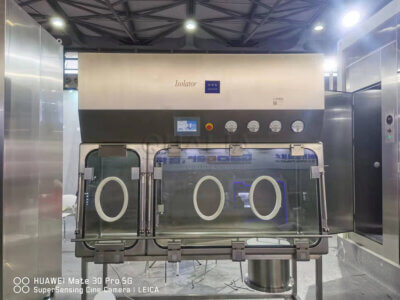
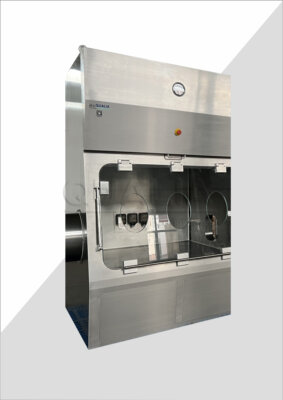
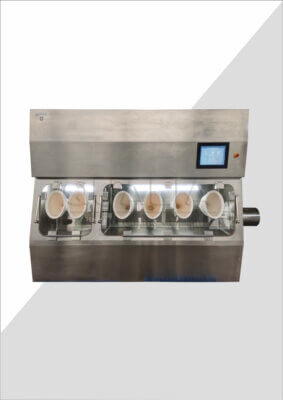
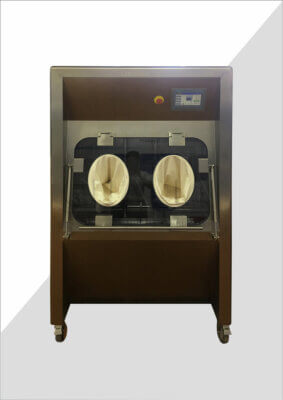
Isolatoren mit flexibler Folie bieten eine vielseitige Lösung für die Unterbringung von Standardkäfigen innerhalb eines Unterdruckgehäuses. Ihr strategischer Wert wird durch computergestützte Strömungsdynamik-Analysen unterstrichen, die Szenarien für den Bruch des Containments modellieren. Diese Analyse unterstützt ein “Swiss Cheese”-Modell des Risikos, bei dem der Isolator eine definierte sekundäre Barriere darstellt. Branchenexperten empfehlen diesen Ansatz für Programme mit verschiedenen oder größeren Tierarten, da er eine quantifizierbare Sicherheitsebene und betriebliche Flexibilität bietet.
| Art des Einschlusses | Primäre Anwendung | Schlüsselattribut Sicherheit/Betrieb |
|---|---|---|
| Einzeln belüftete Käfige (IVCs) | Kleine Nagetiere (z. B. Mäuse, Ratten) | HEPA-gefilterte Zuluft/Abluft |
| Vollwand-Käfige | Größere Tiere (z. B. NHP, Kaninchen) | Versiegelte Unterdruckumgebung |
| Isolatoren aus flexibler Folie | Diverse/größere Tierkäfige | Schafft eine überschaubare Risikohierarchie |
| Standard-Käfigeinhausung | Zwei gleichzeitige Ausfälle bei Verstößen |
Anmerkung: Die CFD-Analyse unterstützt das ’Swiss Cheese“-Modell der Isolatoren für hochsicheren Einschluss.
Quelle: Technische Dokumentation und Industriespezifikationen.
Integration mit prozeduralen Arbeitsabläufen
Das ausgewählte primäre Containment muss sich nahtlos in die täglichen Abläufe einfügen. Dazu gehört die sichere Verbringung von Tieren in Sicherheitswerkbänke der Klasse II für Verfahren, Protokolle für den Käfigwechsel und die Abfallentsorgung. Das Design der Übergabeöffnungen, Dichtungsmechanismen und ergonomischen Zugänge ist entscheidend. Zu den leicht zu übersehenden Details gehören die Kompatibilität von Käfiggestellen mit Autoklaven und der logistische Fluss von sauberer und verschmutzter Einstreu.
HVAC-Systementwurf: Redundanz, Fehlertests und Leistungsüberprüfung
Entwerfen für Fehlertoleranz
Die Konstruktionsphilosophie des HVAC-Systems muss die Fehlertoleranz in den Vordergrund stellen. Zu den Schlüsselelementen gehören redundante Abluftventilatoren mit automatischer Ausfallsicherung, dedizierte Versorgungssysteme und eine präzise Steuerlogik, die Druckausgleich oder -umkehr verhindert. Die Zu- und Abluftbilanz muss sorgfältig berechnet werden, um sicherzustellen, dass der erforderliche gerichtete Luftstrom an allen Zugangsstellen des Raums aufrechterhalten wird, insbesondere wenn Türen geöffnet werden.
Die Notwendigkeit von Fehlertests
Der Eckpfeiler einer glaubwürdigen Eindämmung ist nicht der Normalbetrieb, sondern die nachgewiesene Leistung bei Störungen. Die gesetzlichen Vorschriften verlangen Tests bei simuliertem Ausfall des Abluftgebläses, Stromausfall und Neustart des Systems. Die Konstruktion muss diese Tests ermöglichen und über Messanschlüsse und Verfahren verfügen, die sicherstellen, dass keine Luftstromumkehr stattfindet. Diese leistungsbasierte Überprüfung unterscheidet eine vorschriftsmäßige Anlage von einer wirklich zuverlässigen Anlage.
| Prinzip der Gestaltung | Hauptmerkmal | Leistungsanforderung |
|---|---|---|
| Luftstromkontrolle | 100% Auspuff, gerichteter Durchfluss nach innen | Keine Umkehrung bei Ausfall |
| System-Redundanz | Redundante Abluftventilatoren | Verhindert Ein-Punkt-Versagen |
| Versagen der Prüfung | Simulierter Ausfall des Abluftventilators | Obligatorischer Überprüfungsschritt |
| Stromausfall und Wiederanlaufsequenzen | Keine Umkehrung des Luftstroms erlaubt | |
| Verifizierung Standard | ANSI/ASSP Z9.14-Methodik | Konzept für risikobasierte Tests |
Quelle: Biosicherheit in mikrobiologischen und biomedizinischen Laboratorien (BMBL) 6. Auflage. Das BMBL schreibt vor, dass der Luftstrom unter Fehlerbedingungen nicht von kontaminierten in saubere Bereiche umkehren kann. Dies ist die Grundvoraussetzung für die Auslegung von Klimaanlagen und Prüfprotokollen in ABSL-3-Labors.
Annahme von Konsensstandards
Jenseits von präskriptiven Checklisten ist die ANSI/ASSP Z9.14-Norm für die Prüfung und Verifizierung bietet eine strenge, risikobasierte Methodik. Diese Konsensnorm schließt eine kritische Lücke und bietet einen Entwurf für die Entwicklung testbarer Systeme und die Durchführung umfassender Prüfungen. Die Übernahme dieser Norm zeugt von betrieblicher Exzellenz und Sorgfaltspflicht und bietet einen strukturierten Rahmen für die Inbetriebnahme und die jährliche Überprüfung, der von den Aufsichtsbehörden zunehmend anerkannt wird.
ABSL-3 Inbetriebnahme, jährliche Nachprüfung und laufende Wartung
Strenge Auftragsvergabe als Gatekeeper
Die Inbetriebnahme ist der formale Prozess, bei dem vor der Inbetriebnahme überprüft wird, ob die Anlage im Ist-Zustand die Planungsvorgaben erfüllt. Sie unterscheidet sich von der Zertifizierung und muss auf Nachweisen beruhen. Der Prozess umfasst dokumentierte Fehlertests des HLK-Systems, die Kalibrierung aller Sensoren und die Überprüfung der Verriegelungssequenzen. In dieser Phase werden oft Integrationsmängel aufgedeckt, die behoben werden müssen, bevor die Anlage für die Forschung freigegeben wird.
Der obligatorische jährliche Überprüfungszyklus
Nach der Inbetriebnahme ist eine strenge jährliche Nachprüfung erforderlich. Dabei handelt es sich nicht um ein einfaches Audit, sondern um eine umfassende Neubewertung der Leistung. Dazu gehören die erneute Messung des gerichteten Luftstroms in allen Zonen, die erneute Zertifizierung der Integrität der HEPA-Filter, die Prüfung aller akustischen und visuellen Alarme und die Überprüfung der Leistung von Dekontaminationssystemen wie Autoklaven. Durch diesen Zyklus wird sichergestellt, dass die Integrität des Sicherheitsbehälters der Einrichtung im Laufe der Zeit nicht abgenommen hat.
| Aktivitätsphase | Geprüfte Schlüsselparameter | Häufigkeit / Art |
|---|---|---|
| Inbetriebnahme | HVAC-Ausfallprüfung | Vor dem operativen Einsatz |
| Leistung im Ist-Zustand im Vergleich zum Entwurf | Dokumentierte Überprüfung | |
| Jährliche Neuverifizierung | Gerichteter Luftstrom | Obligatorische jährliche Kontrolle |
| HEPA-Filter-Zertifizierung | Jährlicher Fachdienst | |
| Prüfung aller Alarmsysteme | Umfassende Routine | |
| Laufende Wartung | Kontrolle des Abluftventilatormotors | Vorbeugender Zeitplan |
| Austausch des Vorfilters (Fell/Schuppen) | Tierbezogene Komplexität |
Quelle: Technische Dokumentation und Industriespezifikationen.
Aufrechterhaltung der Integrität durch proaktive Wartung
Laufende Wartungsarbeiten erhalten die Einrichtung zwischen den Überprüfungen aufrecht. Dazu gehören planmäßige Inspektionen von Abluftventilatormotoren und -lagern, der regelmäßige Austausch von Vorfiltern, die sich schnell mit Tierhaaren und -schuppen belasten, sowie die Überprüfung von Türdichtungen und Oberflächenintegrität. Das Wartungsprogramm muss proaktiv sein und Teile- und Serviceverträge vorsehen, um die Ausfallzeiten des Systems zu minimieren. Wir haben geplante mit reaktiven Wartungsmodellen verglichen und festgestellt, dass erstere die unerwarteten Sicherheitsmängel um über 70% reduzieren.
Integration von Verfahrenskontrollen mit technischem Design für die Sicherheit
Designfähige Arbeitsabläufe
Die technische Gestaltung sollte die Sicherheitsprotokolle physisch unterstützen. Die Anordnung muss einen logischen Ablauf beim An- und Ablegen der PSA in den Vorräumen ermöglichen. Die Platzierung von BSC der Klasse II muss einen sicheren Transfer der Tiere aus dem primären Containment ermöglichen, ohne dass der Raumdruck unterbrochen wird. Die Gestaltung sollte die Verwendung von motorbetriebenen Atemschutzmasken mit klaren Bereichen zum Anlegen und Aufladen der Batterien ermöglichen.
Umgang mit Aerosol erzeugenden Verfahren
Der Integrationspunkt zwischen Verfahren und Technik ist bei aerosolerzeugenden Verfahren am kritischsten. Diese müssen in zertifizierten BSCs durchgeführt werden. Bei der Planung müssen die verwendeten Geräte berücksichtigt werden - abgedichtete Zentrifugenrotoren, Vortex-Mixer mit Kappen - und es muss für ausreichend Platz und Versorgungseinrichtungen (Vakuum, Gas) innerhalb der Schrankfläche gesorgt werden. Tierartspezifische Anforderungen, wie z. B. Sedierungsgeräte oder bildgebende Geräte, müssen von Anfang an eingeplant werden, da eine Nachrüstung kostspielig und riskant ist.
Kultivierung einer Kultur der hohen Verlässlichkeit
Das Endziel ist eine Sicherheitskultur mit hoher Zuverlässigkeit, in der sich technische Kontrollen und menschliche Leistung gegenseitig verstärken. Dies erfordert eine Ausbildung, die die warum wie Türverriegelungen den Luftstrom schützen und wie Alarmreaktionen das Risiko mindern. Die Einrichtung selbst wird zu einem Schulungsinstrument, mit klarer Beschilderung und Ausfallsicherheiten, die den sicheren Weg zum einfachen Weg machen. Durch diese ganzheitliche Integration wird verhindert, dass latente Fehler zu aktiven Ausfällen werden.
Die Auswahl des richtigen ABSL-3-Designs für Ihr Forschungs- und Agentenprofil
Beginnend mit einer detaillierten Risikobewertung
Der Entwurfsprozess muss mit einer detaillierten Risikobewertung beginnen, nicht mit einer generischen Vorlage. Zu den wichtigsten Faktoren gehören die Übertragungsdynamik des jeweiligen Erregers, die Infektionsdosis und die verfügbaren Behandlungsmethoden. Das Tiermodell bestimmt den Raumbedarf, das Abfallvolumen und die Art der primären Einschließung. Das Forschungsprotokoll - Häufigkeit der Verfahren, Probenahmemethoden - bestimmt die erforderlichen Räume und Geräte. Ein Konzept für den sporadischen Einsatz von Aerosolen mit geringem Risiko unterscheidet sich grundlegend von einem Konzept für hochvolumige, risikoreiche Arbeiten.
Bewertung von Flexibilität und Zukunftssicherheit
Forschungsprogramme entwickeln sich weiter. Eine Anlage, die für einen einzigen Wirkstoff und ein Nagetiermodell konzipiert wurde, kann veraltet sein. Die Wahl eines Designs mit inhärenter Flexibilität, wie z. B. Räume, die verschiedene primäre Containment-Systeme oder modulare Versorgungseinrichtungen aufnehmen können, schützt Ihre langfristigen Investitionen. Die gesetzliche Entwicklung geht in Richtung einer standardisierten Leistungsüberprüfung, was bedeutet, dass Ihr Design testbaren und überprüfbaren Ergebnissen Vorrang vor spezifischen, festgelegten Konstruktionsmethoden geben muss.
Abstimmung von Design und operativer Kapazität
Das ausgeklügeltste Konzept wird scheitern, wenn die betreibende Einrichtung nicht über die nötigen Kapazitäten verfügt, um es zu unterstützen. Dazu gehören interne Fachkenntnisse für die Wartung, Beziehungen zu spezialisierten Prüfunternehmen und ein tragfähiges Budget für die Betriebskosten. Die Komplexität des Entwurfs sollte den technischen und finanziellen Möglichkeiten der Organisation entsprechen, ihn über den gesamten Lebenszyklus hinweg aufrechtzuerhalten. Manchmal ist ein einfacheres, robusteres Design die klügere strategische Wahl.
Wichtige Entscheidungsfaktoren für Ihre ABSL-3-Laborinvestition
Strategische und finanzielle Überlegungen
Die Entscheidung geht über die biologische Sicherheit hinaus und betrifft auch die strategische und finanzielle Planung. Die Analyse der Gesamtbetriebskosten muss rigoros sein und die Kapitalkosten gegen die jahrzehntelangen Betriebskosten abwägen. Die Strategie zur Einhaltung von Vorschriften sollte festgelegt werden: Werden Sie Mindeststandards erfüllen oder beispielhafte Rahmenwerke wie ANSI Z9.14 übernehmen? Das Implementierungsmodell - Neubau, Renovierung oder modularer Einsatz - bringt unterschiedliche Zeitpläne, Risiken und Kapitalprofile mit sich.
Spezialisiertes Fachwissen nutzbar machen
Nur wenige Einrichtungen verfügen intern über das gesamte erforderliche Fachwissen. Das wachsende Ökosystem von spezialisierten Dienstleistern für Fortgeschrittene Biocontainment-Konstruktion und -Technik bietet eine wertvolle Ressource. Die Entscheidung, was ausgelagert werden soll - Konstruktion, Inbetriebnahme, Wartung - ist ein Schlüsselfaktor. Darüber hinaus ist die Einbeziehung von Computational Fluid Dynamics-Modellen in der Entwurfsphase jetzt eine Voraussetzung für die Risikominderung von Containment-Strategien und die Optimierung des Luftstroms, was eine kritische Vorabinvestition für die Validierung und behördliche Genehmigung darstellt.
Die wichtigsten Entscheidungspunkte laufen in einem Rahmen zusammen: Definieren Sie zunächst Ihr genaues Forschungsrisikoprofil, und entwerfen Sie dann die Einrichtung so, dass sie dieses Risiko mit überprüfbarer Leistung eindämmt. Geben Sie integrierten Systemen den Vorzug vor isolierten Komponenten, und planen Sie die gesamten Lebenszykluskosten ein, nicht nur das Baubudget. Die Entscheidung zwischen maximaler Flexibilität und optimaler Einfachheit hängt von Ihrem langfristigen Forschungsplan ab.
Benötigen Sie eine professionelle Beratung, um diese komplexen Planungs- und Investitionsentscheidungen für Ihre Hochsicherheitsanlage zu treffen? Die Experten von QUALIA sind spezialisiert auf die Umsetzung von Forschungsanforderungen in sichere, konforme und betriebssichere ABSL-3-Lösungen. Kontaktieren Sie uns, um Ihre spezifischen Projektherausforderungen und strategischen Ziele zu besprechen.
Häufig gestellte Fragen
F: Wie verändert die Norm ANSI/ASSP Z9.14 die Vorgehensweise bei der Inbetriebnahme von ABSL-3-HLK-Anlagen?
A: Die Norm ANSI/ASSP Z9.14 bietet eine strenge, risikobasierte Methodik für die Prüfung und Verifizierung, die über einfache, vorgeschriebene Checklisten hinausgeht. Sie schreibt insbesondere leistungsbasierte Fehlertests vor, wie z. B. die Simulation des Ausfalls eines Abluftventilators, um sicherzustellen, dass keine Luftstromumkehr stattfindet. Dies bedeutet, dass Sie die Norm als Entwurf für die Konstruktion und Inbetriebnahme übernehmen sollten, um die betriebliche Sorgfaltspflicht zu demonstrieren und die sich entwickelnden gesetzlichen Erwartungen an die nachprüfbare Leistung des Containments zu erfüllen.
F: Was sind die wichtigsten finanziellen Erwägungen bei der Budgetierung für den langfristigen Betrieb einer ABSL-3-Anlage?
A: Die wichtigste finanzielle Verpflichtung ist das wiederkehrende Betriebsbudget, das als obligatorische “Steuer” für die Einhaltung der Vorschriften fungiert. Dieses Budget muss die jährliche Überprüfung der Anlage, die spezielle vorbeugende Wartung, den Austausch von HEPA-Filtern und die hohen Betriebskosten der 100%-Absaugsysteme abdecken. Für Projekte, deren langfristige Lebensfähigkeit von entscheidender Bedeutung ist, müssen Sie von Anfang an erhebliche, dauerhafte Mittel für diese Aktivitäten bereitstellen, da eine Unterschätzung dieser Kosten sowohl die Einhaltung der Vorschriften als auch den sicheren Betrieb gefährdet.
F: Wann sollten wir Isolatoren mit flexibler Folie den herkömmlichen IVCs für die primäre Tiereinschließung vorziehen?
A: Isolatoren mit flexibler Folie sind eine strategische Wahl, wenn größere Tiere wie Kaninchen untergebracht werden sollen oder wenn Ihr Forschungsprogramm eine anpassungsfähige Isolierung für verschiedene Arten erfordert. Computational Fluid Dynamics (CFD)-Analysen unterstützen ihre Verwendung, da sie eine überschaubare Risikohierarchie schaffen, bei der zwei gleichzeitige Ausfälle für einen Bruch erforderlich sind. Wenn Ihr Betrieb Flexibilität erfordert oder mit größeren Tiermodellen arbeitet, sollten Sie Isolatoren einplanen, die eine hochsichere Einschließung bieten und gleichzeitig ein breiteres Forschungsportfolio unterstützen.
F: Wie lässt sich die Verfahrenssicherheit in die technische Gestaltung eines ABSL-3-Labors integrieren?
A: Das technische Design muss strenge Verfahrensabläufe von Anfang an aktiv ermöglichen und verstärken. Die Architektur sollte das Anlegen von PSA in Vorräumen erleichtern, die Durchführung von aerosolerzeugenden Verfahren in biologischen Sicherheitswerkbänken der Klasse II oder III unterstützen und einen sicheren Tiertransfer unter Verwendung versiegelter Sekundärbehälter ermöglichen. Das bedeutet, dass Sie in der Entwurfsphase detaillierten veterinärmedizinischen und betrieblichen Input benötigen, um sicherzustellen, dass das physische Layout die hochzuverlässige Sicherheitskultur und die komplexen tierbezogenen Protokolle, die Sie umsetzen werden, nahtlos unterstützt.
F: Was ist der entscheidende Unterschied zwischen der Inbetriebnahme und der jährlichen Nachprüfung für ein ABSL-3-Labor?
A: Die Inbetriebnahme ist ein einmaliger, strenger Prozess, bei dem überprüft wird, ob die Anlage im Ist-Zustand alle Konstruktionsspezifikationen erfüllt, bevor sie in Betrieb genommen wird, einschließlich dokumentierter HLK-Fehlertests. Die jährliche Nachprüfung ist eine fortlaufende, vorgeschriebene Routine, bei der mehr als ein Dutzend Parameter jährlich erneut getestet werden, wie z. B. der gerichtete Luftstrom, die Integrität der HEPA-Filter und die Alarmfunktion. Dieser Lebenszyklus-Ansatz bedeutet, dass Sie sowohl für die anfängliche intensive Validierung als auch für die wiederkehrenden, umfassenden Betriebsprüfungen ein Budget einplanen müssen, um die Integrität des Containments und die Einhaltung der Vorschriften zu gewährleisten.
F: Warum gilt die HVAC-Ausfallprüfung als Eckpfeiler der ABSL-3-Sicherheitsmaßnahmen?
A: HVAC-Ausfalltests sind von grundlegender Bedeutung, da sie bestätigen, dass das sekundäre Containment-System unter realen Fehlerbedingungen funktioniert und nicht nur unter idealen Betriebsbedingungen. Gesetzliche Vorschriften verlangen die Simulation von Szenarien wie dem Ausfall eines Abluftventilators oder eines Stromausfalls, um nachzuweisen, dass der gerichtete Luftstrom nach innen ohne Umkehrung aufrechterhalten wird. Für Ihre Anlage ist diese leistungsbasierte Überprüfung nicht verhandelbar; Sie müssen das System mit Redundanz und Kontrollen speziell für das Bestehen dieser Tests auslegen, die in grundlegenden Anleitungen wie der Biosicherheit in mikrobiologischen und biomedizinischen Laboratorien (BMBL) 6. Auflage.
F: Wie wirkt sich die Wahl zwischen modularer und traditioneller Bauweise auf den Zeitplan und die Kosten eines ABSL-3-Projekts aus?
A: Modulare ABSL-3-Labore bieten eine strategische Alternative zur herkömmlichen Bauweise, die in der Regel eine schnellere Bereitstellung und besser vorhersehbare Kapitalkosten ermöglicht. Sie können für dringende Forschungszeitpläne entscheidend sein. Die größere langfristige finanzielle Verpflichtung bleibt jedoch das Betriebsbudget für Verifizierung und Wartung, das bei beiden Modellen ähnlich hoch ist. Wenn Ihr Hauptziel eine schnellere Bereitstellung ist, sollte ein modularer Ansatz in Betracht gezogen werden, aber Sie müssen dennoch eine gründliche Analyse der Gesamtbetriebskosten durchführen, die alle Lebenszykluskosten einschließt.
Verwandte Inhalte:
- BSL-3 Tierforschung: Leitfaden für die Gestaltung von Einrichtungen
- BSL-4-Tierforschung: Gewährleistung der Sicherheit des Behandlers
- BSL-3-Tierhaltung: Sichere Einschließungssysteme
- Der vollständige Leitfaden für BSL-3-Tierlabore für Leiter von Forschungseinrichtungen: Ausgabe 2025
- Biosicherheits-Isolatoren in Tierforschungseinrichtungen
- Biosicherheitswerkbänke in der Tierforschung: Sicherheit geht vor
- Biosicherheitsdämpfer für Virologie-Laboratorien
- Abluftsysteme für biologische Sicherheitswerkbänke erklärt
- BSL-3-Laborbelüftung: Design für optimale Sicherheit