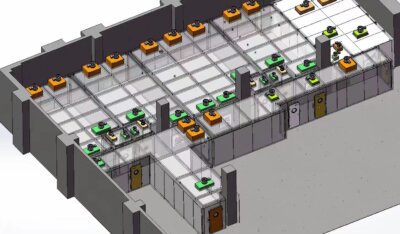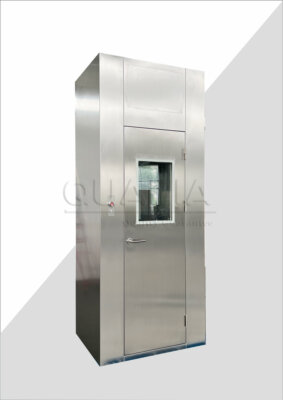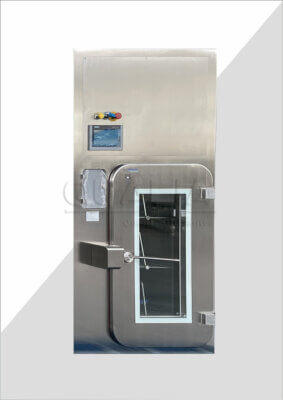

De keuze van het primaire inperkingssysteem voor een laboratorium op dierlijk bioveiligheidsniveau 3 (ABSL-3) is een kritieke kapitaalbeslissing met implicaties voor de werking en de veiligheid gedurende tientallen jaren. De keuze tussen IVC-rekken (Individually Ventilated Cage), isolatoren en geventileerde behuizingen wordt vaak vereenvoudigd tot een kwestie van kosten of voorkeur, zonder rekening te houden met de grote impact op de integriteit van de inperking, de efficiëntie van de workflow en de levenscyclus. Een verkeerd afgestemde selectie kan de veiligheid in gevaar brengen, de operationele kosten opdrijven en de onderzoeksflexibiliteit beperken.
Deze beslissing wordt steeds dringender nu de focus van de regelgeving verschuift van naleving van het ontwerp naar gedocumenteerde prestatieverificatie. Nieuwe normen en een beter begrip van aerosoldynamica vereisen een meer verfijnde, op bewijs gebaseerde aanpak. Het juiste systeem is niet zomaar een apparaat; het is de hoeksteen van de risicobeperkingsstrategie van een faciliteit en heeft een directe invloed op alles van HVAC-ontwerp tot energieverbruik op de lange termijn en concurrentievermogen in onderzoek.
Belangrijkste verschillen: IVC Racks vs. Isolatoren vs. Geventileerde behuizingen
De kerntechnologieën definiëren
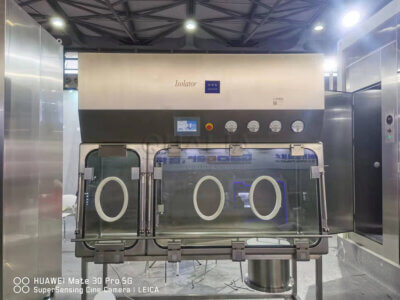
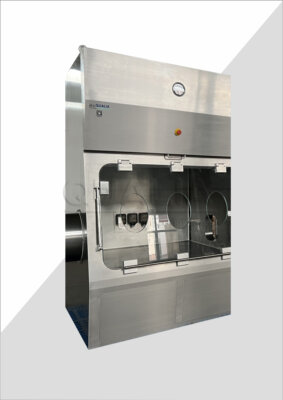
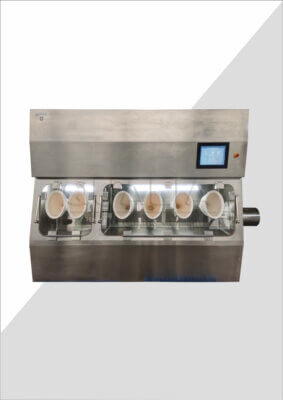
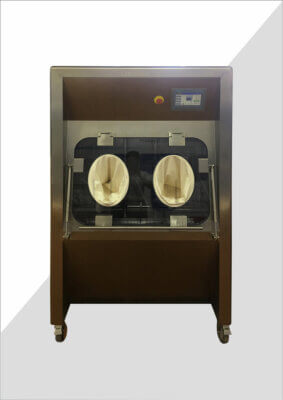
De drie primaire inperkingssystemen dienen verschillende doelen met fundamenteel verschillende technische benaderingen. IVC reksystemen zijn geïntegreerde samenstellingen van afgedichte kooien met micro-isolatoren, die elk onder negatieve druk worden gehouden met een specifieke HEPA-gefilterde uitlaat. Ze zijn ontworpen voor het huisvesten van knaagdieren met een hoge dichtheid, waarbij het hermetische ontwerp de primaire barrière vormt. Isolatoren zijn handschoenkasten onder negatieve druk die een starre, afgedichte werkruimte creëren, waardoor het mogelijk is om dieren direct te hanteren en procedures uit te voeren binnen de grenzen van de inperking. Geventileerde behuizingen, soms “tenten” genoemd, maken gebruik van flexibele of halfstijve gordijnen om een plenum met negatieve druk te creëren rond standaardkooien voor dieren.
Operationele en insluitingsprofielen
Elk systeem heeft een uniek operationeel profiel dat de dagelijkse workflow dicteert. IVC rekken blinken uit in inperking, maar vereisen afgesloten kooien die naar een klasse II bioveiligheidskabinet moeten worden getransporteerd voor elke manipulatie. Isolatoren stroomlijnen dit door de meeste activiteiten mogelijk te maken ter plaatse, Dit is een cruciaal voordeel voor procedures op grotere of moeilijkere diersoorten. Geventileerde behuizingen bieden flexibiliteit bij het huisvesten van verschillende soorten kooien, maar zijn sterk afhankelijk van geavanceerde digitale regelaars om nauwkeurige drukverschillen te handhaven. Hun doeltreffendheid is nauw verbonden met deze regelingen en een goed gordijnbeheer.
Systeem afstemmen op toepassing
De optimale keuze wordt bepaald door het diermodel en het onderzoeksprotocol. Voor high-throughput knaagdierstudies zijn IVC rekken de onbetwistbare standaard, omdat ze schaalbare, geconstrueerde inperking bieden. Voor grotere soorten zoals konijnen of fretten, of voor protocollen met een hoog risico op aërosolvorming in de kooi, bieden isolatoren de benodigde ruimte en manipulatiemogelijkheden. Geventileerde kooien kunnen goed dienen voor flexibele projecten met een lagere dichtheid of als tijdelijke oplossing. Experts uit de industrie adviseren om de specifieke uitscheidingskarakteristieken en aerosolrisico's van uw diermodel direct te koppelen aan de bewezen inperkingsmogelijkheden van het systeem.
Vergelijkend systeemoverzicht
De volgende tabel vat de belangrijkste toepassingen en technische kenmerken van elk belangrijk type insluitsysteem samen.
| Type systeem | Primair diermodel | Belangrijkste insluitingseigenschap |
|---|---|---|
| IVC-rekken | Kleine knaagdieren (hoge dichtheid) | Hermetische kooien onder negatieve druk |
| Isolatoren (handschoenenkasten) | Grotere soorten (bijv. konijnen) | In situ manipulatievermogen |
| Geventileerde omkastingen (“Tenten”) | Flexibel / divers | Negatieve-drukplenum rond kooien |
Bron: Technische documentatie en industriespecificaties.
Kritische technische overwegingen voor ABSL-3 ventilatie
Verder gaan dan basisspecificaties
Het selecteren van een systeem vereist een holistische technische evaluatie gebaseerd op risicobeoordeling, en niet alleen het bekijken van de specificaties van de fabrikant. De belangrijkste doelstelling is het voorkomen van het ontsnappen van aërosolen, waarvoor de prestaties van het systeem moeten worden afgestemd op de transmissieroute van het agens. Een kritisch, vaak over het hoofd gezien, detail is het integratiepunt tussen de uitlaat van de primaire insluiting en de HVAC van de faciliteit via een “vingerhoed”-verbinding. Deze interface moet zo worden ontworpen dat de negatieve drukgradiënt in de ruimte niet wordt verstoord, een veel voorkomend faalpunt in slecht geïntegreerde ontwerpen.
Agent-specifieke mandaten sturen het ontwerp
Een fundamentele technische overweging is dat niet alle ABSL-3 werkzaamheden identieke technische controles vereisen. Terwijl HEPA-filtratie van afgevoerde lucht universeel is, wordt de eis voor HEPA-gefilterde toevoerlucht specifiek geactiveerd voor werk met “BSL-3 Enhanced” agentia, zoals bepaalde stammen van aviaire influenza. Dit agentia-specifieke karakter betekent dat de pathogenenselectie van uw onderzoeksprogramma een strategische kapitaalbeslissing is die vanaf het begin fundamentele HVAC- en apparatuurcompatibiliteit dicteert.
De noodzaak van prestatieverificatie
Naleving van het ontwerp is het uitgangspunt; bewezen prestaties zijn het eindpunt. De opkomst van standaarden zoals ANSI/ASSP Z9.14 signaleert een verschuiving in de regelgeving waarbij gedocumenteerde, herhaalbare prestatieverificatie van het grootste belang wordt. Deze norm biedt de essentiële methodologie voor het testen van de luchtstroom, filterintegriteit en reacties op systeemstoringen. De aansprakelijkheid voor het aantonen van continue integriteit verschuift naar de exploitanten, waardoor de selectie van systemen die zijn ontworpen voor verifieerbaarheid een kritieke technische overweging wordt.
Technische vereisten en normen
De onderstaande tabel geeft een overzicht van de belangrijkste technische parameters en de standaarden die hun verificatie regelen, en laat zien hoe agent-specifieke vereisten direct van invloed zijn op het systeemontwerp.
| Overweging | Belangrijke parameter/vereiste | Agent-specifieke trigger |
|---|---|---|
| Uitlaatluchtfiltratie | HEPA-filtratie vereist | Universeel voor ABSL-3 |
| Toevoerluchtfiltratie | HEPA-filtratie optioneel | “BSL-3 versterkte” agentia (bijv. HPAI H5N1) |
| Integratiepunt | “Vingerhoedverbinding | Mag de ruimtedruk niet verstoren |
| Prestatienorm | ANSI/ASSP Z9.14 methodologie | Voor het testen van de luchtstroom en filterintegriteit |
Bron: ANSI/ASSP Z9.14-2020. Deze norm biedt de essentiële methodologie voor het testen en verifiëren van de prestaties van ABSL-3 ventilatiesystemen, inclusief luchtstroom, filterintegriteit en reacties op systeemstoringen.
Systeemprestaties en integriteit van insluiting evalueren
Het bewijs zit in het testen
Insluitingsclaims moeten worden gevalideerd, niet verondersteld. Rigoureuze, gestandaardiseerde tests onder zowel normale omstandigheden als storingen zijn de enige manier om de integriteit te garanderen. Dit proces omvat inperkingstests met aërosol-surrogaten, kwantitatieve verificatie van stabiele negatieve druk en gerichte luchtstroom en, wat cruciaal is, faaltests. Dit laatste zorgt ervoor dat een systeem veilig faalt naar een neutrale toestand zonder om te keren naar positieve druk, waardoor verontreinigingen kunnen worden uitgestoten.
Een op bewijs gebaseerd kader gebruiken
De ANSI/ASSP Z9.14 standaard biedt dit cruciale kader voor prestatieverificatie. De toepassing ervan is een best practice voor het verlagen van het risico van uw investering en het waarborgen van de wettelijke verdedigbaarheid. Bovendien maken tools zoals CFD-modellering (Computational Fluid Dynamics) het mogelijk om proactief de risico's van het ontwerp te verminderen door reële faalrisico's te kwantificeren, zoals het dispersiepatroon bij een hypothetische doorbraak van de isolatorhandschoen, in plaats van te vertrouwen op theoretische veiligheidsmarges.
Lekdichtheid als basismetriek
Voor afgedichte behuizingen zoals isolatoren is lekdichtheid een kwantificeerbare prestatiemaatstaf. Normen zoals ISO 10648-2 inperkingsomhulsels classificeren op basis van hun leksnelheid en de methoden specificeren om ze te testen. Het specificeren en verifiëren van deze classificatie voor systeemcomponenten biedt een concrete, meetbare benchmark voor inperkingsintegriteit die verder gaat dan kwalitatieve beoordelingen.
Gestandaardiseerde prestatietests
Voor een uitgebreide evaluatie is een reeks gestandaardiseerde tests nodig, zoals hieronder beschreven.
| Type test | Doel | Standaard / Methode |
|---|---|---|
| Inperkingsuitdaging | Valideer aërosol insluiting | Surrogaattests met aërosol |
| Druk en luchtstroom | Controleer stabiele onderdruk | ANSI/ASSP Z9.14 |
| Faalwijze | Zorg voor een veilige uitval (neutraal) | Systeemuitschakelresponstest |
| Lekdichtheid | Controleer de integriteit van de behuizing | ISO 10648-2 classificatie |
Bron: ANSI/ASSP Z9.14-2020 en ISO 10648-2:1994. ANSI Z9.14 biedt het kader voor prestatieverificatie, terwijl ISO 10648-2 lekdichtheidsclassificaties definieert voor omhulsels zoals isolatoren.
Operationele workflow en onderhoudsvereisten
Ontwerpen voor dagelijkse veiligheid en efficiëntie
Het ontwerp van een systeem moet veilige en efficiënte dagelijkse werkzaamheden mogelijk maken, niet hinderen. De workflow dicteert alles, van toegang tot dieren en het verwisselen van kooien tot experimentele procedures, die meestal moeten plaatsvinden in een klasse II bioveiligheidskast (BSC) die gecertificeerd is om NSF/ANSI 49. Isolatoren kunnen dit stroomlijnen door manipulaties binnen de barrière mogelijk te maken, terwijl IVC rekken het veilige transport van afgesloten kooien naar een BSC vereisen. De behandeling en ontsmetting van afvalstromen - bodembedekking en karkassen - zijn belangrijke operationele factoren die aanzienlijk verschillen tussen de systemen; sommige isolatoren maken het mogelijk om ter plaatse Ontsmetting met verdampte waterstofperoxide.
De niet-onderhandelbare onderhoudslast
De onderhoudseisen zijn hoog en voorspelbaar. Het vervangen van HEPA-filters, het kalibreren van gevoelige druksensoren en het controleren van alarmsystemen op druk- of stroomverlies vereisen speciale schema's en goed opgeleid personeel. Dit is geen optioneel onderhoud; het is een kernonderdeel van continue insluitingszekerheid. Alarmering op afstand is geen luxe, maar een noodzaak voor het bewaken van systemen buiten bedrijfstijden.
Operationele nauwkeurigheid opbouwen
Het feit dat deze systemen zeer gevoelig zijn voor aanraking geeft een duidelijke conclusie: toekomstige operationele uitmuntendheid vereist gespecialiseerde, voortdurende training in technieken voor prestatieverificatie. De vaardigheden van uw technisch personeel moeten zich ontwikkelen van basisbediening tot competentie in validatieprotocollen. Mijn ervaring is dat faciliteiten die deze training vanaf het begin begroten en institutionaliseren veel minder operationele incidenten en auditbevindingen zien.
Compatibiliteit van ruimte, integratie en faciliteiten
De fysische en technische interface
Integratie is een complexe ontwerpuitdaging. De systemen moeten passen binnen het vloeroppervlak van de ruimte en tegelijkertijd ruimte vrijhouden voor personeelsbewegingen en nooduitgangen. En wat nog belangrijker is, ze moeten naadloos aansluiten op de HVAC van de faciliteit zonder de negatieve drukgradiënt van de ruimte aan te tasten. De verbinding tussen de primaire uitlaat van de insluiting en het leidingwerk in de ruimte is een kritieke interface die zorgvuldig moet worden ontworpen om te voorkomen dat er een drukval of lekkagepunt ontstaat.
Strategische synergie met HVAC
De meest ingrijpende implicatie is van strategische aard: geavanceerde, afgedichte primaire insluiting fungeert als een gedecentraliseerd, zeer efficiënt ventilatieknooppunt. Door aërosolen bij de bron in te sluiten (de kooi of isolator), verminderen deze systemen drastisch de hoeveelheid deeltjes en het gevaar voor de ruimte zelf. Hierdoor kan de luchtverversing in de ruimte worden geoptimaliseerd tot aan de onderkant van het aanvaardbare spectrum (bijv. 6-12 ACH), wat zich vertaalt in een enorme, langdurige verlaging van het HVAC-energieverbruik. Dit wijst op een toekomst waarin HVAC en primaire insluiting worden gespecificeerd als één enkel, interoperabel systeem.
Flexibel en modulair onderzoek mogelijk maken
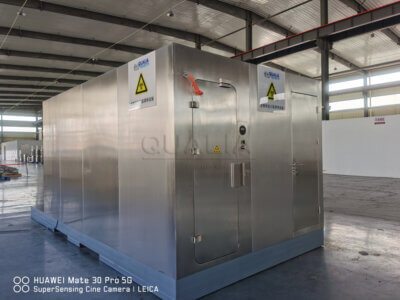
De fysieke en prestatiekenmerken van halfstijve isolatoren en geavanceerde behuizingen wijzen op een bredere trend naar modulaire, flexibele inperking. Deze oplossingen kunnen worden ingezet voor specifieke, tijdgebonden onderzoeksprojecten zonder dat permanente aanpassing van de faciliteit nodig is. Deze compatibiliteit met flexibele onderzoeksprogrammering is een belangrijk strategisch voordeel, waardoor faciliteiten sneller kunnen inspelen op opkomende wetenschappelijke behoeften.
Integratiefactoren en strategische impact
De volgende factoren moeten worden geëvalueerd tijdens de planningsfase van de integratie.
| Factor | Overweging | Strategische implicaties |
|---|---|---|
| Voetafdruk kamer | Voldoende ruimte voor uitgangen | Beperkt de hoeveelheid/grootte van het systeem |
| Integratie HVAC | Naadloze kousverbinding | Beschermt ruimtedrukgradiënt |
| Luchtwisselingssnelheid (ACH) | Optimalisatie op kamerniveau | Kan 6-12 ACH inschakelen |
| Primaire insluitingsrol | Gedecentraliseerd ventilatieknooppunt | Vermindert de aerosolbelasting in de kamer |
Bron: Technische documentatie en industriespecificaties.
Kostenanalyse: Kapitaal, operationeel en levenscyclus
Verder kijken dan de inkooporder
Een degelijke financiële analyse moet verder gaan dan de aankoopprijs. Kapitaalkosten vertonen een duidelijke hiërarchie, waarbij complexe isolator- of geavanceerde geventileerde behuizingssystemen een hogere initiële investering vereisen dan standaard IVC-racks. Deze initiële investering moet echter worden afgewogen tegen de totale eigendomskosten, waarbij de enorme operationele besparingen de kapitaaluitgaven kunnen rechtvaardigen.
De dominantie van operationele uitgaven
Operationele kosten zijn de dominante financiële factor gedurende de levensduur van een gebouw. De grootste hefboom is het energieverbruik voor HVAC. Zoals gezegd, zorgt afgedichte primaire insluiting voor een lagere luchtverversing in de ruimte voor een directe verlaging van deze enorme terugkerende kosten. Andere operationele kosten zijn onder andere geplande validatietests, vervanging van HEPA-filters, gespecialiseerd onderhoud en nutsvoorzieningen voor de insluitsystemen zelf. We hebben de operationele profielen van IVC-racks en isolatoren vergeleken en vastgesteld dat de potentiële energiebesparingen van HVAC-optimalisatie door isolatoren vaak opwegen tegen de hogere onderhoudskosten.
Rekening houden met de volledige levenscyclus
Bij de kostenberekening van de levenscyclus moet ook rekening worden gehouden met de ontmanteling. Dit omvat de kosten van definitieve ontsmetting (bijv. gasontsmetting voor een isolator), veilige verwijdering van besmette onderdelen en mogelijke renovatie van de faciliteit. De conclusie dat modulaire inperking kan concurreren met vaste faciliteiten is hier geworteld; voor tijdelijke onderzoeksbehoeften kunnen de hoge kapitaal- en ontmantelingskosten van een permanente BSL-3 suite minder voordelig zijn dan het inzetten van agent-specifieke, mobiele inperkingseenheden.
Vergelijkende kostenverdeling
Voor een alomvattend beeld moeten de kosten in verschillende categorieën worden geanalyseerd, zoals de vergelijking hieronder laat zien.
| Kosten Categorie | IVC-rekken | Isolatoren / Geavanceerde Behuizingen |
|---|---|---|
| Kapitaalkosten | Lagere investering vooraf | Hogere investering vooraf |
| Operationele kosten | Filterwijzigingen, validatie | Energie, onderhoudswerk |
| Groot besparingspotentieel | Matig | Hoog via verlaagde kamer ACH |
| Levenscyclus Overweging | Ontmanteling | Ontsmetting, verwijdering |
Bron: Technische documentatie en industriespecificaties.
Het beste systeem selecteren voor uw diermodel en onderzoek
Laat u leiden door de biologische risicobeoordeling
Er is geen universeel “beste” systeem. De optimale keuze vloeit rechtstreeks voort uit een gedetailleerde biologische risicobeoordeling die is afgestemd op uw onderzoeksdoelen. Deze beoordeling moet rekening houden met de transmissieroute van de ziekteverwekker, de uitscheidingskenmerken van het diermodel en de specifieke procedures die moeten worden uitgevoerd. Voor kleine knaagdieren zijn moderne IVC-rekken de technische standaard. Voor grotere soorten zijn isolatoren met negatieve druk nodig. Het protocol zelf is een drijvende kracht; studies met een hoog risico op aërosolvorming of necropsie vereisen de hoogst beschikbare integriteitssystemen.
De bepalende rol van het pathogeen
Van cruciaal belang is dat het specifieke pathogeen het inperkingsniveau opnieuw kan definiëren. Werken met agentia die “BSL-3 Enhanced” protocollen vereisen, vereist extra veiligheidsmaatregelen zoals HEPA-gefilterde toevoerlucht en ontsmetting van effluenten. Dit heeft een directe invloed op welke primaire inperkingssystemen compatibel zijn, aangezien niet alle systemen ontworpen zijn om te communiceren met deze verbeterde bouwsystemen. Deze agentia-specificiteit fragmenteert effectief de BSL-3 markt, waardoor faciliteiten zich moeten specialiseren in bepaalde pathogenen om effectief te kunnen concurreren.
Beslissingsmatrix voor algemene scenario's
De onderstaande tabel biedt een leidraad op hoog niveau voor het koppelen van systemen aan algemene onderzoeksparameters.
| Onderzoek Parameter | Aanbevolen primair systeem | Belangrijkste drijfveer |
|---|---|---|
| Kleine knaagdieren (muizen, ratten) | Moderne IVC reksystemen | Geavanceerde insluiting met hoge dichtheid |
| Grotere soorten (konijnen, fretten) | Negatieve-druk isolatoren | Grootte, ter plaatse manipulatie |
| Aërosolvorming met hoog risico | Isolatoren met de hoogste integriteit | Gevarenniveau protocol |
| “BSL-3 versterkte” agentia | Systemen met HEPA-toevoerlucht | Agent-specifiek mandaat |
Bron: Technische documentatie en industriespecificaties.
Een beslissingskader voor ABSL-3 primaire insluiting
Een gestructureerd pad naar een verdedigbaar besluit
Een gestructureerd kader zorgt voor een rationeel, op bewijs gebaseerd selectieproces dat een evenwicht vindt tussen onmiddellijke behoeften en langetermijnstrategie. De eerste en niet-onderhandelbare stap is een gedetailleerde risicobeoordeling van het agens, het diermodel en alle voorgestelde procedures. Dit vormt de onveranderlijke basis voor alle volgende specificaties en sluit systemen uit die niet kunnen voldoen aan het geïdentificeerde risicoprofiel.
Technische evaluatie en operationele realiteit
Evalueer ten tweede de opties voor primaire insluiting aan de hand van strenge technische prestatienormen, voornamelijk ANSI/ASSP Z9.14. Deze stap verplaatst de beslissing van marketingclaims naar geverifieerde prestatiecijfers: bewezen onderdruk, HEPA-gefilterde uitlaat en veilige storingsmodi. Ten derde, voer een heldere operationele analyse uit. Past het systeem in uw workflow en beschikt u over de interne expertise om het te onderhouden? Een technisch superieur systeem dat uw operationele capaciteit onder druk zet, is een risico.
Integratiemodellering en financiële rechtvaardiging
Ten vierde, modelleer de integratie met de HVAC en ruimtelijke indeling van je faciliteit. Hier kwantificeert u de potentiële energiebesparingen van het gebruik van primaire insluiting als decentraal ventilatieknooppunt. Ten vijfde voert u een analyse uit van de totale levenscycluskosten, waarbij u de kapitaal-, operationele en ontmantelingskosten over een periode van 10-15 jaar projecteert. Stem tot slot de keuze af op de strategische doelen van uw instelling: is het doel flexibele, multi-agent capaciteit of diepe, kosteneffectieve specialisatie in een specifieke onderzoeksniche?
Kader voor systematische selectie
De volgende stappen bieden een werkbare checklist voor het selectieproces.
| Kaderstap | Kernactie | Strategische afstemming |
|---|---|---|
| 1. Risicobeoordeling | Agent & model gevarenanalyse | Basis voor alle specificaties |
| 2. Technische evaluatie | Controleren aan de hand van ANSI Z9.14 | Prestaties boven ontwerp |
| 3. Operationele analyse | Werkstroom en onderhoud passen | Duurzaamheid op lange termijn |
| 4. Integratie Modellering | HVAC & ruimtecompatibiliteit | Potentieel voor energieoptimalisatie |
| 5. Kostenberekening over de gehele levenscyclus | Totale eigendomskosten | Kapitaal vs. operationele afwegingen |
Bron: ANSI/ASSP Z9.14-2020. Deze norm biedt de kritieke criteria voor prestatieverificatie (stap 2) die essentieel zijn voor een verdedigbaar, op bewijs gebaseerd selectieproces.
De beslissing hangt uiteindelijk af van het afstemmen van geverifieerde insluitingsprestaties op de operationele realiteit en strategische visie. Geef de voorkeur aan systemen die worden ondersteund door gestandaardiseerde prestatiegegevens, modelleer hun integratie voor energie-efficiëntie en zorg ervoor dat uw team voorbereid is op het rigoureuze onderhoud en de vereiste validatie. Deze op bewijs gebaseerde aanpak verplaatst het gesprek van kosten naar waarde en richt zich op veiligheid en operationele levensvatbaarheid op de lange termijn.
Professionele begeleiding nodig bij het specificeren of valideren van uw high-containment primaire ventilatie- en kooisystemen? Het technische landschap en de regelgeving zijn complex, maar een gestructureerde analyse op basis van normen zoals ANSI Z9.14 biedt een duidelijk pad voorwaarts. Neem voor een gedetailleerd advies over de implementatie van dit kader voor uw faciliteit contact op met de experts van QUALIA.
Veelgestelde vragen
V: Welke invloed heeft de ANSI/ASSP Z9.14 norm op de validatie van ABSL-3 ventilatiesystemen?
A: De ANSI/ASSP Z9.14-2020 norm schrijft een op prestaties gebaseerde verificatiemethode voor, waarbij gedocumenteerde tests van de luchtstroom, filterintegriteit en reacties op systeemstoringen vereist zijn. Dit verschuift de verantwoordelijkheid naar de exploitanten om de continue integriteit van de insluiting aan te tonen door middel van gestandaardiseerde, herhaalbare tests in plaats van alleen te vertrouwen op de naleving van het ontwerp. Dit betekent dat uw installatie een budget moet vrijmaken en een doorlopende prestatieverificatie moet plannen, zodat het een operationele kernvereiste wordt en niet slechts een inbedrijfstellingsactiviteit.
V: Wanneer is HEPA-gefilterde toevoerlucht vereist in een BSL-3 dierfaciliteit?
A: HEPA-filtratie op toevoerlucht is geen universele BSL-3-vereiste; het is specifiek verplicht voor werk met “BSL-3 Enhanced” agentia, zoals bepaalde stammen van HPAI H5N1. De beslissing wordt genomen op basis van een agent-specifieke risicobeoordeling, die fundamentele HVAC-ontwerpparameters dicteert. Voor projecten waarbij uw onderzoeksprogramma te maken heeft met deze verbeterde pathogenen, moet u rekening houden met de aanzienlijke kapitaal- en operationele kosten die gepaard gaan met het leveren en onderhouden van HEPA-gefilterde lucht voor de gehele insluitingsruimte.
V: Wat is het belangrijkste technische voordeel van het gebruik van afgedichte IVC-rekken of isolatoren voor het huisvesten van knaagdieren?
A: Hun belangrijkste voordeel is dat ze fungeren als gedecentraliseerde insluitingsknooppunten die de belasting van het HVAC-systeem op kamerniveau aanzienlijk verminderen. Deze ontwikkelde primaire insluiting stelt faciliteiten in staat om veilig te werken met lagere, geoptimaliseerde luchtverversingssnelheden in de ruimte, meestal in het 6-12 ACH bereik. Dit betekent dat faciliteiten die plannen maken voor knaagdierstudies met een hoge dichtheid prioriteit moeten geven aan deze systemen om grote energiebesparingen op de lange termijn te realiseren met behoud van veiligheid.
V: Hoe moeten we de insluitingsintegriteit van een flexibele-filmisolator of geventileerde behuizing testen?
A: Integriteitstests moeten gestandaardiseerde methoden voor lekdichtheid volgen, zoals die worden beschreven in ISO 10648-2:1994 voor insluitingsbehuizingen. Dit wordt aangevuld met prestatieverificatie volgens ANSI/ASSP Z9.14, waaronder inperkingstests met aerosol-surrogaten en faalmode-analyse. Als uw bedrijf halfstijve of flexibele insluiting gebruikt, verwacht dan een rigoureus, op bewijs gebaseerd validatieprotocol dat de veiligheid bewijst, zelfs tijdens een gesimuleerde doorbraak van de primaire barrière.
V: Wat zijn de kritieke verschillen in workflow tussen het gebruik van isolatoren en IVC-rekken voor dierprocedures?
A: Met isolatoren kunnen de meeste diermanipulaties, waaronder injecties en bemonstering, direct binnen de afgesloten handschoenkastbarrière worden uitgevoerd, waardoor blootstelling tot een minimum wordt beperkt. IVC rekken vereisen dat afgesloten kooien worden vervoerd naar een klasse II bioveiligheidskast (BSC) die gecertificeerd is volgens normen als NSF/ANSI 49-2022 voor veilig openen en veilige procedures. Dit betekent dat uw keuze een directe invloed heeft op de efficiëntie van procedures, vereiste hulpapparatuur en trainingsprotocollen voor operators.
V: Heeft geavanceerde primaire insluiting invloed op de vereiste luchtverversing in een ABSL-3 laboratorium?
A: Ja, robuuste, afgedichte primaire insluiting kan strategisch lagere luchtverversingsniveaus in de ruimte mogelijk maken. Door aërosolen bij de bron in te sluiten, verminderen systemen zoals IVC rekken en isolatoren de gevarenbelasting in de ruimte, waardoor HVAC-systemen effectief kunnen werken met 6-12 ACH in plaats van hogere snelheden. Dit betekent dat uw investering in een high-integrity kooi gerechtvaardigd kan worden door een drastische verlaging van de energiekosten voor het ventilatiesysteem van de faciliteit.
V: Wat is de eerste stap in een gestructureerd beslissingskader voor het selecteren van een ABSL-3 insluitsysteem?
A: De basisstap is het uitvoeren van een gedetailleerde biologische risicobeoordeling gericht op het specifieke pathogeen, de uitscheidingskenmerken van het gekozen diermodel en de geplande experimentele procedures. Deze agentia- en modelspecifieke analyse dicteert alle daaropvolgende technische vereisten. Voor projecten waarbij de overdrachtsroute van het pathogeen of het onderzoeksprotocol nog niet volledig is gedefinieerd, moeten de inperkingsspecificaties opnieuw worden bekeken en mogelijk herzien naarmate het risicoprofiel beter wordt.
Gerelateerde inhoud:
- Aangepaste rekken voor steriliteitstest-isolatoren
- NSF/ANSI 49: Standaard voor bioveiligheidskasten uitgelegd
- Bioveiligheidsisolatoren in dieronderzoekfaciliteiten
- BSL-4-dieronderzoek: Veiligheid van de behandelaar garanderen
- Geavanceerde functies en prestatiespecificaties in moderne BSL-3 laboratoriumconstructies voor dieren
- BSL-3 dierverblijven: Veilige inperkingssystemen
- Isolatoren: Laboratoriumprocessen beveiligen
- Hoe selecteer je speciale apparatuur voor aërosol-overdraagbare agentia in BSL-3-dierenlaboratoria?
- BSL-3-dieronderzoek: Handleiding voor faciliteitsontwerp