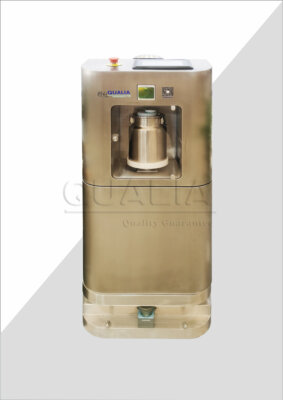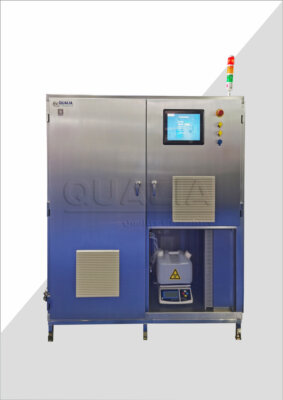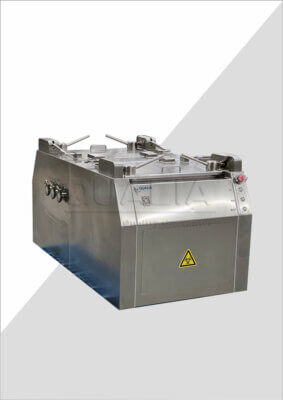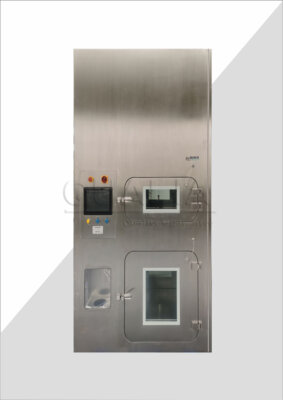
Biosafety en biofarmaceutische faciliteiten staan onder toenemende druk om gevalideerde systemen voor de behandeling van vloeibaar afval te implementeren. BSL-3 en BSL-4 laboratoria moeten nu infectieus afvalwater ontsmetten voordat het wordt geloosd - een wettelijke vereiste die operationele, regelgevende en milieugevolgen met zich meebrengt. Toch worstelen veel facilitair managers met het selecteren van geschikte technologieën, het valideren van prestaties aan de hand van evoluerende normen en het integreren van systemen in bestaande infrastructuur zonder kritieke onderzoeks- of productieworkflows te verstoren.
Het regelgevingslandschap van 2025 vereist meer dan basale naleving. Federale instanties verwachten nu gedocumenteerde steriliteitsgarantie, voortdurende bewaking en levenscyclusvalidatieprotocollen die inspecties kunnen doorstaan. Het kiezen van een EDS is niet langer een eenvoudige aankoop van apparatuur, het is een strategische beslissing die van invloed is op de registratie van de faciliteit, de operationele kosten en het vermogen om nieuwe pathogenen te verwerken volgens inperkingsprotocollen.
Inzicht in systemen voor effluentontsmetting (EDS) en 2025 drijfveren voor regelgeving
Wat EDS eigenlijk doet in hoogbeveiligde faciliteiten
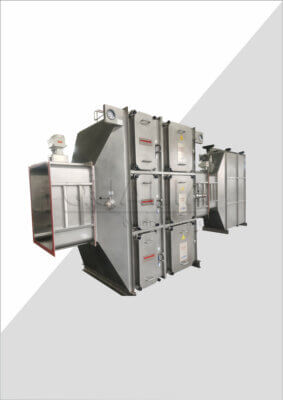
Een afvalwaterontsmettingssysteem steriliseert vloeibaar afval dat mogelijk gevaarlijke biologische materialen bevat voordat het in het milieu wordt geloosd. Deze systemen - vaak biokill-systemen genoemd - verwerken verontreinigde stromen van laboratoriumafvoer, necropsiegebieden voor dieronderzoek, fermentatievaten en celkweekactiviteiten. EDS-eenheden verwerken zowel vloeibaar afval als vloeistoffen met vaste suspensies en behandelen alles van routine afvoer van gootstenen tot hoog-titer productieafval.
BSL-3 en BSL-4 faciliteiten moeten EDS wettelijk installeren. Het systeem zorgt ervoor dat pathogenen, recombinante organismen en select agents nooit in gemeentelijke afvalwatersystemen terechtkomen. De meeste inrichtingen ontwerpen EDS als de laatste barrière in een meerlagige bioveiligheidsbenadering, na de primaire inperking maar voordat het afval de biocontainment verlaat.
Federale vereisten die EDS-selectie bepalen
De Bioveiligheid in microbiologische en biomedische laboratoria (BMBL) bepaalt dat thermische behandeling de voorkeursmethode is voor de ontsmetting van vloeibaar afval. Deze voorkeur komt voort uit tientallen jaren van validatiegegevens en het vermogen van de methode om reproduceerbare steriliteit te bereiken. CDC/APHIS richtlijnen voor Select Agent programma's erkennen echter dat chemische decontaminatie aan de vereisten kan voldoen als het goed gevalideerd is.
Het Federal Select Agent Program behoudt inspectierechten over complete EDS-installaties, zelfs voor systeemonderdelen die zich buiten de geregistreerde ruimten met selectieve agentia bevinden. Dit maakt naleving ingewikkeld voor faciliteiten die afvalwater van meerdere ruimtes door een gedeelde ontsmettingsinfrastructuur leiden. Ik heb met faciliteiten gewerkt die deze vereiste pas ontdekten tijdens de voorbereiding op de inspectie, waardoor ze genoodzaakt waren om haastig validatiestudies uit te voeren en documentatie bij te werken.
Belangrijkste wettelijke normen voor EDS-implementatie
| Norm/autoriteit | Vereiste | Voorkeursmethode |
|---|---|---|
| BMBL | Ontsmetting van vloeibaar afval voor BSL-3/4 faciliteiten | Thermische behandeling |
| CDC/APHIS Select Agent-programma | Behandeling van mogelijk verontreinigd vloeibaar afval | Chemisch of thermisch |
| Federaal Select Agent Programma | EDS-kamerregistratie en inspectieprotocol | FSAP behoudt inspectierechten voor volledig systeem |
| ASTM-standaarden | Methodologie voor het testen van de doeltreffendheid van ontsmettingsmiddelen | Testen in aanwezigheid van organisch materiaal |
Bron: Bioveiligheid in microbiologische en biomedische laboratoria, ASTM International.
Waarom 2025 standaarden een herevaluatie van bestaande systemen vereisen
De verwachtingen van regelgevende instanties zijn verschoven van eenvoudige verificatie van temperatuur en tijd naar uitgebreide programma's voor steriliteitsgarantie. Fabrieken moeten nu continue monitoring aantonen, validatieprotocollen met resistente biologische indicatoren documenteren en gegevensarchieven bijhouden die toegankelijk zijn voor inspecties. Oudere EDS-installaties hebben vaak geen ethernetverbinding, geautomatiseerde datalogging of PLC-gebaseerde besturingssystemen die voldoen aan de huidige richtlijnen voor Good Automated Manufacturing Practice.
ASTM-standaarden leggen nu de nadruk op het testen van de werkzaamheid van desinfectiemiddelen in aanwezigheid van organisch materiaal - een omstandigheid die de werkelijke samenstelling van de afvalstroom weerspiegelt. Dit gaat verder dan validatiestudies met schoon water en er worden nu protocollen gebruikt die rekening houden met eiwitten, celresten en chemische residuen die micro-organismen kunnen beschermen tijdens behandelingscycli.
Kerncomponenten van een modern EDS: Van afvalinzameling tot gevalideerde lozing
Infrastructuur voor inzameling en voorbehandeling
EDS begint bij de afvoer. Voorzieningen ontwerpen opvangnetwerken die verontreinigd effluent van verspreide bronnen samenbrengen in opslagtanks. Systemen met zwaartekrachttoevoer werken goed als de behandelingsvaten zich in kelders onder laboratoriumvloeren bevinden. Pompgestuurde configuraties worden noodzakelijk wanneer de lay-out van de faciliteit zwaartekrachtstroom verhindert of wanneer afval afkomstig is van meerdere gebouwniveaus.
Opvangtanks bieden piekcapaciteit en vereffening van het debiet. Ze vormen een buffer voor de intermitterende lozingen met grote volumes die typisch zijn voor het wassen van kooien of grootschalige fermentatieoogsten. De meeste systemen zijn voorzien van niveaumeting die automatisch behandelingscycli activeert wanneer de tanks vooraf bepaalde vulpunten bereiken.
De voorbehandeling kan screening of bezinking omvatten om grote deeltjes te verwijderen die de thermische overdracht of het chemische contact verstoren. Installaties die dierlijk beddingafval of weefselkweekresten verwerken, hebben een robuustere behandeling van vaste deeltjes nodig dan installaties die celvrije kweekmedia behandelen.
Sterilisatievaten en procesbesturingsarchitectuur
Het sterilisatievat is waar de ontsmetting plaatsvindt. Batchsystemen maken gebruik van drukvaten die functioneren als grootschalige autoclaven. Afval gaat het vat in, het systeem sluit af en past dan warmte en druk toe voor de geprogrammeerde cyclusduur. Deze vaten bevatten filters voor de ontluchting van bacteriën, interne roersystemen om een gelijkmatige verhitting te garanderen en koelmechanismen om de afvoertemperatuur te verlagen voordat het afval in afvoersystemen terechtkomt.
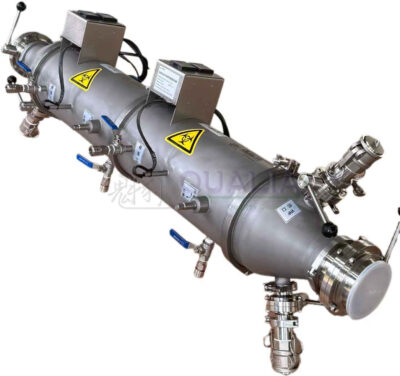
Doorstroomconfiguraties vervangen batch tanks met pijpsecties die dienen als wachtzones. Afval stroomt continu door verwarmingssecties, houdt de temperatuur vast tijdens de berekende verblijftijd in de wachtpijpen en stroomt dan door koelsecties met warmteterugwinning. De energie-efficiëntie bereikt 95% omdat inkomend koud afval behandeld effluent voorkoelt terwijl uitgaand heet effluent inkomend afval voorverwarmt.
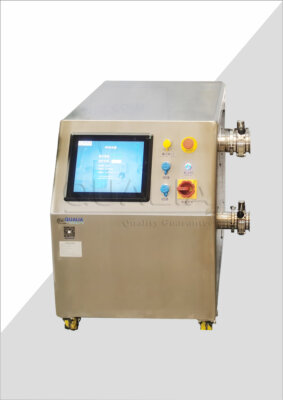
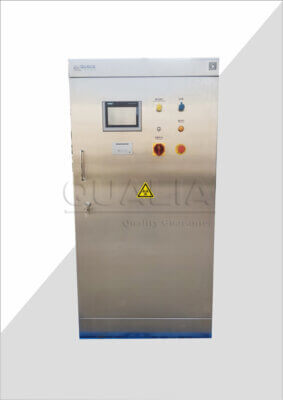
Moderne besturingssystemen maken gebruik van PLC-gebaseerde touchscreen interfaces met uitgebreide gegevensarchivering. Deze controllers bewaken temperatuur, druk, debiet en cyclusduur in real-time. De beste systemen slaan duizenden eerdere cycli op en ondersteunen ethernetconnectiviteit voor bewaking op afstand en gegevensexport tijdens inspecties.
Technische specificaties EDS per systeemconfiguratie
| Parameter | Batchsystemen | Systemen met continue stroming |
|---|---|---|
| Behandelingstemperatuur | 121°C - 150°C | 121°C - 150°C |
| Behandeling Druk | 15 psi standaard | 15 psi standaard |
| Contacttijd | 30 minuten - 2 uur | Berekend door pijpdoorsneden |
| Capaciteit Bereik | 25 - 50.000 L/dag | 4 - 250 LPM (1-66 gpm) |
| Terugwinnen van energie | Niet van toepassing | Tot 95% |
| Bedrijfsmodus | Run-stand-by met meerdere tanks | Serieverwarming/-koeling met continue verwerking |
Bron: ASME-norm voor bioprocessing-apparatuur, PD 5500 Drukvaten Code.
Materiaalnormen en constructievereisten
ASME BPE-normen specificaties voor leidingsystemen voor bioprocessing. Volledig gegloeid roestvrij staal conform ASTM A-269 garandeert corrosiebestendigheid en reinigbaarheid. Drukvaten moeten voldoen aan PD5500 eisen voor ontwerp, fabricage en testen.
Het type aansluiting is belangrijk om lekken te voorkomen. Tri-clamp en flensverbindingen op de bovenkant van vaten verminderen het risico op verontreinigde lekken tijdens bedrijf. Met clean-in-place-punten kunnen installaties verontreinigde leidingen tijdens onderhoud met stoom steriliseren zonder de insluiting te verbreken.
Ik heb faciliteiten gezien die tijdens de eerste constructie materialen van een lagere kwaliteit kozen en binnen drie jaar te maken kregen met voortijdige corrosie, defecte pakkingen en validatieproblemen. Vooraf investeren in de juiste materialen voorkomt dure aanpassingen achteraf en hiaten in de naleving.
De juiste EDS-technologie kiezen: Thermische, chemische en geavanceerde oxidatieprocessen
Thermische ontsmetting: Batch versus continue stroom
Thermische batchsystemen domineren de geïnstalleerde basis omdat ze bekende autoclaafprotocollen nabootsen. Afval wordt verwarmd tot 121°C bij 15 psi gedurende 30-60 minuten - dezelfde parameters die worden gebruikt voor laboratoriumsterilisatie. Units werken op run-standby cycli wanneer meerdere tanks de verwarmingsinfrastructuur delen. De ene tank behandelt terwijl de andere het afval opvangt, zodat het afval ook tijdens de verwerking continu wordt geaccepteerd.
Thermische continustroomsystemen kosten ongeveer evenveel als batchconfiguraties, maar leveren een transformationele energie-efficiëntie. Afval stroomt door warmtewisselaars die thermische energie overbrengen van behandeld effluent naar inkomend afval. Deze systemen verbruiken slechts 5% van de energie die nodig is voor batchprocessen, terwijl de steriliteit hetzelfde blijft.
Continue systemen zijn geschikt voor faciliteiten met een regelmatige, voorspelbare afvalproductie. Onderzoeksinstituten met sterk wisselende afvoerpatronen geven vaak de voorkeur aan batchconfiguraties die onregelmatige stromen aankunnen zonder constant te moeten cycleren.
Benaderingen voor chemische behandeling en validatie-uitdagingen
Chemische batchsystemen injecteren desinfectiemiddel - meestal natriumhypochloriet - in verzameltanks, mengen het grondig en houden het vast gedurende een contacttijd voordat het wordt geloosd. De kapitaalkosten zijn lager dan bij thermische systemen en het energieverbruik is te verwaarlozen. Het nadeel is de chemische behandeling, de neutralisatievereisten en de complexere validatieprotocollen.
Om een betrouwbare chemische sterilisatie te bereiken, moeten de concentraties vrij chloor boven 5700 ppm worden gehouden gedurende contactperioden van twee uur bij de behandeling van sporenvormende organismen. Organische belasting in afval put vrij chloor snel uit, waardoor aanzienlijke dosering van chemische stoffen en voortdurende controle nodig zijn om voldoende residu gedurende de contacttijd te garanderen.
Een onderzoeksfaciliteit waar ik mee samenwerkte valideerde hun op bleekwater gebaseerde systeem met behulp van in het laboratorium bereide sporenpakketten met Bacillus thuringiensis. Ze ontdekten dat commerciële biologische indicatoren sporen voortijdig vrijgaven bij contact met vloeistof, wat fout-positieve resultaten opleverde. Hun rigoureuze validatieaanpak met dialyseslangpakketten zorgde voor realistischere uitdagingsomstandigheden en weerstond regelgevend onderzoek.
EDS-technologie vergelijkingsmatrix
| Type technologie | Bedrijfstemperatuur | Energieverbruik | Kapitaalkosten | Belangrijkste voordeel |
|---|---|---|---|---|
| Thermische batch | 121°C standaard | Basislijn | Medium | Meest voorkomend, voldoet aan standaardprotocollen |
| Thermische Continue Stroming | 121°C - 150°C | 5% van batch (95% herstel) | Medium | Hoogste energie-efficiëntie |
| Chemische batch | Omgeving | Laagste | Laag | Werkt met verschillende chemische middelen |
| Chemische continue stroom | Omgeving | Laagste | Laagste | Minimale infrastructuurvereisten |
| Thermochemisch | <98°C | Lager dan thermisch | Medium | Automatische flexibele redundantie |
Opmerking: Chemische systemen vereisen ≥5700 ppm vrij chloor met een contacttijd van 2 uur om sporen te inactiveren.
Hybride thermochemische systemen voor operationele flexibiliteit
Thermochemische systemen combineren warmte en chemische behandeling bij temperaturen onder 98°C. Deze aanpak verlaagt het energieverbruik terwijl de steriliteit behouden blijft door dubbele inactivatiemechanismen. Het grote voordeel is de automatische flexibele redundantie: systemen herkennen wanneer warmte of chemische bronnen uitvallen en passen de cyclusparameters automatisch aan met behulp van de resterende functionele component.
Deze redundantie elimineert de downtime die typisch is wanneer single-mode systemen te maken krijgen met apparatuurstoringen. Het onderzoek kan zonder onderbreking doorgaan terwijl het onderhoud het defecte onderdeel aanpakt. Voor high-containment faciliteiten waar afvalback-up ernstige zorgen over de bioveiligheid met zich meebrengt, rechtvaardigt deze operationele continuïteit de extra complexiteit van het systeem.
Integratie van EDS in bioprocesstromen: Een gids voor nieuwe en aangepaste installaties
Faciliteitsindelingsstrategieën die EDS-integratie vereenvoudigen
De plaatsing in de kelder optimaliseert de zwaartekrachtstroming zonder tussenliggende liftstations. Laboratoria, dierenverblijven en productieruimten worden naar beneden afgevoerd via speciale leidingen die eindigen in opvangtanks eronder. Deze configuratie elimineert pompen die kunnen uitvallen en noodsituaties kunnen veroorzaken tijdens kritieke operaties.
Het aanpassen van bestaande gebouwen brengt ruimtelijke en structurele uitdagingen met zich mee. Gevalideerde ontsmettingssystemen voor effluenten ontworpen met een modulaire constructie worden geleverd in secties die door standaard deuropeningen passen en ter plekke worden gemonteerd. Ik heb succesvolle installaties gezien in krappe mechanische ruimtes waar conventionele systemen nooit zouden passen.
Hoogtevereisten bepalen de compatibiliteit van gebouwen. Kleine laboratoriumsystemen hebben een vloeroppervlak van 14′ x 10′ met een vrije hoogte van 10′. Voor grote productiesystemen is 25′ x 15′ vloeroppervlak nodig en 18′ vrije ruimte boven het hoofd voor vaten, leidingen en toegang voor onderhoud.
EDS-integratiespecificaties voor faciliteitsontwerp
| Configuratieaspect | Kleine laboratoriumsystemen | Grote productiesystemen |
|---|---|---|
| Vereiste voetafdruk | 14′ x 10′ (10′ hoogte) | 25′ x 15′ (18′ hoogte) |
| Voedermethode | Zwaartekracht- of pompgevoed | Pompgestuurd met redundantie |
| Type aansluiting | Drieklem op drukvaten | Flensverbindingen om lekken te verminderen |
| Besturingssysteem | PLC-touchscreen met gegevensarchivering | PLC met ethernetverbinding en bewaking op afstand |
| Integratiepunten | Laboratoriumafvoer, gootstenen, douches | Gistingstanks, necropsielaboratoria, celculturen, afval van groeimedia |
| Aanpak installatie | Modulair voor retrofits | Plaatsing kelder voor optimalisatie zwaartekrachtstroming |
Afvalstromen scheiden en chemische onverenigbaarheden beheren
Niet alle vloeibare afvalstoffen moeten gecombineerd worden voor behandeling. Sterk zure of alkalische stromen moeten geneutraliseerd worden voordat ze in inzamelsystemen terechtkomen. Oplosmiddelen en ontvlambare chemicaliën moeten apart behandeld worden - ze horen niet thuis in biologische ontsmettingssystemen. Radioactief vloeibaar afval moet apart behandeld worden om besmetting van EDS-componenten en problemen met de afvoer van gemengd afval te voorkomen.
Veel faciliteiten installeren speciale opvangnetten voor verschillende afvalcategorieën. Eén leidingsysteem behandelt routinematige BSL-3 laboratoriumafvoer. Een apart netwerk verzamelt hoog-titer productieafval van fermentatieprocessen. Deze scheiding maakt het mogelijk om de behandelingsparameters af te stemmen op de afvalkarakteristieken en voorkomt overbehandeling van stromen met een laag risico.
Faciliteiten die gebruik maken van chemische ontsmetting moeten rekening houden met onverenigbaarheden tussen ontsmettingsmiddelen en afvalbestanddelen. Bleekmiddel reageert met zuren om chloorgas vrij te maken. Sommige kweekmediacomponenten inactiveren chemische desinfectiemiddelen. Inzicht in de chemie van afval voorkomt validatiefouten en incidenten met gevaarlijke reacties.
Coördinatie tussen technische disciplines tijdens installatie
Succesvolle EDS-integratie vereist coördinatie tussen procesingenieurs, architecten, bouwkundig ingenieurs, mechanische aannemers en inbedrijfstellingsspecialisten. Constructeurs controleren de belastbaarheid van de vloer voor vaten van meerdere tonnen gevuld met afval. Mechanische aannemers leiden de stoomtoevoer, het koelwater en de afvoerverbindingen. Elektrische teams leveren stroom voor verwarmingselementen, pompen en regelsystemen.
Eén aannemer vertelde me dat zijn meest uitdagende project bestond uit het leiden van leidingen door drie verdiepingen van een bezet onderzoeksgebouw om een EDS-installatie in de kelder te bereiken. Ze werkten in weekendploegen om aan te sluiten op de bestaande drainage zonder de doordeweekse onderzoeksactiviteiten te verstoren. Het modulaire systeemontwerp maakte eindmontage mogelijk in een overvolle mechanische ruimte die nooit geschikt zou zijn voor veldgelaste constructies.
Validatie en naleving: Voldoen aan de 2025-standaarden voor steriliteitsbewaking en omgevingsmonitoring
Protocollen voor biologische indicatorselectie en uitdagingstests
Validatie vereist het aantonen van een 6-log reductie van resistente micro-organismen. Sporen van Geobacillus stearothermophilus dienen als biologische indicatoren voor thermische systemen omdat ze beter bestand zijn tegen hitte dan de meeste ziekteverwekkers. Chemische systemen gebruiken sporen van Bacillus subtilis of Bacillus thuringiensis, afhankelijk van de chemische samenstelling van het desinfectiemiddel.
Biologische indicatoren zijn verkrijgbaar als commerciële preparaten op papieren strips of in ampullen. Ze bevatten gedefinieerde sporenpopulaties, meestal 10⁶ of meer kolonievormende eenheden. Validatie plaatst indicatoren op representatieve locaties in het behandelingsvat, voert standaardcycli uit en recupereert en kweekt de indicatoren om volledige inactivatie te verifiëren.
Sommige faciliteiten maken zelfgemaakte sporenpakketten met behulp van dialyseslangen gevuld met in het laboratorium gekweekte sporen. Deze aanpak levert strengere uitdagingen op dan commerciële producten omdat sporen ingebed blijven in organisch materiaal dat de werkelijke afvalkenmerken nabootst. Deze aanpak biedt ook een oplossing voor het probleem dat commerciële indicatoren sporen te snel vrijgeven bij contact met vloeistof, waardoor de behandeling die nodig is voor sporen die beschermd zijn in biologisch afval mogelijk wordt onderschat.
Validatievereisten voor EDS steriliteitsgarantie
| Validatie Parameter | Specificatie | Frequentie |
|---|---|---|
| Biologische indicator | Sporen van Geobacillus stearothermophilus | Maandelijks of driemaandelijks testen |
| Vereiste logboekreductie | 6 Log₁₀ (99,9999% doden) | Elke validatiecyclus |
| Fysieke parameterbewaking | Temperatuur, druk, duur | Continue realtime bewaking |
| Fabrieksacceptatietest | Commerciële biologische indicatoren | Standaardprocedure vóór verzending |
| Documentatie van gegevens | Cyclusopslag met ethernet download | Alle cycli gearchiveerd in het systeemgeheugen |
Bron: Richtlijnen bioveiligheid CDC, ASTM-testnormen.
Programma's voor fysieke bewaking en continue verificatie
Biologische validatie biedt periodieke bevestiging van steriliteit. Bewaking van fysische parameters biedt continue verificatie dat elke cyclus voldoet aan kritieke specificaties. Temperatuursensoren, drukomzetters en debietmeters leveren gegevens aan controlesystemen die de behandelingscondities in real-time documenteren.
Moderne EDS-units slaan complete cyclusrecords op - temperatuurprofielen, duur, alarmgebeurtenissen, operatorinterventies - voor duizenden runs. Ethernetconnectiviteit maakt het mogelijk om gegevens te exporteren voor trendanalyses en wettelijke inspecties. Installaties kunnen aantonen dat elke liter afval die in de loop van maanden of jaren is geloosd, een gevalideerde behandeling heeft ondergaan.
Alarmsystemen stoppen de afvoer als de cycli afwijken van de specificaties. Sensoren detecteren lage temperatuur, onvoldoende druk of te korte wachttijden en verlengen automatisch de cycli of leiden het afval terug naar de opvangtanks. Deze faalveilige logica voorkomt dat er onvoldoende behandeld afvalwater vrijkomt, zelfs als er een storing in de apparatuur optreedt.
Fabrieksacceptatietests en installatiekwalificatie op locatie
Fabrikanten voeren fabrieksacceptatietests uit voordat EDS-apparaten worden verzonden. Deze tests maken gebruik van commerciële biologische indicatoren om te controleren of systemen gespecificeerde logboekreducties behalen onder standaard bedrijfsomstandigheden. Door getuige te zijn van FAT kunnen kopers de prestaties bevestigen voordat de apparatuur de fabriek verlaat.
Installatiekwalificatie op locatie herhaalt validatietests na installatie. Hiermee wordt geverifieerd dat het transport, de installatie en de aansluiting op de voorzieningen in de faciliteit de prestaties niet in gevaar hebben gebracht. IQ-protocollen documenteren ook dat de installatie voldoet aan de ontwerpspecificaties voor leidingen, elektrische aansluitingen en integratie van het besturingssysteem.
Ik raad altijd aan om operationele kwalificatieruns uit te voeren met de meest ongunstige afvalsimulanten: hoge organische belasting, maximaal verwacht volume, koudste verwachte inlaattemperatuur. Deze uitdagende omstandigheden bevestigen dat het systeem de echte operationele stress aankan, en niet alleen schoon water onder ideale omstandigheden.
Operationele uitmuntendheid en levenscyclusbeheer voor EDS
Geautomatiseerde besturingssystemen en gegevensbeheerarchitectuur
Zelfdiagnostische PLC-besturing elimineert interventie door de operator tijdens normale cycli. De systemen detecteren automatisch het afvalvolume, starten de behandelingssequenties, controleren kritieke parameters en voltooien de afvoer zonder handmatige handelingen. Deze automatisering vermindert menselijke fouten en zorgt voor een consistente behandeling, ongeacht het ervaringsniveau van de operator.
Touchscreen interfaces geven de cyclusstatus, alarmmeldingen en historische gegevens weer. Operators kunnen alarmen bevestigen, setpoints aanpassen binnen gevalideerde bereiken en cyclusrecords downloaden voor documentatie. De beste systemen integreren met gebouwbeheerplatforms voor gecentraliseerde bewaking van meerdere EDS-eenheden.
De gegevensopslagcapaciteit is belangrijk voor nalevingsdocumentatie. Systemen die 5000 cycli archiveren, bieden jaren operationele geschiedenis zonder externe opslagvereisten. Geautomatiseerde gegevensback-ups naar netwerkschijven of cloud-opslag zorgen voor redundante records die controllerstoringen overleven.
Preventief onderhoud en levenscyclusplanning van onderdelen
Bacteriële ventilatiefilters moeten in sommige configuraties elke 15-20 cycli vervangen worden. Faciliteiten moeten reserveonderdelen op voorraad hebben en vervangingen plannen om cyclusvertragingen te voorkomen wanneer de filters hun capaciteit bereiken. Temperatuursensoren en drukomzetters gaan na verloop van tijd schuiven, waardoor periodieke kalibratie ten opzichte van referentiestandaarden nodig is.
Pakkingen en afdichtingen op drukvaten degraderen door thermische cycli en chemische blootstelling. Door jaarlijkse inspectie worden compressies en oppervlakteschade opgespoord voordat er lekken ontstaan. Sommige faciliteiten plannen de vervanging van afdichtingen op vaste intervallen in plaats van te wachten op een defect - een kleine kostenpost vergeleken met het opruimen van vervuilde lekken en validatiestudies om de systeemkwalificatie te herstellen.
De mogelijkheid tot reinigen ter plaatse verlengt de levensduur van de apparatuur en zorgt ervoor dat de steriliteit gewaarborgd blijft. CIP-punten maken stoomsterilisatie van leidingen, vaten en kleppen mogelijk zonder demontage. Regelmatige CIP-cycli verwijderen organische afzettingen die biofilms kunnen herbergen of micro-organismen kunnen afschermen van behandeling.
Levenscyclusbeheerparameters voor EDS-activiteiten
| Operationeel aspect | Specificatie | Standaard/Frequentie |
|---|---|---|
| Onderhoudsintervallen | Filter vervangen | Elke 15-20 cycli (systeemafhankelijk) |
| Service respons | Technische ondersteuning op locatie | 48-uurs antwoord met 24-uurs telefoondienst |
| Garantiedekking | Arbeid en onderdelen | 1 jaar standaard |
| Gegevensopslagcapaciteit | Historische cyclusrecords | Tot 5.000 cycli |
| Besturingssysteem | PLC-automatisering met zelfdiagnose | Continue bewaking met automatische storingsherkenning |
| CIP-mogelijkheden | Stoomsterilisatie van besmette leidingen | Geïntegreerde toegangspunten voor onderhoud |
Opmerking: GAMP- en ISPE-normen zijn van toepassing op geautomatiseerde controlesystemen en naleving van farmaceutische engineering.
Redundantiestrategieën die operationele onderbrekingen voorkomen
Dubbele tankconfiguraties bieden inherente redundantie. De ene tank verzamelt afval terwijl de andere behandelt. Als een verwarmingselement uitvalt of een klep defect raakt, kan het onderhoud worden uitgevoerd aan de offline tank terwijl de functionele unit gewoon doorgaat.
Hoogbeveiligde faciliteiten kunnen geen afvalback-up tolereren die tot onderzoeksonderbrekingen dwingt. Sommige faciliteiten installeren volledig dubbele EDS-treinen - parallelle systemen die elk in staat zijn om de volledige afvalproductie van de faciliteit te verwerken. Deze strategie kost vooraf meer, maar elimineert de risico's voor bioveiligheid en bedrijfscontinuïteit van enkelvoudige storingen.
Thermochemische systemen bieden een andere redundantiebenadering. Het systeem schakelt automatisch over naar een thermische of chemische modus als een van de onderdelen uitvalt, waardoor de steriliteit via het functionele mechanisme behouden blijft totdat het gerepareerd is. Deze flexibiliteit zorgt voor operationele continuïteit zonder dat complete systemen dubbel geïnstalleerd hoeven te worden.
Om een effectieve EDS te implementeren, moet de technologie worden afgestemd op de afvalkenmerken, de beperkingen van de installatie en de verwachtingen van de regelgeving. Thermische systemen bieden eenvoudige validatie voor de meeste toepassingen. Chemische benaderingen verlagen de kapitaal- en energiekosten als de complexiteit van de validatie beheersbaar is. Continue stroomconfiguraties leveren energie-efficiëntie voor grote volumes met een gelijkmatige afvalproductie. De meeste faciliteiten vinden dat modulaire ontwerpen zowel nieuwbouw- als retrofitprojecten vereenvoudigen, terwijl de prestatienormen gehandhaafd blijven.
Hebt u professionele begeleiding nodig bij het selecteren en valideren van effluentontsmettingssystemen voor uw bioveiligheids- of biofarmaceutische faciliteit? QUALIA is gespecialiseerd in EDS-oplossingen voor BSL-3, BSL-4 en productieomgevingen. Onze systemen bieden gevalideerde steriliteitsgarantie met operationele betrouwbaarheid. Neem contact met ons op om uw specifieke inperkings- en nalevingsvereisten te bespreken.
Veelgestelde vragen
V: Wat zijn de belangrijkste regelgevende factoren die de implementatie van EDS in 2024-2025 verplicht stellen?
A: EDS is wettelijk verplicht voor bioveiligheidsniveau 3 en 4 installaties. Belangrijke drijfveren zijn onder andere het Federal Select Agent Program (FSAP), dat inspectierechten voorbehoudt, en de Bioveiligheid in microbiologische en biomedische laboratoria (BMBL), waarin een voorkeur wordt uitgesproken voor thermische behandeling van vloeibaar afval. De CDC vereist ook validatie waarbij een reductie van 6 log bacteriële sporen wordt aangetoond om aan de eisen te voldoen.
V: Wat zijn de primaire technologische opties voor EDS en hun belangrijkste onderscheidende kenmerken?
A: De belangrijkste technologieën zijn thermische (batch- en continustroom) en chemische (batch- en continu) systemen. Thermische batchsystemen zijn het meest gangbaar en voldoen aan de 121°C norm, terwijl thermische continustroomsystemen tot 95% energieterugwinning kunnen bereiken. Chemische systemen hebben doorgaans lagere kapitaal- en energiekosten, waarbij thermochemische hybriden werken bij de laagste temperaturen (lager dan 98°C).
V: Hoe valideer je een EDS om te voldoen aan de vereiste 6-log reductienorm?
A: Validatie vereist het aantonen van een 6 log₁₀ (99,9999%) doding van resistente micro-organismen met behulp van biologische indicatoren. Voor thermische systemen, Geobacillus stearothermophilus sporen zijn de standaardindicator. Faciliteiten moeten deze validatie maandelijks of driemaandelijks uitvoeren, ondersteund door continue fysieke monitoring van temperatuur, druk en cyclusduur voor elke run.
V: Wat zijn de kritische ontwerpnormen voor EDS-drukvaten en -pijpleidingen?
A: Drukvaten moeten voldoen aan PD5500 of gelijkwaardige codes. Systeemleidingen moeten voldoen aan de ASME BPE-norm voor volledig gegloeide buizen met een chemische samenstelling die voldoet aan ASTM A-269 om een hygiënisch ontwerp en reinigbaarheid voor bioprocestoepassingen te garanderen.
V: Wat zijn de belangrijkste overwegingen voor het integreren van een EDS in een bestaande faciliteit?
A: De belangrijkste factoren zijn locatie en debiet. Kelders zijn ideaal voor systemen met zwaartekrachtvoeding om tussenpompen te vermijden. Modulaire ontwerpen vereenvoudigen de installatie in achteraf te bouwen ruimtes, met voetafmetingen variërend van 14’x10′ voor kleine eenheden tot 25’x15′ voor grotere systemen. Integratiepunten moeten worden aangesloten op alle mogelijke afvalbronnen, inclusief laboratoriumafvoer, gootstenen en fermentatietanks.
V: Hoe kunnen de operationele kosten van EDS worden geoptimaliseerd zonder de steriliteitsgarantie in gevaar te brengen?
A: Implementeer thermische systemen met continue stroming en energieterugwinningssecties, die tot 95% thermische energieterugwinning en 80% operationele besparingen kunnen opleveren. Kies bij chemische systemen voor batchverwerking vanwege het lage energieverbruik. Alle systemen profiteren van geautomatiseerde PLC-besturingen en CIP-punten (clean-in-place) om handmatige interventie en stilstand door onderhoud te verminderen.
V: Welk niveau van automatisering en gegevensbeheer moet een modern EDS bieden?
A: Moderne systemen maken gebruik van PLC-gebaseerde touchscreencontrollers voor een volledig geautomatiseerde werking, waardoor handmatig ingrijpen vermeden wordt. Ze moeten gegevens archiveren van ten minste 5000 eerdere cycli met downloadmogelijkheid via ethernet. Dit ondersteunt de naleving van GAMP en ISPE-normen, en biedt controleerbare records voor steriliteitsgarantie en omgevingsbewaking.
Gerelateerde inhoud:
- BioSafe EDS: Thermische systemen voor afvalwaterbehandeling
- BioSafe EDS: Batch-Continu Behandelingssystemen
- Continu EDS: De efficiënte oplossingen van BioSafe
- Continue vs. batchverwerking: EDS-bewerkingen optimaliseren
- Beheer van afvalwaterstromen: BioSafe EDS
- Energie-efficiënt EDS: De duurzame aanpak van BioSafe
- EDS-systeemtypen | Batch vs Continue stroming | Vergelijkingsgids
- BioSafe EDS: Geavanceerde behandeling van vloeibaar afval
- BioSafe EDS: Ontsmetting van biologische strijdmiddelen