
Het handhaven van een stabiele drukcascade is de meest kritieke technische uitdaging in BSL-3 containment. Een storing in deze onzichtbare barrière kan de veiligheid van de hele faciliteit in gevaar brengen. Voor modulaire BSL-3 laboratoria wordt deze uitdaging versterkt door de noodzaak om luchtdichtheid van laboratoriumniveau te bereiken in een geprefabriceerde structuur en tegelijkertijd complexe HVAC-regelingen te integreren voordat de module ooit de fabriek verlaat. Dit artikel beschrijft de best practices op het gebied van engineering voor het ontwerpen, bewaken en valideren van drukverschilsystemen in modulaire high-containment omgevingen.
De integriteit van het drukverschilsysteem is onontbeerlijk voor naleving van de regelgeving en operationele veiligheid. Omdat modulaire constructies de doorlooptijd van projecten verkorten en flexibiliteit bieden bij de implementatie, is het van het grootste belang om de unieke integratie- en validatievereisten voor deze systemen te begrijpen. De principes die hier worden beschreven zijn gebaseerd op internationale normen en hebben betrekking op de specifieke beperkingen en voordelen van modulair ontwerp.
Fundamentele principes van drukverschilontwerp
De cascade als sluitsteen
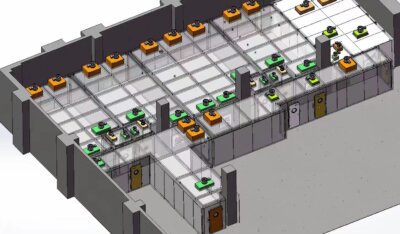
De primaire technische controle voor BSL-3 inperking is een cascade van negatieve druk, die ervoor zorgt dat de lucht van de schone gangen naar de voorkamers stroomt en uiteindelijk naar het hoofdlaboratorium. Deze gerichte luchtstroom, die meestal op -15 Pa tot -30 Pa wordt gehouden, creëert een onzichtbare barrière tegen het ontsnappen van aërosolen. Om dit te bereiken is een luchtdichte gebouwschil nodig, een uitdaging die nog groter wordt in modulaire constructies waar paneelverbindingen en nutsvoorzieningen een superieure afdichtingsintegriteit vereisen. Het drukverschil moet nauwkeurig gekalibreerd worden - voldoende om kleine storingen te overwinnen, maar niet zo hoog dat de deur niet meer goed functioneert.
Stabiliteit onder dynamische omstandigheden
Deze drukcascade wordt voortdurend op de proef gesteld door routineactiviteiten. Deuropeningen, personeelsbewegingen en het gebruik van apparatuur veroorzaken tijdelijke drukschommelingen. Volgens onderzoek van ANSI/ASSP Z9.14-2021, Het vermogen van het systeem om zich snel te herstellen en de juiste richtingsstroom te behouden is een belangrijke prestatiemeter. Industrie-experts raden aan om vanaf het begin te ontwerpen voor deze dynamische belastingen, wat de behoefte aan snel reagerende, geautomatiseerde regelsystemen onderstreept. Investeren in dergelijke controlesystemen is een fundamentele veiligheidseis, geen optionele upgrade.
De eenvoudige wiskunde van insluiting
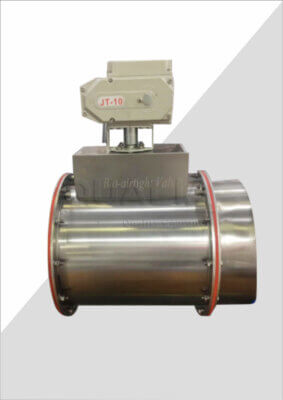
Het ontwerpprincipe is elegant eenvoudig: de afgevoerde luchtstroom moet constant de toegevoerde luchtstroom overschrijden met een berekende volumetrische offset. Deze offset creëert de negatieve druk die personeel en omgeving beschermt. De eenvoud houdt echter op bij de formule. In de praktijk moet bij het berekenen van deze offset rekening worden gehouden met infiltratie, exfiltratie en de hierboven genoemde dynamische factoren. Details die gemakkelijk over het hoofd worden gezien zijn onder andere de invloed van de filterbelasting op de prestaties van de ventilator en de noodzaak van terugslagkleppen voor de toevoerlucht om drukomkering te voorkomen tijdens het uitvallen van de afzuigventilator.
Belangrijkste technische componenten en systeemarchitectuur
Het actieve systeem: HVAC-balans
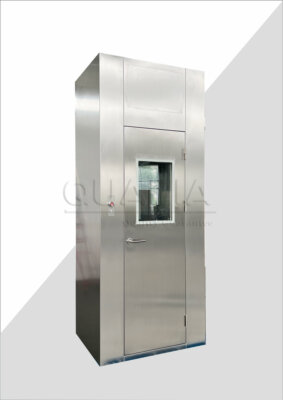
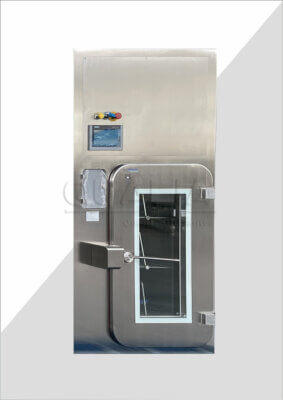
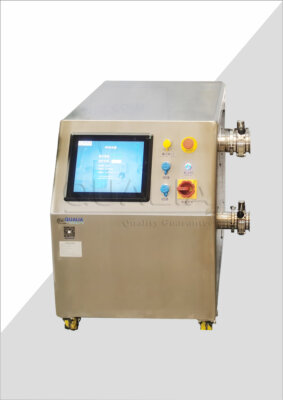
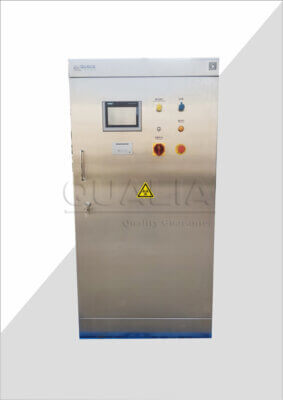
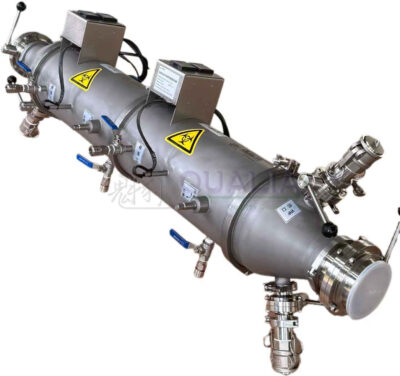
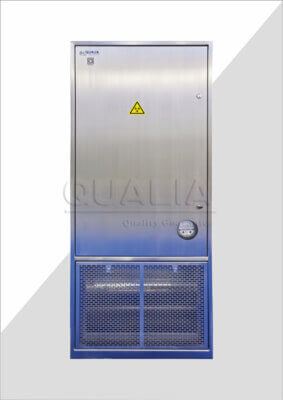
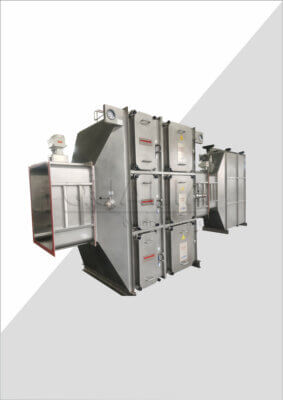
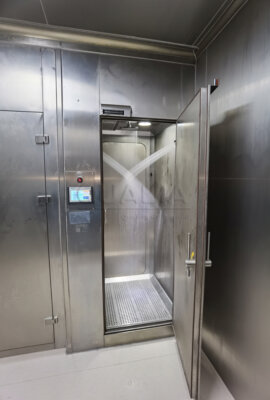
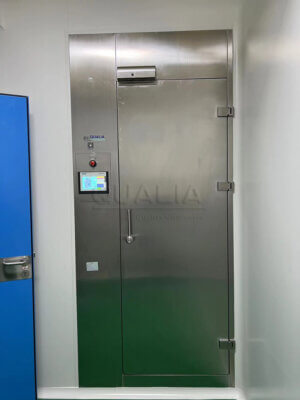
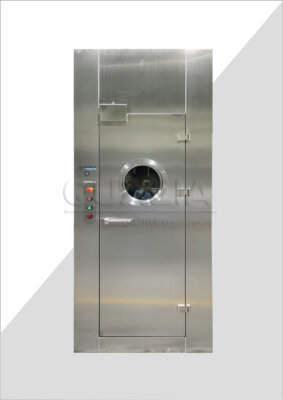
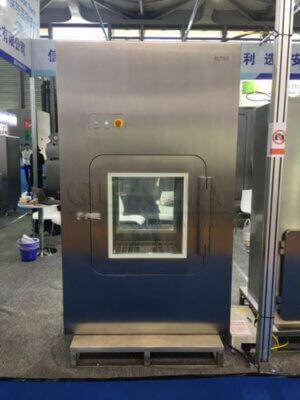
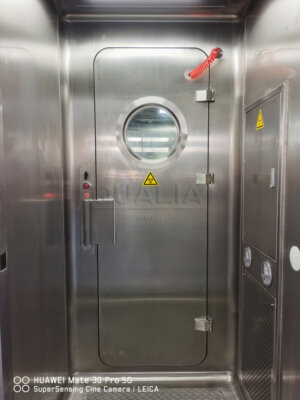
De drukcascade wordt actief gegenereerd door een zorgvuldig uitgebalanceerd HVAC-systeem. Kritische onderdelen zijn onder andere speciale afzuigsystemen met HEPA-filtratie en redundante (N+1) ventilatoren om een continue werking te garanderen. Toevoersystemen, vaak met terugslagkleppen, zorgen voor geconditioneerde lucht zonder de drukbalans in gevaar te brengen. Luchtsluizen met vergrendelde deuren zijn essentieel voor het handhaven van de drukgradiënt bij binnenkomst en vertrek.
Modulaire integratiebeperkingen
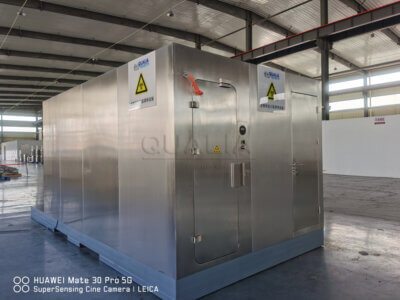
Modulair ontwerp legt unieke integratiebeperkingen op, waardoor HVAC-componenten vooraf in compacte, transporteerbare modules moeten worden ontworpen. Dit vereist een paradigmaverschuiving naar in de fabriek geteste plug-and-play mechanische systemen. Mijn ervaring is dat inkoop prioriteit moet geven aan leveranciers die deze vooraf gevalideerde geïntegreerde modules aanbieden om kostbare mislukte integratie op locatie te voorkomen. Het volledige mechanische systeem moet ontworpen zijn voor de ontberingen van het transport en de uiteindelijke aansluiting op locatie.
Onderdelenspecificaties en impact
De selectie van elk onderdeel bepaalt rechtstreeks de systeemprestaties en de kosten. De redundantiearchitectuur neemt rechtstreeks toe met het bioveiligheidsniveau; BSL-3 vereist HEPA op uitlaat met redundante ventilatoren, een specificatie die rechtstreeks van invloed is op de budgettering van het project en de operationele complexiteit. De volgende tabel geeft een overzicht van de belangrijkste componenten en hun kritische overwegingen.
Kritieke systeemonderdelen
De architectuur van een modulair BSL-3 druksysteem wordt gedefinieerd door specifieke, niet-verhandelbare componenten. Elke component speelt een rol in het genereren en onderhouden van de insluitingscascade.
| Component | Belangrijkste specificatie/vereiste | Impact / Overweging |
|---|---|---|
| Uitlaatsysteem | HEPA-filtratie verplicht | Definitieve insluitingsbarrière |
| Afzuigventilatoren | Redundante (N+1) configuratie | Zorgt voor continue werking |
| Luchttoevoersystemen | Terugslagkleppen inbouwen | Voorkomt drukcompromittering |
| Modulaire integratie | In de fabriek getest, plug-and-play | Vermindert integratierisico's op locatie |
| Overtolligheidsniveau | Escaleert met bioveiligheidsniveau | Rechtstreekse invloed op projectbudget |
Bron: ANSI/AIHA/ASSP Z9.5-2022: Laboratoriumventilatie. Deze norm legt de minimumvereisten vast voor laboratoriumventilatiesystemen, inclusief de noodzaak voor een goede luchtstroom, drukverhoudingen en insluiting, die rechtstreeks informatie geeft over de specificaties voor afzuiging, toevoer en redundantie in BSL-3 architectuur.
Controlestrategieën en monitoringsystemen
Kernmethoden voor controle
Moderne modulaire BSL-3 labs maken gebruik van geavanceerde Building Automation Systems (BAS) voor dynamische regeling. De primaire strategieën zijn directe drukregeling, die de kleppen moduleert op basis van sensorfeedback voor een hoge nauwkeurigheid, en debietvolgingsregeling, die een vaste volumetrische offset aanhoudt tussen toevoer en afvoer voor stabiliteit. Een robuuste hybride aanpak maakt vaak gebruik van directe regeling voor ankerruimten zoals gangen, met laboratoria die werken op debietvolging ten opzichte van deze ruimten.
De niet-onderhandelbare bewakingsbasislijn
Continue, realtime bewaking met hoorbare en zichtbare alarmen voor afwijkingen is verplicht. De strategische trend is de overgang van reactieve alarmgebaseerde systemen naar proactieve, AI-gestuurde controles. IoT-sensornetwerken maken voorspellend onderhoud mogelijk en creëren een continu, controleerbaar digitaal spoor voor regelgevende instanties, waardoor compliance verandert in een datagestuurd proces. Investeren in deze slimme infrastructuur is toekomstbestendig en stroomlijnt audits door regelgevende instanties.
Een controlestrategie selecteren
Het kiezen van de juiste strategie hangt af van het operationele profiel. De onderstaande tabel vergelijkt de primaire controlemethodologieën, die worden geverifieerd aan de hand van prestatienormen zoals ANSI/ASSP Z9.14-2021.
| Controlestrategie | Primair mechanisme | Beste voor toepassing |
|---|---|---|
| Directe drukregeling | Moduleert dempers via sensorterugkoppeling | Zeer nauwkeurige, statische laboratoria |
| Flow Tracking Controle | Handhaaft vaste volumetrische offset | Stabiliteit in drukbezochte ruimtes |
| Hybride besturing | Combineert beide kernstrategieën | Robuuste full-suite prestaties |
| Monitoring Basislijn | Continu real-time met alarmen | Niet onderhandelbaar voor naleving |
| Geavanceerde trend | AI-gestuurde, IoT-sensornetwerken | Voorspellend onderhoud & auditing |
Bron: ANSI/ASSP Z9.14-2021: Test- en prestatieverificatiemethodologieën voor BSL-3 (Biosafety Level 3) en ABSL-3 (Animal Biosafety Level 3) behuizingen. Deze standaard biedt methodologieën voor het verifiëren van de prestaties van de insluiting, inclusief drukverschillen en luchtstroom, die de fundamentele parameters zijn die worden beheerd en bewaakt door de genoemde controlestrategieën.
Unieke uitdagingen in modulaire BSL-3 implementatie
Prefabricage en luchtdichtheid
Prefabricage versterkt de focus op geïntegreerd ontwerp en structurele afdichting. Het volledige HVAC- en regelsysteem moet ontworpen en geïnstalleerd worden tijdens de fabricage in de fabriek, wat een nauwgezette pre-commissioning vereist. De module zelf moet luchtdicht zijn volgens laboratoriumkwaliteit met behulp van speciale pakkingen en gelaste naden, geverifieerd door middel van drukvervaltests voor verzending. Deze engineeringinspanning vooraf is essentieel om catastrofale storingen op locatie te voorkomen.
Toeleveringsketen als bioveiligheidsfactor
Door deze beperkingen is de veerkracht van de toeleveringsketen een kritieke factor voor bioveiligheid. Afhankelijkheid van gespecialiseerde, gecertificeerde componenten voor een snelle inzet stelt projecten bloot aan wereldwijde logistieke risico's. Bij de selectie van leveranciers moet nu naast de technische specificaties ook gekeken worden naar regionale productie- en reserveonderdelennetwerken om de operationele continuïteit te waarborgen. Een vertraagde regelklep of sensor kan de inbedrijfstelling vertragen of de veiligheid in gevaar brengen.
Verificatie en strategische flexibiliteit
De uitdagingen van modulaire implementatie worden aangegaan met specifieke verificatiemethoden en bieden unieke strategische voordelen. De ontwikkeling van gecertificeerde, gecontaineriseerde laboratoria ontkoppelt high-containment werk van vaste infrastructuur, waardoor biocontainment een inzetbare bron wordt.
| Uitdaging | Modulair-specifieke vereisten | Verificatiemethode |
|---|---|---|
| Luchtdichtheid gebouwschil | Afdichtingen en lasnaden van laboratoriumkwaliteit | Drukvervaltest vóór verzending |
| Integratie van HVAC en besturing | Volledige voorinstallatie in de fabriek | Zorgvuldige ingebruikname (FAT) |
| Veerkracht van de toeleveringsketen | Gecertificeerde, gespecialiseerde onderdelen | Regionale productienetwerken evalueren |
| Operationele flexibiliteit | Gecontaineriseerde, inzetbare labs | Ontkoppelen van vaste infrastructuur |
Bron: ISO 10648-2:2023: Omhulsels - Deel 2: Classificatie naar lekdichtheid en bijbehorende controlemethoden. Deze norm definieert classificaties voor lekdichtheid en specificeert testmethoden zoals drukverval, de kritische verificatie voor de integriteit van de modulaire omhulling vóór verzending.
Operationele controle- en reactieprotocollen
Dagelijkse en periodieke opdrachten
Een effectief ontwerp moet worden ondersteund door rigoureuze operationele praktijken. Dagelijkse controles van drukmonitoren, regelmatige kalibratie van sensoren en jaarlijkse integriteitstests van HEPA-filters zijn verplicht. Duidelijke, gedocumenteerde reactieprotocollen voor alarmsituaties zijn essentieel, met details over onmiddellijk onderzoek, toegangsbeperking, het aantrekken van persoonlijke beschermingsmiddelen (PPE) en noodprocedures. Deze protocollen veranderen een ontworpen systeem in een levende veiligheidscultuur.
De werkelijke kosten van HEPA-filtratie
Deze operationele belasting benadrukt de strategische rol van HEPA-filtratie, die dient als laatste barrière. Berekeningen van de totale eigendomskosten moeten de terugkerende kosten van het veilig vervangen van filters via Bag-in/Bag-out behuizingen, ontsmetting en nalevingsproeven omvatten, en niet alleen de kapitaaluitgaven. We hebben alleen kapitaalkosten vergeleken met levenscycluskosten en ontdekten dat de laatste het cruciale belang van onderhoudsplanning aantonen.
De menselijke laag van veiligheid
Een goed opgeleid team en robuuste protocollen vormen de laatste laag om ervoor te zorgen dat de veiligheidssystemen functioneren zoals bedoeld, zowel tijdens routine- als noodsituaties. Het personeel moet niet alleen begrijpen wat om te doen als het alarm afgaat, maar waarom de drukcascade is fundamenteel voor hun veiligheid. Deze integratie van menselijke factoren met technisch ontwerp maakt de insluitingsstrategie compleet.
Uw modulaire omhullingssysteem valideren en in bedrijf stellen
Het gefaseerde verificatieproces
Inbedrijfstelling is een gefaseerd proces dat essentieel is voor modulaire laboratoria. Fabrieksacceptatietests (FAT) moeten drukvervaltests (“blowerdoor”) omvatten om de integriteit van de omhulling en de voorlopige HVAC-balancering te verifiëren. De uiteindelijke inbedrijfstelling op locatie valideert de volledige drukcascade onder dynamische omstandigheden, waarbij het gebruik in de praktijk wordt gesimuleerd, zoals het sluiten van deuren en de werking van apparatuur. Door de FAT over te slaan of te overhaasten, worden de risico's en kosten gewoon doorgeschoven naar de projectlocatie.
Een prestatieniveau vaststellen
Deze rigoureuze validatie is waar het geïntegreerde modulaire ontwerp zijn waarde bewijst. Systemen die vooraf als complete eenheid in de fabriek worden getest, verminderen de risico's en vertragingen op locatie. De gegevens van deze tests stellen ook een basislijn vast voor de prestaties van de AI- en IoT-bewakingssystemen, waardoor echt voorspellend onderhoud en trendmatige prestaties gedurende de levenscyclus van de installatie mogelijk worden.
Belangrijkste activiteiten van de Commissie
Elke fase van de inbedrijfstelling heeft gedefinieerde activiteiten met specifieke doelen, zoals hieronder beschreven. Het kader voor deze tests komt overeen met normen voor scheidingsapparaten zoals ISO 14644-7:2022.
| Inbedrijfstellingsfase | Kernactiviteit | Doel / Resultaat |
|---|---|---|
| Fabrieksacceptatie (FAT) | Drukvervaltest (“blower door”) | Controleert de integriteit van de omhulling van de module |
| Fabrieksacceptatie (FAT) | Voorbereidende HVAC-balancering | Zorgt ervoor dat het systeem als eenheid functioneert |
| Definitieve ingebruikname op locatie | Valideert volledige drukcascade | Tests onder dynamische omstandigheden |
| Prestatie Baseline | Verzamelen van gegevens van alle tests | Maakt voorspellend onderhoud mogelijk |
Bron: ISO 14644-7:2022: Cleanrooms en aanverwante gecontroleerde omgevingen - Deel 7: Afscheidingsvoorzieningen. Deze norm beschrijft de eisen voor het ontwerp, de constructie en het testen van scheidingsinrichtingen (bijv. isolatoren) en biedt een kader voor het testen in de fabriek en op locatie van modulaire insluitsystemen.
De juiste regelstrategie voor uw toepassing selecteren
Strategie afstemmen op operationeel profiel
De keuze tussen directe druk, flowtracking of hybride regeling hangt af van het operationele profiel en de risicotolerantie. Directe regeling biedt precisie voor statische laboratoria met minimaal verkeer, terwijl flowtracking inherente stabiliteit biedt in frequent gebruikte ruimtes zoals voorkamers. Een hybride model levert vaak de meest robuuste prestaties voor een volledige reeks laboratoria en ondersteunende ruimten.
De opkomst van hybride inperkingsmodellen
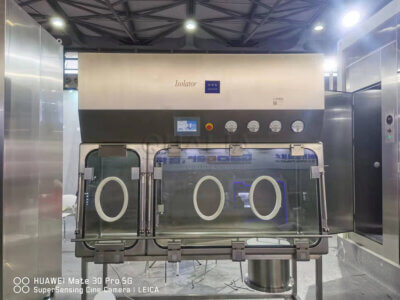
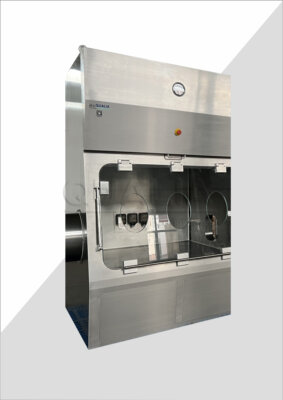
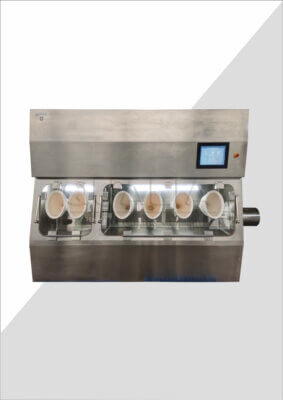
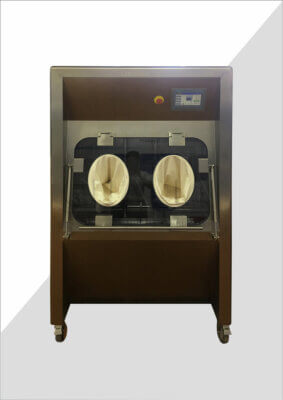
Een strategische trend die deze keuze beïnvloedt is de verschuiving naar hybride inperkingsmodellen. Door primaire inperkingsmiddelen zoals isolatoren te integreren in een BSL-3 ruimte ontstaat een gelaagde “containment-in-depth” strategie. Dit maakt een minder agressieve drukcontrole in de hele ruimte mogelijk, waarbij hoogenergetische negatieve druk alleen wordt gereserveerd voor de procedures met het hoogste risico op de plaats van gebruik. Deze aanpak optimaliseert zowel de veiligheid als de operationele efficiëntie op de lange termijn en vermindert de HVAC-belasting en het energieverbruik.
Beslissingskader
De beslissing begint met een risicobeoordeling van de laboratoriumprocedures. Voor werk dat voornamelijk in gesloten systemen wordt uitgevoerd, kan een flow-tracking strategie voor de ruimte voldoende zijn. Voor open laboratoriumwerk met aërosolen met een hoog risico biedt directe drukregeling de hoogste mate van zekerheid. Het hybride model wordt steeds meer geprefereerd vanwege de flexibiliteit, waardoor verschillende controlezones binnen dezelfde modulaire faciliteit mogelijk zijn voor specifieke risiconiveaus.
Langetermijnprestaties en naleving garanderen
Kostenanalyse voor de levenscyclus
Succes op lange termijn hangt af van adaptief onderhoud en inzicht in de totale eigendomskosten. Hoewel modulaire BSL-3 faciliteiten 15-30% lagere kapitaalkosten kunnen bieden, ligt hun grote voordeel in operationele besparingen - tot 20% lagere energiekosten - en goedkopere toekomstige uitbreiding. De energie-efficiëntie moet zich richten op optimalisatie binnen het standaardbereik van 6-12 luchtwisselingen per uur (ACH), aangezien studies aantonen dat hogere snelheden een afnemend veiligheidsrendement opleveren.
Gegevensgestuurde naleving
Deze gunstige totale eigendomskosten democratiseren de toegang tot high-containment onderzoek. Om een voortdurende naleving te garanderen, moet gebruik worden gemaakt van moderne monitoringsystemen voor geautomatiseerde gegevensregistratie en trendanalyse. Door voorrang te geven aan levenscyclusprestaties, schaalbaar ontwerp en gegevensgestuurd onderhoud, kunnen faciliteiten de veiligheid en naleving van de regelgeving op lange termijn garanderen.
De waarde op lange termijn kwantificeren
De financiële en operationele voordelen van een goed ontworpen modulair systeem zijn meetbaar gedurende de levensduur. Deze maatstaven moeten de basis vormen voor de initiële ontwerp- en aankoopbeslissingen voor een mobiel BSL-3 laboratorium.
| Prestatie Factor | Kwantitatief Metriek / Bereik | Operationele gevolgen |
|---|---|---|
| Besparingen op kapitaalkosten | 15-30% lager vs. traditionele bouw | Lagere initiële investering |
| Operationele energiebesparingen | Tot 20% lagere energiekosten | Lagere levenslange uitgaven |
| Luchtwisselingssnelheid (ACH) | Standaardbereik: 6-12 per uur | Optimaliseert veiligheid en efficiëntie |
| Overweging levensduur faciliteit | Toekomstige uitbreiding goedkoper | Schaalbaar ontwerpvoordeel |
| Nalevingsmethode | Geautomatiseerde gegevensregistratie en trends | Gaat verder dan handmatige records |
Bron: Technische documentatie en industriespecificaties.
De integriteit van uw drukverschilsysteem bepaalt de veiligheid van uw BSL-3 activiteiten. Geef prioriteit aan de luchtdichtheid van de omhulling, geverifieerd door middel van tests voorafgaand aan transport, investeer in geautomatiseerde controle en monitoring met een backbone voor gegevensregistratie en kies een controlestrategie die past bij uw specifieke risicoprofiel en operationele patronen. Deze beslissingen vormen de basis voor een betrouwbare insluiting.
Professionele begeleiding nodig bij de engineering van een drukinsluitsysteem voor een inzetbare high-containment faciliteit? De experts van QUALIA zijn gespecialiseerd in het geïntegreerde ontwerp en de validatie van modulaire biocontainmentoplossingen. Voor een gedetailleerde bespreking van uw projectvereisten kunt u ook Neem contact met ons op.
Veelgestelde vragen
V: Wat is het aanbevolen drukverschilbereik voor een BSL-3 insluitingscascade en hoe wordt dit gehandhaafd?
A: De vereiste negatieve drukcascade wordt gewoonlijk gehandhaafd tussen -15 en -30 Pa, zodat de lucht vanuit schone gangen naar de laboratoria stroomt. Deze gradiënt wordt actief gegenereerd door een gebalanceerd HVAC-systeem waarbij de afvoerluchtstroom consequent hoger is dan de toevoerluchtstroom met een berekende offset. Voor projecten waar stabiliteit tijdens deuropeningen van cruciaal belang is, moet je budgetteren voor snel reagerende automatische kleppen en regelsystemen, omdat dit een fundamentele veiligheidseis is, geen optionele functie.
V: Hoe valideer je de luchtdichtheid van een modulaire BSL-3 labomhulling voordat deze wordt geïnstalleerd?
A: U valideert de integriteit van de schil door middel van strenge fabrieksacceptatietests, waaronder drukvervaltests (“blowerdoor”) om de afdichting van laboratoriumkwaliteit bij paneelnaden en doorvoeren te bevestigen. Deze prestatieverificatie komt overeen met methodologieën in ANSI/ASSP Z9.14-2021 en lekdichtheidsclassificaties per ISO 10648-2:2023. Dit betekent dat je deze pre-shipment tests moet verplichten in leverancierscontracten om kostbare on-site integraties en vertragingen te voorkomen.
V: Wat zijn de belangrijkste verschillen tussen Direct Pressure en Flow Tracking regelstrategieën voor HVAC?
A: Directe drukregeling moduleert kleppen op basis van real-time sensorfeedback voor hoge precisie in statische omgevingen, terwijl Flow Tracking een vaste volumetrische offset handhaaft tussen toevoer en afvoer voor grotere stabiliteit in frequent gebruikte ruimten. Een hybride model biedt vaak de meest robuuste prestaties, waarbij gebruik wordt gemaakt van directe regeling voor ankergangen met laboratoria op debietvolging. Als uw operationele profiel een variabel gebruik van ruimtes met zich meebrengt, plan dan voor een hybride systeem om een balans te vinden tussen precisie en veerkracht.
V: Waarom is een redundantiearchitectuur cruciaal bij het ontwerp van BSL-3 HVAC en wat houdt dit in?
A: Redundantie is een verplichte bioveiligheidseis om continue insluiting te garanderen tijdens een storing in een component. Voor BSL-3 betekent dit specifiek HEPA-gefilterde afzuigsystemen met redundante (N+1) ventilatoren en vaak terugslagkleppen bij de toevoer. Dit heeft directe gevolgen voor de projectbegroting en de operationele complexiteit, dus u moet de voorstellen van leveranciers niet alleen evalueren op basis van de initiële kosten, maar ook op basis van hun geïntegreerde, vooraf gevalideerde ontwerp van redundantiemodules.
V: Welke invloed heeft de integratie van primaire insluitingsmiddelen zoals isolatoren op het totale ontwerp van de ruimtedruk?
A: Het gebruik van isolatoren of handschoenkasten binnen een BSL-3 ruimte creëert een gelaagde “containment-in-depth” strategie. Dit maakt een minder agressieve negatieve druk in de hele ruimte mogelijk, waarbij de hoogste differentiëlen gereserveerd worden voor de primaire voorziening tijdens procedures met een hoog risico. Dit betekent dat faciliteiten die veel werken met open pathogenen moeten ontwerpen voor dit hybride model om de HVAC-energiekosten op de lange termijn te optimaliseren met behoud van veiligheid, zoals wordt ondersteund door normen voor scheidingsapparaten zoals ISO 14644-7:2022.
V: Welke operationele monitoring is verplicht om BSL-3 drukinperking conform te houden?
A: Verplichte praktijken zijn dagelijkse drukcontroles, regelmatige sensorkalibratie en jaarlijkse integriteitstests van HEPA-filters, allemaal ondersteund door gedocumenteerde alarmreactieprotocollen. De strategische trend is de overgang van handmatige logboeken naar IoT-sensornetwerken en AI-gestuurde controles voor voorspellend onderhoud en geautomatiseerde controlesporen. Dit betekent dat je vooraf moet investeren in slimme bewakingsinfrastructuur om compliance om te zetten in een datagestuurd proces en de operationele last op de lange termijn te verminderen.
V: Wat zijn de overwegingen voor de totale eigendomskosten van een modulaire BSL-3 faciliteit naast de kapitaalkosten?
A: Belangrijke terugkerende kosten zijn onder andere het veilig vervangen van HEPA-filters met behulp van Bag-in/Bag-out behuizingen, decontaminatie, conformiteitstesten en energie voor het handhaven van 6-12 luchtwisselingen per uur. Hoewel modulaire constructies 15-30% lagere kapitaalkosten kunnen bieden, is hun grootste voordeel operationeel, met tot 20% lager energieverbruik en goedkopere toekomstige uitbreiding. Dit betekent dat uw financiële model prioriteit moet geven aan levenscyclusprestaties en schaalbaar ontwerp om besparingen op lange termijn te realiseren.
Gerelateerde inhoud:
- BSL-4 drukcascades: Geavanceerd systeemontwerp
- Modulaire BSL-4 laboratoria: Kosten besparen zonder compromissen te sluiten
- Modulaire BSL-3 labs installeren: Expertgids
- Aanpasbare BSL-3 laboratoria: Modulaire ontwerpen op maat
- Modulaire BSL-3 laboratoria: Snelle bouwoplossingen
- Uitbreidbare BSL-3 laboratoria: Schaalbare modulaire systemen
- BSL-3 laboratoriumventilatie: Ontwerp voor optimale veiligheid
- Integratie van geavanceerde HVAC-systemen in BSL-3-modulelaboratoria
- Modulaire BSL-3/4 labs: Oplossingen voor snelle implementatie