Het kiezen van de juiste inperkingsstrategie voor krachtige verbindingen is een kritieke beslissing waarbij veel op het spel staat. De keuze tussen OEB 3, OEB 4 en OEB 5 niveaus bepaalt de kapitaaluitgaven, de operationele complexiteit en de productieflexibiliteit op de lange termijn. Een veel voorkomende misvatting is dat de OEB-classificatie een eenvoudig opzoekwerk is in een tabel, wat leidt tot over-engineering of, erger nog, onderbescherming. In werkelijkheid gaat het om een genuanceerde risicobeoordeling waarbij procesenergie en productkenmerken net zo belangrijk zijn als de grenswaarde voor beroepsmatige blootstelling (OEL) zelf.
De verschuiving in de industrie naar risicogebaseerde kaders en de toenemende potentie van nieuwe kandidaat-geneesmiddelen maken deze beslissing relevanter dan ooit. Het kiezen van het verkeerde inperkingsniveau kan leiden tot dure herkwalificatie, knelpunten bij uitbesteding of de veiligheid van de operator in gevaar brengen. Inzicht in de fundamentele verschillen in filosofie, kosten en operationele impact tussen deze banden is essentieel voor strategische planning en partnerselectie.
OEB 3 vs OEB 4 vs OEB 5: filosofie voor kerninperking
Het inperkingsspectrum definiëren
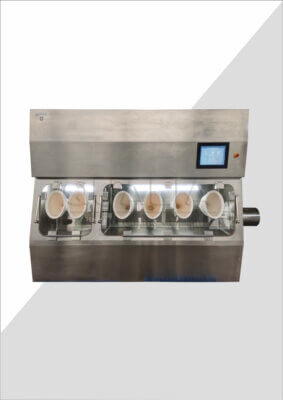
De overgang van OEB 3 naar OEB 5 betekent een fundamentele verschuiving van gecontroleerde blootstelling naar absolute isolatie. OEB 3 (OEL 10-100 µg/m³) maakt gebruik van een inperkingsstrategie tijdens normale werkzaamheden, waarbij meestal gebruik wordt gemaakt van geventileerde omhulsels zoals downflowcabines die een gerichte luchtstroom gebruiken. OEB 4 (OEL 1-10 µg/m³) schrijft een verbeterde inperking voor, waarbij vaak fysieke barrières of isolatoren nodig zijn. OEB 5 (OEL <1 µg/m³) vereist totale hoge inperking (THC) waarbij gesloten, afgedichte systemen worden gebruikt waarbij het product volledig van de operator is geïsoleerd via handschoenkasten of isolatoren.
Van binaire naar risicogebaseerde benaderingen
Deze evolutie weerspiegelt een bredere verschuiving in de regelgeving van voorschrijvende, binaire regels naar op prestaties gebaseerde, risicogestuurde inperking. Moderne kaders maken gefaseerde oplossingen mogelijk - Stofdicht, Droge Insluiting en THC - die worden afgestemd op specifieke procesrisico's in plaats van het hoogste niveau universeel toe te passen. Een hoogenergetisch OEB 3 maalproces kan controles op OEB 4-niveau vereisen, terwijl een stofarme OEB 5 monsternemingstaak kan worden beheerd in een omgekeerde ORAB. De filosofie draait niet langer alleen om de samengestelde band, maar om het gekwantificeerde risico van de specifieke bewerking.
De strategische implicatie
Deze op risico gebaseerde filosofie creëert zowel kansen als complexiteit. Het maakt kosteneffectieve oplossingen mogelijk, maar vereist diepgaande technische expertise om de kwantitatieve risicobeoordeling (QRA) correct uit te voeren. Onze ervaring is dat bedrijven die OEB behandelen als een vast label, zonder rekening te houden met procesvariabelen zoals stoffigheid en energie, vaak te maken krijgen met onverwachte kosten of validatiefouten tijdens de overdracht van technologie naar een partner met een meer genuanceerde interne OEB (iOEB) classificatie.
Vergelijking van kapitaalkosten en totale eigendomskosten (TCO)
De niet-lineaire kostencurve begrijpen
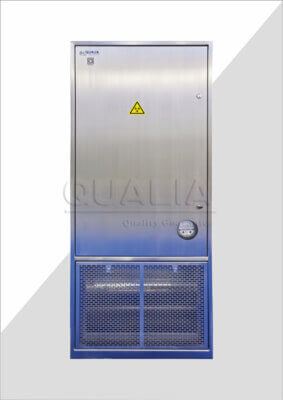
Kapitaalinvesteringen escaleren niet-lineair met het OEB-niveau. De grootste financiële sprong doet zich voor op de grens van OEB 4/5, waar cabines met open front worden vervangen door verplichte gesloten isolatortechnologie. Terwijl OEB 3 gematigde kosten met zich meebrengt voor geventileerde kasten en OEB 4 hoge investeringen vereist voor verbeterde kasten, vereist OEB 5 zeer hoog kapitaal voor complexe isolatorsystemen met geïntegreerde ontsmettings- en materiaaltransferpoorten.
De verborgen kosten van hoge inperking
Total Cost of Ownership onthult het ware financiële plaatje. Naast het kapitaal omvat de TCO ook validatie, gespecialiseerd onderhoud en - essentieel - analytische verificatie. Voor OEB 5/6 verbindingen moeten analysemethoden concentraties detecteren in het ng/m³ bereik, een ~1000x grotere gevoeligheid dan OEB 4. Deze eis wordt vaak een knelpunt in het project en een aanzienlijke doorlopende kostenpost. Deze vereiste wordt vaak een knelpunt in het project en brengt aanzienlijke lopende kosten met zich mee. In de onderstaande tabel worden de belangrijkste kostencomponenten over het OEB-spectrum uitgesplitst.
TCO uitsplitsing naar inperkingsniveau
De volgende vergelijking laat zien hoe kostenveroorzakers verschuiven van operationele controles naar geavanceerde technische systemen naarmate het OEB-niveau toeneemt.
| Kostencomponent | OEB 3 | OEB 4 | OEB 5 |
|---|---|---|---|
| Kapitaalinvestering | Matig | Hoog | Zeer hoog |
| Belangrijkste kostenfactor | Geventileerde behuizingen | Gesloten behuizingen | Gesloten isolatoren |
| Analytische gevoeligheid | ~1 µg/m³ bereik | ~0,1-1 µg/m³ bereik | ng/m³ bereik |
| TCO-factor | SOP's & PBM's | Technische controles | Gespecialiseerd onderhoud |
Bron: Technische documentatie en industriespecificaties.
De verplichting tot partnerschap
Deze hoge toetredingsdrempel - zowel kapitaal als expertise - concentreert de OEB 5/6 capaciteit in niche CDMO's. Het moedigt aan om strategische partnerschappen op lange termijn aan te gaan vanaf het begin van de ontwikkeling. Het moedigt het vormen van strategische langetermijnpartnerschappen aan vanaf het begin van de ontwikkeling om de verstorende, dure transfers tussen aanbieders te vermijden die kunnen plaatsvinden wanneer een project de insluitingscapaciteit van een partner overstijgt.
Prestaties en capaciteit van apparatuur: Een directe vergelijking
Apparatuur afstemmen op procesrisico
De selectie van apparatuur wordt gestuurd door de OEB, maar wordt uiteindelijk bepaald door een QRA die rekening houdt met stofvorming, procesenergie en verwerkte hoeveelheid. Prestaties worden in toenemende mate gemeten aan de hand van gegarandeerde resultaten, zoals geverifieerde blootstellingsniveaus, en niet alleen aan de hand van de aanwezigheid van een inperkingsapparaat. Dit is in lijn met de verschuiving in de industrie naar resultaatgerichte meetmethoden, die verder gaan dan eenvoudige binaire “ingeperkt/niet ingeperkt”-verklaringen.
Inperkingsoplossingen per eenheid
Verschillende processtappen vereisen verschillende technische controles op elk OEB-niveau. Een tabletpers die een OEB 3 samenstelling verwerkt, kan geventileerde omkastingen gebruiken, terwijl dezelfde bewerking voor een OEB 5 API volledige isolatie van de hele compressiezone vereist. Voor weging gaat de progressie van een downflowcabine (OEB 3) naar een omsloten ruimte met hoge insluiting (OEB 4) naar een isolator met een secundaire decontaminatiekamer (OEB 5).
Kader voor apparatuurkeuze
De onderstaande tabel geeft een directe vergelijking van typische inperkingsmethoden voor veelvoorkomende farmaceutische productiestappen en illustreert de escalatie in controlestrategie.
| Processtap | OEB 3 Insluiting | OEB 4 Insluiting | OEB 5 Insluiting |
|---|---|---|---|
| Vermalen/vermengen | Geventileerde behuizing mogelijk | Verbeterde droge insluiting | Volledige isolatie verplicht |
| Tablet Pers | Geventileerde behuizingen | Verbeterde droge insluiting | Volledige isolatie verplicht |
| Wegen | Downflow cabine | Behuizing met hoge beschermingsgraad | Isolator met decon-cabine |
| Prestatiemeting | Insluiting tijdens bedrijf | Verbeterde insluiting | Geverifieerde blootstellingsniveaus |
Bron: ISPE Baseline Guide Deel 7: Risicogebaseerde vervaardiging van farmaceutische producten (Risk-MaPP). Deze gids biedt een systematisch kader voor risicobeoordeling voor het selecteren van insluitingsstrategieën op basis van procesenergie en productkenmerken, waardoor de keuze van apparatuur voor verschillende OEB-niveaus direct wordt geïnformeerd.
Welk OEB-niveau is geschikt voor uw specifieke proces?
Begin met toxicologie, kalibreer met risico
Het bepalen van het juiste OEB-niveau begint met een toxicologische beoordeling om een OEL vast te stellen, die de API in een bandbreedte plaatst. De uiteindelijke inperkingsstrategie moet echter worden gekalibreerd door middel van een gedetailleerde risicobeoordeling, zoals een FMECA (Failure Mode, Effects and Criticality Analysis). Kritische factoren zijn onder andere de stoffigheid van het product, de energie die vrijkomt bij de bewerking, de verwerkte hoeveelheid en de duur van de taak. Deze procesgerichte kijk is essentieel.
De uitdaging van interne OEB (iOEB)
Een belangrijke complicatie is het gebrek aan industriestandaardisatie in OEB-banding. De iOEB-classificatie van een bedrijf kan variëren tussen organisaties op basis van hun interne risicotoleranties en historische praktijken. Dit creëert een aanzienlijk transferrisico bij uitbesteding. Een verbinding die door de ene sponsor als OEB 4 wordt geclassificeerd, kan door een CDMO met strengere criteria als OEB 5 worden behandeld, waardoor mogelijk eerder ontwikkelingswerk ongeldig wordt.
Due diligence als strategische activiteit
Daarom is een grondige due diligence van de specifieke iOEB-criteria, risicobeoordelingsmethoden en historische prestatiegegevens van een partner van strategisch belang. Het is niet genoeg om te vragen “Kunnen jullie OEB 5 aan?”; je moet begrijpen hoe ze dat definiëren, bewijzen en valideren. Deze afstemming vooraf voorkomt kostbare vertragingen bij herkwalificatie en zorgt ervoor dat het gekozen inperkingsniveau zowel veilig als commercieel haalbaar is voor het specifieke proces.
Operationele en onderhoudseisen vergeleken
Toenemende operationele complexiteit
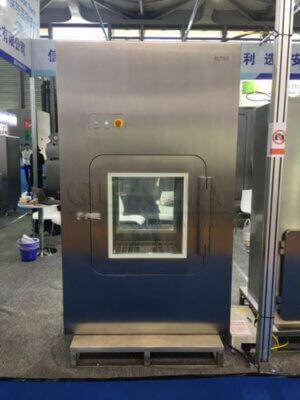
De dagelijkse operationele eisen nemen aanzienlijk toe met het OEB-niveau. Operaties op OEB 3 zijn sterk afhankelijk van SOP's en persoonlijke beschermingsmiddelen (PPE) voor interventies. OEB 4 introduceert meer technische controles zoals handschoenpoorten en luchtsluizen, waardoor de toegang wordt beperkt. OEB 5 vereist strikte protocollen voor alle materiaal- en gereedschapsoverdrachten via Rapid Transfer Ports (RTP's) of handschoen-/uitrustingssystemen, waarbij voor reiniging vaak halfautomatische Wash-in-Place (WiP)-systemen nodig zijn om de reproduceerbaarheid en veiligheid van de operator te garanderen.
Gespecialiseerd onderhoud
Het onderhoud escaleert op dezelfde manier en gaat van standaard training voor OEB 3 naar gespecialiseerde isolatortechnicusvaardigheden voor OEB 5. Voor taken zoals het testen van de integriteit van isolatoren, het vervangen van HEPA-filters onder inperking en het uitvoeren van complexe ontsmettingscycli met verdampt waterstofperoxide (VHP) is gecertificeerde expertise vereist. Het falen van één enkele handschoen of pakking in een OEB 5 isolator vormt een ernstige inbreuk op de insluiting en vereist onmiddellijke reactieprotocollen.
Roosteren in multifunctionele faciliteiten
In multifunctionele faciliteiten wordt de operationele planning een kritieke maatregel voor risicobeheersing. De productievolgorde is net zo belangrijk als de reinigingsvalidatie zelf. Een API-run met hoge dosering plannen na een ultrapotente OEB 5-verbinding, zelfs met gevalideerde reiniging, brengt onnodige risico's met zich mee. Effectief facilitair ontwerp en planningssoftware zijn nodig om deze complexiteit te beheersen. De tabel hieronder zet deze toenemende eisen tegenover elkaar.
| Vereiste | OEB 3 | OEB 4 | OEB 5 |
|---|---|---|---|
| Primaire besturing | SOP's & PBM's | Handschoenpoorten & luchtsluizen | RTP's & handschoensystemen |
| Type interventie | Directe toegang mogelijk | Beperkte toegang | Alleen strikt protocol |
| Reinigingsmethode | Handmatig | Handmatig / halfautomatisch | Ter plaatse wassen (WiP) |
| Onderhoudsvaardigheid | Standaard training | Verbeterde training | Gespecialiseerde isolatietraining |
| Planning faciliteit | Flexibel | Matige planning | Kritische volgorde |
Bron: EU GMP Bijlage 1: Vervaardiging van steriele geneesmiddelen. De nadruk die de richtlijn legt op een holistische Contamination Control Strategy (CCS) ondersteunt de toenemende operationele en procedurele controles die nodig zijn voor hogere inperkingsniveaus om kruisbesmetting te voorkomen.
Validatie, naleving en analytische uitdagingen
De klif van de analytische gevoeligheid
De validatie wordt exponentieel strenger bij lagere grenswaarden voor beroepsmatige blootstelling. De effectiviteit van de insluiting moet worden geverifieerd via monitoring van de blootstelling via de lucht. De analytische uitdaging groeit van de detectie van verbindingen in het µg/m³-bereik voor OEB 4 tot het ng/m³-bereik voor OEB 5/6. Voor de detectie van een OEB 4 verbinding bij 10% van zijn OEL is een gevoeligheid in het bereik van 0,1-1 µg/m³ vereist. Voor OEB 6 kunnen de limieten zo laag zijn als 0,1 ng per monsterfilter, waardoor de grenzen van LC-MS/MS-technologie worden verlegd en speciale monsterprotocollen nodig zijn.
Het validatieparadigma veranderen
De limieten voor reinigingsvalidatie worden buitengewoon streng voor OEB 5/6 verbindingen. Deze uitdaging stimuleert de toepassing van productafhankelijke wegwerpliners in isolatoren, een primaire factor voor flexibele multifunctionele productie. De focus bij validatie verschuift dus van het aantonen van de reinigingsdoeltreffendheid naar het waarborgen van de integriteit van aseptische verbindingen, installatie van de liner en gesloten afvalverwerking. Dit gebruik van systemen voor eenmalig gebruik binnen een harde omhulling is een belangrijke innovatie.
Normen voor verificatie
Het naleven van internationale normen is essentieel voor het ontwerpen van een valideerbare aanpak. Het monitoren van moleculaire verontreiniging in de lucht volgens deze strenge limieten is afhankelijk van raamwerken zoals ISO 14644-8:2022 voor classificatie naar chemische concentratie. De onderstaande tabel geeft een overzicht van de belangrijkste validatie-uitdagingen op hogere OEB-niveaus.
| Parameter | OEB 4 Uitdaging | OEB 5/6 Uitdaging |
|---|---|---|
| Monitoring vanuit de lucht | 0,1-1 µg/m³ gevoeligheid | ng/m³ gevoeligheid |
| Detectie vs. OEL | 10% van OEL | <1% van OEL |
| Reinigingsvalidatie | Strenge limieten | Uiterst strenge limieten |
| Primaire factor | Technische controles | Wegwerp inlegkruisjes voor eenmalig gebruik |
| Validatiefocus | Efficiënte reiniging | Aseptische verbindingsintegriteit |
Bron: ISO 14644-8:2022. Deze norm voor classificatie van luchtzuiverheid door chemische concentratie (ACC) biedt het kader voor het monitoren van moleculaire verontreiniging in de lucht, wat cruciaal is voor het valideren van insluiting bij de lage blootstellingslimieten die vereist zijn voor OEB 4- en OEB 5-verbindingen.
Impact van ruimte, faciliteiten en personeel per OEB-niveau
Uitbreiding fysieke voetafdruk
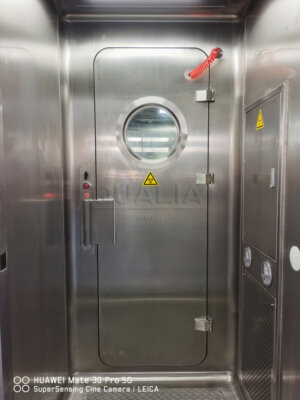
Het oppervlak van de faciliteit en de complexiteit van het ontwerp nemen aanzienlijk toe met het inperkingsniveau. OEB 3 downflow cabines kunnen vaak geïntegreerd worden in bestaande open suites. OEB 4 vereist meestal speciale ruimten met luchtsluizen en negatieve drukcascades om potentiële lekken in te perken. Voor OEB 5 isolatorsystemen is extra ruimte nodig voor externe decontaminatiekamers, materiaaldoorgangen, nutsaansluitingen en onderhoudstoegang. ISO 14644-4:2022.
Evoluerende personeelsmodellen
De personeelsbehoeften verschuiven kwalitatief. OEB 3 vertrouwt op operators die getraind zijn in het werken met cabines en persoonlijke beschermingsmiddelen. OEB 4 heeft technische operators nodig die bedreven zijn in verbeterde omhullingen. OEB 5 vraagt om zeer gespecialiseerde technici die bedreven zijn in het bedienen van isolatoren, het beheer van ontsmettingscycli en onderhoud onder inperking. Deze specialisatie verhoogt zowel de arbeidskosten als het belang van retentiestrategieën.
Belemmeringen en brancheconsolidatie
De kapitaal- en ruimteintensiteit van OEB 5/6 capaciteiten creëren een zeer hoge toetredingsdrempel. Deze economische realiteit draagt bij aan de consolidatie van de industrie rond een beperkte groep gespecialiseerde CDMO's met de vereiste infrastructuur, expertise en gevalideerde platforms. Voor sponsors betekent dit minder gekwalificeerde partners en een behoefte aan eerdere, meer strategische betrokkenheid.
| Bron | OEB 3 Impact | OEB 4 Impact | OEB 5 Impact |
|---|---|---|---|
| Faciliteit Voetafdruk | Geïntegreerd in suites | Speciale kamers met luchtsluizen | Isolatoren + decon-cabines |
| Drukregime | Standaard HVAC | Onderdrukcascades | Verzegeld, onderdruk |
| Rol personeel | Getrainde operators | Technische operators | Zeer gespecialiseerde technici |
| Belemmering voor toegang | Laag | Matig | Zeer hoog |
| Industrie model | Veel aanbieders | Gespecialiseerde aanbieders | Niche CDMO's |
Bron: ISO 14644-4:2022. Deze norm specificeert eisen voor het ontwerp en de constructie van cleanrooms en gecontroleerde omgevingen, die rechtstreeks van toepassing zijn op de toenemende behoefte aan ruimte, luchtbehandeling en isolatie voor faciliteiten die hogere OEB-niveaus ondersteunen.
Beslissingskader: Uw inperkingsstrategie selecteren
Technische en zakelijke factoren integreren
Een strategisch beslissingskader moet verder gaan dan het OEB-getal. Voer eerst een strenge QRA uit die specifieke procesrisico's modelleert - stoffigheid, energie, kwantiteit - en niet alleen de OEL. Ten tweede, evalueer de Total Cost of Ownership met een heldere blik, met oog voor de niet-lineaire kostencurve en de significante stapverandering bij de OEB 4/5 drempel. Deze analyse moet validatie- en langetermijnanalysekosten omvatten.
Mogelijkheden auditpartner diepgaand
Voor uitbestede projecten is de partneraudit cruciaal. Onderzoek hun specifieke iOEB-criteria en de sjablonen voor risicobeoordeling die ze gebruiken. Evalueer hun interne analytische capaciteiten voor luchtmonitoring; het vermogen om ng/m³ niveaus te detecteren is een belangrijke onderscheidende factor. Beoordeel hun bekwaamheid in het plannen van multifunctionele faciliteiten en hun staat van dienst in het voorkomen van kruisbesmetting in een drukke, campagnegestuurde fabriek.
Plan voor een lange levensduur van uw portefeuille
Houd ten slotte rekening met de portefeuillebehoeften op lange termijn. Door vroeg in de ontwikkeling een partner te selecteren die geschikt is voor OEB 5/6, zelfs voor een verbinding met OEB 4, kunnen verstorende en kostbare overdrachten halverwege de ontwikkeling worden voorkomen als de potentie toeneemt. Ga in zee met partners die inperking zien als een geïntegreerde technische discipline, wat blijkt uit hun ontwerpnormen, zoals naleving van ASME BPE-2022 voor reinigbare systemen, niet alleen een selectievakje voor naleving.
De keuze tussen OEB 3, 4 en 5 inperking is een bepalende technische en commerciële beslissing. Geef de voorkeur aan een procesgestuurde risicobeoordeling boven een samengestelde labelbenadering. Maak een model van de werkelijke TCO en erken de analytische en onderhoudslasten die toenemen met het insluitingsniveau. Selecteer voor uitbesteding partners op basis van een diepgaande afstemming van risicomethodologieën en bewezen technische uitvoering, niet alleen op basis van geclaimde capaciteiten.
Hebt u professionele begeleiding nodig bij het implementeren van een insluitstrategie op maat voor uw krachtige verbinding? De experts van QUALIA zijn gespecialiseerd in de genuanceerde risicobeoordeling en technische oplossingen die nodig zijn voor een veilige, efficiënte verwerking van het hele OEB-spectrum, waaronder geavanceerde isolatiesystemen met hoge inperking. Neem contact met ons op om de vereisten voor uw project te bespreken.
Veelgestelde vragen
V: Wat is het belangrijkste financiële beslissingspunt bij het opschalen van OEB 4 naar OEB 5 insluiting?
A: De belangrijkste kapitaalkostenstijging doet zich voor op de grens van OEB 4/5, waar cabines met open front moeten worden vervangen door verplichte gesloten isolatorsystemen. De totale gebruikskosten stijgen ook door gespecialiseerde validatie, onderhoud en de noodzaak van analysemethoden die gevoelig zijn voor ng/m³-concentraties. Dit betekent dat projecten die overgaan op ultrapotente verbindingen rekening moeten houden met een niet-lineaire kostencurve en potentiële analytische knelpunten die tijdschema's kunnen vertragen.
V: Hoe bepaal je het juiste OEB-niveau voor een specifiek productieproces?
A: Je moet beginnen met een toxicologische beoordeling om een grenswaarde voor beroepsmatige blootstelling (OEL) vast te stellen. De uiteindelijke strategie wordt vervolgens gekalibreerd door middel van een gedetailleerde, procesgerichte risicobeoordeling (bijv. FMECA) die rekening houdt met de stoffigheid van het product, de operationele energie, de verwerkte hoeveelheid en de duur van de taak. Voor uitbestede projecten betekent dit dat er grondig onderzoek moet worden gedaan naar de interne OEB-bandingcriteria (iOEB) van een partner om kostbare vertragingen bij de herkwalificatie tijdens de technologieoverdracht te voorkomen.
V: Wat zijn de belangrijkste operationele verschillen tussen OEB 4- en OEB 5-apparatuur?
A: OEB 4 operaties maken gebruik van verbeterde technische controles zoals handschoenpoorten binnen behuizingen, terwijl OEB 5 totale isolatie voorschrijft met gesloten systemen met strikte protocollen voor alle materiaaltransfers via Rapid Transfer Ports (RTP's). Voor reiniging zijn vaak halfautomatische Wash-in-Place-systemen nodig en voor onderhoud is gespecialiseerde training nodig voor het testen van de integriteit van isolatoren. Deze operationele sprong betekent dat instellingen rekening moeten houden met een aanzienlijke herscholing van het personeel en een complexere planning in multifunctionele ruimten om kruisbesmetting te voorkomen.
V: Waarom is analytische verificatie een grote uitdaging voor OEB 5- en OEB 6-verbindingen?
A: Analysemethoden moeten concentraties in de lucht detecteren in het ng/m³-bereik, wat neerkomt op een ruwweg 1000-voudige toename in gevoeligheid vergeleken met de vereisten van OEB 4. De limieten voor reinigingsvalidatie worden ook buitengewoon streng, wat vaak leidt tot het gebruik van productafhankelijke wegwerpliners. Deze verschuiving betekent dat bedrijven de analytische capaciteiten van een CDMO in een vroeg stadium moeten beoordelen, aangezien methodeontwikkeling een kritieke post kan worden en single-use systemen een belangrijke factor worden voor flexibele productie.
V: Hoe verandert het ontwerp van een faciliteit bij het implementeren van OEB 5 insluiting?
A: OEB 5 isolatorsystemen vereisen aanzienlijk meer ruimte voor decontaminatiekamers, materiaaldoorgangen en nutsaansluitingen, waardoor vaak speciale ruimtes met negatieve drukcascades nodig zijn. Dit in tegenstelling tot OEB 3 cabines, die geïntegreerd kunnen worden in bestaande suites. De ruimtelijke en kapitaalintensiteit creëert een hoge toetredingsdrempel en daarom kunt u verwachten dat de industriële mogelijkheden geconcentreerd zullen zijn in een beperkte groep gespecialiseerde CDMO's met de vereiste infrastructuur.
V: Welke normen gelden voor het ontwerp van faciliteiten voor het verwerken van krachtige stoffen?
A: Het ontwerp en de constructie van cleanrooms voor insluitingsomgevingen worden geleid door ISO 14644-4:2022. Het beheersen van moleculaire verontreiniging in de lucht, een kritisch aspect voor krachtige verbindingen, wordt behandeld in ISO 14644-8:2022. Voor steriele, krachtige producten is de holistische Contamination Control Strategy vereist door EU GMP Bijlage 1 integreert deze technische controles met kwaliteitsrisicobeheer.
V: Wat is de strategische implicatie van het gebrek aan gestandaardiseerde OEB-banding in de sector?
A: De variatie in interne OEB-classificaties (iOEB) tussen organisaties creëert een aanzienlijk transferrisico bij het uitbesteden van ontwikkeling of productie. Een verbinding die bij het ene CDMO als OEB 4 is geclassificeerd, kan bij een ander CDMO als OEB 5 worden behandeld. Dit betekent dat het selectie- en auditproces van uw leverancier de specifieke bandingscriteria en risicobeoordelingsmethoden van een partner grondig moet onderzoeken om afstemming te garanderen en verstorende, kostbare overdrachten halverwege het project te voorkomen.
Gerelateerde inhoud:
- De juiste OEB-isolator kiezen: Gids van experts
- Wat zijn OEB-niveaus in de farmaceutische productie en hoe worden ze bepaald?
- OEB Niveau 1-5 Classificatie- en uitrustingsselectiematrix: Gevarenklassen afstemmen op inperkingsoplossingen
- OEB isolatoren in farmaceutische productie: Gids
- Vooruitgang in OEB4 en OEB5 isolatortechnologie
- Welk inperkingsniveau biedt een OEB5 isolator?
- 5 veelvoorkomende fouten met OEB isolatoren en hoe ze te vermijden
- Naleving garanderen: OEB4 en OEB5 isolatorstandaarden
- OEB Inperkingssystemen voor farmaceutische productie: Complete 2025 implementatiegids van niveaukeuze tot validatie