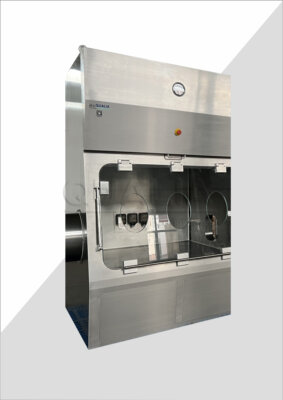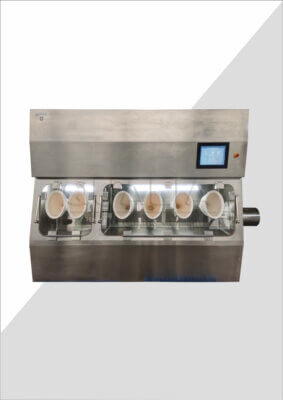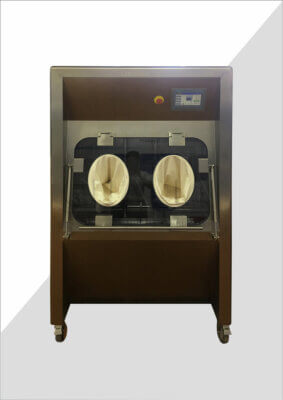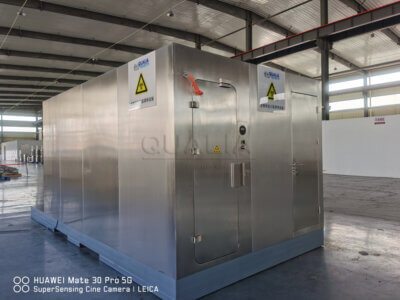

Voor facilitair managers en financiële besluitvormers in de biotech- en farmaceutische industrie gaat de keuze tussen geprefabriceerde en traditionele cleanrooms veel verder dan de initiële bouwkosten. De echte financiële impact speelt zich af gedurende de hele levenscyclus van de faciliteit, waar operationele inefficiënties de ROI stilletjes kunnen uithollen. Er blijven misvattingen bestaan dat op maat gemaakte cleanrooms inherent goedkoper zijn, maar deze zienswijze gaat voorbij aan het cumulatieve effect van energieverbruik, onderhoud en inflexibiliteit.
De urgentie voor een datagestuurde beslissing is nog nooit zo groot geweest. Met strengere ESG-mandaten en volatiele energieprijzen is operationele efficiëntie nu een directe financiële variabele. Een 15-jarige Total Cost of Ownership (TCO)-analyse is essentieel, waarbij de evaluatie verschuift van kapitaaluitgaven naar een allesomvattend model dat energie, onderhoud, herconfiguratie en asset recovery omvat.
Prefab vs. traditionele cleanrooms: Belangrijkste verschillen in ontwerp
De kloof in bouwmethodologie
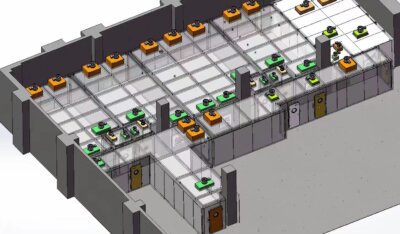
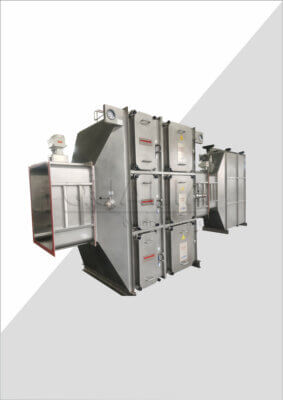
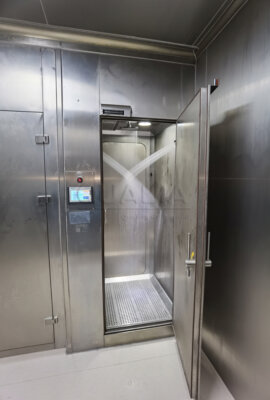
Het fundamentele verschil ligt in de constructiefilosofie. Geprefabriceerde cleanrooms zijn ontworpen systemen, samengesteld uit in de fabriek geproduceerde modules met geïntegreerde mechanica. Deze gecontroleerde omgeving zorgt voor een superieure integriteit van de omhulling en minimaliseert luchtlekkage en koudebruggen - veelvoorkomende bronnen van energieverlies. Traditionele op maat gemaakte constructies, die afhankelijk zijn van vakmanschap ter plaatse, resulteren vaak in een variabele kwaliteit van de afdichting. Deze inconsistentie kan leiden tot levenslange prestatieverschillen en hogere operationele kosten.
Strategische implicaties na de bouw
Deze verschillen in ontwerp hebben ingrijpende financiële en strategische gevolgen. De modulaire aanpak verandert de cleanroom van een vaste faciliteit in een afschrijfbaar, verplaatsbaar kapitaalgoed. Dit komt in aanmerking voor een versneld afschrijvingsschema van 7 jaar in tegenstelling tot de 39 jaar van traditioneel bouwen, wat aanzienlijke belastingvoordelen oplevert. Bovendien vermindert de inherente herconfigureerbaarheid van geprefabriceerde ontwerpen direct de risico's op het gebied van regelgeving en productlevenscyclus. Als de FDA- of ISO-normen evolueren, kunnen deze ruimten worden aangepast zonder de onbetaalbare kosten en uitvaltijd van een volledige sloop, waardoor ze dienen als strategische verzekering voor volatiele R&D-pijplijnen.
Vergelijking van de totale eigendomskosten (TCO) over 15 jaar
Verder dan CapEx
Voor een echte financiële vergelijking moet de beperkte focus op initiële kapitaaluitgaven worden losgelaten. Het 15-jarige TCO-model houdt op holistische wijze rekening met kapitaalkosten, energie, onderhoud, mogelijke herconfiguratie en de waarde aan het einde van de levensduur. Hoewel traditionele bouw lagere initiële materiaalkosten met zich meebrengt, zijn er hogere risico's op arbeidsoverschrijdingen en verborgen kosten. Bij geprefabriceerde units omvat de initiële investering vaak geïntegreerde, zeer efficiënte systemen, waardoor de operationele kosten vanaf de eerste dag lager zullen zijn.
De toenemende kracht van operationele besparingen
Over een periode van 15 jaar vormen operationele besparingen, gedomineerd door energie, samen de echte ROI. Strategische inkoop moet nu prioriteit geven aan dit TCO-model, waarbij vaak over het hoofd geziene variabelen worden meegenomen: productiestilstand tijdens modificaties, revalidatiekosten en terugwinning van activa. De classificatie van een modulaire cleanroom als apparatuur introduceert een residuele doorverkoopwaarde, wat de berekeningen van de netto contante waarde fundamenteel verbetert. Deze allesomvattende kijk laat consistent zien dat de optie met de hoogste efficiëntie, hoewel soms hoger in initiële CapEx, de laagste TCO oplevert.
Kwantificeren van de kostenverdeling over de levensduur
Om een weloverwogen beslissing te kunnen nemen, hebt u een duidelijke vergelijking van de kostenfactoren nodig. De volgende tabel geeft een overzicht van de belangrijkste financiële componenten over een levensduur van 15 jaar en laat zien waar elk type cleanroom kosten maakt of bespaart.
| Kostencomponent | Geprefabriceerde cleanroom | Traditionele Cleanroom |
|---|---|---|
| Initiële kapitaaluitgaven (CapEx) | Vaak hoger | Lagere materiaalkosten vooraf |
| Bouwarbeid & overschrijdingen | Geminimaliseerd, fabrieksgestuurd | Hoger, variabel op locatie |
| 15-jaren operationele kosten (energie) | 20-30%+ lager | Grootste kostenplaats |
| Afschrijvingsschema activa | Versneld 7-jarig | Standaard 39 jaar |
| Einde levensduur / restwaarde | Roerende activa, wederverkoopwaarde | Vaste faciliteit, sloopkosten |
| Kosten voor herconfiguratie / stilstand | Lagere, modulaire aanpassing | Hoog, volledige sloop/verbouwing |
Bron: ISO 14644-4:2022 Cleanrooms en aanverwante gecontroleerde omgevingen - Deel 4: Ontwerp, constructie en inbedrijfstelling. Deze norm bevat de basisvereisten voor het ontwerp en de constructie van cleanrooms, die een directe invloed hebben op de integriteit, prestaties en operationele kosten op de lange termijn die in een TCO-analyse worden vastgelegd. Een ontwerp dat voldoet aan deze principes, zoals te zien is in geoptimaliseerde geprefabriceerde units, minimaliseert de levenscycluskosten.
Energie-efficiëntie krachtmeting: Welk systeem verbruikt minder?
De belangrijkste kostenpost
Energieverbruik, gedreven door continue HVAC en HEPA/ULPA filtratie, is de grootste operationele kostenpost. Geprefabriceerde cleanrooms hebben een doorslaggevend voordeel dankzij de geïntegreerde ontwerpprincipes. Hun superieure luchtdichte omhulsel vermindert de infiltratie van ongeconditioneerde lucht, waardoor de verwarmings- en koelbelasting direct afnemen. Bovendien minimaliseert het geoptimaliseerde luchtstroomontwerp met precies geplaatste ventilatorfilterunits (FFU's) de drukval en het energieverbruik van de ventilator.
Ingebedde intelligentie en zeer efficiënte componenten
Moderne modulaire systemen worden vaak geleverd met vooraf geïnstalleerde slimme regelingen zoals Variable Air Volume (VAV) en ventilatoren met energieterugwinning (ERV's), die een vraaggestuurde werking mogelijk maken waar traditionele systemen moeite mee hebben. Ingebouwde hoogefficiënte componenten, zoals IE5+ motoren, handhaven de prestaties met minder energie. In mijn analyse van energierapporten van gebouwen blijkt dat deze geïntegreerde efficiëntie consequent de grootste kostenpost aanvalt en meetbare besparingen oplevert.
Het efficiëntievoordeel ontleden
De cumulatieve impact van deze ontwerpkeuzes vertaalt zich in directe, kwantificeerbare besparingen. De volgende tabel geeft een overzicht van de specifieke efficiëntiefactoren waarin geprefabriceerde cleanrooms uitblinken en hun typische impact op de operationele kosten.
| Efficiëntiefactor | Prefab Voordeel | Typische besparingseffecten |
|---|---|---|
| Luchtdichtheid envelop | Superieure, minimale luchtlekkage | Vermindert de HVAC-belasting voor verwarming/koeling |
| Luchtstroom en drukval | Geoptimaliseerd ontwerp, lagere statische druk | Verlaagt de energie van de continue ventilator |
| Standaard geïntegreerde bedieningselementen | VAV, ERV, slimme systemen vooraf geïnstalleerd | Maakt vraaggestuurde werking mogelijk |
| Motorefficiëntie | IE5+ hoogrendementsmotoren | Vermindert het stroomverbruik direct |
| Totaal energieverbruik | 20-30% minder dan traditioneel | Terugverdientijd 24-36 maanden |
Bron: ISO 50001:2018 Energiebeheersystemen - Eisen met richtlijnen voor gebruik. Het implementeren van een kader voor een energiebeheersysteem is de sleutel tot het bereiken en behouden van de operationele efficiëntiewinst die in deze tabel wordt benadrukt. De standaard ondersteunt het systematisch bijhouden en verbeteren van energieprestaties, wat cruciaal is voor het realiseren van de verwachte besparingen door hoogrendement componenten en slimme regelingen.
Operationele prestaties en onderhoudskosten vergeleken
Consistentie en verontreinigingscontrole
De bedrijfsprestaties hangen af van een consistente beheersing van de vervuiling en de kosten om die beheersing in stand te houden. Geprefabriceerde cleanrooms profiteren van gestandaardiseerde componenten en in de fabriek gekalibreerde systemen, waardoor de variabiliteit in prestaties afneemt. Door de efficiënte werking worden de componenten minder mechanisch belast, waardoor de levensduur van de apparatuur wordt verlengd en grote vervangingsinvesteringen worden uitgesteld. Deze betrouwbaarheid is onontbeerlijk voor het behoud van productkwaliteit en regelgeving.
De multiplicator voor onderhoud en automatisering
Ontworpen servicetoegang in modulaire units vermindert onderhoudswerk en bijbehorende stilstandtijd. Automatisering is de kritische vermenigvuldiger; geïntegreerde systemen bieden faalveilige HVAC-regeling, realtime deeltjesbewaking en geautomatiseerde nalevingsregistratie. Dit vermindert menselijke fouten - een primair besmettingsrisico. In traditionele faciliteiten is het achteraf inbouwen van dergelijke geïntegreerde automatisering complex en duur, waardoor het een onbetaalbare bijkomstigheid is in plaats van een basisvoorziening.
Operationele kosten op lange termijn meten
De ontwerp- en integratiekeuzes die tijdens de bouw worden gemaakt, hebben een directe en meetbare impact op de dagelijkse werking en de ondersteuningsbudgetten op lange termijn. Deze vergelijking laat zien hoe deze keuzes tot uiting komen in de belangrijkste prestatie- en kostencijfers gedurende de levenscyclus van de cleanroom.
| Prestatiemeting | Geprefabriceerd / Modulair | Traditioneel / Zelfbouw |
|---|---|---|
| Controle op vervuiling Consistentie | Hoge, gestandaardiseerde componenten | Variabel, afhankelijk van vakmanschap |
| Onderhoudsarbeid & stilstandtijd | Lagere, ontworpen servicetoegang | Hogere, complexe aanpassingen |
| Systeembelasting en levensduur van apparatuur | Verminderd, verlengt levensduur van kapitaal | Hogere, eerdere vervangingen |
| Geïntegreerde automatisering en bewaking | Vooraf geïnstalleerde, realtime gegevens | Kostbaar, complex om aan te passen |
| Loggen voor naleving | Geautomatiseerd, vermindert menselijke fouten | Handmatig, hoger risico |
Bron: IEST-RP-CC012.3 Overwegingen bij het ontwerp van cleanrooms. Deze IEST Recommended Practice biedt essentiële richtlijnen voor het optimaliseren van het cleanroomontwerp om betrouwbare prestaties en contaminatiebeheersing te bereiken. De principes die erin worden beschreven ondersteunen de ontwerpkeuzes - zoals standaardisatie en onderhoudsvriendelijkheid - die leiden tot lagere operationele en onderhoudskosten op de lange termijn in verband met geprefabriceerde cleanrooms.
Welk type cleanroom is beter voor de indeling van uw faciliteit?
Ruimtelijke en flexibiliteitsbehoeften beoordelen
De optimale keuze wordt bepaald door ruimtelijke beperkingen en toekomstige flexibiliteitseisen. Geprefabriceerde modules blinken uit in aanpassingen achteraf, gehuurde ruimtes of ruimtes met fysieke beperkingen, omdat ze kunnen worden gemonteerd met minimale verstoring van de bestaande activiteiten. Dankzij hun ontwerp kunnen ze precies rond structurele obstakels worden geplaatst. Voor nieuwe greenfield constructies met een zeer unieke, permanente voetafdruk biedt traditionele bouw de ultieme aanpassing.
De strategische waarde van modulariteit
De waarde van modulariteit gaat echter verder dan alleen pasvorm. Het maakt strategische geografische en operationele flexibiliteit mogelijk. Eenheden kunnen worden ingezet voor marktnabije productie, calamiteitenherstel of pilotprogramma's, waarbij productiecapaciteit wordt losgekoppeld van vaste activa. Deze draagbaarheid ondersteunt snelle tactische reacties en vermindert uitbreidingsrisico's. De industrie evolueert in de richting van cleanrooms als volledig geïntegreerde “Process Pods” - op zichzelf staande, plug-and-play units met vooraf gevalideerde processen. Deze evolutie geeft de voorkeur aan modulaire ontwerpen, die deze pods het snelst kunnen implementeren en in een netwerk opnemen, waardoor de time-to-market drastisch wordt verkort. Voor faciliteiten die in de toekomst uitgebreid of geherconfigureerd moeten worden, biedt een mobiel BSL-3 of BSL-4 modulelaboratorium een bewezen pad naar schaalbare capaciteit die aan de eisen voldoet, zonder traditionele bouwtijdlijnen.
Belangrijke beslissingsfactoren: Hoe kiest u het juiste model?
Technische en financiële parameters
Selectie vereist het afwegen van technische specificaties tegen strategische doelen. Belangrijke technische parameters zijn onder meer de beoogde ISO-classificatie, de vereiste luchtverversingssnelheden, het plaatselijke klimaat en de energietarieven - deze laatste verhogen de waarde van besparingen op efficiëntie aanzienlijk. Financieel gezien is een gedetailleerde 15-jarige TCO-analyse onontbeerlijk. Dit model moet prognoses van energieverbruik, onderhoudsschema's en de fiscale implicaties van verschillende afschrijvingsschema's bevatten.
Strategisch risico en leveranciersselectie
Houd strategisch rekening met de volatiliteit van de regelgeving in uw branche en de levenscyclus van productontwikkeling. De herconfigureerbare aard van geprefabriceerde cleanrooms vermindert expliciet het risico op veroudering als gevolg van veranderende normen. De keuze van de leverancier is een andere kritieke factor. De markt is verdeeld tussen algemene modulaire leveranciers en gespecialiseerde integrators met diepgaande industriële expertise. Een gespecialiseerde partner biedt een gevalideerde oplossing zonder risico's, maar kan een vendor lock-in creëren. Een generiek systeem biedt meer flexibiliteit in componenten, maar vereist meer interne validatie-inspanningen. De beslissing hangt af van de vraag of u de voorkeur geeft aan gegarandeerde naleving en partnerschap of aan maximale onafhankelijkheid bij het ontwerp.
Uw investering valideren: De ROI van cleanrooms berekenen
Een uitgebreid financieel model bouwen
Een verdedigbare ROI-berekening projecteert netto besparingen over de levensduur van 15 jaar. Begin met het kwantificeren van jaarlijkse energiebesparingen met behulp van specifieke kWh-reducties voor ventilator- en koelbelastingen. Voeg daar de cumulatieve besparingen op onderhoud en stilstandtijd aan toe dankzij gestandaardiseerde componenten en voorspellende systemen. Houd vervolgens rekening met financiële voordelen: versnelde afschrijving (7 jaar vs. 39 jaar) en potentiële restwaarde bij doorverkoop. Ken tot slot een monetaire waarde toe aan risicobeperking - de vermeden kosten van een toekomstige grote verbouwing voor herconfiguratie.
Gegevens omzetten in verdedigbare waarde
Dit validatieproces onderstreept dat moderne ROI gekoppeld is aan gegevensintegriteit. Systemen met geïntegreerde bewakingsplatforms bieden de real-time audit trails die milieubeheer veranderen van een kostenpost in een bron van aantoonbare waarde, waardoor verborgen nalevingskosten worden verminderd. De hoogste ROI komt van oplossingen die ingebedde efficiëntie, financiële flexibiliteit en strategische flexibiliteit combineren.
Het ROI-berekeningskader
Om van concept naar een gevalideerde business case te gaan, heb je een gestructureerde aanpak nodig om elk financieel voordeel te kwantificeren. Dit raamwerk schetst de belangrijkste factoren die je in je ROI-model moet opnemen en hoe ze bijdragen aan het eindresultaat.
| ROI-berekeningsfactor | Hoe kwantificeren? | Financieel voordeel |
|---|---|---|
| Jaarlijkse energiebesparing | Specifieke kWh reductie (ventilator/koeling) | Directe verlaging van operationele kosten |
| Besparingen op onderhoud en stilstandtijd | Cumulatieve voorspelling vs. traditioneel | Gecontroleerde ondersteuningskosten |
| Afschrijvingsvoordeel | 7-jarig vs. 39-jarig schema | Verbeterde kasstroom, belastingvoordeel |
| Restwaarde / Wederverkoopwaarde | Herstel van activa aan het einde van de levensduur | Verbetert de netto contante waarde (NCW) |
| Risicobeperkende waarde | Vermeden kosten van toekomstige grote verbouwing | Strategische flexibiliteit, afdekking van veroudering |
Bron: Technische documentatie en industriespecificaties.
De hoogste ROI komt voort uit oplossingen die het energieverbruik tijdens de levensduur minimaliseren, de operationele uptime maximaliseren en toekomstige optionaliteit behouden. Geef de voorkeur aan een TCO-analyse over 15 jaar boven initiële investeringen en kies een ontwerp dat aansluit bij zowel uw technische specificaties als uw strategische capaciteit voor verandering. Energie-efficiëntie en modulaire aanpasbaarheid zijn niet zomaar kenmerken; ze zijn de belangrijkste drijfveren voor financiële prestaties op lange termijn en risicobeperking.
Wilt u een professionele beoordeling van welke cleanroomoplossing de optimale ROI levert voor uw specifieke toepassing? De experts van QUALIA kan u helpen de TCO over 15 jaar te berekenen en een faciliteit te ontwerpen die prestaties combineert met financiële flexibiliteit. Voor een gedetailleerd advies over het implementeren van een efficiënte cleanroom die klaar is voor de toekomst, kunt u ook Neem contact met ons op.
Veelgestelde vragen
V: Welke invloed heeft de bouwmethode van een geprefabriceerde cleanroom op de energie-efficiëntie op de lange termijn en op de financiële afhandeling?
A: Geprefabriceerde cleanrooms worden opgebouwd uit in de fabriek afgedichte modules die een luchtdichte omhulling vormen die luchtlekkage en koudebruggen minimaliseert, waardoor de HVAC-belasting direct afneemt. Dit geïntegreerde ontwerp staat in contrast met traditionele constructies, waarbij vakmanschap op locatie de integriteit van de omhulling in gevaar kan brengen. Bovendien worden modulaire units geclassificeerd als afschrijfbare apparatuur in 7 jaar, in tegenstelling tot het schema van 39 jaar van traditionele bouw, wat aanzienlijke belastingvoordelen oplevert en de netto contante waarde verbetert. Dit betekent dat faciliteiten die prioriteit geven aan voorspelbare operationele kosten en financiële flexibiliteit de impact van versnelde afschrijving moeten meenemen in hun TCO-analyse.
V: Wat zijn de belangrijkste technische factoren die prefab cleanrooms een voordeel geven op het gebied van energieverbruik?
A: Het beslissende efficiëntievoordeel komt voort uit superieure luchtdichtheid, geoptimaliseerd luchtstroomontwerp dat de statische druk verlaagt en de pre-integratie van hoogrendementscomponenten zoals IE5+ motoren en slimme regelingen zoals VAV-systemen. Deze kenmerken verlagen gezamenlijk de continue energievraag voor HVAC en HEPA/ULPA filtratie. Het implementeren van een energiebeheerraamwerk zoals ISO 50001:2018 kan helpen om deze besparingen systematisch vast te leggen. Verwacht bij projecten waar energie een belangrijke kostenfactor is een efficiëntiewinst van 20-30%, waarbij de terugverdientijd vaak binnen 24-36 maanden na ingebruikname ligt.
V: Hoe moeten we de werkelijke ROI over 15 jaar berekenen voor een investering in een cleanroom die verder gaat dan alleen de initiële kapitaalkosten?
A: Stel een uitgebreid model op dat de jaarlijkse energiebesparingen kwantificeert door een lager kWh-gebruik, de cumulatieve besparingen op onderhoud en stilstand door gestandaardiseerde componenten en de financiële waarde van versnelde afschrijving. Van cruciaal belang is het toekennen van een monetaire waarde aan risicobeperking, zoals de vermeden kosten van een toekomstige grote verbouwing voor herconfiguratie. Deze holistische kijk op Total Cost of Ownership (TCO), geleid door ontwerpnormen zoals ISO 14644-4:2022, blijkt dat de optie met de hoogste efficiëntie meestal de laagste TCO oplevert. Als uw branche te maken heeft met volatiele regelgeving, plan dan om de strategische waarde van herconfigureerbaarheid te kwantificeren als een belangrijke ROI-component.
V: Waarom verlaagt een geprefabriceerd cleanroomontwerp de onderhoudskosten en operationele risico's op de lange termijn?
A: Gestandaardiseerde componenten en aangepaste onderhoudstoegang verminderen het aantal arbeidsuren en de stilstandtijd voor reparaties. De geïntegreerde systemen maken voorspellend onderhoud mogelijk via realtime monitoring, waarbij wordt overgeschakeld van reactieve reparaties naar gepland, intelligentiegestuurd onderhoud. Deze proactieve benadering, die is afgestemd op de richtlijnen van organisaties als de IEST, Dit betekent dat faciliteiten die zich geen onverwachte verontreinigingen of productiestops kunnen veroorloven, vanaf het begin voorrang moeten geven aan ontwerpen met ingebouwde automatisering en datalogging. Dit betekent dat faciliteiten die zich geen onverwachte verontreinigingen of productiestops kunnen veroorloven, vanaf het begin voorrang moeten geven aan ontwerpen met ingebouwde automatisering en dataloggingmogelijkheden.
V: Wanneer is een traditioneel gebouwde cleanroom een geschiktere keuze dan een geprefabriceerd modulair systeem?
A: Traditionele bouw blijft de voorkeur genieten voor nieuwe, op de grond gebouwde faciliteiten die zeer unieke, niet-rechtlijnige voetafdrukken of integratie met uitzonderlijk complexe, vaste nutsinfrastructuren vereisen. Het biedt ultiem maatwerk wanneer ruimtelijke beperkingen minimaal zijn en toekomstige herconfiguratie niet wordt verwacht. Deze aanpak brengt echter een grotere afhankelijkheid met zich mee van het vakmanschap ter plaatse voor de prestaties van de schil op de lange termijn. Voor projecten waar de plattegrond onconventioneel is en tientallen jaren statisch zal blijven, kan een traditionele bouw gerechtvaardigd zijn, maar dan moet u investeren in rigoureus bouwtoezicht en inbedrijfstelling.
V: Wat zijn de belangrijkste overwegingen bij het kiezen van een leverancier voor de aanschaf van een geprefabriceerde cleanroom?
A: De belangrijkste beslissing is die tussen een gespecialiseerde integrator met diepgaande industrie-expertise en een generieke modulaire leverancier. Een gespecialiseerde partner biedt een gevalideerde oplossing zonder risico's met gegarandeerde compliance, maar kan een vendor lock-in creëren. Een generiek systeem biedt meer componentenflexibiliteit en potentiële kostenbesparingen, maar vereist meer interne validatie-inspanningen en technisch toezicht. Als uw bedrijf niet over uitgebreide interne validatiemiddelen beschikt, moet u de voorkeur geven aan een leverancier met bewezen ervaring in uw specifieke toepassing en regelgevingsomgeving om implementatierisico's te beperken.
Gerelateerde inhoud:
- Prefab BSL-3 laboratoria: Oplossingen voor snelle implementatie
- ROI berekenen voor upgrades van isolatiekleppen voor bioveiligheid
- Vacu-Pass Kostenanalyse ROI Rekenmachine
- ROI berekenen voor in-situ filtratiesystemen
- De ROI van cRABS: De waarde op lange termijn berekenen in de farmaceutische industrie
- De complete geprefabriceerde cleanroomgids voor farmaceutische en biotechnologische faciliteiten: Normen, ontwerp & ROI-analyse
- Kostenanalyse voor VHP-generator | ROI-calculator voor waterstofperoxidesystemen
- BIBO Kostenanalyse | ROI-calculator voor filtersystemen
- Geprefabriceerde Cleanroom vs. Traditionele Stokbouw: 12 verschillen in kosten, tijdlijn en prestaties voor gereguleerde industrieën