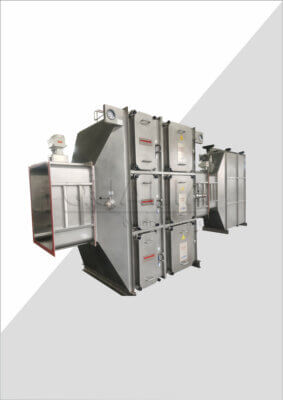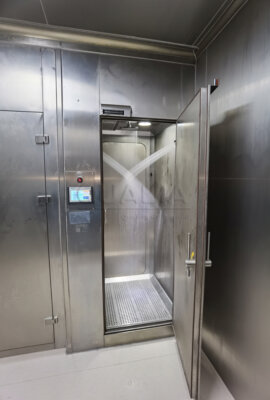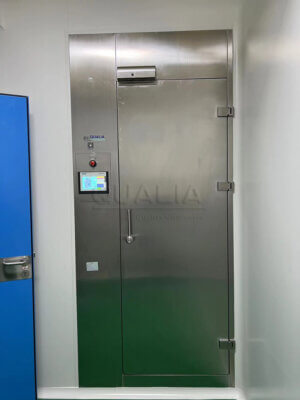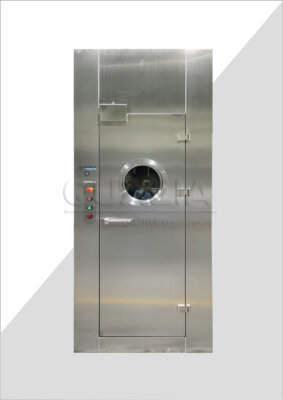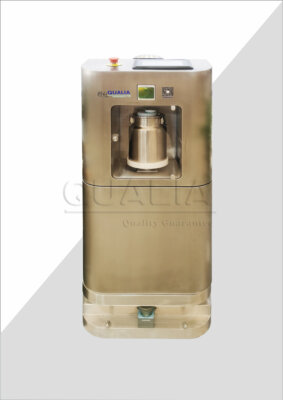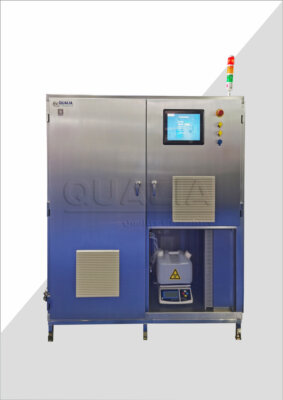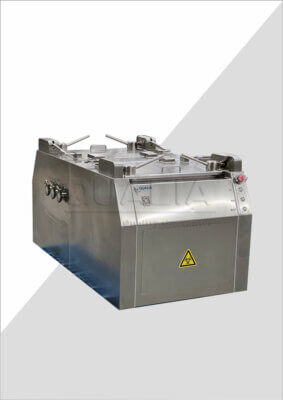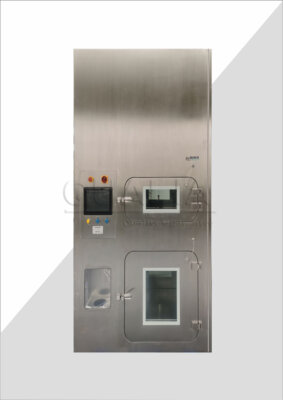
Voor BSL-2 onderzoekslaboratoria is het beheer van vloeibaar afval een kritiek operationeel knelpunt. De grootste uitdaging is het bereiken van gevalideerde sterilisatie zonder het snelle tempo van experimenteel werk te verstoren. Veel faciliteiten kiezen voor thermische effluent decontaminatie systemen (EDS), waarbij de strategische voordelen van chemische batchverwerking voor hun specifieke risicoprofiel en workflow eisen over het hoofd worden gezien.
Deze onoplettendheid kan leiden tot onnodige energie-uitgaven, een tragere verwerkingscapaciteit en een mismatch tussen de mogelijkheden van het systeem en de werkelijke behoeften van het laboratorium. Bij de keuze tussen chemische en thermische EDS gaat het niet om het vinden van een universeel superieure technologie, maar om het strategisch afstemmen van de belangrijkste operationele principes van een systeem op de specifieke afvalvolumes, insluitingvereisten en efficiëntiedoelen van een laboratorium. Inzicht in deze afstemming is essentieel voor naleving, veiligheid en operationele continuïteit.
Hoe chemische batch-EDS-sterilisatie werkt
De niet-thermische route definiëren
Chemische batch EDS biedt een snel alternatief voor thermische sterilisatie door gebruik te maken van biociden, meestal natriumhypochloriet, om microbiële inactivatie te bereiken. Het proces is ontworpen met het oog op snelheid, waarbij verontreinigd afvalwater in een strak gecontroleerde cyclus van opvangen naar veilig lozen gaat. Deze methode is met name effectief tegen bacteriën, virussen en schimmels die vaak voorkomen in BSL-2 omgevingen, waar de afvalstroom zwevende vaste deeltjes en organisch materiaal kan bevatten die ziekteverwekkers kunnen afschermen.
De cruciale rol van agitatie
Een veelgemaakte fout is het onderschatten van het belang van mechanische agitatie. Alleen een sterilisatiemiddel in een tank brengen is niet voldoende. Gestandaardiseerde, krachtige agitatie is een onmisbare ontwerpeigenschap die zorgt voor een gelijkmatig contact tussen het chemische middel en al het afvalmateriaal. Dit voorkomt dat pathogenen zich afschermen binnen klonten vaste stoffen of biofilm, een faalpunt in slecht ontworpen systemen. Volgens onderzoek naar vloeistofdynamica in sterilisatie is inconsistente menging een belangrijke oorzaak van mislukte validatie, omdat er pockets ontstaan waar de vereiste concentratie of contacttijd niet wordt bereikt.
De volledige verwerkingscyclus
De geconstrueerde cyclus volgt een strikte volgorde: vullen, doseren, roeren, vasthouden voor een gevalideerde contacttijd, neutraliseren en lozen. De neutralisatiefase is cruciaal, omdat deze de residuele oxidatiemiddelen inactiveert en de pH van het effluent aanpast om te voldoen aan de gemeentelijke rioollozingsnormen. Deze laatste stap draagt een belangrijke verantwoordelijkheid voor de naleving van de milieunormen over aan het laboratorium. In onze analyse van operationele protocollen zien laboratoria vaak de noodzaak van een nauwkeurige neutralisatiecontrole over het hoofd, waardoor ze zelfs na een succesvolle vernietiging van pathogenen het risico lopen dat ze niet aan de regelgeving voldoen.
Basisprincipes van chemische vs. thermische EDS
De fundamentele afweging
De keuze tussen chemische en thermische EDS is een strategische beslissing die wordt bepaald door een trilemma van risico's, energie en kosten. Thermische systemen maken gebruik van verzadigde stoom om steriliteit op hoge temperatuur en zonder chemicaliën te garanderen en bieden een hoge betrouwbaarheid voor het vernietigen van zelfs de meest veerkrachtige pathogenen. Chemische systemen daarentegen geven de voorkeur aan snelle cyclustijden en een aanzienlijk lager energieverbruik. Ze introduceren echter de operationele complexiteit van chemische behandeling, opslag en afvalwaterneutralisatie. Geen enkele technologie optimaliseert alle drie de variabelen van absolute steriliteitsgarantie, operationele kosten/efficiëntie en het vermijden van chemische gevaren.
Technologie afstemmen op risicoprofiel
Voor BSL-2 laboratoria is het risicoprofiel duidelijk gedefinieerd. De betrokken pathogenen komen meestal niet in de lucht terecht en worden niet geassocieerd met een hoog risico voor de gemeenschap. Daarom kan het vereiste steriliteitszekerheidsniveau (SAL), hoewel streng, effectief worden bereikt met gevalideerde chemische middelen. De operationele realiteit is dat veel BSL-2 labs met tussenpozen en in variabele volumes afval produceren. De lange opwarm- en afkoelfasen van een thermisch systeem kunnen leiden tot vertragingen in de verwerking, terwijl de snelle cyclus van een chemisch systeem kleinere batches vaker kan verwerken, wat beter aansluit bij de huidige workflow in het lab.
De verschuiving van de operationele filosofie
Het selecteren van een chemische batch EDS betekent een verschuiving in de operationele filosofie. Kostenplaatsen verschuiven van nutsvoorzieningen (veel energie voor verwarming/koeling) naar budgetten voor laboratoriumactiviteiten en EH&S, waaronder chemische verbruiksgoederen, voorraadbeheer en regelgevingscontrole. Dit model brengt vaak lagere kapitaaluitgaven met zich mee, maar vereist een gedisciplineerde aanpak van het beheer van de levenscyclus van verbruiksgoederen, aangezien de chemische potentie na verloop van tijd afneemt.
Prestaties valideren voor BSL-2 naleving
Validatie als de proxy voor naleving
Voor BSL-2 laboratoria is validatie geen eenmalige gebeurtenis, maar een continu bewijs van naleving. Het dient als de definitieve proxy, waarbij de EDS wordt getest onder de slechtst denkbare omstandigheden - minimale sterilisatieconcentratie, maximale organische belasting, kortste gevalideerde contacttijd. Een uitgebreide validatiebenadering integreert drie verschillende methodologieën om gelaagde zekerheid te bieden. Dit veelzijdige bewijs is essentieel om auditklaar te zijn en de veiligheid van het personeel en het publiek te garanderen.
De drie pijlers van bewijs
Het validatieraamwerk is gebaseerd op fysisch, chemisch en biologisch bewijs. Programmeerbare logische controllers (PLC's) bewaken en registreren continu kritische fysieke parameters: chemische concentratie, contacttijd, temperatuur en agitatiegegevens. Chemische indicatoren geven in realtime de visuele bevestiging dat het sterilisatiemiddel in de kamer is gebracht. De hoeksteen is echter het gebruik van biologische indicatoren (BI's). BI's die een hoge populatie resistente sporen bevatten, zoals Geobacillus stearothermophilus, worden in gesimuleerd afval geplaatst. Consistente inactivatie van deze BI's laat een log-6 reductie zien, wat direct biologisch bewijs van dodelijkheid oplevert.
Het masterplan structureren
Deze validatie moet worden vastgelegd in een masterplan dat de installatie- (IQ), operationele (OQ) en prestatiekwalificatie (PQ) omvat. De PQ-fase is van cruciaal belang, omdat hier empirisch wordt aangetoond dat de gevalideerde cyclus de verwachte biobelasting vernietigt. De terminologie en het kader voor dit proces worden gedefinieerd door standaarden zoals ISO 11139:2018, die het gezaghebbende vocabulaire voor sterilisatie biedt en zorgt voor nauwkeurige communicatie en correcte interpretatie van de kwalificatiegegevens.
De onderstaande tabel geeft een overzicht van de belangrijkste methoden die zijn gebruikt om de EDS-prestaties voor BSL-2 conformiteit te valideren.
| Validatiemethode | Belangrijkste gemeten parameter | Bewijs van effectiviteit |
|---|---|---|
| Fysieke bewaking | Chemische concentratie, contacttijd | PLC-gegevensregistratie |
| Chemische indicatoren | Levering van sterilisatiemiddel | Real-time bevestiging |
| Biologische indicatoren (BI's) | Spore log reductie (bijv, G. stearothermophilus) | Log-6 reductie bewijs |
| Prestatiekwalificatie (PQ) | Slechtste cyclusomstandigheden | Empirische biologische dodelijkheid |
Bron: ISO 11139:2018. Deze norm geeft de gezaghebbende definities voor de belangrijkste termen die in dit validatieraamwerk worden gebruikt, waaronder “sterilisatie”, “chemische indicator” en “biologische indicator”, zodat nauwkeurige communicatie en correcte interpretatie van het kwalificatieproces gewaarborgd zijn.
Belangrijkste technische specificaties: Twee omwentelingen per uur uitgelegd
Een metriek voor op doorvoer gericht ontwerp
De “twee-omwentelingen-per-uur” specificatie is een prestatiemaatstaf die een op doorvoer gerichte ontwerpfilosofie onthult. Het betekent dat het systeem in staat is om binnen één uur twee volledige verwerkingscycli te voltooien - van vullen tot ontladen. Deze hoge omloopsnelheid is een direct antwoord op de behoefte aan efficiënte verwerking in actieve onderzoeksomgevingen, waar veel of met tussenpozen vloeibaar afval kan ontstaan. Het voorkomt knelpunten die kunnen optreden bij langzamere systemen, minimaliseert de vereiste grootte van de opslagtanks en verkleint de totale voetafdruk van het systeem.
Engineering Drivers van Rapid Cycling
Deze snelle cycli worden mogelijk gemaakt door twee belangrijke technische factoren. Ten eerste de snelle kinetiek van chemische reacties, vergeleken met de langzamere fysica van warmteoverdracht en koeling. Ten tweede, agressieve mechanische agitatie die zorgt voor een snelle, gelijkmatige verdeling van het sterilisatiemiddel, waardoor de benodigde contacttijd wordt verkort terwijl de werkzaamheid behouden blijft. Bij het evalueren van systemen moeten laboratoria daarom kijken naar de cyclustijd van de batch en de omloopsnelheid, en niet alleen naar de totale tankinhoud. Een grotere tank met een langzame cyclus kan minder afval per dag verwerken dan een kleiner, sneller systeem.
Invloed op de workflow in laboratoria
De operationele impact is aanzienlijk. Met een systeem met twee omwentelingen per uur kan een laboratorium afval verwerken in kleinere, frequentere batches. Dit sluit aan bij de realtime afvalproductie, vermindert het risico dat gepaard gaat met de opslag van grote hoeveelheden onbehandeld afvalwater en verhoogt de operationele flexibiliteit. Voor faciliteiten met beperkte ruimte vertaalt deze efficiëntie zich in een kleinere fysieke voetafdruk voor de hele afvalbeheerworkflow.
De volgende uitsplitsing laat zien hoe elke fase van de chemische batch EDS-cyclus bijdraagt aan een verwerkingscapaciteit van twee beurten per uur.
| Procesfase | Kernfunctie | Doorvoer Driver |
|---|---|---|
| Vullen en doseren | Afval verzamelen, sterilisatiemiddel toevoegen | Snelle chemische kinetiek |
| Schudden en contact maken | Zorg voor uniform contact met pathogenen | Krachtige mechanische agitatie |
| Neutraliseren & Ontladen | pH aanpassen, agentia deactiveren | Geautomatiseerde besturingssystemen |
| Volledige cyclus | Totale tijd | < 30 minuten |
Bron: Technische documentatie en industriespecificaties.
Operationele overwegingen en veiligheidsprotocollen
Beheer van chemische verbruiksgoederen
Door een chemisch batch EDS te implementeren, verschuift de operationele aandacht aanzienlijk naar het beheer van verbruiksgoederen. Het primaire sterilisatiemiddel, natriumhypochloriet, is een corrosief oxidatiemiddel met een beperkte houdbaarheid; de werkzaamheid wordt meestal binnen 30 dagen afgebroken. Dit vereist een rigoureus voorraadrotatieprotocol om de werkzaamheid van de chemische stof voor elke cyclus te garanderen. Als dit niet wordt beheerd, ontstaat er een kritieke variabele die het hele sterilisatieproces in gevaar kan brengen, waardoor de veerkracht van de toeleveringsketen een belangrijke operationele factor wordt.
Veiligheid en materiaalcompatibiliteit
Veiligheidsprotocollen moeten gelden voor elk aspect van de omgang met chemicaliën, van opslag en dosering tot neutralisatie en het reageren op lekkages. Alle systeemmaterialen - verwerkingstanks, afdichtingen, kleppen en leidingen - moeten specifiek compatibel zijn met geconcentreerde chemicaliën om corrosie en defecten te voorkomen. Bovendien moet de neutralisatiestap nauwkeurig gecontroleerd worden. Onvoldoende neutralisatie kan resulteren in afvalwater dat niet voldoet aan de pH- of toxiciteitslimieten voor lozing op het riool, waardoor problemen ontstaan met de naleving van de milieuwetgeving, zelfs na het succesvol doden van pathogenen.
De verschuiving in operationele kostenplaatsen
Dit operationele model verschuift de kostencentra fundamenteel. Terwijl de energiekosten laag zijn, omvatten terugkerende kosten de aankoop van chemicaliën, neutralisatiemiddelen, mogelijke kosten voor gespecialiseerde afvalverwijdering (als neutralisatie mislukt) en toegewijde arbeid voor naleving van de veiligheidsvoorschriften en voorraadbeheer. Dit staat in contrast met het operationele model van thermische systemen, waar de kosten worden gedomineerd door energieverbruik en periodiek mechanisch onderhoud.
Levenscycluskosten en totale eigendomskosten
Verder gaan dan kapitaaluitgaven
Een goede financiële beoordeling vereist een analyse van de totale eigendomskosten (TCO) over een levenscyclus van 10-15 jaar, niet alleen de kapitaaluitgaven vooraf. Voor chemische batch EDS wordt de TCO sterk beïnvloed door terugkerende operationele kosten. Deze omvatten de doorlopende aanschaf van chemische sterilisatiemiddelen en neutralisatiemiddelen, kosten voor het monitoren en verifiëren van de naleving van de lozingsnormen en arbeid voor de bijbehorende veiligheids- en voorraadbeheerprotocollen. Deze terugkerende kosten kunnen na verloop van tijd de initiële kapitaalinvestering evenaren of overtreffen.
Vergelijkende financiële modellering
In vergelijking met thermische batchsystemen laat het financiële plaatje een strategische keuze zien. Thermische systemen hebben doorgaans hogere kapitaalkosten, maar hun TCO wordt gedomineerd door energieverbruik. De beslissing wordt zo een vroege indicator van de bredere financiële en duurzaamheidsstrategie van een laboratorium. Kiezen voor een chemisch systeem met lagere kosten kan in overeenstemming zijn met de budgetbeperkingen op korte termijn, terwijl investeren in een zeer efficiënt thermisch systeem met warmteterugwinning energiebesparingen op lange termijn en institutionele doelstellingen op het gebied van milieu, maatschappij en bestuur (ESG) kan ondersteunen.
Deze vergelijkende tabel laat de dominante kostencategorieën zien voor chemische versus thermische EDS gedurende hun levenscyclus.
| Kosten Categorie | Chemische batch EDS | Thermische batch EDS |
|---|---|---|
| Kapitaaluitgaven (Capex) | Laag tot matig | Hoog |
| Overheersende terugkerende kosten | Chemische verbruiksgoederen, verwijderingskosten | Energieverbruik, onderhoud |
| Operationele arbeid | Voorraadbeheer, naleving van veiligheidsvoorschriften | Systeembewaking, onderhoud |
| TCO Tijdlijn | 10-15 jaar beoordeling | 10-15 jaar beoordeling |
Bron: Technische documentatie en industriespecificaties.
De juiste EDS selecteren voor de afvalstroom van uw laboratorium
Technologie afstemmen op afvalprofiel
De selectie begint met een duidelijke analyse van de specifieke afvalstroom van het laboratorium. Belangrijke factoren zijn onder andere het dagelijkse en piekvolume aan vloeibaar afval, de chemische en biologische samenstelling (aanwezigheid van vaste stoffen, eiwitten, zouten) en de vereiste verwerkingsdoorvoer. De “twee omwentelingen per uur” metric voor chemische systemen is een beslissende factor voor laboratoria met een hoge of variabele afvalproductie. Infrastructuur is een andere beperking; chemische systemen hebben ruimte nodig voor chemische opslag en neutralisatie, terwijl thermische systemen toegang nodig hebben tot stoom, stroom en koelwater met een hoge capaciteit.
Navigeren door leveranciersstrategieën
De positionering van de leverancier is een kritische overweging. Sommige fabrikanten bieden chemische basissystemen als kosteneffectieve, modulaire oplossingen die geschikt zijn voor uitbreidende faciliteiten of laboratoria in ontwikkelingsregio's. Anderen positioneren geavanceerde thermochemische hybride systemen voor high-containment faciliteiten die een extra veiligheidsmarge nodig hebben. Kopers moeten er zeker van zijn dat de belangrijkste expertise en validatieondersteuning van de leverancier overeenkomen met het bioveiligheidsniveau en de regelgevende omgeving van hun laboratorium. Cruciaal is dat functies zoals systeemredundantie - door middel van parallelle hardware of intelligente procesaanpassing - configureerbare opties zijn die expliciet moeten worden gedefinieerd en begroot op basis van het operationele belang van ononderbroken afvalverwerking.
Het beslissingskader toepassen
De uiteindelijke beslissing is gebaseerd op het kerndrieluik: steriliteitsgarantie, operationele efficiëntie en het vermijden van gevaren afwegen tegen de unieke context van het laboratorium. Er is geen universele beste keuze, alleen de meest geschikte strategische keuze.
Deze beslissingsmatrix zet de primaire drijfveren en overwegingen voor chemische versus thermische batch EDS-selectie tegenover elkaar.
| Beslissingsfactor | Chemische batch Prioriteit | Thermische batch Prioriteit |
|---|---|---|
| Primaire bestuurder | Snelheid, laag energieverbruik | Steriliteitsgarantie bij hoge temperatuur |
| Sleutel Metriek | Omloopsnelheid (bijv. 2/uur) | Absolute vernietiging van pathogenen |
| Infrastructuurbehoefte | Chemische opslag, neutralisatie | Nutsvoorzieningen met hoge capaciteit (stoom, elektriciteit) |
| Strategie voor verkopers | Kosteneffectieve, modulaire oplossingen | Hybride systemen met hoge inperking |
Bron: Technische documentatie en industriespecificaties.
Een succesvol validatiemasterplan implementeren
Het VMP als levenscyclusblauwdruk
Een robuust validatiemasterplan (VMP) is de essentiële blauwdruk voor het bewijzen en behouden van de effectiviteit van het EDS tijdens de operationele levensduur. Het moet worden gestart tijdens de aankoopfase, waarbij in de systeemspecificaties expliciet wordt aangegeven dat het systeem kan worden gevalideerd voor het beoogde BSL-niveau. Het VMP structureert de hele bewijscyclus, van het verifiëren van de juiste installatie tot het aantonen van consistente prestaties onder praktijkomstandigheden.
IQ, OQ en PQ uitvoeren
Het plan voert een sequentieel kwalificatieproces uit. Installatiekwalificatie (IQ) documenteert dat het systeem correct is ontvangen en geïnstalleerd volgens de ontwerpspecificaties. Operationele kwalificatie (OQ) verifieert dat alle componenten en subsystemen functioneren zoals bedoeld binnen hun werkbereik. De hoeksteen, Performance Qualification (PQ), gebruikt biologische indicatoren om empirisch aan te tonen dat de gevalideerde cyclus op betrouwbare wijze een gedefinieerde bioburden vernietigt onder slechtst denkbare omstandigheden, zoals minimale chemische concentratie en maximale organische belasting. Deze fase levert het directe biologische bewijs dat nodig is voor naleving van de regelgeving.
Plannen voor toekomstbestendigheid
In de toekomst evolueert het EDS-landschap naar meer adaptieve, hybride en digitaal geïntegreerde systemen. Daarom biedt een investering in een platform met een modulair ontwerp of software-upgradable besturingselementen strategische flexibiliteit. Hierdoor kan een laboratorium slimmere sterilisatiebewakingstechnologieën integreren of zelfs procesmogelijkheden upgraden naarmate deze zich ontwikkelen, waardoor de geldigheid en het nut van de kapitaalinvestering op de lange termijn worden beschermd en het systeem blijft voldoen aan veranderende normen zoals die voor waterkwaliteit bij opwerking, gedefinieerd door ANSI/AAMI ST108:2023.
De strategische selectie van een effluentontsmettingssysteem hangt af van het afstemmen van de technologie op de operationele realiteit, niet van het zoeken naar een mythische best-in-class oplossing. Voor BSL-2 laboratoria betekent dit dat afvalvolume, werkstroompatronen en infrastructuur rigoureus moeten worden afgewogen tegen de belangrijkste afwegingen van het risico-energie-kosten trilemma. Een gedisciplineerd validatiemasterplan, geworteld in biologisch bewijs, is onontbeerlijk voor het transformeren van een kapitaalaankoop in een betrouwbaar bedrijfsmiddel voor naleving.
Hebt u professionele begeleiding nodig bij de specificatie en validatie van een ontsmettingssysteem voor vloeibaar afval in uw bedrijf? De experts van QUALIA kan u helpen uw specifieke afvalstroom en operationele vereisten te evalueren aan de hand van beschikbare technologieën, waaronder geavanceerde systemen voor chemische batchontsmetting ontworpen voor snelle omloopsnelheid en BSL-2 naleving. Neem contact met ons op [email protected] om je project te bespreken.
Veelgestelde vragen
V: Hoe valideer je een EDS voor een chemische batch om te voldoen aan de BSL-2 vereisten?
A: Validatie vereist een drieledige strategie met een combinatie van continue monitoring van fysische parameters, realtime chemische indicatoren en definitieve biologische indicatoren (BI's) die resistente sporen bevatten, zoals Geobacillus stearothermophilus. Consistente BI-inactivatie toont de vereiste log-6 reductie aan. Dit proces moet geformaliseerd worden in een masterplan voor installatie, operationele en prestatiekwalificatie (IQ/OQ/PQ). Om aan de eisen te voldoen, moet je validatieplan het systeem onder de slechtste omstandigheden uitdagen en regelmatig opnieuw valideren, zoals beschreven in standaarden als ISO 11139:2018.
V: Wat betekent de specificatie “twee omwentelingen per uur” voor laboratoriumbewerkingen?
A: Deze meting geeft aan dat het systeem twee volledige sterilisatiecycli - van vullen tot veilig afvoeren - in één uur kan voltooien. Dit wordt mogelijk gemaakt door snelle chemische kinetiek en agressieve mechanische agitatie, in tegenstelling tot thermische systemen die beperkt worden door langzame opwarm- en afkoelfasen. Dit betekent dat faciliteiten met grote of intermitterende volumes vloeibaar afval prioriteit zouden moeten geven aan deze specificatie om knelpunten in de verwerking te voorkomen, de vereiste capaciteit van de opslagtank te verminderen en de fysieke voetafdruk van het systeem in laboratoria met beperkte ruimte te minimaliseren.
V: Wat zijn de belangrijkste operationele en veiligheidsoverwegingen voor een chemische EDS met natriumhypochloriet?
A: Operaties moeten zich richten op strikte veiligheidsprotocollen voor het omgaan met het corrosieve oxidatiemiddel en het beheren van de werkzaamheid ervan, die binnen ongeveer 30 dagen afbreekt, waardoor rigoureuze voorraadrotatie nodig is. Alle systeemmaterialen moeten chemisch compatibel zijn om corrosie te voorkomen en de neutralisatiefase moet nauwkeurig worden gecontroleerd om te voldoen aan de gemeentelijke lozingsnormen. Dit betekent dat de EH&S- en operationele budgetten van je lab zullen verschuiven naar verbruiksartikelen, de veerkracht van de toeleveringsketen voor sterilisatiemiddelen en de voortdurende controle op de naleving van milieunormen.
V: Wat is het verschil in totale gebruikskosten tussen chemische en thermische ontsmettingssystemen?
A: Een chemisch EDS heeft doorgaans lagere kapitaal- en energiekosten, maar hogere terugkerende operationele kosten voor sterilisatiemiddelen, neutralisatiemiddelen en nalevingswerk. Een thermisch systeem keert dit model om, met hogere aanloop- en energiekosten maar lagere verbruikskosten. Deze keuze is een vroege indicator voor de financiële strategie van uw laboratorium; kiezen voor chemie kan passen bij kortetermijnbudgetten, terwijl investeren in een efficiënt thermisch systeem met warmteterugwinning past bij energiebesparingen op de lange termijn en institutionele ondersteuning biedt. ESG-doelen.
V: Welke factoren moeten de selectie van een EDS voor een specifieke laboratoriumafvalstroom bepalen?
A: Bij de selectie moet het trilemma van steriliteitsgarantie, operationele efficiëntie en het vermijden van chemische risico's worden afgewogen tegen het specifieke afvalprofiel, de vereiste verwerkingscapaciteit en de infrastructuur van uw laboratorium. Belangrijke overwegingen zijn onder andere afvalsamenstelling, volume en de kritieke behoefte aan redundantie. Dit betekent dat u expliciet redundantiefuncties moet definiëren en begroten op basis van operationele kriticiteit en dat u ervoor moet zorgen dat de expertise en het technologieaanbod van de leverancier overeenkomen met het bioveiligheidsniveau en de aanpassingsbehoeften van uw instelling op de lange termijn.
V: Wat moet er in een validatiemasterplan voor een nieuwe EDS-installatie staan?
A: Een robuust VMP is een blauwdruk van de levenscyclus die tijdens de inkoop wordt gestart. Het structureert opeenvolgende kwalificaties: Installatiekwalificatie (IQ) voor verificatie van de installatie, operationele kwalificatie (OQ) voor het testen van onderdelen en prestatiekwalificatie (PQ) met biologische indicatoren om de werkzaamheid onder de slechtst denkbare omstandigheden aan te tonen. Voor levensvatbaarheid op de lange termijn moet uw plan een systeem specificeren met modulaire of software-upgradable besturingen die kunnen worden aangepast aan toekomstige sterilisatietechnologieën, zodat uw kapitaalinvestering wordt beschermd. Het volgen van een gestructureerde aanpak wordt ondersteund door raamwerken zoals ISO 11139:2018.
V: Waarom is de waterkwaliteit een kritieke variabele bij chemische batch-EDS-sterilisatie?
A: Water is een belangrijk bestanddeel van chemische sterilisatiemiddelen en de laatste spoeling; onzuiverheden kunnen de sterilisatiedoeltreffendheid verstoren of schadelijke residuen achterlaten op verwerkte voorwerpen. Een consistente waterkwaliteit is essentieel voor reproduceerbare en veilige ontsmettingsresultaten. Dit betekent dat je bedrijf waterkwaliteitscontroles moet implementeren die voldoen aan relevante normen, zoals die gedefinieerd zijn in ANSI/AAMI ST108:2023, om de betrouwbaarheid en naleving van het proces te garanderen.
Gerelateerde inhoud:
- BioSafe EDS: Thermische systemen voor afvalwaterbehandeling
- BioSafe EDS: Batch-Continu Behandelingssystemen
- BioSafe EDS: Ontsmetting van biologische strijdmiddelen
- Beheer van afvalwaterstromen: BioSafe EDS
- De complete gids voor effluentontsmettingssystemen voor bioveiligheids- en biofarmaceutische faciliteiten: 2025 normen en implementatie
- Energie-efficiënt EDS: De duurzame aanpak van BioSafe
- Continue vs. batchverwerking: EDS-bewerkingen optimaliseren
- Mobiele EDS: De veelzijdige ontsmettingseenheden van BioSafe
- Thermochemische EDS onder 98°C: Energiebesparing en onderhoudsvoordelen voor farmaceutische productiefabrieken