Het ontwerpen en gebruiken van een laboratorium voor dierlijke bioveiligheid niveau 3 (ABSL-3) voor aërosol overdraagbare agentia is een technische uitdaging met grote gevolgen. Het primaire risico is niet alleen infectie, maar ook de mogelijkheid dat ziekteverwekkers ontsnappen als gevolg van een enkel foutpunt in een complex systeem. Veel instellingen richten zich op het voldoen aan minimale wettelijke checklists en onderschatten de geïntegreerde prestaties die nodig zijn tussen architectuur, mechanische systemen en strenge procedures om echte insluiting te bereiken.
Het samenkomen van nieuw onderzoek naar infectieziekten, strengere regelgeving en geavanceerde inperkingstechnologieën maakt dit tot een kritiek moment. Het ontwerp van een faciliteit bepaalt direct de operationele veiligheid, flexibiliteit en totale eigendomskosten voor tientallen jaren. Als je de technische fundamenten verkeerd legt, loop je voortdurend risico's en loop je financiële schade op.
Belangrijkste architecturale en technische ontwerpprincipes voor ABSL-3 labs
De verzegelde envelop en zonale verdediging
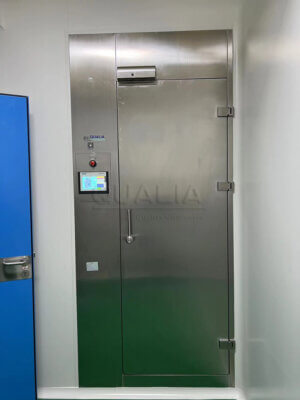
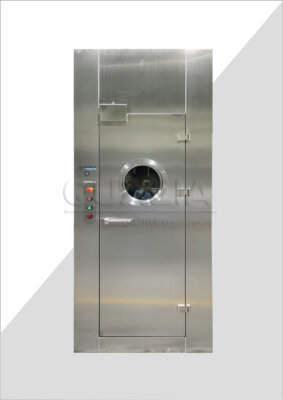
Het bouwkundig omhulsel vormt de passieve inperkingsbarrière. Het vereist een gesloten omhulsel met monolithische, niet-poreuze oppervlakken die bestand zijn tegen herhaalde ontsmetting. De toegang wordt strikt gecontroleerd door een reeks vergrendelde deuren en voorkamers, waardoor een volgorde van schoon naar besmet wordt gecreëerd. Deze lay-out dwingt fysiek de unidirectionele workflow af die vereist is voor personeel en materialen, inclusief speciale doorgangen zoals dubbeldeurs autoclaven en dompeltanks die geïntegreerd zijn in de insluitingsgrens.
De cruciale rol van technische HVAC
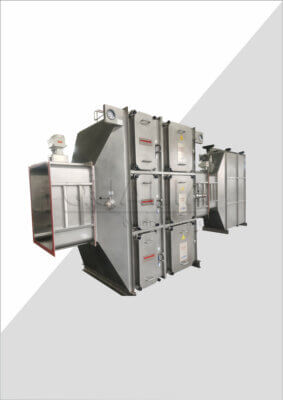
Terwijl architectuur bevat, beschermt het HVAC-systeem actief. Het ontwerp wordt bepaald door een niet-onderhandelbaar principe van de Bioveiligheid in microbiologische en biomedische laboratoria (BMBL): behoud van een gerichte inwaartse luchtstroom van schone naar vervuilde zones, zelfs onder storingsomstandigheden. Dit vereist een 100% afzuigsysteem met HEPA filtratie op de afzuigstroom. Een speciaal gebouwautomatiseringssysteem zorgt voor een continue bewaking van drukverschillen, temperatuur en vochtigheid, waarbij onmiddellijk alarm wordt geslagen bij elke afwijking. Deze aanpak weerspiegelt een hoge betrouwbaarheidsmentaliteit, waarbij redundantie en storingsbeheer vanaf het begin zijn ingebouwd.
Besturingssystemen integreren
De echte maatstaf voor een ontwerp is hoe de onderdelen op elkaar reageren tijdens een storing. De deuren met vergrendeling moeten communiceren met het BAS om te voorkomen dat ze geopend worden als het drukverschil wegvalt. Redundante afzuigventilatoren moeten automatisch worden geactiveerd als de primaire ventilator uitvalt, met regelaars die omkering van de luchtstroom tijdens het omschakelen voorkomen. Bij de inbedrijfstelling moeten deze geïntegreerde storingsmodi worden getest, niet alleen de werking van afzonderlijke componenten. In mijn ervaring met het beoordelen van faciliteitsplannen is de meest voorkomende fout het specificeren van geïsoleerde componenten zonder hun interactieve prestaties onder stress te definiëren.
Vergelijking van kapitaalkosten en operationele budgetten voor ABSL-3 faciliteiten
Inzicht in de kapitaalinvestering
De initiële kapitaaluitgaven dekken de fysieke infrastructuur. De belangrijkste kosten omvatten de gespecialiseerde bouwkundige omhulling, het complexe HVAC-systeem met redundantie, de primaire apparatuur voor het insluiten van dieren (kooien, isolatoren) en het uitgebreide BAS. De keuze tussen traditionele bouw en modulaire BSL labs is een belangrijke strategische beslissing. Modulaire benaderingen kunnen zorgen voor een snellere uitrol en meer voorspelbare kapitaalkosten, wat cruciaal is voor dringende tijdschema's voor onderzoek.
De terugkerende operationele “belasting”
De grootste financiële verplichting op lange termijn is vaak het operationele budget. Een aanzienlijk deel is de verplichte jaarlijkse hercontrole van de faciliteit, een uitgebreid proces dat fungeert als een niet-onderhandelbare operationele belasting. Dit omvat het opnieuw certificeren van alle HEPA-filters, het testen van de prestaties van bioveiligheidskasten en het testen van volledige systeemstoringen. Budgetten moeten ook rekening houden met gespecialiseerd preventief onderhoud, frequente vervanging van voorfilters vanwege huidschilfers van dieren en het aanzienlijke energieverbruik van 100% afzuigsystemen.
| Kosten Categorie | Belangrijkste onderdelen | Financiële overweging |
|---|---|---|
| Investeringsuitgaven | Verzegeld bouwkundig omhulsel | Grote investering vooraf |
| Gespecialiseerde HVAC met redundantie | Hoge kapitaalkosten | |
| Primaire inkapseling | Aanzienlijke uitrustingskosten | |
| Operationele “Belasting” | Jaarlijkse faciliteitverificatie | Niet-onderhandelbare terugkerende kosten |
| Certificering en vervanging van HEPA-filters | Gespecialiseerde servicecontracten | |
| Energie voor uitlaat 100% | Aanhoudend hoge energiekosten |
Bron: Technische documentatie en industriespecificaties.
Analyse van de totale eigendomskosten
Financiële planning faalt als het stopt bij de kapitaalkosten. Een goede analyse projecteert de totale eigendomskosten over een levenscyclus van 10-15 jaar. Dit omvat de cumulatieve kosten van verificatie, onderhoud, nutsvoorzieningen en mogelijke upgrades. Het onderschatten van deze terugkerende kosten brengt zowel de naleving van de veiligheidsvoorschriften als de wetenschappelijke productiviteit van de faciliteit op de lange termijn in gevaar, omdat budgetten opgaan aan het in stand houden van de activiteiten in plaats van het ondersteunen van onderzoek.
Primaire insluiting: IVC's vs. gesloten kooien vs. flexibele isolatoren
Toepassingsspecifieke primaire barrières
Primaire inperking is de eerste verdedigingslaag in de dierenkamer. De keuze wordt bepaald door het diermodel en het agens. Voor kleine knaagdieren zijn individueel geventileerde kooien met HEPA-gefilterde toe- en afvoer standaard. Voor grotere dieren, zoals niet-menselijke primaten, bieden kooien met vaste wanden een afgesloten micro-omgeving met negatieve druk. Elk systeem moet worden geïntegreerd met de HVAC van de ruimte om de juiste drukcascades te handhaven.
De strategische voordelen van flexibele isolatoren
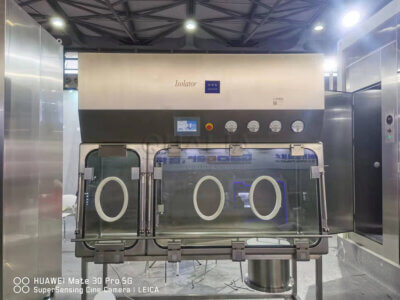
Flexibele-film isolatoren bieden een veelzijdige oplossing voor het onderbrengen van standaard kooien binnen een negatieve-druk behuizing. Hun strategische waarde wordt benadrukt door een computationele vloeistofdynamische analyse, die inperkingsdoorbraakscenario's modelleert. Deze analyse ondersteunt een “Swiss Cheese” risicomodel, waarbij de isolator een gedefinieerde secundaire barrière vormt. Experts uit de industrie raden deze aanpak aan voor programma's met diverse of grotere diersoorten, omdat het een kwantificeerbare laag veiligheid en operationele flexibiliteit toevoegt.
| Type insluiting | Primaire toepassing | Belangrijkste veiligheids-/operationeel kenmerk |
|---|---|---|
| Individueel geventileerde kooien (IVC's) | Kleine knaagdieren (bijv. muizen, ratten) | HEPA-gefilterde toevoer/afvoer |
| Containment-kooien met massieve wanden | Grotere dieren (bijv. NHP, konijnen) | Afgedichte omgeving onder negatieve druk |
| Flexibele-film isolatoren | Diverse/grotere dierenkooien | Creëert beheersbare risicohiërarchie |
| Standaard kooiconceptie | Twee gelijktijdige mislukkingen voor inbreuk |
Opmerking: CFD-analyse ondersteunt het ’Swiss Cheese“-model van isolatoren voor insluiting met hoge betrouwbaarheid.
Bron: Technische documentatie en industriespecificaties.
Integratie met procedurele workflows
De geselecteerde primaire inperking moet naadloos aansluiten op de dagelijkse procedures. Dit omvat het veilig overbrengen van dieren naar bioveiligheidskabinetten van klasse II voor procedures, protocollen voor het verwisselen van kooien en het verwijderen van afval. Het ontwerp van transferpoorten, afsluitmechanismen en ergonomische toegangspunten is van cruciaal belang. Gemakkelijk over het hoofd te zien details zijn de compatibiliteit van kooirekken met autoclaven en de logistieke stroom van schoon en vuil strooisel.
HVAC-systeemontwerp: Redundantie, faaltests & prestatieverificatie
Ontwerpen voor fouttolerantie
De ontwerpfilosofie van het HVAC-systeem moet prioriteit geven aan fouttolerantie. Belangrijke elementen zijn onder andere redundante afzuigventilatoren met automatische failover, speciale toevoersystemen en nauwkeurige besturingslogica die drukvereffening of omkering voorkomt. De balans tussen toevoer en afvoer moet nauwkeurig worden berekend om ervoor te zorgen dat de vereiste luchtstroom in alle richtingen wordt gehandhaafd op alle toegangspunten tot de ruimte, vooral wanneer deuren worden geopend.
De noodzaak van faaltests
De hoeksteen van geloofwaardige insluiting is niet normale werking, maar bewezen prestaties tijdens storingen. Regelgevende mandaten vereisen tests onder gesimuleerde uitval van de uitlaatventilator, stroomuitval en herstart van het systeem. Het ontwerp moet deze tests mogelijk maken, met meetpoorten en procedures om te controleren of er geen omkering van de luchtstroom plaatsvindt. Deze op prestaties gebaseerde verificatie maakt het verschil tussen een installatie die aan de voorschriften voldoet en een echt betrouwbare installatie.
| Ontwerpprincipe | Belangrijkste kenmerken | Prestatievereiste |
|---|---|---|
| Luchtstroomregeling | 100% uitlaat, gerichte inwaartse stroom | Geen omkering bij storing |
| Systeemredundantie | Redundante uitlaatventilatoren | Voorkomt storingen op één punt |
| Testen op defecten | Gesimuleerde storing uitlaatventilator | Verplichte verificatiestap |
| Stroomuitval en herstartsequenties | Omkering van de luchtstroom niet toegestaan | |
| Verificatienorm | ANSI/ASSP Z9.14 methodologie | Blauwdruk voor testen op basis van risico's |
Bron: Bioveiligheid in microbiologische en biomedische laboratoria (BMBL) 6e editie. De BMBL schrijft voor dat de luchtstroom niet kan omkeren van verontreinigde naar schone gebieden onder storingscondities en vormt de basisvereiste voor HVAC-ontwerp en testprotocollen in ABSL-3 laboratoria.
Consensusstandaarden aannemen
Het gaat verder dan voorschrijvende checklists, de ANSI/ASSP Z9.14 norm voor testen en verificatie biedt een rigoureuze, op risico's gebaseerde methodologie. Deze consensusnorm vult een kritieke leemte en biedt een blauwdruk voor het ontwerpen van testbare systemen en het uitvoeren van uitgebreide verificatie. Het toepassen van deze standaard toont operationele uitmuntendheid en zorgvuldigheid, en biedt een gestructureerd kader voor inbedrijfstelling en jaarlijkse herverificatie dat steeds meer wordt erkend door regelgevende instanties.
ABSL-3 Inbedrijfstelling, jaarlijkse herkeuring en doorlopend onderhoud
Strikte inbedrijfstelling als poortwachter
Inbedrijfstelling is het formele proces waarbij wordt geverifieerd of de gebouwde faciliteit presteert volgens de ontwerpspecificaties voordat deze in gebruik wordt genomen. Het is te onderscheiden van certificering en moet op bewijs gebaseerd zijn. Het proces omvat gedocumenteerde storingstests van het HVAC-systeem, kalibratie van alle sensoren en verificatie van interlocksequenties. Deze fase brengt vaak integratiefouten aan het licht die moeten worden opgelost voordat de faciliteit wordt vrijgegeven voor onderzoek.
De verplichte jaarlijkse herverificatiecyclus
Na ingebruikname is een strenge jaarlijkse hercontrole vereist. Dit is geen eenvoudige audit, maar een uitgebreide herbeoordeling van de prestaties. Het omvat het opnieuw meten van de gerichte luchtstroom in alle zones, het opnieuw certificeren van de integriteit van de HEPA-filters, het testen van alle akoestische en visuele alarmen en het controleren van de prestaties van ontsmettingssystemen zoals autoclaven. Deze cyclus zorgt ervoor dat de insluitingsintegriteit van de faciliteit in de loop der tijd niet is aangetast.
| Activiteitenfase | Geverifieerde sleutelparameters | Frequentie / aard |
|---|---|---|
| Inbedrijfstelling | HVAC-storingstesten | Voor operationeel gebruik |
| As-built prestatie vs. ontwerp | Gedocumenteerde verificatie | |
| Jaarlijkse herverificatie | Gerichte luchtstroom | Verplichte jaarlijkse controle |
| Certificering HEPA-filter | Jaarlijkse specialistische service | |
| Alle alarmsystemen testen | Uitgebreide routine | |
| Lopend onderhoud | Motor van uitlaatventilator controleren | Preventief schema |
| Voorfilter vervangen (bont/schilfers) | Dierspecifieke complexiteit |
Bron: Technische documentatie en industriespecificaties.
Integriteit behouden door proactief onderhoud
Doorlopend onderhoud houdt de faciliteit in stand tussen de controles door. Dit omvat regelmatige inspecties van de motoren en lagers van afzuigventilatoren, regelmatige vervanging van voorfilters die snel vervuild raken door dierenharen en huidschilfers, en controles van de deurafdichtingen en de integriteit van het oppervlak. Het onderhoudsprogramma moet proactief zijn, met onderdelen en servicecontracten om de uitvaltijd van het systeem tot een minimum te beperken. We vergeleken geplande met reactieve onderhoudsmodellen en ontdekten dat het eerste model onverwachte inperkingen met meer dan 70% vermindert.
Procedurele controles integreren in technisch ontwerp voor veiligheid
Ontwerpgestuurde workflows
Het technisch ontwerp moet veilige protocollen fysiek versterken. De lay-out moet een logische stroom mogelijk maken voor het aan- en uittrekken van persoonlijke beschermingsmiddelen in voorkamers. De plaatsing van BSC's van klasse II moet een veilige verplaatsing van dieren uit de primaire omheining mogelijk maken zonder de druk in de ruimte te onderbreken. Het ontwerp moet het gebruik van aangedreven luchtzuiverende ademhalingstoestellen mogelijk maken, met duidelijke zones voor het aantrekken en opladen van de batterijen.
Aërosolproducerende procedures aanpakken
Het integratiepunt tussen procedure en techniek is het meest kritisch tijdens aërosolproducerende procedures. Deze moeten worden uitgevoerd in gecertificeerde BSC's. Het ontwerp moet rekening houden met de gebruikte apparatuur - afgedichte centrifugerotors, vortexmixers met doppen - en voldoende laboratoriumruimte en voorzieningen (vacuüm, gas) bieden binnen het oppervlak van de kast. Er moet vanaf het begin rekening worden gehouden met dierspecifieke behoeften, zoals verdovingsapparatuur of beeldvormende apparatuur, omdat het achteraf aanpassen van de apparatuur kostbaar en riskant is.
Een cultuur van hoge betrouwbaarheid cultiveren
Het uiteindelijke doel is een zeer betrouwbare veiligheidscultuur waarin technische controles en menselijke prestaties elkaar versterken. Dit vereist training die de waarom achter het ontwerp hoe deurvergrendelingen de luchtstroom beschermen, hoe alarmreacties de risico's beperken. De faciliteit zelf wordt een trainingsmiddel, met duidelijke bewegwijzering en uitvalbeveiligingen die de veilige weg tot de makkelijke weg maken. Deze holistische integratie voorkomt dat latente fouten actieve fouten worden.
Het juiste ABSL-3 ontwerp selecteren voor uw onderzoeks- en agentprofiel
Beginnen met een gedetailleerde risicobeoordeling
Het ontwerpproces moet beginnen met een gedetailleerde risicobeoordeling, niet met een algemeen sjabloon. Belangrijke factoren zijn de transmissiedynamiek van het specifieke agens, de infectieuze dosis en de beschikbare behandelingen. Het diermodel dicteert de ruimtelijke behoeften, het afvalvolume en het primaire inperkingstype. Het onderzoeksprotocol - frequentie van procedures, bemonsteringsmethoden - bepaalt de vereiste ondersteunende ruimten en apparatuur. Een ontwerp voor sporadisch gebruik met aërosolen met een laag risico verschilt fundamenteel van een ontwerp dat werkzaamheden met een hoog volume en een hoog risico ondersteunt.
Flexibiliteit en toekomstbestendigheid evalueren
Onderzoeksprogramma's evolueren. Een faciliteit die ontworpen is voor één agent en één knaagdiermodel kan verouderd raken. Het kiezen van een ontwerp met inherente flexibiliteit, zoals ruimtes die geschikt zijn voor verschillende primaire insluitsystemen of modulaire voorzieningen, beschermt uw investering op lange termijn. De regelgeving gaat in de richting van gestandaardiseerde prestatieverificatie, wat betekent dat uw ontwerp de voorkeur moet geven aan testbare en verifieerbare resultaten boven specifieke, vaste constructiemethoden.
Ontwerp afstemmen op operationele capaciteit
Het meest geavanceerde ontwerp zal mislukken als de uitvoerende instelling niet over de capaciteit beschikt om het te ondersteunen. Dit omvat interne expertise voor onderhoud, relaties met gespecialiseerde verificatie-aannemers en een houdbaar budget voor operationele kosten. De complexiteit van het ontwerp moet overeenkomen met de technische en financiële mogelijkheden van de organisatie om het gedurende de volledige levenscyclus te ondersteunen. Soms is een eenvoudiger, robuuster ontwerp de verstandigste strategische keuze.
Belangrijke beslissingsfactoren voor uw ABSL-3 laboratorium investering
Strategische en financiële overwegingen
De beslissing gaat verder dan bioveiligheid en omvat ook strategische en financiële planning. De totale eigendomskosten moeten nauwkeurig worden geanalyseerd, waarbij kapitaalkosten worden afgewogen tegen tientallen jaren aan operationele kosten. De strategie voor naleving van de regelgeving moet worden bepaald: gaat u voldoen aan de minimumnormen of gaat u over op voorbeeldige kaders zoals ANSI Z9.14? Het implementatiemodel - nieuwbouw, renovatie of modulaire opbouw - brengt verschillende tijdslijnen, risico's en kapitaalprofielen met zich mee.
Gebruikmaken van gespecialiseerde expertise
Weinig instellingen hebben alle benodigde expertise in huis. Het groeiende ecosysteem van gespecialiseerde dienstverleners voor geavanceerd ontwerp en engineering van biocontainment biedt een waardevolle bron. Beslissen wat uit te besteden - ontwerp, inbedrijfstelling, onderhoud - is een belangrijke factor. Bovendien is het opnemen van computational fluid dynamics modellering in de ontwerpfase nu een eerste vereiste voor het verminderen van risico's op insluitingsstrategieën en het optimaliseren van de luchtstroom, wat een kritieke investering vooraf is voor validatie en goedkeuring door de regelgevende instanties.
De belangrijkste beslispunten komen samen in een raamwerk: definieer eerst uw precieze risicoprofiel voor onderzoek en ontwerp dan de faciliteit om dat risico in te perken met verifieerbare prestaties. Geef de voorkeur aan geïntegreerde systemen boven geïsoleerde componenten en plan voor de volledige levenscycluskosten, niet alleen het bouwbudget. De keuze tussen maximale flexibiliteit en geoptimaliseerde eenvoud hangt af van uw onderzoeksplan voor de lange termijn.
Hebt u professionele begeleiding nodig bij deze complexe ontwerp- en investeringsbeslissingen voor uw high-containmentfaciliteit? De experts van QUALIA zijn gespecialiseerd in het vertalen van onderzoeksvereisten naar veilige, conforme en operationeel verantwoorde ABSL-3 oplossingen. Neem contact met ons op om uw specifieke projectuitdagingen en strategische doelen te bespreken.
Veelgestelde vragen
V: Hoe verandert de ANSI/ASSP Z9.14 standaard de benadering van ABSL-3 HVAC inbedrijfstelling?
Antwoord: De norm ANSI/ASSP Z9.14 biedt een strenge, risicogebaseerde methodologie voor testen en verificatie die verder gaat dan eenvoudige, voorgeschreven controlelijsten. De norm schrijft specifiek op prestaties gebaseerde faaltests voor, zoals het simuleren van het verlies van de afzuigventilator, om ervoor te zorgen dat er geen omkering van de luchtstroom optreedt. Dit betekent dat u de norm moet gebruiken als blauwdruk voor ontwerp en inbedrijfstelling om operationele zorgvuldigheid aan te tonen en te voldoen aan de veranderende verwachtingen van de regelgeving voor verifieerbare insluitingsprestaties.
V: Wat zijn de belangrijkste financiële overwegingen bij het begroten van de exploitatie op lange termijn van een ABSL-3 faciliteit?
A: De belangrijkste financiële verplichting is het terugkerende operationele budget, dat functioneert als een verplichte “belasting” voor naleving. Dit budget moet de jaarlijkse herkeuring van de installatie, gespecialiseerd preventief onderhoud, vervanging van HEPA-filters en hoge gebruikskosten van 100% afzuigsystemen dekken. Voor projecten waarbij levensvatbaarheid op de lange termijn van cruciaal belang is, moet u vanaf het begin een aanzienlijke, duurzame financiering voor deze activiteiten toewijzen, aangezien het onderschatten ervan zowel de wettelijke status als een veilige werking in gevaar brengt.
V: Wanneer moeten we isolatoren van flexibele folie overwegen in plaats van traditionele IVC's voor primaire dierinperking?
A: Isolatoren met flexibele folies zijn een strategische keuze bij het huisvesten van grotere dieren zoals konijnen of wanneer uw onderzoeksprogramma aanpasbare inperking vereist voor diverse soorten. CFD-analyses (Computational Fluid Dynamics) ondersteunen het gebruik ervan door aan te tonen dat ze een beheersbare risicohiërarchie creëren, waarbij twee gelijktijdige storingen nodig zijn voor een breuk. Als uw bedrijf flexibiliteit vereist of met grotere diermodellen werkt, plan dan isolatoren die een zeer betrouwbare inperking bieden en tegelijkertijd een bredere onderzoeksportfolio ondersteunen.
V: Hoe integreren we procedurele veiligheid in het technische ontwerp van een ABSL-3 lab?
A: Het technisch ontwerp moet vanaf het begin strenge procedurele workflows actief mogelijk maken en versterken. De architectuur moet het aantrekken van persoonlijke beschermingsmiddelen (PPE) in voorkamers vergemakkelijken, het uitvoeren van aërosolproducerende procedures in biologische veiligheidskabines van klasse II of III ondersteunen en een veilige diertransfer met verzegelde secundaire containers mogelijk maken. Dit betekent dat u tijdens de ontwerpfase gedetailleerde veterinaire en operationele input nodig hebt om ervoor te zorgen dat de fysieke lay-out naadloos aansluit op de zeer betrouwbare veiligheidscultuur en complexe dierspecifieke protocollen die u gaat implementeren.
V: Wat is het cruciale verschil tussen inbedrijfstelling en jaarlijkse herverificatie voor een ABSL-3 lab?
A: Inbedrijfstelling is een eenmalig, rigoureus proces om te controleren of de gebouwde faciliteit voldoet aan alle ontwerpspecificaties voor operationeel gebruik, inclusief gedocumenteerde HVAC-storingstests. Jaarlijkse herverificatie is een doorlopende, verplichte routine waarbij jaarlijks meer dan een dozijn parameters opnieuw worden getest, zoals de luchtstroomrichting, de integriteit van het HEPA-filter en de alarmfunctie. Deze levenscyclusbenadering betekent dat u zowel de initiële intensieve validatie als de terugkerende, uitgebreide operationele controles moet budgetteren om de integriteit van de insluiting en de naleving van de regelgeving te handhaven.
V: Waarom worden HVAC-faaltests beschouwd als de hoeksteen van ABSL-3 insluitingszekerheid?
A: Het testen van HVAC-storingen is van fundamenteel belang omdat hiermee wordt gevalideerd dat het secundaire insluitsysteem onder echte storingsomstandigheden werkt, niet alleen onder ideale omstandigheden. Wettelijke vereisten vereisen het simuleren van scenario's zoals het uitvallen van afzuigventilatoren of stroomuitval om aan te tonen dat de luchtstroom naar binnen gericht blijft zonder omkering. Voor uw faciliteit is deze op prestaties gebaseerde verificatie niet onderhandelbaar; u moet het systeem ontwerpen met redundantie en besturingselementen die specifiek bedoeld zijn om deze tests te doorstaan. Bioveiligheid in microbiologische en biomedische laboratoria (BMBL) 6e editie.
V: Welke invloed heeft de keuze tussen modulaire en traditionele bouw op de tijdlijn en kosten van een ABSL-3 project?
A: Modulaire ABSL-3 labs bieden een strategisch alternatief voor traditionele, op maat gebouwde constructies, omdat ze sneller kunnen worden ingezet en de kapitaalkosten voorspelbaarder zijn. Ze kunnen van cruciaal belang zijn voor dringende tijdschema's voor onderzoek. De grootste financiële verplichting op lange termijn blijft echter het operationele budget voor verificatie en onderhoud, dat voor beide modellen vergelijkbaar is. Als uw belangrijkste beperking een snellere inzetbaarheid is, moet een modulaire aanpak worden geëvalueerd, maar u moet nog steeds een grondige analyse van de totale eigendomskosten uitvoeren die alle kosten van de levenscyclus omvat.
Gerelateerde inhoud:
- BSL-3-dieronderzoek: Handleiding voor faciliteitsontwerp
- BSL-4-dieronderzoek: Veiligheid van de behandelaar garanderen
- BSL-3 dierverblijven: Veilige inperkingssystemen
- De complete BSL-3 laboratoriumgids voor dieren voor directeuren van onderzoeksfaciliteiten: Editie 2025
- Bioveiligheidsisolatoren in dieronderzoekfaciliteiten
- Bioveiligheidskasten in dierproeven: Veiligheid voor alles
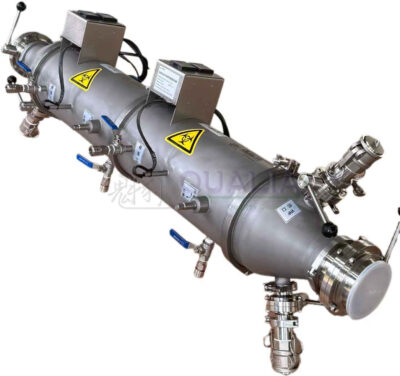
- Bioveiligheidsdempers voor het insluiten van virologielaboratoria
- Uitleg over afzuigsystemen voor bioveiligheidskasten
- BSL-3 laboratoriumventilatie: Ontwerp voor optimale veiligheid