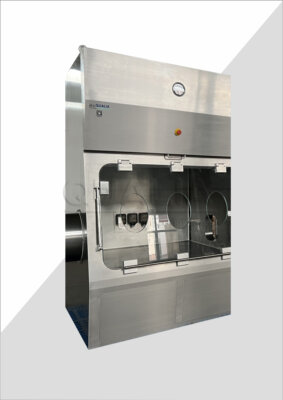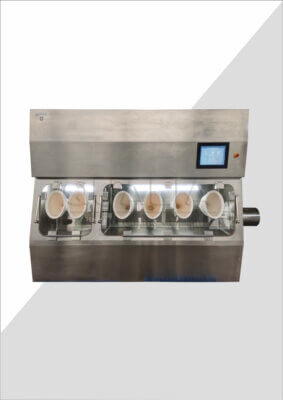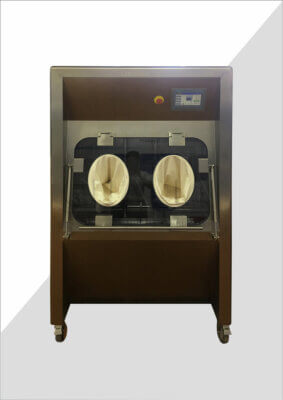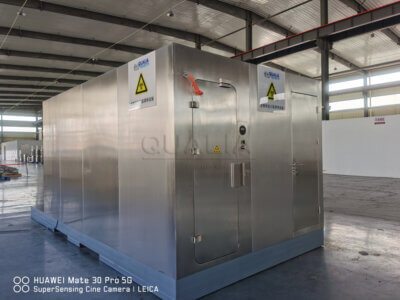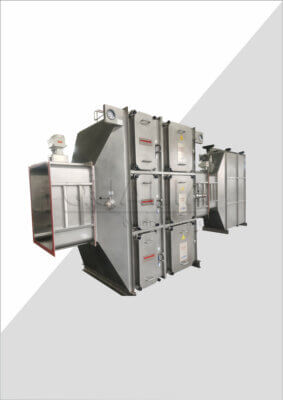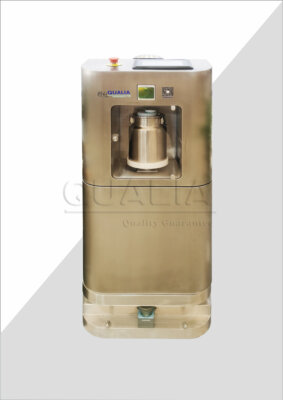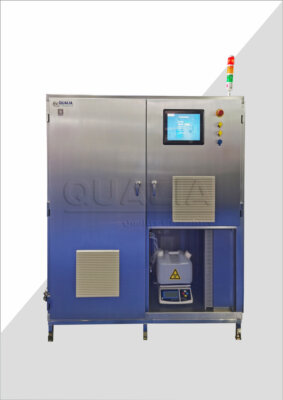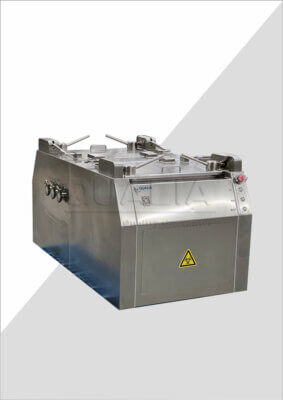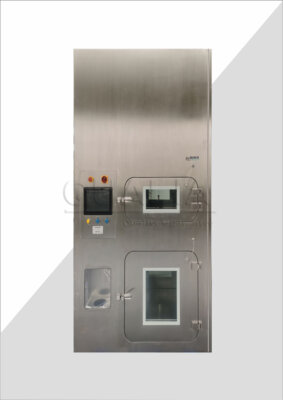

Selecting the right Vaporized Hydrogen Peroxide (VHP) sterilizer chamber size is a critical operational decision for any Central Sterile Services Department (CSSD). The choice dictates daily throughput, defines which device categories can be processed efficiently, and impacts long-term financial and workflow efficiency. A mismatch between chamber capacity and actual device flow creates bottlenecks, underutilizes capital, and fails to support surgical schedules.
This decision requires moving beyond simple liter capacity comparisons. Throughput is a function of chamber volume, validated cycle times, load configuration, and departmental workflow. With VHP positioned for high-value, heat-sensitive devices rather than bulk terminal sterilization, precise capacity planning ensures the technology delivers on its promise of rapid, safe turnover for complex instrumentation.
Key Factors in VHP Sterilizer Chamber Size Selection
Defining the Operational Niche
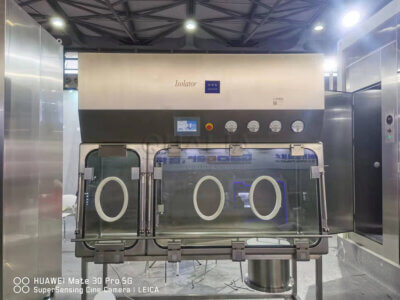
Hospital-grade VHP chambers, typically ranging from 30 to over 130 liters, are not designed for high-volume bulk processing. This scale inherently positions VHP as a specialized solution for specific device flows. The primary candidates are heat-sensitive polymers, devices with internal lumens, and complex assemblies like flexible endoscopes that cannot withstand steam sterilization. The chamber size you select directly determines the volume and mix of these priority devices you can process per cycle.
Beyond Volume: Shape and Compatibility
Chamber geometry is as important as volume. A square or rectangular footprint may accommodate rigid trays more efficiently than a cylindrical chamber, influencing how many sets can be loaded. Furthermore, VHP’s material compatibility is a key advantage, but it introduces constraints. While it safely processes sensitive plastics and electronics, it mandates the exclusion of cellulose-based packaging (e.g., paper-plastic pouches). This creates a hidden workflow bottleneck, requiring departments to source and manage compatible packaging materials like Tyvek® separately.
The Validation Imperative
Ultimately, the usable capacity of any chamber is defined by its validated load configurations. Manufacturers validate specific arrangements, weights, and densities to guarantee sterilant penetration. You cannot simply fill the chamber to its physical limit; you must adhere to the validated parameters for device types and quantities. This validation, governed by standards like ISO 14937:2009, is the non-negotiable foundation that turns chamber volume into reliable, assured sterilization capacity.
Chamber Size vs. Throughput: A Critical Relationship
The Multivariate Throughput Equation
Throughput is not synonymous with chamber volume. It is a dynamic metric calculated as (usable load capacity) x (cycles per shift). A larger chamber can hold more devices, potentially reducing total cycles. However, if a department’s daily volume consists of many small, rapid-turnover sets, a smaller chamber with a faster cycle time may process more total devices over an eight-hour shift. The strategic mistake is selecting a large chamber that consistently runs half-empty, incurring higher capital and operating costs for no throughput benefit.
Analyzing Device Mix Profile
Accurate planning requires analyzing your specific device profile. A department specializing in orthopedic implants with long, solid instruments has different needs than an endoscopy suite processing numerous scopes. The former might benefit from a chamber optimized for dense, solid loads, while the latter requires a configuration validated for multiple scopes and their long, complex lumen cycles. Your device mix is the primary input for modeling true throughput.
The Cost of Inefficiency
In my experience consulting with CSSDs, the most common throughput failure stems from a mismatch between purchased capacity and actual need. A facility buys a large 130L chamber anticipating growth, but only processes two loads per day, each taking 45 minutes. The sterilizer sits idle for hours, representing tied-up capital and floor space that could have been allocated more effectively. Matching size to current and near-future realistic volume is crucial.
Cycle Time Analysis for Different VHP Sterilizer Sizes
Cycle Time Variability
VHP cycle times are not fixed; they vary dramatically based on the sterilization parameters required for different device categories. A cycle for solid metal instruments is fundamentally different from one for a flexible endoscope with multiple internal channels. The cycle time is driven by the need to achieve sterilant concentration, temperature, and humidity conditions throughout the entire load, including within the narrowest and longest lumens.
Mapping Devices to Cycle Types
Effective throughput modeling requires mapping your device inventory to specific cycle types. Solid instruments typically use shorter non-lumen cycles. Devices with internal channels, like laparoscopic handpieces, require validated lumen cycles. Flexible endoscopes demand the most rigorous cycles due to their complex, delicate geometry. You must know the proportion of each category in your daily workflow.
Throughput Impact of Cycle Length
The following table illustrates how cycle time directly impacts daily capacity planning. A department with a high volume of scopes must allocate significantly more time per load.
Cycle Time Analysis for Different VHP Sterilizer Sizes
| Device Category | Typical Cycle Time Range | Key Driver |
|---|---|---|
| Solid Instruments | 16–35 minutes | Non-lumen cycle |
| Lumened Devices | 28–60 minutes | Channel penetration |
| Flexible Endoscopes | 35–60 minutes | Complex geometry |
Source: ISO 22441:2022 Sterilization of health care products — Low temperature vaporized hydrogen peroxide. This standard specifies the requirements for developing and validating VHP sterilization processes, which directly govern the cycle time parameters for different medical device categories to ensure efficacy.
A chamber that processes four 20-minute loads per hour has a very different throughput profile than one processing one 50-minute load, even if their physical volumes are similar. Planning must be based on the slowest, most complex cycle in your regular workflow.
Load Configuration and Validation: Maximizing Each Cycle
Principles of Effective Load Planning
Maximizing throughput starts with optimizing each individual cycle through intelligent load configuration. Poor planning—overloading, creating dense clusters, or improperly orienting lumened devices—can cause shadowing and impede sterilant circulation. This risks a sterilization failure and wastes the entire cycle time. Load configuration is a skilled practice that balances maximum density with assured air removal and sterilant contact.
Governing Validation Parameters
Every load must conform to the sterilizer’s validated parameters. These are not suggestions but strict limits defined during the equipment’s qualification. They specify the maximum weight, the arrangement of items, and critical constraints for lumened devices, such as the minimum internal diameter and maximum length that can be processed.
Validation Constraints and Capacity
The table below outlines key validation parameters that directly constrain how you can utilize chamber volume. Ignoring these limits compromises sterility assurance.
Load Configuration and Validation: Maximizing Each Cycle
| 유효성 검사 매개변수 | Constraint Type | 처리량에 미치는 영향 |
|---|---|---|
| Maximum Load Density | Weight & arrangement | Prevents overloading |
| Minimum Lumen Diameter | Physical specification | Limits device mix |
| Maximum Channel Length | Physical specification | Defines load capacity |
| Sterilant Concentration | 프로세스 제어 | Ensures penetration |
Source: ISO 22441:2022 Sterilization of health care products — Low temperature vaporized hydrogen peroxide. The standard defines critical load configuration limits and process control parameters (e.g., vacuum, humidity, concentration) that must be validated to guarantee sterilization efficacy for complex loads.
For example, a chamber may physically hold five endoscopes, but its validation may only permit three based on total lumen length and channel count. The “validated capacity” is your true working capacity, not the physical space.
Cost Considerations: Capital, Operating, and Total Cost of Ownership
Expanding the Financial Viewpoint
The financial analysis must extend far beyond the sterilizer’s sticker price. A larger chamber typically commands a higher capital expenditure (CapEx) and consumes more hydrogen peroxide solution per cycle, increasing direct operating costs. However, focusing solely on these figures presents an incomplete picture and can lead to a suboptimal purchase decision.
The Dominance of Labor Costs
In high-volume facilities, long-term labor costs for loading, unloading, documentation, and handling incompatible packaging will eclipse consumable costs over the equipment’s lifespan. A sterilizer with features that reduce manual steps—such as automated record-keeping or ergonomic loading racks—can justify a higher initial cost through significant labor savings and reduced potential for human error.
Evaluating Total Cost of Ownership (TCO)
A TCO model synthesizes all financial factors over a 5-10 year period. It includes capital depreciation, consumables, maintenance, facility costs (utilities, space), and, most importantly, labor. A slightly more expensive VHP sterilizer with a faster cycle time can improve Operating Room turnover, creating clinical value that far outweighs the incremental capital cost. Justification should be based on operational efficiency and clinical support capability.
Cost Considerations: Capital, Operating, and Total Cost of Ownership
| 비용 범주 | 기본 드라이버 | Long-Term Impact |
|---|---|---|
| Capital Expenditure | Chamber size, features | High initial outlay |
| 운영 비용 | Sterilant consumption per cycle | Moderate recurring cost |
| Labor Cost | Loading, documentation, handling | Highest long-term cost |
| Justification Basis | Labor efficiency, OR turnover | 총 소유 비용 |
Source: Technical documentation and industry specifications.
The most cost-effective chamber size is the one that minimizes total daily labor hours and cycle time while reliably meeting surgical demand, not the one with the lowest purchase price.
Space, Workflow, and Integration Requirements
Single-Door vs. Pass-Through Configuration
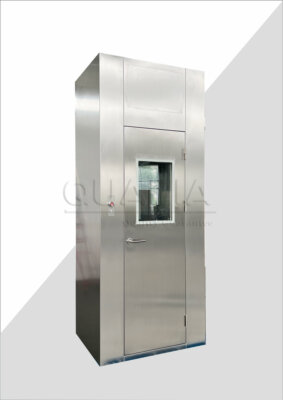
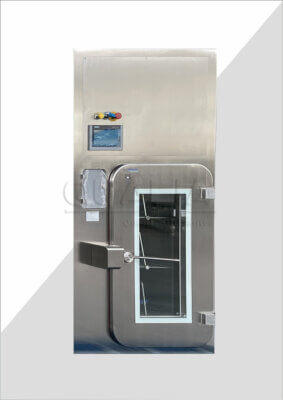
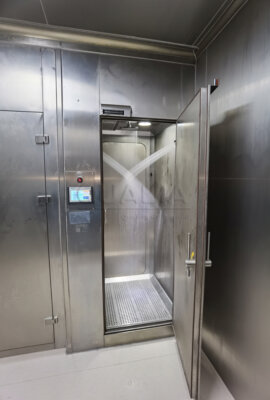
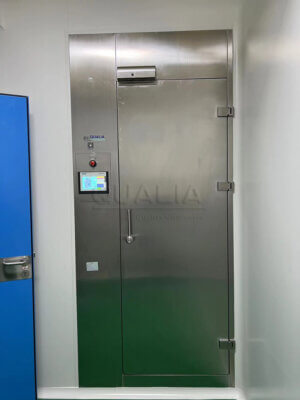
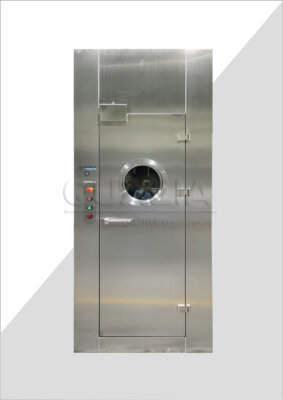
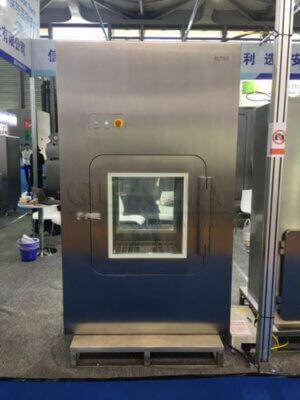
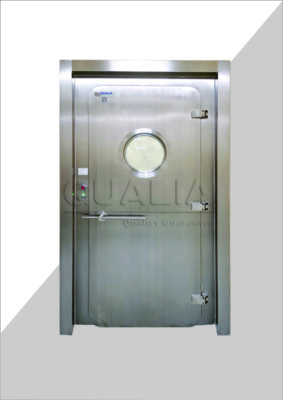
The physical integration of the VHP sterilizer is a critical practical decision. A single-door cabinet has a smaller footprint and is simpler to install. A pass-through (double-door) model supports a strict unidirectional dirty-to-clean workflow, enhancing contamination control but requiring more floor space and potentially complex facility modification for sealing the chamber between separate dirty and clean rooms.
Integration into Hybrid Sterilization Suites
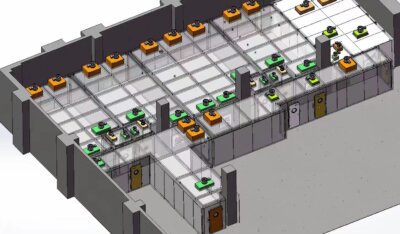
Modern CSSDs rarely rely on a single technology. VHP typically operates within a hybrid suite, specializing in heat-sensitive and lumen-based devices while steam sterilizers process robust instruments. The departmental layout must support these parallel processing pathways without cross-contamination. The VHP’s location should facilitate efficient transport from decontamination and to sterile storage.
Workflow and Staffing Implications
The chosen technology impacts staff workflow and training. A pass-through model requires coordination between staff on both sides. Furthermore, operating a hybrid suite necessitates that staff be cross-trained on multiple technologies, understanding the indications and loading protocols for each. The physical footprint and workflow design must align with your department’s overall layout and technology strategy to avoid creating new bottlenecks.
How to Calculate Your CSSD’s Daily VHP Throughput Needs
A Data-Driven Methodology
Accurate throughput calculation requires moving from estimates to data. Begin by categorizing your daily volume of devices requiring low-temperature sterilization. Tally the number of sets or individual items for three categories: solid instruments, lumened devices (non-scope), and flexible endoscopes. This inventory forms the basis of all subsequent calculations.
Modeling Cycles and Loads
Next, map each category to the validated cycle times provided by sterilizer manufacturers. Then, determine how many items from each category constitute a validated load for the chamber sizes under consideration. This reveals the number of loads required per day. Finally, multiply loads by cycle time to model the total processing time needed.
How to Calculate Your CSSD’s Daily VHP Throughput Needs
| Calculation Step | Key Input | Output Metric |
|---|---|---|
| Categorize Daily Volume | Device type (solid, lumen, scope) | Units per category |
| Map to Cycle Times | Manufacturer’s validated cycles | Minutes per cycle type |
| Determine Load Capacity | Validated items per chamber | Loads required daily |
| Model Total Cycle Time | Loads × cycle time | Total daily processing time |
Source: ISO 14937:2009 Sterilization of health care products — General requirements. This standard establishes the principles for process validation and routine control, which require a data-driven analysis of device flow and cycle parameters to ensure capacity meets clinical need.
For instance, if you process 15 endoscopes daily and a chamber holds 3 per validated load, you need 5 cycles. At 50 minutes per cycle, that’s 250 minutes of processing time. This model clearly shows if a single sterilizer can meet demand within a shift or if multiple units are necessary.
A Decision Framework for Selecting the Right Chamber Size
Lock in Non-Negotiable Requirements
Start your selection by defining immutable constraints. Regulatory compliance with standards like ISO 22441:2022 is mandatory. The vendor must provide robust validation support for your specific device portfolio. Material compatibility requirements, especially regarding packaging, are fixed. These factors may eliminate certain models or vendors immediately.
Apply Your Throughput Model
Input your calculated daily throughput needs and device mix from the previous section. Evaluate shortlisted models against this real-world data. Can the chamber’s validated capacity and cycle time profile process your daily volume within the required timeframe? This step moves the decision from theoretical specs to practical capability.
Synthesize Financial and Operational Factors
Evaluate the Total Cost of Ownership for each qualifying option. Compare not just purchase price, but long-term labor implications, consumable use, and potential impact on OR turnover. Then, conduct a final integration assessment: Does the physical footprint fit? Does the single or pass-through door configuration align with your workflow? This multi-criteria framework ensures the selected chamber delivers technical efficacy, financial sense, and operational fit.
Selecting a VHP sterilizer chamber size is a strategic investment in your CSSD’s capacity and efficiency. The right choice balances validated physical capacity with cycle time efficiency, ensuring you can meet surgical demand without wasteful overcapacity. It integrates financial wisdom—prioritizing Total Cost of Ownership over upfront price—with practical workflow design. Ultimately, the optimal chamber is the one that disappears into a reliable, predictable daily process, supporting staff and surgeons alike.
Need professional guidance to model your throughput and evaluate VHP sterilizer options? The technical team at QUALIA specializes in helping CSSDs analyze device flow and select the right low-temperature sterilization capacity. Contact us to discuss your department’s specific requirements and workflow.
자주 묻는 질문
Q: How does VHP sterilizer chamber size actually impact daily throughput capacity?
A: Throughput is not a simple function of chamber volume. It depends on your specific mix of device types and their required cycle times, which range from 16-35 minutes for solid instruments to 28-60 minutes for lumened devices. A smaller, faster unit can sometimes process more items per shift than a larger, slower one. This means facilities with a high volume of quick-turn solid instruments should prioritize cycle speed, while those with many complex scopes may need larger capacity to offset longer cycles.
Q: What are the key validation constraints for configuring a VHP sterilizer load?
A: Validated load configurations strictly govern maximum weight, item density, and the arrangement of lumened devices based on parameters like minimum diameter and channel length. These protocols ensure sterilant penetration in a fully loaded chamber, which is the worst-case scenario for efficacy. For projects where throughput is critical, you must plan load patterns during equipment selection to ensure your typical device sets can be processed efficiently without compromising the requirements of ISO 22441:2022.
Q: How should we calculate our CSSD’s specific daily VHP throughput needs?
A: Start by categorizing your daily low-temperature sterilization volume by device type: solid instruments, lumened devices, and flexible endoscopes. Map each category to its corresponding cycle time for the models you are evaluating, then determine how many items fit into a validated load for a given chamber size. This data-driven model reveals if a smaller, faster unit or a larger, slower one is more efficient. If your operation requires processing many endoscopes, expect long cycle times to be the primary bottleneck in your daily capacity.
Q: What is the most important financial consideration when selecting a VHP chamber size?
A: You must evaluate the Total Cost of Ownership, not just the capital expense. While larger chambers cost more upfront and use more sterilant, long-term labor costs for handling, documentation, and managing incompatible packaging will dominate operational expenses. This means high-volume facilities should justify a higher capital investment if it enables automation or faster cycles that reduce labor and improve OR turnover, aligning the financial model with long-term operational efficiency.
Q: How do workflow and integration requirements influence the choice between single-door and pass-through VHP sterilizers?
A: Pass-through models enforce a unidirectional dirty-to-clean workflow, enhancing contamination control but requiring more floor space and complex facility integration. Your decision hinges on your department’s layout and hybrid technology strategy, as VHP typically operates alongside steam sterilizers in a dedicated low-temperature pathway. If your space is constrained or you cannot support a pass-through wall installation, a single-door cabinet will be necessary, requiring robust procedural controls to maintain separation of processed and unprocessed items.
Q: Which international standards are essential for validating and controlling a VHP sterilization process?
A: The development, validation, and routine control of a VHP process must adhere to ISO 22441:2022, the specific standard for low-temperature vaporized hydrogen peroxide. This sits under the broader framework of ISO 14937:2009, which sets general requirements for characterizing any sterilizing agent. If your facility requires compliance with both specific and general sterilization principles, plan to integrate requirements from both standards into your validation protocol and quality management system.
관련 콘텐츠:
- VHP와 기존 멸균: 2025년 비교
- Hydrogen Peroxide Sterilization Equipment Selection: Total Cost of Ownership Calculator and ROI Analysis for Healthcare Facilities
- 의료 분야의 VHP 멸균: 2025년 모범 사례
- 2025년 VHP 멸균의 10가지 장점
- The Complete Hydrogen Peroxide Sterilization Guide for Medical Device and Pharmaceutical Facilities: 2025 Standards and Best Practices
- VHP를 사용한 실험실 멸균: 2025 전문가 가이드
- VHP 멸균 프로세스: 2025 종합 가이드
- 검증된 VHP 멸균 SOP | 규정 준수를 위한 감사 체크리스트
- 무균 격리실에서의 의료기기 테스트