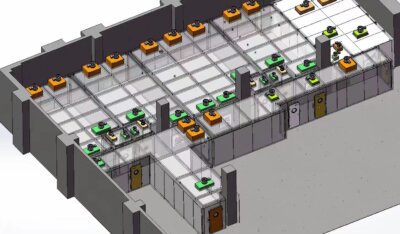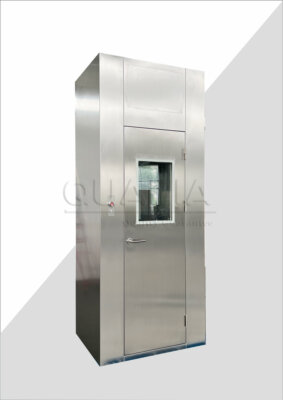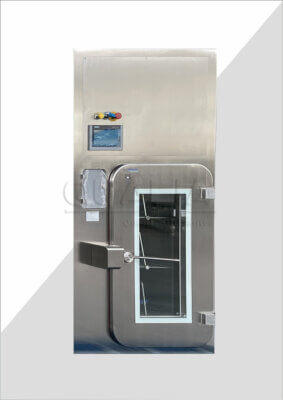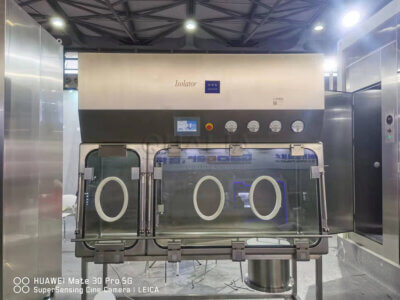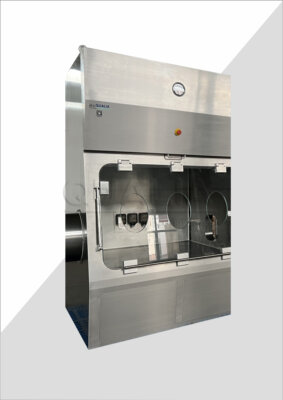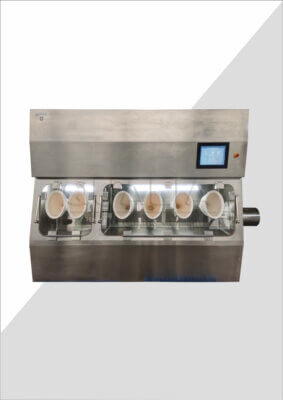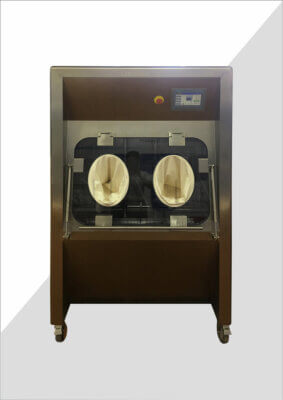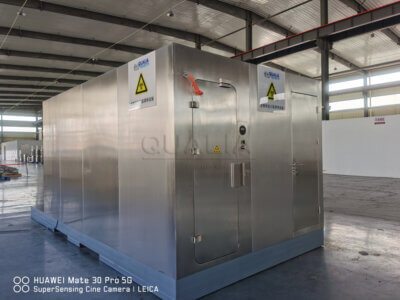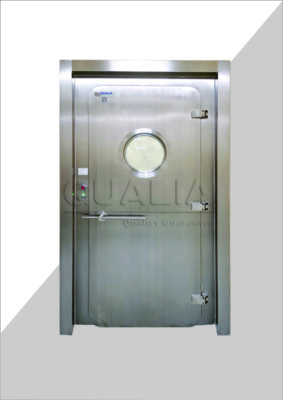

For pharmaceutical and biotech leaders, the cleanroom is a critical production asset, not just a facility. Yet traditional construction methods—slow, disruptive, and prone to budget overruns—can delay product launches and strain capital. The decision between prefabricated modular systems and conventional stick-built approaches is a strategic one, with profound implications for time-to-market, compliance certainty, and long-term asset flexibility.
The pressure to accelerate development timelines while ensuring cGMP compliance has never been greater. Understanding the technical standards, total cost implications, and implementation pathways for prefabricated cleanrooms is essential for making an informed capital investment that supports both immediate production needs and future growth.
Prefabricated vs. Stick-Built Cleanrooms: Core Differences
Defining the Construction Paradigm
The fundamental distinction is a shift in value creation from on-site labor to controlled factory engineering. Stick-built cleanrooms are constructed sequentially on-site, involving multiple trades and extensive field fabrication. Prefabricated systems are engineered from standardized panels and components manufactured off-site. This factory-based approach ensures consistent quality, precise tolerances, and repeatability, directly challenging traditional architect-contractor models by positioning the modular partner as the primary vendor.
Impact on Project Timeline and Risk
This core methodological difference drives divergent outcomes. Prefabricated modules arrive as pre-tested assemblies, enabling rapid installation—often in weeks versus months. This compresses the overall schedule by 30-50%, accelerating validation and revenue generation. The controlled environment also de-risks the project by eliminating weather delays and reducing on-site errors, providing greater budget and schedule certainty. In my experience, this shift is the single largest factor in de-risking capital projects for fast-moving biotechs.
Comparative Analysis at a Glance
The table below summarizes the key operational differences between these two approaches, highlighting why the prefabricated methodology is increasingly favored for time-sensitive, compliance-critical projects.
| 기능 | Prefabricated (Modular) | Stick-Built (Traditional) |
|---|---|---|
| Construction Method | Factory-built, panelized systems | On-site sequential trades |
| 설치 타임라인 | 주 | 개월 |
| Schedule Compression | 30-50% faster | Baseline schedule |
| Budget/Schedule Risk | Lower, controlled environment | Higher, weather-dependent |
| Primary Value Source | Factory engineering & testing | On-site labor & fabrication |
Source: Technical documentation and industry specifications.
Key Design Standards: ISO Classifications & cGMP
The Foundation: ISO 14644-1 Classification
Cleanroom performance is quantified by ISO 14644-1, which classifies air cleanliness by the maximum allowable concentration of airborne particles per cubic meter. For pharmaceutical applications, common classifications include ISO 5 for aseptic fill-finish, ISO 7 for compounding, and ISO 8 for gowning and support areas. Prefabricated systems are engineered to achieve these classes through integrated HEPA/ULPA filtration and controlled, unidirectional or non-unidirectional airflow patterns.
Integrating cGMP Design Principles
Compliance extends beyond particle counts to current Good Manufacturing Practices (cGMP), which mandate design features assuring product quality. This requires low-particulate-shedding, cleanable materials and layouts that enforce proper personnel and material flow to prevent cross-contamination. The factory-built nature of prefab cleanrooms inherently supports this; components arrive with comprehensive documentation, streamlining commissioning by shifting much of the validation burden upstream.
Mapping Standards to Application
Selecting the correct ISO class is the first critical specification. The following table provides a clear reference for aligning common pharmaceutical processes with the required cleanliness level, a decision that directly informs the mechanical and architectural design of the modular system.
| ISO Class (14644-1) | Max Particles ≥0.5µm/m³ | Common Pharma/Biotech Application |
|---|---|---|
| ISO 5(클래스 100) | 3,520 | Aseptic fill-finish operations |
| ISO 7(클래스 10,000) | 352,000 | Compounding areas |
| ISO 8(클래스 100,000) | 3,520,000 | Gowning rooms, support areas |
Source: ISO 14644-1: Cleanrooms and associated controlled environments — Part 1: Classification of air cleanliness by particle concentration. This standard defines the particle concentration limits for each ISO class, providing the essential criteria for specifying and validating the performance of prefabricated cleanrooms to meet required cleanliness levels for specific pharmaceutical processes.
Analyzing Prefab Cleanroom Costs and Total ROI
Looking Beyond Capital Expenditure
A true financial analysis must evaluate total cost of ownership. While upfront costs may be comparable, prefabrication delivers savings through compressed timelines (reducing construction financing), lower on-site labor costs, and minimized operational disruption. The controlled factory quality also translates to lower long-term maintenance expenses. This advantage is compounded by a critical tax consideration: modular cleanrooms are often classified as tangible personal property, enabling accelerated depreciation.
Calculating Strategic Return on Investment
The strategic ROI is realized in accelerated time-to-market and enhanced asset flexibility. Faster deployment means earlier production and revenue generation, directly de-risking the capital investment. Furthermore, the modular nature protects capital long-term; cleanrooms can be disassembled, relocated, or repurposed, allowing adaptation to new products without abandoning the initial investment. This mobility supports novel asset-based strategies, such as multi-product facilities or geographical redeployment.
Financial Advantage Framework
The table below outlines the key financial differentiators that contribute to the superior total ROI of a prefabricated approach, highlighting factors often overlooked in simple capital cost comparisons.
| Financial Factor | Prefabricated Advantage | Key Metric/Impact |
|---|---|---|
| Depreciation Timeline | 7 years (personal property) | vs. 39 years for real estate |
| Construction Timeline | 30-50% compression | Reduces financing costs |
| Long-term Asset Status | Redeployable, relocatable asset | Protects capital investment |
| 유효성 검사 프로세스 | Streamlined, factory-tested | Reduces on-site C&Q risk |
Source: Technical documentation and industry specifications.
Critical Design Factors for Pharma & Biotech
Selecting the Wall System
The choice of wall system is a core performance specification with lasting operational implications. Options range from vinyl-clad to stainless steel panels, each offering distinct properties for chemical resistance, cleanability, and insulation. For processes requiring frequent wash-downs, such as in certain biologics manufacturing, the selection of an appropriate, non-corrosive material directly impacts long-term maintenance costs and facility longevity. Hardwall construction is non-negotiable for maintaining critical pressure differentials in classified manufacturing spaces.
Engineering the Airflow Strategy
The integrated mechanical design, particularly the airflow strategy, creates a fundamental performance trade-off. Recirculating systems, which pass air through HEPA/ULPA filters and back into the room, offer superior control over temperature and humidity and extend filter life—essential for sensitive biopharma processes. Simpler single-pass systems may suit less stringent applications but operate less efficiently. The layout must also enforce contamination control through dedicated gowning rooms, airlocks, and logical unidirectional flows.
Design Decision Matrix
Guided by standards like ISO 14644-4, the following matrix helps frame the primary design decisions that dictate the cleanroom’s operational capability and compliance.
| 디자인 요소 | Key Options | Primary Consideration |
|---|---|---|
| Wall System | Vinyl-clad to stainless steel | 내화학성, 세척성 |
| Airflow Strategy | Recirculating vs. single-pass | Temperature/humidity control vs. efficiency |
| 압력 제어 | Hardwall construction | Maintains critical differentials |
| Layout Support | Gowning rooms, airlocks | 교차 오염 방지 |
Source: ISO 14644-4: Cleanrooms and associated controlled environments — Part 4: Design, construction and start-up. This standard provides the framework for cleanroom design requirements, including air filtration, construction material integrity, and airflow patterns, which directly inform the selection of wall systems and mechanical strategies for prefabricated units.
Validating and Maintaining Your Cleanroom System
The Streamlined Validation Pathway
For prefabricated systems, the validation process is inherently more efficient. Factory commissioning occurs off-site, and comprehensive engineering turnover packages provide traceability for all components. This minimizes on-site variables, de-risking the final commissioning and qualification (C&Q) stages, which then focus on verifying installation and integrated performance rather than component-level flaws.
Executing Key Performance Tests
Post-installation, a series of tests prove the cleanroom operates within specified parameters. These include particle counts to confirm ISO classification, airflow velocity and uniformity measurements, pressure differential checks between adjacent rooms, and filter integrity leak testing (PAO testing). Adherence to guidelines like EU GMP 부속서 1 is mandatory for sterile manufacturing, dictating the rigor of these tests.
Sustaining Compliance Through Maintenance
Ongoing maintenance is essential. A robust program includes scheduled filter replacements, continuous environmental monitoring, and periodic recertification per ISO 14644-2. The quality of factory fabrication and the use of durable materials directly contribute to lower long-term maintenance costs and system reliability, protecting the facility’s validated state. I’ve observed that a well-documented factory history for each panel and filter significantly simplifies audit responses.
Essential Validation Tests
The table below outlines the critical tests required to qualify a cleanroom, providing a checklist for the C&Q process that ensures the installed system meets all regulatory and performance specifications.
| 유효성 검사 테스트 | Parameter Measured | 목적 |
|---|---|---|
| 파티클 수 | Airborne particles/m³ | Confirms ISO classification |
| 기류 속도 | Uniformity across filters | Ensures proper air changes |
| 압력 차동 | Pascals between rooms | Verifies containment direction |
| Filter Integrity (PAO) | 누수 탐지 | Confirms HEPA/ULPA seal |
Source: EU GMP 부록 1: 멸균 의약품 제조. This guideline mandates stringent environmental controls and monitoring, including the types of tests required to qualify and routinely confirm that a cleanroom, including prefabricated systems, maintains the appropriate controlled state for sterile manufacturing.
The Modular Advantage: Scalability and Future-Proofing
Enabling Incremental Capital Deployment
Inherent scalability transforms capital expenditure. Facilities can start with a core mobile BSL-3 laboratory module and expand capacity by adding identical units or reconfiguring internal layouts. This aligns investment with pipeline growth or clinical trial phases, enabling a just-in-time capacity model that dramatically improves capital efficiency.
Protecting Long-Term Asset Value
Modularity provides future-proofing against technological and market changes. The cleanroom becomes a redeployable capital asset rather than a fixed facility. This mobility supports strategic supply chain resilience, allowing companies to rapidly stand up compliant capacity closer to end markets or establish backup capacity, mitigating geopolitical and logistics risks.
Implementing a Prefab Cleanroom: A Phased Approach
Parallel Design and Fabrication
Successful deployment follows a coordinated, turnkey process. The first phase is Design & Engineering, creating detailed plans from a User Requirements Specification (URS). Concurrently, Factory Fabrication & Testing begins, where all components are manufactured and often pre-assembled off-site. This parallel workflow is key to compressing the overall timeline.
Streamlined On-Site Execution
The final phases occur on-site. After Site Preparation, Installation & Assembly is executed by specialized teams, often completed in weeks due to the pre-fabricated nature of the components. The project culminates in Commissioning & Qualification (C&Q), where the installed system undergoes rigorous performance testing to verify it meets all design and regulatory specifications before operational release.
Selecting the Right Prefab Cleanroom Partner
Matching Vendor Specialization to Project Need
The vendor landscape reveals a spectrum of specializations. Some focus on large, pre-commissioned PODs for pharmaceutical applications, while others specialize in versatile panel systems or engineered hardwall suites. Due diligence must match the vendor’s core competency—be it full turnkey delivery or component kits—with the project’s specific needs for scale, speed, and regulatory depth.
Evaluating Critical Selection Criteria
Key criteria include proven experience in your target ISO class and industry, the ability to provide comprehensive validation support documentation (IQ/OQ/PQ protocols), and a clear project management methodology. Evaluate their design capabilities for integrating complex utilities. The right partner acts as a single point of accountability, delivering a guaranteed performance outcome.
The decision for a prefabricated cleanroom hinges on three priorities: schedule certainty for accelerated time-to-market, financial efficiency through total cost of ownership and tax advantages, and long-term strategic flexibility to adapt the asset to future needs. A phased, partner-managed implementation is critical to realizing these benefits.
Need a compliant, production-ready cleanroom solution that aligns with your development timeline and capital strategy? Explore how QUALIA delivers turnkey modular environments engineered for pharmaceutical and biotech precision. For a detailed discussion on your specific requirements, you can also 문의하기.
자주 묻는 질문
Q: How does the prefabricated construction method fundamentally change the project delivery and risk profile compared to a traditional stick-built cleanroom?
A: Prefabrication shifts construction from an on-site sequential process to controlled factory assembly, which compresses project schedules by 30-50% and delivers pre-tested modules. This factory-controlled environment eliminates weather delays, reduces on-site errors, and provides greater budget certainty. For projects where accelerating time-to-market is critical, this methodology de-risks the timeline and minimizes operational disruption during installation.
Q: What are the key design and airflow considerations for a prefabricated cleanroom in a biopharma application?
A: You must select appropriate wall materials, like stainless steel for high-cleanability areas, and decide between recirculating or single-pass airflow systems. Recirculating designs offer superior control over temperature and humidity while extending HEPA filter life, making them ideal for sensitive processes. If your operation requires stringent environmental control for cell culture or aseptic processing, plan for a recirculating system with hardwall construction to maintain critical pressure differentials.
Q: How does the financial analysis for a prefab cleanroom differ from simply comparing upfront capital costs?
A: A true analysis must evaluate total cost of ownership and strategic return on investment. Prefabrication reduces construction financing costs through faster deployment and offers potential tax advantages via accelerated depreciation as tangible property. This means facilities planning for pipeline growth or geographical flexibility should model the long-term capital efficiency and asset redeployment potential, not just the initial purchase price.
Q: What is the validation process for a prefabricated cleanroom, and how is it streamlined?
A: Validation follows a phased commissioning and qualification (C&Q) process, but factory testing of pre-assembled modules shifts much of the verification burden off-site. On-site work then focuses on integrated performance tests like particle counts, airflow uniformity, and filter integrity checks per ISO 14644-1. For projects under tight timelines, this parallel workflow de-risks the schedule by minimizing variables during the final on-site validation stage.
Q: How do regulatory standards like cGMP influence the design of a prefabricated cleanroom for sterile manufacturing?
A: cGMP mandates design features that assure product quality, dictating the use of cleanable, low-shedding materials and layouts that enforce proper personnel and material flows to prevent cross-contamination. Prefabricated systems support this by providing comprehensive component documentation and traceability from the factory. Facilities producing sterile drugs must ensure their modular design complies with specific environmental control expectations outlined in EU GMP 부속서 1 or FDA aseptic processing guidance.
Q: What criteria should we use to select a prefabricated cleanroom vendor for a pharmaceutical project?
A: Selection requires matching the vendor’s core competency—such as turnkey PODs or engineered hardwall suites—to your project’s specific scale, speed, and regulatory needs. Key criteria include proven industry experience, the ability to provide full validation support documentation, and a clear design-build methodology. This means you should prioritize partners who act as a single point of accountability for delivering a guaranteed performance outcome, not just a product.
Q: How does the modular nature of a prefab cleanroom provide long-term operational and strategic advantages?
A: Modularity enables incremental scalability, allowing capacity expansion by adding units or reconfiguring internal layouts, which aligns investment with pipeline growth. It also transforms the cleanroom into a redeployable asset that can be relocated or repurposed. For companies facing evolving market demands or supply chain risks, this future-proofing supports strategic resilience by allowing rapid deployment of compliant capacity in new locations.