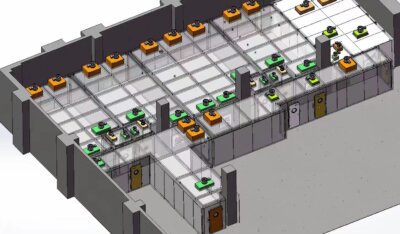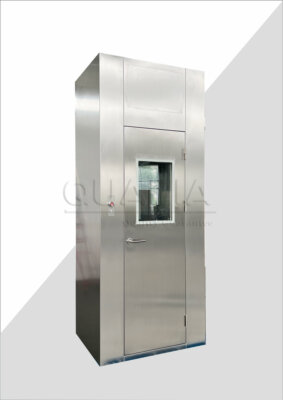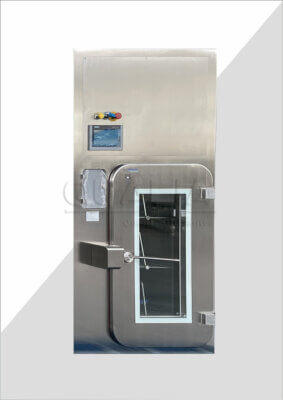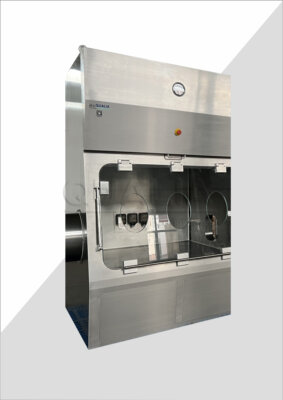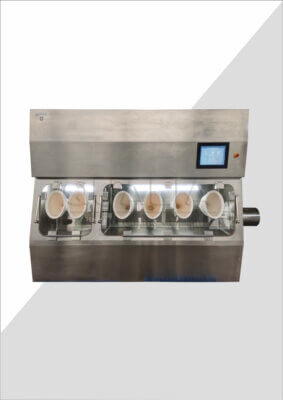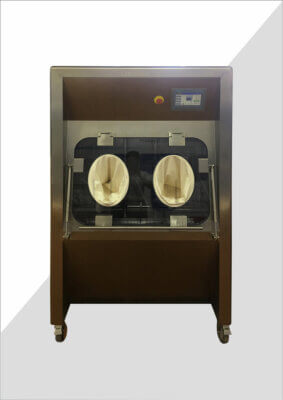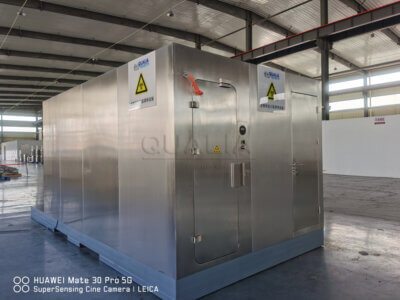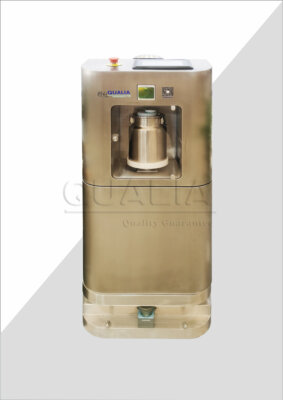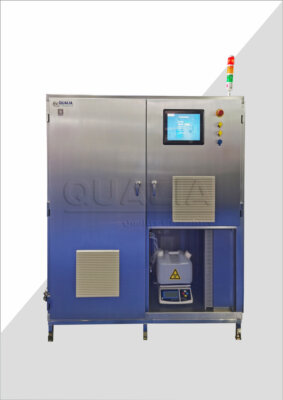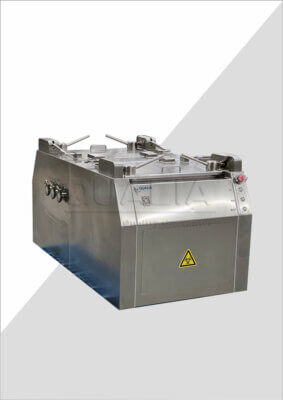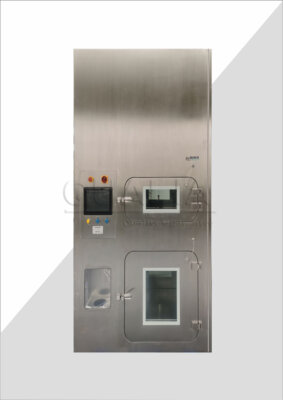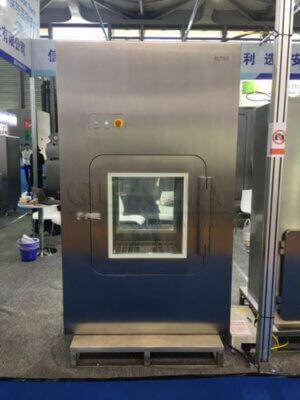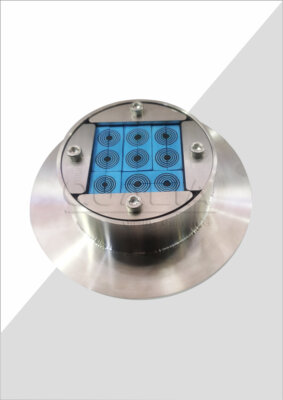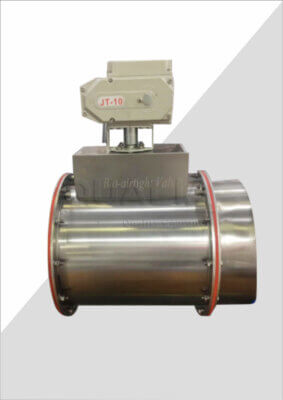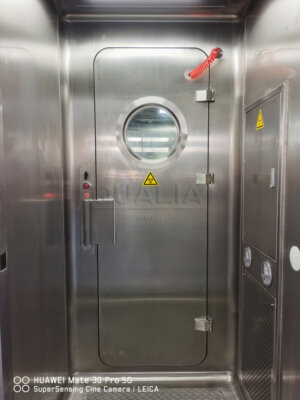
For pharmaceutical engineers and facility managers, the closed transfer of OEB 5 powders presents a persistent technical and safety challenge. Traditional methods often introduce unacceptable exposure risks during connection and disconnection, forcing a compromise between operator safety, process flexibility, and validation overhead. Selecting the wrong transfer technology can lock a facility into rigid, costly, or unsafe workflows, particularly when scaling potent compound manufacturing or retrofitting multi-purpose plants.
The industry’s shift towards higher potency APIs and advanced therapies demands containment solutions that are not only proven but also adaptable. A Split Butterfly Valve (SBV) system represents a mature engineering answer, yet its successful implementation hinges on a nuanced understanding of its design principles, integration requirements, and strategic trade-offs beyond simple containment claims.
What Is a Split Butterfly Valve (SBV) System?
Defining the Core Function
A Split Butterfly Valve (SBV) system is a high-containment mechanical interface designed for the safe, closed transfer of potent powders between process steps. It directly addresses the critical need to maintain operator exposure levels below 1 µg/m³, the threshold for Occupational Exposure Band (OEB) 5 materials. The system’s primary function is to create a secure, leak-tight bridge between mobile containers and fixed equipment—such as from a dispensing isolator to a reactor or between blenders—without releasing airborne particulates.
The Mobile-to-Stationary Bridge
The fundamental innovation of an SBV is its role as a standardized connection point that physically decouples containers from fixed plant infrastructure. This design enables flexible, multi-product manufacturing campaigns by eliminating the need for dedicated, hard-piped transfer lines for each material pathway. In our experience evaluating retrofits, this standardization is the key driver for adoption in existing multipurpose facilities, as it allows for the introduction of high-containment technology without a complete facility redesign. The system effectively turns a variable, high-risk manual operation into a repeatable, engineered process.
Application Scope and Strategic Value
While born from potent compound handling, the application of SBV systems is expanding. They are now specified not only for operator protection but also to ensure sterility, prevent cross-contamination in multi-product facilities, and protect high-value products in cell and gene therapies. This evolution positions the SBV not just as a safety device, but as a holistic quality-enabling platform critical for modern pharmaceutical manufacturing standards.
Core Design and Operating Principle of SBV Systems
The Split-Half Architecture
The core of an SBV system is its physical separation into two independent halves: an active (alpha) unit and a passive (beta) unit. Each half contains one segment of a split disc and forms its own primary seal, maintaining containment integrity on both sides of the interface whether connected or not. During docking, the halves align precisely, allowing the disc segments to function as a single butterfly valve, opening a contained pathway for powder flow. Upon completion, the valve closes, the halves separate, and containment is instantly re-established at both the source and destination vessels.
The Critical Role of the Accessory Ecosystem
The valve mechanism itself, while precise, is only one component of a functional system. Its reliable OEB 5 performance in a production environment is heavily dependent on a supporting ecosystem of accessories. Mechanical or pneumatic docking arms, compensators to accommodate vessel misalignment, and specialized frames are not optional extras but essential for achieving the repeatable and ergonomic connections required for daily use. A common oversight is underestimating the integration complexity of these components, which can compromise the validated containment performance if not properly engineered.
Ensuring Reliable and Ergonomic Operation
The docking procedure must be both fail-safe and operator-friendly. This often necessitates integrated lift tables, trolleys, or manipulators to handle the weight of loaded containers and ensure precise, strain-free alignment. The design of the docking mechanism—whether manual, assisted, or fully automated—directly impacts operational efficiency and reduces the potential for human error that could breach containment during the connection sequence.
Technical Specifications for OEB 5 Containment
Validated Performance as a Benchmark
A specification of “OEB 5 capable” is a starting point, not a guarantee. Validated systems are designed to maintain operator exposure levels below 1 µg/m³, with leading systems demonstrating achievable levels as low as 0.37 µg/m³ in standardized testing. Procurement must involve scrutiny of the specific validation protocol (e.g., surrogate powder used, testing conditions) and data provided by the vendor. Performance is a function of seal integrity, mechanical precision, and proper docking, not merely an advertised claim.
Materials Dictating Application Scope
Construction materials are a strategic gatekeeper for application suitability. Valve bodies and components are typically manufactured from 316L stainless steel or high-performance alloys like Hastelloy C-22 for superior corrosion resistance. Seal materials, most commonly fully fluorinated perfluoroelastomer (FFKM), must be selected for compliance with specific APIs, solvents, and process temperatures. This material selection enables operation in aggressive chemical environments and CIP/SIP cycles, extending the system’s utility beyond basic powder containment.
The following table outlines the critical specifications that define a system’s capability for OEB 5 applications:
Key Performance and Material Parameters
| 성능 매개변수 | Target Value / Specification | Key Material / Component |
|---|---|---|
| 운영자 노출 제한 | < 1 µg/m³ | Validated system performance |
| Achievable Exposure Level | As low as 0.37 µg/m³ | Precision seal integrity |
| Valve Construction Material | Stainless steel, Hastelloy C-22 | 내식성 |
| 씰 재질 | Fully fluorinated perfluoroelastomer (FFKM) | Chemical/temperature compliance |
Source: ASME BPE-2022 Bioprocessing Equipment. This standard establishes critical requirements for the hygienic design, materials, and fabrication of bioprocessing equipment like SBVs, directly governing the material selection and construction needed to achieve and maintain OEB 5 containment integrity.
Design and Fabrication Standards
Adherence to recognized standards is non-negotiable. The ASME BPE-2022 Bioprocessing Equipment standard provides the foundational framework for hygienic design, surface finishes, and fabrication practices. Furthermore, installation within cleanrooms classified per ISO 14644-1:2015 클린룸 및 관련 통제 환경 is standard practice to control the external environment and support the overall containment strategy.
Integrating SBV Systems with Process Equipment
Fixed and Mobile Element Configuration
Successful integration hinges on a clear division between fixed and mobile elements. The active valve half is permanently installed on stationary equipment points—reactor manways, isolator outlets, or blender inlets. The passive half is mounted to a mobile container, which can be a rigid intermediate container (RIC) or a single-use flexible bag assembly. This configuration creates a flexible “plug-and-play” transfer network within the facility, where multiple source and destination points can share standardized mobile units.
The Single-Use versus Reusable Decision
The choice between single-use and reusable containers represents a major strategic trade-off. Single-use components eliminate cleaning validation and cross-contamination risks, shifting costs from capital-intensive CIP systems to operational consumables. This favors flexibility and speed in R&D and multi-product facilities. Reusable systems, while requiring validated cleaning cycles, offer lower long-term material costs for dedicated, high-volume production lines. The decision fundamentally alters the facility’s operational and cost structure.
Beyond Containment: Integrated Process Goals
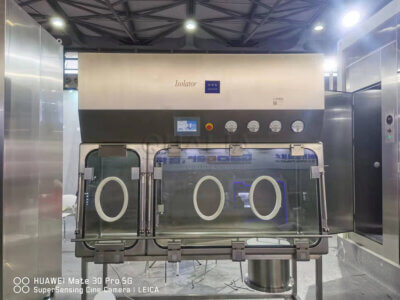
Modern integration looks beyond operator exposure. SBV systems are increasingly engineered to support broader goals like sterility assurance and product protection. This means considering the entire transfer pathway’s cleanability or disposability, its compatibility with inert gas purging for oxygen-sensitive compounds, and its ability to be integrated with weight-based dispensing controls. This holistic view is essential for platforms like the OEB4/OEB5 high-containment isolator, where the SBV acts as the critical interface between the isolator and downstream processing.
Key Implementation and Validation Considerations
Process Compatibility and Ergonomic Assessment
Implementation begins with a thorough process compatibility review that extends beyond basic containment. Assessments must cover specific API characteristics, solvent exposure, and operational temperature ranges to select appropriate alloys and elastomers. Concurrently, an ergonomic analysis is crucial. The physical docking process, the weight of loaded containers, and the need for precise alignment often mandate auxiliary equipment like height-adjustable lift tables or articulated docking arms to ensure safe and repeatable operator use.
The Centrality of Cleaning Validation
For reusable systems, cleanability is a paramount concern. The design must support effective Cleaning-in-Place (CIP) or manual cleaning, with a focus on eliminating dead legs and ensuring complete drainage. The subsequent cleaning validation—demonstrating the removal of API residues to acceptable limits—is a significant and recurring resource expenditure. This validation burden is a primary reason many organizations opt for single-use solutions, despite higher consumable costs.
System Performance Qualification
The entire closed transfer system—the valve, container, and docking process—must be validated as an integrated unit. This is typically achieved through surrogate powder testing (e.g., lactose with a fluorescent tracer) under simulated worst-case process conditions. This underscores a critical market differentiator: vendors who offer deep application engineering and assume responsibility for delivering a validated, integrated solution significantly reduce the implementation risk and timeline for the end-user, capturing greater long-term customer loyalty.
Comparing SBV Systems to Alternative Transfer Methods
Mechanically Sealed vs. Liner-Based Containment
SBV systems offer a fundamentally different containment philosophy compared to alternatives. Their primary benefit is a proven, mechanically robust metal-to-elastomer seal at the connection point, which is the most critical exposure risk area. The split-valve design ensures containment is maintained before, during, and after the transfer connection. This contrasts sharply with methods that require breaking containment to attach a liner or open a drum flange.
Analysis of Common Alternatives
Traditional drum discharge with a liner bag often relies on manual tying and untying of bags, presenting a high risk of operator exposure. Continuous liner systems provide a sealed pathway but introduce risks of liner breach, tears, or incomplete sealing at the discharge point. SBV systems mitigate these specific risks through their positive mechanical seal, though they typically involve a higher initial capital investment.
The following comparison highlights the operational risk profiles of different transfer methodologies:
Operational Risk Profile Comparison
| 전송 방법 | Primary Containment Mechanism | Key Operational Risk |
|---|---|---|
| Split Butterfly Valve (SBV) | Mechanical split-disc seal | Minimal; pre/post-connection containment |
| Traditional Drum Discharge | Bag/liner, manual connection | High; breaking containment for attachment |
| 연속 라이너 시스템 | Sealed liner pathway | Moderate; potential liner breach |
Source: Technical documentation and industry specifications.
Evolving Market and Value Considerations
The market is experiencing a shift from performance-only competition to value-based competition. New entrants are offering systems with claimed OEB 5 performance at significantly lower price points. This price disruption gives buyers increased leverage and may accelerate the adoption of high-containment technology beyond traditional potent compound applications into areas with high product-value concerns, such as biologics or advanced therapy intermediates.
Selecting the Right SBV System for Your Application
Foundational Technical Requirements
Selection starts with confirming non-negotiable technical requirements. First, obtain and review validated OEB 5 performance data specific to your intended use case and surrogate material. Second, conduct a formal material compatibility assessment for your process chemistry to dictate the necessary alloy and elastomer grades. Third, define the required valve size (DN50 to DN250) based on powder flow characteristics and equipment connections.
Strategic Financial and Operational Trade-offs
The choice between reusable and single-use systems is a strategic financial decision that balances upfront capital expense against long-term operational cost and complexity. Reusable systems incur lower consumable costs but require capital for CIP systems and ongoing validation resources. Single-use systems simplify operations and validation but introduce recurring material costs and waste management considerations. The right choice depends on product campaign frequency, facility flexibility needs, and internal resource allocation.
The decision framework can be structured around several key criteria:
Selection Criteria and Strategic Impact
| 선택 기준 | Key Consideration / Range | Strategic Implication |
|---|---|---|
| Validated Performance | OEB 5 (<1 µg/m³) data | Confirms application suitability |
| 재료 호환성 | API, solvent, temperature resistance | Dictates alloy/elastomer choice |
| 시스템 유형 | Reusable vs. Single-Use | Capital vs. operational cost balance |
| Retrofit Capability | DN50 to DN250 size range | Enables incremental facility upgrades |
Source: ASME BPE-2022 Bioprocessing Equipment. The standard’s guidelines on materials, surface finishes, and design for cleanability are essential for evaluating SBV system compatibility with specific process chemistries and for supporting validation in retrofitted or multi-product facilities.
The Importance of Retrofit Capability
For most established manufacturers and CDMOs, the ability to retrofit an SBV system into existing reactor manways, isolators, or blender ports is a primary adoption driver. This retrofittability allows for a phased, capital-efficient upgrade of containment capabilities, enabling a facility to enter the potent compound market without a complete greenfield rebuild. Compatibility with existing plant infrastructure is as important as the valve’s standalone performance.
Maintenance, Cleaning, and Lifecycle Management
Diverging Paths for Reusable and Single-Use Systems
Lifecycle management strategies diverge sharply based on the system type. For reusable SBVs with rigid containers, the focus is on preventive maintenance: scheduled seal inspections and replacements, verification of actuator function, and ongoing CIP validation to ensure cleanability. This represents a recurring commitment of engineering and quality assurance resources. For single-use systems, the lifecycle focus shifts to supply chain management for consumables, secure disposal protocols for contaminated components, and managing the recurring cost of goods.
Long-Term Cost Drivers and Trends
The long-term economic model is defined by different cost drivers. Reusable systems are driven by labor, utilities, and validation costs associated with cleaning. Single-use systems are driven by the volume-based cost of disposable assemblies and waste handling. The emergence of all-plastic, single-use high-containment valves mirrors the adoption curve in biopharmaceutical fluid handling, signaling a broader industry trend toward disposability for powders, which influences long-term facility design and waste strategy.
A clear understanding of the lifecycle focus is essential for total cost of ownership calculations:
Lifecycle Management Focus by System Type
| 시스템 유형 | Primary Lifecycle Focus | Long-term Cost Driver |
|---|---|---|
| Reusable SBV | Seal replacement, CIP validation | Cleaning validation resources |
| Single-Use SBV | Secure disposal protocols | Recurring consumable costs |
| All-Plastic Single-Use | Disposal, supply chain management | Material cost & waste strategy |
Source: Technical documentation and industry specifications.
Ensuring Sustained Performance and Integrity
Regardless of type, a successful lifecycle strategy must ensure the system’s containment integrity and operational reliability are maintained throughout its service life. This requires documented procedures, trained personnel, and a spare parts strategy for reusable systems. For all systems, it means protecting both personnel from exposure and the product from contamination or cross-contact, thereby safeguarding the entire manufacturing investment.
Implementing a Split Butterfly Valve system is not merely purchasing a component; it is adopting a new transfer protocol that impacts facility design, operational workflow, and quality systems. The decision hinges on aligning validated technical performance with strategic goals around flexibility, cost, and risk management. A successful outcome depends on treating the SBV as an integrated process system, not an isolated valve.
Need professional guidance on specifying and integrating a high-containment powder transfer solution for your facility? The engineering team at QUALIA specializes in the application of closed transfer technologies for potent compound manufacturing, from initial assessment through to validated implementation. Contact us to discuss your specific project requirements and containment challenges.
자주 묻는 질문
Q: How do you validate that an SBV system truly meets OEB 5 containment requirements?
A: Validation requires surrogate powder testing under simulated process conditions to confirm exposure levels remain below the 1 µg/m³ threshold. You must scrutinize the vendor’s specific test protocols and data, as “OEB 5” is a performance benchmark, not a guaranteed feature. For projects where operator safety is critical, plan to review third-party validation reports and ensure testing matches your actual material flow and docking procedures.
Q: What are the key differences between reusable and single-use SBV systems for lifecycle management?
A: Reusable systems demand rigorous cleaning validation, seal replacement schedules, and CIP capability, creating recurring operational costs. Single-use systems eliminate cleaning validation and cross-contamination risk but introduce recurring consumable expenses and secure disposal protocols. This means facilities with frequent product changeovers should prioritize single-use for operational agility, while high-volume, single-product campaigns may find reusable systems more economical long-term.
Q: Which technical standards are most relevant for specifying an SBV system in a regulated facility?
A: Equipment design must comply with ASME BPE-2022 for hygienic fabrication, while the cleanroom environment where it operates is classified per ISO 14644-1:2015. These standards govern material finishes, cleanability, and the controlled environment’s particle count. If your application involves sterile processing or advanced therapies, adherence to these standards is non-negotiable for audit readiness.
Q: How does the split-valve design principle actually maintain containment during powder transfer?
A: The system’s two independent halves each maintain a seal on their respective side—source and destination—before and after connection. Docking aligns the split disc to open a sealed pathway; undocking instantly re-establishes containment at both ends without exposure. This means the design inherently controls the major risk point of connection/disconnection, making it superior to methods that require breaking containment to attach a hose or liner.
Q: What factors determine material selection for SBV components in aggressive processes?
A: Material choice is dictated by chemical compatibility and temperature resistance, not just containment. Valve bodies often use Hastelloy C-22 for corrosion resistance, while seals are typically FFKM elastomers. This strategic selection acts as a gatekeeper, enabling use with potent compounds and solvents. If your process involves aggressive chemistry, you must verify material compatibility data extends beyond standard OEB 5 performance claims.
Q: Can SBV systems be retrofitted into existing multipurpose plant infrastructure?
A: Yes, a primary advantage is their retrofittability, as the active valve half installs on existing reactor manways or blender ports, creating a standardized connection point. Available sizes from DN50 to DN250 support this integration. This means CDMOs and established manufacturers can upgrade containment for potent compounds incrementally without a complete facility rebuild, protecting their capital investment.
Q: What role do accessories play in the real-world performance of an SBV system?
A: Accessories like docking mechanisms, compensators, and frames are essential, not optional, for achieving reliable and ergonomic connections in production. They ensure precise, repeatable alignment, which is fundamental to maintaining seal integrity and validated containment performance. For implementation, expect to evaluate the vendor’s integrated engineering support for these components to mitigate integration risk and ensure operator safety.
관련 콘텐츠:
- OEB 3 vs OEB 4 vs OEB 5: Equipment Requirements and Containment Strategy Differences
- 올바른 OEB 아이솔레이터를 선택하는 방법: 전문가 가이드
- How to Calculate Required Containment Level for API and HPAPI Using Toxicology Data
- What Are OEB Levels in Pharmaceutical Manufacturing and How Are They Determined?
- OEB Containment Systems for Pharmaceutical Manufacturing: Complete 2025 Implementation Guide from Level Selection to Validation
- OEB Level 1-5 Classification and Equipment Selection Matrix: Matching Hazard Bands to Containment Solutions
- 5가지 일반적인 OEB 아이솔레이터 실수와 이를 방지하는 방법
- 제약 제조의 OEB 격리기: 가이드
- Inflatable Seal Cycle Life vs Compression Seal Durability: Real-World Testing Data