
OEB Level Upgrade Decision Guide: When to Transition from Open Handling to Closed Systems

The decision to upgrade containment from open handling to closed systems for potent compounds is rarely straightforward. It involves navigating a complex matrix of regulatory thresholds, operational realities, and significant capital investment. Many facilities face this critical juncture when new toxicological data reclassifies a substance, or when scaling production increases exposure risk, forcing a reassessment of their current OEB 3 strategy against the stringent demands of OEB 4.

This transition represents more than an equipment purchase; it is a fundamental strategic shift in how risk is managed. Misjudging the timing or scope can lead to regulatory non-compliance, operational inefficiency, and stranded assets. A methodical, evidence-based approach is essential to justify the investment, minimize disruption, and ensure the new containment strategy is both compliant and operationally sustainable for the long term.

OEB 3 vs. OEB 4: The Critical Containment Threshold

Defining the Engineering Control Shift

The Occupational Exposure Band (OEB) system categorizes compounds based on their potency and associated health risks. The leap from OEB 3 to OEB 4 is not a linear progression but a categorical change in control philosophy. OEB 3 compounds, with occupational exposure limits (OELs) typically between 10-100 µg/m³, can often be managed through enhanced procedural controls. These include downflow booths, local exhaust ventilation, and rigorous personal protective equipment (PPE) protocols. The primary containment burden rests on human adherence to these procedures.

The Mandate for Physical Barriers

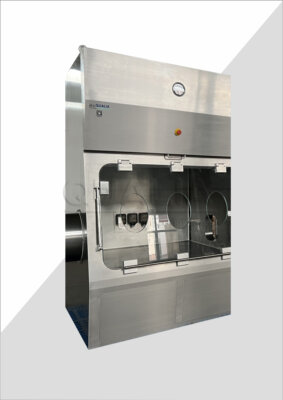
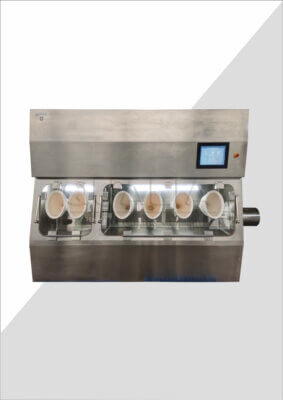
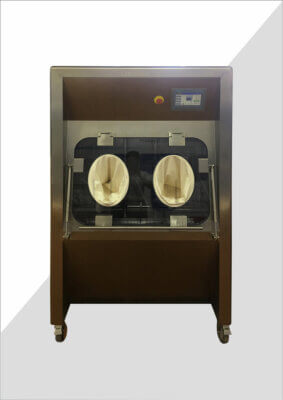
Crossing into OEB 4 territory, where OELs fall between 1-10 µg/m³, mandates a shift to primary engineering controls. Regulatory expectations crystallize around the use of closed systems—equipment where the product is not exposed to the room environment during processing. This threshold is critical because it reallocates the primary risk of operator exposure from variable, human-dependent procedures to validated, physical barriers. The specific OEL within this band dictates urgency; a compound at 1 µg/m³ demands closed technology far more immediately than one at 10 µg/m³.

Implications for Risk and Investment

This reclassification directly dictates financial and operational risk allocation. It shifts the capital cost burden from ongoing, variable procedural expenses to a significant, upfront engineering investment. The decision framework must therefore incorporate not just current compound data but also anticipate future pipeline products and potential OEL revisions based on emerging toxicological data.

Control PhilosophyTypical OEL Range (µg/m³)Primary Containment Method
OEB 310 – 100Enhanced open handling
OEB 41 – 10Mandatory closed systems
Critical Threshold~10 µg/m³Procedural to engineered shift

Source: ISPE Baseline Guide Volume 7: Risk-MaPP. This guide provides the science- and risk-based framework for defining control strategies, including the engineering and procedural controls appropriate for different potency bands, which directly informs the OEB 3 to OEB 4 transition decision.

Total Cost Analysis: Open Handling vs. Closed Systems

Unpacking the Capital Expenditure Myth

The upfront price tag of a closed system is often the primary deterrent. However, a true total cost of ownership (TCO) analysis reveals a different financial picture. While closed systems require higher initial capital expenditure, this investment mitigates substantial and often hidden recurring costs associated with open handling. The capital cost for closed technology is a fixed, depreciable asset, whereas the costs of open systems are variable and perpetual.

Calculating Recurring and Hidden Costs

For open handling, recurring expenses are significant and multifaceted. They include extensive, high-grade PPE procurement and disposal, rigorous environmental monitoring programs, and prolonged cleaning and validation cycles between product campaigns. Furthermore, the risk and cost of downtime due to a contamination event or an excursion above the OEL can be substantial. In multi-product facilities, the complexity and cost of cleaning validation for open systems escalate dramatically.

The Strategic Value of Future-Proofing

Investing in a closed system is a strategic hedge against future liabilities. It protects against regulatory tightening, which can render open-handling strategies non-compliant overnight. It also mitigates the risk of a product’s OEB being upgraded based on new data, which would force an emergency and likely more costly retrofit. The long-term operational predictability and reduced validation overhead often justify the initial investment.

비용 범주오픈 핸들링Closed Systems
Capital Expenditure낮음에서 보통높은 초기 투자 비용
Recurring CostsHigh (PPE, monitoring)Dramatically reduced
청소 유효성 검사Complex, high costSimplified, lower cost
Downtime RiskHigh (contamination events)Predictable scheduling
Future LiabilityHigh (regulatory risk)Strategic compliance hedge

Source: Technical documentation and industry specifications.

Operational Performance and Efficiency Compared

The Time Cost of Procedural Controls

Operational paradigms differ drastically. Open handling efficiency is frequently constrained by non-value-added time: lengthy gowning and de-gowning procedures, mandatory air clearance times after operations, and extensive post-campaign cleaning. These steps directly reduce equipment utilization and extend campaign timelines. In my experience, teams often underestimate the cumulative impact of these procedural delays on annual throughput.

Predictability Through Engineering

Closed systems, once validated, enable more predictable scheduling and faster product changeovers. By containing the material within a sealed environment, they eliminate the need for room air clearance and drastically reduce cross-contamination risk, streamlining the transition between campaigns. Operational staff can focus on monitoring and control rather than extensive PPE protocols.

The Integrity of the Integrated System

However, this efficiency is wholly contingent on holistic system validation. The performance of a closed processing train is only as robust as its weakest interfaced component. A failure in an ancillary support system—like a dust extraction unit or a HEPA filter—can halt the entire line. Therefore, operational reliability depends on integrated design and validation from the outset, not on assembling individual pieces of equipment.

운영 메트릭오픈 핸들링Closed Systems
Gowning/De-gowning TimeLengthy, frequentMinimal, reduced
Product Changeover SpeedSlower (air clearance)Faster, more predictable
Cleaning Validation CyclesProlonged간소화
System Performance DriverProcedural adherenceIntegrated component validation
Throughput ConstraintHuman-dependent proceduresWeakest interfaced component

Source: ISO 14644-7: Separative devices. This standard specifies requirements for isolators and minienvironments, which are core closed system technologies, and their testing, directly impacting the validation and reliable performance metrics compared to open handling.

Which Unit Operations Require a Closed System First?

Prioritizing by Dust Generation Potential

A risk-based implementation roadmap begins with identifying which unit operations generate the highest exposure risk. This prioritization must be informed by actual process characterization data, not theoretical assumptions. High-risk steps are those that create fine, airborne particulates and involve direct operator interaction with open powder.

High-Risk Operations Demanding Immediate Closure

Active Pharmaceutical Ingredient (API) charging into a reactor or blender is typically the highest-priority operation, as it involves handling raw, often dusty powder. Dry milling or micronization, which deliberately reduces particle size, is another critical step. Similarly, dry granulation and powder blending operations have high dust generation potential and should be addressed early in any upgrade plan.

Lower-Risk Candidates for Phased Approach

Conversely, some operations present lower immediate risk. Tablet coating, for instance, typically involves a contained pan and liquid application, generating less airborne dust. Packaging of finished, coated tablets also presents minimal exposure risk and can often remain under enhanced open controls until later phases. This phased approach manages capital outlay and operational disruption effectively.

Risk Priority유닛 작동Rationale for Priority
Highest (First)API ChargingDirect exposure to raw powder
Highest (First)Milling / MicronizationCreates fine, airborne particulates
Highest (First)Dry Granulation / BlendingHigh dust generation potential
Lower (Phased)Tablet CoatingLower dust risk, contained process
Lower (Phased)Finished Product PackagingMinimal exposure risk

Source: ISPE Baseline Guide Volume 7: Risk-MaPP. The Risk-MaPP methodology is used to perform a detailed risk assessment to identify and prioritize critical exposure gaps in unit operations, forming the basis for this phased implementation sequence.

Validating Your Integrated Containment Strategy

Moving Beyond Isolated Qualification

Validation is the non-negotiable cornerstone of a closed system strategy. A common mistake is focusing solely on the qualification (DQ/IQ/OQ) of individual pieces of equipment. This is necessary but insufficient. Regulatory compliance requires proof that the integrated process train maintains the target containment level (e.g., OEB 4) under all operational conditions, including transfer, processing, sampling, and maintenance.

Proving Holistic Containment Integrity

The validation package must demonstrate containment integrity across all interconnected components. This means testing not just the isolator or split valve, but the entire pathway—from the charging port through the processor to the contained discharge system. The holistic assessment requirement fundamentally changes procurement; suppliers must provide evidence of their equipment’s performance within a system context, not in isolation.

Embedding Validation in the URS

The strategic implication is clear: validation planning cannot be an afterthought. It must begin during the User Requirements Specification (URS) phase. The URS must include clear, measurable acceptance criteria for the entire production line as a single containment entity. This upfront clarity prevents costly gaps and ensures the selected technology can meet the integrated performance standard.

Validation Scope주요 요구 사항Strategic Implication
Isolated EquipmentQualification (DQ/IQ/OQ)Necessary but insufficient alone
Integrated Process TrainHolistic containment integrityRequired for regulatory compliance
Critical OperationsTransfer, processing, samplingMust maintain target OEB
Supplier EvidenceSystem-context performance dataMandatory during procurement
승인 기준Defined in URS phaseEnsures line as single entity

Source: ISO 10648-2: Containment enclosures classification. This standard establishes leak-tightness classifications and test methods for containment enclosures, providing the foundational verification methodology required for validating integrated closed systems.

Staffing, Training, and Procedural Impacts

Cultivating a New Operational Mindset

Transitioning to closed systems necessitates a cultural shift on the production floor. Staff must move from a hands-on, visually oriented operational model to one that relies on remote monitoring, indirect observation through sight glasses, and automated control systems. This change can be challenging for experienced operators accustomed to tactile feedback and direct visual inspection.

Rewriting the Procedural Playbook

Updated Standard Operating Procedures (SOPs) are critical. They must detail new, often more precise, workflows for material addition, in-process sampling, and equipment assembly/disassembly that preserve system integrity. Every procedural step that breaches the closed system—even for maintenance—becomes a critical control point with severe consequences if performed incorrectly.

Focusing Training on Critical Interventions

While closed systems reduce direct exposure risk during normal operation, they increase the consequence of human error during maintenance and intervention, when the system is most vulnerable. Therefore, training programs must be comprehensive, hands-on where possible, and reinforced regularly. They must emphasize the “why” behind the new procedures to embed a culture of containment integrity.

Phased Implementation: A Risk-Based Roadmap

Initiating with a Formal Gap Analysis

A successful upgrade follows a phased, risk-based roadmap to manage capital and disruption. The journey begins with a detailed gap analysis against a standard like ISPE Baseline Guide Volume 7: Risk-MaPP. This analysis identifies and quantifies the specific containment gaps in your current facility for the target OEB level.

Sequencing the Capital Deployment

The first phase should address the single highest-risk unit operation identified, such as implementing a closed charging system for potent API. This delivers immediate risk reduction and allows the organization to build competency. Subsequent phases can then integrate ancillary support systems and address lower-risk unit operations, spreading the capital investment over multiple budget cycles.

Aligning with Operational Cadence

Strategic timing is crucial. The implementation schedule must align with internal capital approval cycles and, more importantly, with production campaign schedules. Upgrades should be planned during natural downtime or between campaigns to minimize impact on revenue-generating operations. Just as regulatory filings are sequenced, the implementation should be staged to ensure a smooth transition.

Final Selection Criteria for Your Facility

Building a Multi-Dimensional Decision Matrix

The final vendor and technology selection should be guided by a decision matrix that extends beyond technical compliance. Key criteria must be weighted based on your facility’s specific context. The compound’s specific OEL and dustiness profile dictate the technical performance required. The availability of pre-validated, closed solutions for your specific unit operations significantly reduces implementation risk and time.

Evaluating Vendor and Lifecycle Factors

Vendor capability is paramount. Can they provide holistic support and evidence for integrated system validation? The facility’s product portfolio and campaign frequency influence the cost-benefit analysis; a multi-product CMO will benefit more from simplified changeovers than a dedicated single-product facility. Total lifecycle cost, including maintenance, parts, and vendor support, must be modeled.

Incorporating Strategic and Regulatory Foresight

For new products, designing into a closed system from clinical stages is the most efficient path. For existing products, the driver is often new toxicological data. Decision-makers must also incorporate a political and regulatory risk analysis. The selected strategy should demonstrate alignment with overarching safety trends, such as those emphasized in the EU GMP 부속서 1 concept of a Contamination Control Strategy, ensuring the investment remains viable amidst evolving global standards.

Decision Criteria주요 고려 사항Impact on Strategy
Compound ProfileSpecific OEL, dustinessDictates containment urgency
Technology & VendorPre-validated, holistic supportReduces implementation overhead
Facility PortfolioProduct mix, campaign frequencyInfluences cost-benefit analysis
Lifecycle StageNew product vs. existing upgradeClinical-stage design is optimal
Regulatory RiskAlignment with safety trendsEnsures long-term investment viability

Source: EU GMP Annex 1: Manufacture of Sterile Medicinal Products (2022). The annex’s emphasis on a holistic Contamination Control Strategy (CCS) and quality risk management provides the overarching regulatory framework that final facility selection criteria must satisfy.

The transition from open handling to closed systems is a definitive step-change in managing potent compound manufacturing. The decision hinges on a clear understanding of the OEB 4 mandate, a rigorous total cost of ownership analysis, and a commitment to validating the entire process train as an integrated system. Prioritizing high-dust unit operations like API charging and milling for initial closure, while managing the cultural and procedural shift among staff, forms the core of a successful implementation.

A phased, risk-based roadmap is essential to balance compliance needs with operational and financial realities. The final technology selection must satisfy not only today’s technical requirements but also demonstrate alignment with evolving regulatory expectations for holistic contamination control. Need professional guidance to navigate your specific OEB level upgrade and implement a validated, efficient closed powder handling system? The experts at QUALIA can help you build a risk-based strategy and select the right integrated containment solutions for your facility.

자주 묻는 질문

Q: How do you determine if a compound at OEB 4 absolutely requires a closed system?
A: The requirement is not automatic; it depends on the specific occupational exposure limit (OEL) within the 1-10 µg/m³ band. A substance at the low end (e.g., 1 µg/m³) demands closed technology more urgently than one at 10 µg/m³. This classification shifts the primary exposure risk from procedural controls to engineered barriers. This means facilities handling compounds with OELs below 5 µg/m³ should prioritize closed system investment to meet the fundamental containment philosophy for high-potency materials.

Q: What are the hidden long-term costs of sticking with open handling for potent compounds?
A: Beyond capital, open systems incur substantial recurring costs for extensive personal protective equipment (PPE), rigorous environmental monitoring, and prolonged cleaning and validation cycles. They also carry the risk of operational downtime from contamination events. A comprehensive total cost analysis must account for these factors, as well as the strategic risk of future regulatory mandates forcing an emergency upgrade. For projects where product portfolios or toxicological data may change, plan for the higher total lifecycle cost and operational liability of open handling.

Q: How should we prioritize which unit operations to transition first in a phased containment upgrade?
A: Use a risk-based approach, prioritizing steps with the highest potential for dust generation and operator exposure. These typically include active pharmaceutical ingredient (API) charging, milling, dry granulation, and powder blending. Lower-risk steps like tablet coating can follow in later phases. This prioritization must be informed by actual process characterization data. Facilities with multi-product campaigns should therefore start their roadmap by implementing closed technology for these high-risk powder handling operations to mitigate the greatest exposure hazard first.

Q: What is the critical flaw in validating a closed containment system piece by piece?
A: Isolated equipment qualification is insufficient because it fails to prove containment integrity across the entire integrated process train during material transfer, processing, and sampling. Validation must demonstrate the system maintains the target OEB level under all operational conditions as a single containment entity. This holistic assessment requirement is central to a successful strategy. If your operation requires handling OEB 4 materials, plan validation from the User Requirements Specification (URS) phase with acceptance criteria for the whole production line, not individual components.

Q: What staffing and procedural changes are needed when moving from open to closed handling?
A: The shift requires moving staff from a hands-on, visual operational model to one relying on remote monitoring, indirect observation via sight glasses, and automated controls. Updated Standard Operating Procedures (SOPs) must detail new, integrity-preserving workflows for material addition, sampling, and maintenance. Training must emphasize the severe consequences of breaching containment during interventions. This means facilities implementing closed systems should budget for comprehensive, recurrent training programs to embed new safety protocols and address the increased consequence of human error during maintenance.

Q: How do industry standards like ISO 10648-2 support the validation of closed containment systems?
A: Standards such as ISO 10648-2 provide a critical framework by establishing a classification system for containment enclosures based on leak tightness and defining associated test methods for verification. This offers a standardized, measurable basis for proving the physical integrity of isolators or gloveboxes. For projects requiring demonstrable containment, you should specify that equipment procurement and validation protocols align with this standard’s leak-tightness classes and checking methods.

Q: What is the role of a risk-based guide like ISPE Risk-MaPP in planning a containment upgrade?
A: A guide such as ISPE Risk-MaPP provides a science- and risk-based methodology for managing cross-contamination, which is directly applicable to defining a containment control strategy. It helps facilities conduct a detailed gap analysis to identify and prioritize critical exposure risks across different unit operations. This means for a phased implementation roadmap, you should use its principles from the outset to systematically allocate resources to the highest-risk areas, ensuring an efficient and compliant upgrade path.

Picture of Barry Liu

Barry Liu

Hi, I'm Barry Liu. I've spent the past 15 years helping laboratories work safer through better biosafety equipment practices. As a certified biosafety cabinet specialist, I've conducted over 200 on-site certifications across pharmaceutical, research, and healthcare facilities throughout the Asia-Pacific region.

ko_KRKO
위로 스크롤
OSHA Regulations for Biosafety Cabinets Explained | qualia logo 1

지금 문의

직접 문의하세요: [email protected]