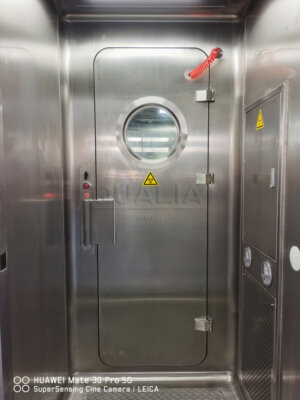
고격리 환경에서 발생하는 도어 제어 오류는 인증 단계에 이르기 전까지는 오류로 드러나지 않는 경우가 드물다. 더 흔한 패턴은 공장 시연 단계를 통과할 수 있을 만큼 문 위치 입력값과 인터록 논리를 충분히 상세하게 정의한 URS(설계 사양서)가, 잠금 해제가 실제로 안전한 시점을 결정하는 압력 캐스케이드 설정값을 누락한 경우입니다. 이러한 누락은 벤치탑 논리 테스트 단계에서는 드러나지 않다가, 시운전된 공기 처리 시스템이 실제 문 씰, 실제 실 내 누출률, 그리고 설치된 외피의 물리적 압력 감쇠 특성과 상호작용하는 SAT(현장 수용 테스트) 단계에서 비로소 드러납니다. 이 시점에서 프로젝트 담당자들은 일정 압박 속에서 문서화되지 않은 편차를 수용할지, 아니면 URS로 돌아가 수정 절차를 밟아 입주 자격 심사 일정을 지연시킬지 선택의 기로에 서게 됩니다. 이러한 결과를 방지하기 위한 결정은 URS 단계에서 내려지며, 본 기사는 생물안전 담당자, 품질 보증(QA) 팀, 엔지니어링 책임자들이 향후 자격 심사 과정에서 위험 요인이 될 가능성이 가장 높은 사양상의 누락 사항을 파악하는 데 도움을 드리기 위해 작성되었습니다.
도어 제어를 위한 격리 상태 입력
도어 위치 감지는 격리실 도어 제어 URS 문서에서 가장 흔히 명시되는 입력 사항이지만, 그 자체만으로는 가장 불충분한 요소이기도 합니다. 문 위치 신호는 제어 시스템에 문이 물리적으로 열려 있는지 닫혀 있는지만 알려줄 뿐입니다. 이 신호는 격납 경계가 온전한지, 압력 계단이 안정적인지, 또는 해당 문을 여는 것이 안전한지에 대한 정보는 제공하지 않습니다. 잠금 해제 허용 논리의 주요 입력으로 문 위치에만 의존하는 URS는 설치된 상태에서만 드러나는 여러 측면에서 불완전합니다.
BSL-3/4 환경에서 문이 안전하게 작동하도록 실제로 제어하는 격리 상태 입력값에는 실 간 압력 차, 에어록 압력 구배 설정값, 씰 또는 개스킷 상태, 비상 해제 작동 상태, 그리고 송풍기 고장이나 HEPA 필터 차압 이상과 같은 상류 경보 상태가 포함됩니다. –10~–30 Pa 범위의 실 간 압력 차이는 BSL-3/4 상용 지침에서 압력 캐스케이드 설계를 위한 계획 기준으로 흔히 참조되는데, 이는 보편적인 규제 기준치는 아니지만, 도어 허용 로직이 작동해야 하는 설계 범위를 반영합니다. URS에 도어 잠금이 해제되기 전에 확인해야 하는 압력 설정값이 명시되어 있지 않은 경우, 제어 시스템은 정상적인 캐스케이드와 성능이 저하된 캐스케이드를 구별할 근거가 없습니다.
에어록 구배 입력은 추가적인 복잡성을 초래합니다. 다중 도어 에어록의 경우, 각 단계에서 청정 구역에서 오염 구역으로의 일방적인 흐름이 유지되도록 신중하게 정의된 설정값이 필요합니다. 제어 로직은 이러한 구배를 단순히 개별 구역의 측정값이 아닌 일련의 순서로 인식해야 합니다. URS(설계 요구 사항 사양서)에서 압력 모니터링을 명시하고 있지만, 구배 확인이 도어 개방 허용 로직에 어떻게 통합되는지 정의하지 않는다면, 결과적으로 설계는 이를 읽는 엔지니어에 따라 요구 사항을 다르게 해석하게 될 것입니다. 이러한 모호성은 DQ(설계 품질) 격차로 이어집니다.
| 입력 매개변수 | 왜 봉쇄에 중요한가 | 일반적인 요구 사항 / 값 |
|---|---|---|
| 문 상태 (열림/닫힘) | 에어록에서 반대 방향의 문이 열리는 것을 방지하여 일방향 기류를 유지합니다. | 인터록 로직은 반대편 문이 동시에 열리는 것을 방지해야 합니다. |
| 씰/개스킷 상태 | 차단 장치의 기밀성을 보장하며, 누출은 압력 계통에 문제를 일으킵니다. | 도어 허용 논리에 연동된 상태 신호(밀폐/비밀폐) |
| 방 간 압력 차이 | 공기를 청정 구역에서 오염 구역으로 이동시키고, 핵심 격리 계단식 시스템을 구성합니다. | –10~–30 Pa의 압력 차 (BSL-3/4 실 간) |
| 에어록의 압력 구배 | 다중 도어 에어록 단계 내에서 깨끗한 쪽에서 오염된 쪽으로의 흐름이 유지됩니다. | 신중하게 설계된 설정값; 유량은 항상 깨끗한 쪽에서 더러운 쪽으로 흐르도록 합니다. |
| 비상 해제 작동 | 긴급 상황 시 수동으로 우회할 수 있도록 허용하며, 반드시 추적해야 함 | 이산 입력; 경보를 발령하고 도어 인터록 상태를 변경합니다. |
| 경보 조건 입력(압력 손실, 송풍기 고장 등) | 격리 경보를 발령하며, 안전 로직에 따라 문을 잠그거나 해제할 수 있습니다. | 음압 상실, 팬 고장, HEPA 압력 편차 |
비상 해제 및 경보 상태 입력은 단순한 오버라이드 트리거가 아닌, 독립적인 논리 상태로 명확히 다루어져야 합니다. URS에서는 비상 해제가 활성화되거나 상류 경보 상태가 발생했을 때 도어 인터록 동작이 어떻게 변경되는지 정의해야 합니다. 즉, 도어가 잠기게 될지, 대피를 위해 해제될지, 아니면 현재 상태를 유지하게 될지는 구체적인 위험 시나리오에 따라 달라집니다. 이를 정의하지 않은 채로 두면, 시스템 통합업체가 문서화된 근거 없이 해당 결정을 내리게 됩니다.
출력, 표시기, 잠금 장치, 경보 및 원격 신호
출력 사항을 명시하는 단계에서 많은 URS 문서가 공학적 요구사항에서 단순한 희망 사항으로 변질되곤 합니다. “시스템은 적절한 경보를 제공해야 한다”거나 “문 상태가 운영자에게 표시되어야 한다”와 같은 문구는 검증할 수 없습니다. 출력 요구사항에 무엇이 표시되는지, 어디에 표시되는지, 무엇이 경보를 유발하는지, 해당 경보의 우선순위는 어떻게 되는지, 어떤 데이터가 기록되는지 등이 정의되어 있지 않다면, 그 사양은 작성된 것이 아니라 단지 미루어진 것에 불과합니다.
출력 모호성이 초래하는 결과는 단순한 외관상의 문제가 아닙니다. 압력 상태 및 도어 접근 허용 상태에 대한 시각적 표시기가 명시되지 않은 경우, 시스템 통합업체는 압력과의 상관관계 없이 도어 위치만 표시하는 패널 표시등을 제공할 수 있습니다. 이 경우 에어록에 접근하는 작업자는 진입을 시도하기 전에 압력 계통이 안정적인지 확인할 방법이 없습니다. 이는 단순한 불편함이 아니라, 정보 없이 격리 장벽에 대한 결정을 내리는 것과 같습니다. 마찬가지로, 도어 인터록 고장에 대한 경보 우선순위가 명시적으로 요구되지 않고 시설 경보 계층 구조 내에서 순위가 지정되지 않은 경우, 이러한 고장은 우선순위가 낮은 오경보와 동일한 수준으로 표시될 수 있습니다. BSL-3/4 에어록에서 도어 인터록 고장에 대한 대응이 지연되는 상황은 체계적인 경보 대응 절차 없이는 회복 불가능한 사태이며, 해당 절차는 경보가 제대로 감지되고 우선순위가 정확히 분류되는 것에 달려 있습니다.
추세 기록 기능이 포함된 연속 압력 모니터링은 문 제어 출력과 밀접한 관련이 있지만, 종종 문 제어 출력이 아닌 HVAC 모니터링 요건으로 취급되곤 합니다. 감사 및 조사 목적상, 이러한 구분 자체보다 더 중요한 것은 특정 문 관련 사건이 발생한 시점의 격리 상태를 입증하는 증거로서 해당 데이터가 수집되고, 타임스탬프가 기록되며, 검색 가능한지 여부입니다.
| 출력 요건 | 설명 | 제출하지 않을 경우의 결과 |
|---|---|---|
| 도어 인터록 논리 | 상반된 에어록 도어가 동시에 열리는 것을 방지합니다 | 공기 흐름 방향의 왜곡 및 오염 위험 |
| 시각적 상태 표시기 | 문 옆에 압력 상태와 출입 허가 상태를 표시합니다 | 운영자는 안전한 출입 여부를 확인할 수 없습니다. |
| 도어 인터록 고장에 대한 경보 우선순위 지정 | 압력, 팬 및 HEPA 경보와 함께 도어 인터록 오류를 경보 계층 구조에 통합합니다. | 중대한 도어 결함이 간과될 수 있으며, 이에 대한 시정 조치가 지연될 수 있습니다. |
| 추세 기록 기능을 갖춘 지속적인 압력 모니터링 | 비격리 구역 대비 각 방 간의 압력 차를 모니터링 및 기록하며, 경보 기능을 갖추고 있습니다. | 감사 기록 없음; 감지되지 않은 압력 편차; 격리 상태 증거 상실 |
빌딩 관리 시스템, 감독용 SCADA 계층 또는 중앙 경보 표시기로 전송되는 원격 신호 출력은 URS에서 명확하게 다루어야 합니다. 원격 신호가 필요한 경우, URS에서는 신호 유형, 신호를 트리거하는 조건, 허용 가능한 지연 시간, 그리고 해당 신호가 수신 시스템의 경보 확인 로직과 어떻게 연동되는지를 정의해야 합니다. 원격 신호의 범위를 통합 업체의 재량에 맡기면, 두 시스템이 각각 별도로 시운전된 후에는 해결하기 어려운 인터페이스상의 불일치가 발생하게 됩니다.
역할별 시간 제한 및 사유 기록 설정 무시
오버라이드 요건은 운영상의 유연성과 자동 안전 복귀 기능 간에 직접적인 상충 관계가 발생하는 부분이며, 대부분의 URS 문서는 이 문제를 다루지 않음으로써 이러한 상충을 회피하고 있습니다. ”승인된 담당자는 문서화된 근거가 있는 경우 도어 인터록을 오버라이드할 수 있다”와 같이 모호하게 작성된 오버라이드 조항은, 설계상으로는 규정을 준수하는 것처럼 보이지만 실제 운영상으로는 취약한 시스템을 만들어 냅니다.
첫 번째 문제는 역할의 구체성입니다. URS에서 어떤 사용자 역할이 오버라이드를 시작할 수 있는지 정의하지 않으면, 구현된 시스템은 일반적으로 해당 시설 내에서 가장 높은 접근 권한을 가진 사용자를 기본으로 설정하게 됩니다. 이는 비상 상황에서는 적절할 수 있지만, 일상적인 유지보수 우회 작업에는 적합하지 않습니다. 비상 오버라이드와 계획된 유지보수 우회 조치를 구분하지 않는 URS는 두 경우를 동일하게 취급하는 시스템을 생성하게 되며, 이로 인해 통제된 유지보수 기간과 운영상의 압박 하에 이루어진 무단 우회 조치 간에 감사상 차별화가 이루어지지 않게 됩니다.
시간 제한은 오버라이드를 영구적인 상태 변화에서 제한된 범위의 조치로 전환하는 메커니즘입니다. 최대 오버라이드 지속 시간이 정의되어 있지 않고 자동으로 정상 상태로 복귀하는 트리거가 없다면, 오버라이드는 무기한 지속될 수 있습니다. 특히 야간 근무 시나 오버라이드를 시작한 기술자가 오버라이드가 수동으로 해제되기 전에 해당 구역을 떠날 때 이러한 현상이 발생할 수 있습니다. URS(사용자 요구 사양서)에는 각 오버라이드 유형에 대해 허용되는 최대 지속 시간과 만료 시 시스템의 동작(경보 발생, 잠금 상태로 복귀, 능동적인 재확인 필요 여부 등)을 모두 정의해야 합니다. 이는 통합 업체가 제어 로직을 작성하기 전에 반드시 명시해야 하는 설계 결정 사항입니다.
사유 기록은 감사 추적의 구성 요소입니다. EudraLex 제4권 부록 11은 의약품 제조 분야의 전산화된 시스템이 시스템 상태 변경을 포함하여 사용자 행동에 대한 안전하고 타임스탬프가 포함된 감사 추적을 유지해야 한다는 원칙을 규정하고 있습니다. 사용자 신원, 타임스탬프, 사유 코드 및 지속 시간이 기록되지 않은 오버라이드는 격리 제어 기록에 대한 검사 시 적절하게 방어할 수 없습니다. ASTM E2500-25는 이를 위험 기반 검증의 계획 프레임워크 원칙으로 지지하고 있으나, 두 문서 모두 URS에서 정의해야 하는 구체적인 역할 세분화 수준이나 시간 제한 매개변수를 규정하고 있지는 않습니다. 이러한 결정은 프로젝트 팀의 몫이며, 바로 그 때문에 구현 관행에 맡기기보다는 URS에 명시적으로 규정되어야 합니다.
여기서 숨겨진 상충 관계는 안전성과 유연성 사이의 문제가 아니라, FAT 단계에서 테스트가 가능할 정도로 오버라이드 동작을 정밀하게 정의하는 URS와, 시스템이 가동되어 설치된 시스템 수준에서 동작이 협의될 때까지 그러한 결정을 미루는 URS 사이의 문제입니다. 그 시점이 되면, 시운전이 완료된 제어 시스템에 시간 제한 로직이나 이유 기록 필드를 사후에 추가하는 것은 단순한 구성 조정이 아니라 변경 관리 사항이 됩니다.
FAT 논리 테스트 대 SAT 구현된 동작
FAT-SAT의 차이는 격리실 문 제어 프로젝트에서 가장 지속적으로 과소평가되는 위험 요소 중 하나입니다. 공장 인수 시험(FAT)을 통해 시뮬레이션된 입력 조건 하에서 제어 로직이 올바르게 실행되는지 확인할 수 있습니다. 그러나 시운전된 HVAC 시스템이 생성하는 기류 조건 하에서 실제 실 외피, 실제 압력 변동, 실제 문 밀봉부와 상호작용할 때 해당 로직이 어떻게 작동하는지는 확인할 수 없습니다.
이 구분이 중요한 이유는 BSL-3/4 환경에서 도어 인터록 동작이 압력에 따라 달라지기 때문입니다. FAT(공장 출하 시험) 중 시뮬레이션된 –15 Pa의 압력 차에서 정상적으로 해제되는 도어 허용 신호도, 설치된 실의 누출률을 HVAC 시스템이 공급 압력 변동을 통해 보정하는 경우에는 다르게 동작할 수 있습니다. 밀봉 성능, 압력 하중 하에서의 도어 프레임 처짐, 인접한 문이 열릴 때의 과도 압력 반응 등은 모두 설치된 상태에서의 동작 특성입니다. 이러한 사항들은 공장 시험대에서 신뢰성 있게 시뮬레이션할 수 없으므로, URS(요구사항 사양서)는 각 단계에서 입증해야 할 사항을 명시함으로써 이러한 차이를 명확히 인정해야 합니다.
각 URS 조항에는 공장 제작이 시작되기 전에 정의된 시험 방법과 합격/불합격 기준이 명시되어 있어야 합니다. 이러한 내용이 장비가 현장에 도착할 때까지 미뤄지면, FAT는 검증 절차라기보다는 협상 절차로 전락하게 됩니다. 일정 압박으로 인해 URS에서 문서화되지 않은 편차가 용인되고, 자격 인증 기록에는 요구 사항이 아닌 실제로 시연된 내용만 반영됩니다. 이는 별개의 문서이며, 감사관이 URS와 FAT 프로토콜을 비교할 때 이러한 차이가 중대한 결과를 초래하게 됩니다.
| 테스트 단계 | 검증 범위 | URS는 반드시 정의해야 함 |
|---|---|---|
| FAT (공장 인도 검사) | 시뮬레이션된 입력 조건 하에서의 제어 로직, 인터록 시퀀스, 경보 동작 | 제조 시작 전 각 제어 상태에 대한 수용 기준, 정의된 시험 방법 및 합격/불합격 기준치 |
| SAT (현장 인수 테스트) | 설치된 압력 캐스케이드, 실제 공간에서의 문 작동 방식, 그리고 실제 환경에서의 격리 무결성 | 설치 상태에서의 압력 차, 도어 밀봉 성능 및 비상 해제 작동에 대한 기준 |
SAT는 시운전 완료된 시설의 실제 운영 조건 하에서 설치된 압력 계단, 실제 실 내 문 작동 상태 및 격리 무결성을 검증할 수 있도록 URS에 범위가 명시되어야 합니다. 즉, URS에는 문 개방 허용 신호가 유효해지기 전에 확인 및 유지되어야 하는 압력 차, 설치된 압력 하중 하에서 문 밀봉 성능을 확인하는 방법, 그리고 인터록이 압력 편차를 감지하고 이에 따라 문 잠금 상태를 변경하는 데 허용되는 응답 시간이 명시되어야 합니다. URS에 이러한 사양이 명시되어 있지 않으면, SAT 프로토콜은 합격 기준을 정의할 근거를 갖지 못하게 되며, 테스트는 요구 사항에 대한 검증이라기보다는 시스템이 어떤 기능을 수행하는지를 보여주는 시연에 그치게 됩니다.
공압식 밀봉 도어 시스템의 경우, SAT 압력 확인 범위에는 밀봉 작동 주기 시간과 작동 후 압력 안정화 기간이 반영되어야 합니다. 기계식 밀봉 시스템의 경우, 시설의 실제 도어 프레임 형상에 따른 설치 압축력을 고려해야 합니다. 시설 외피가 없는 상태에서는 FAT 단계에서 이러한 사항들을 검증할 수 없으므로, URS에서는 이러한 검증 항목을 SAT 단계에 명시적으로 배정해야 합니다.
테스트 케이스에 대한 URS 추적성
“문은 정상 및 고장 상태에서 밀폐 기능을 유지해야 한다”고 명시한 URS 조항은 바람직한 결과를 기술한 것입니다. 이는 설계 입력값, 제어 상태, 센서 유형, 설정값 또는 고장 모드를 기술한 것이 아닙니다. 이 조항은 시스템이 설치되었는지 여부 외에는 설계 인증 과정에서 검증할 사항을 전혀 제공하지 않습니다. 이는 설계 인증(DQ)이 아니라 단순히 납품 확인에 불과합니다.
URS 조항에서 테스트 케이스까지의 추적 가능성은 요구 사항을 검증 가능한 증거로 전환하는 메커니즘입니다. 각 요구 사항은 테스트 방법, 테스트 수행 조건, 측정 항목 및 합격/불합격 기준을 정의하는 구체적인 테스트 케이스와 일대일로 대응되어야 합니다. 이러한 대응 관계가 없다면, 자격 인증은 특정 요구 사항이 정의된 조건 하에서 테스트되어 정의된 기준을 충족했다는 문서화된 증거가 아닌, 기술자가 ‘문은 정해진 시점에 잠겨야 한다’는 사실을 시연하는 방식에 의존하게 됩니다.
일반적인 URS 문구로 인해 발생하는 적격성 위험은 EudraLex 제4권 부록 11이 컴퓨터화된 시스템의 수명 주기 추적성에 대해 정한 원칙, 즉 사양은 테스트 가능해야 하며 감사 추적 기록은 정의된 요구 사항에 대한 시스템 동작의 검증을 뒷받침해야 한다는 원칙과 일치합니다. 부록 11은 도어 하드웨어 URS에 대한 직접적인 거버넌스 문서는 아니지만, 이 문서가 강조하는 추적성 원칙은 제어 시스템 적격성 평가에 직접 적용됩니다. ASTM E2500-25는 사양에서 검증으로 이어지는 연결 고리를 시스템 적격성 평가에 대한 위험 기반 접근 방식의 핵심 요소로 규정함으로써 보다 직접적인 근거를 제공합니다.
| URS 조항 관련 문제 | 추적 가능성 및 적격성 평가 위험 | URS 검토 시 확인해야 할 사항 |
|---|---|---|
| 원하는 결과만 명시 (예: ‘문은 밀폐 상태를 유지해야 한다’) | DQ에는 검증해야 할 설계 결정 사항이 없으며, 인증은 일반적인 시연을 바탕으로 이루어집니다. | URS는 설계 입력값(센서 유형, 인터록 로직, 압력 설정값)을 명시해야 합니다. |
| 각 요구사항별로 연계된 시험 방법이나 합격/불합격 기준이 없음 | FAT/SAT 승인 여부가 협상 대상이 되며, 일정 압박으로 인한 편차가 허용된다 | 각 URS 조항은 방법, 기준 및 임계값이 명시된 정의된 테스트 케이스와 일대일로 대응되어야 합니다. |
URS 승인 단계에서 진행되는 실무 검토는 간단합니다. 도어 제어 섹션의 모든 요구사항에 대해, 해당 테스트 케이스가 존재하는지, 테스트 케이스에 방법과 임계값이 정의되어 있는지, 그리고 임계값이 설치된 시스템이 우연히 달성한 결과가 아니라 URS 사양에서 도출된 것인지 확인하면 됩니다. 만약 테스트 프로토콜의 기준값이 시스템 시운전 후에 작성된 것이라면, 이는 URS에 대한 검증이 아니라 구축된 시스템에 대한 사후 승인에 불과합니다. 이러한 구별은 감사관들이 사양서 작성일과 프로토콜 개정 이력을 비교할 때 식별하도록 훈련받은 바로 그 부분입니다.
문 제어 승인용 증빙 자료 세트
격리 환경 내 문 제어 시스템의 승인을 위해서는 격리 경계가 정적 및 동적 조건 모두에서 명시된 대로 기능한다는 증거가 필요합니다. 시운전 시 제어 로직 시연만으로는 충분하지 않습니다. 이는 시스템이 입력에 올바르게 반응한다는 것을 보여줄 뿐, 시스템이 제어하는 물리적 장벽이 설계 사양을 충족한다는 사실을 입증하지는 못하기 때문입니다.
실 외피 기밀성 시험(압력 강하 방식이든 추적 가스 방식이든)은 문 밀봉부, 개스킷, 프레임 관통부 등을 포함한 정적 차단 성능에 대한 증거를 제공합니다. 이러한 시험을 통해 물리적 외피가 지속적인 HVAC 보정에 의존하지 않고도 요구되는 압력 차를 유지할 수 있는지 확인합니다. BSL-3/4 시설에 대한 상업용 지침은 이러한 시험을 시운전 검증의 일부로 취급합니다. ASTM E2500-25 표준은 위험 기반 접근 방식 내에서 압력 강하 및 추적 가스 방법을 유효한 검증 방법으로 인정하고 있으나, 어느 한 방법을 유일한 허용 가능한 선택으로 의무화하지는 않습니다. URS(설계 사양서)는 어떤 방법이 요구되는지와 허용 기준을 명시해야 하며, 이를 통해 시험 프로토콜이 요구 사항을 정의하는 것이 아니라 이를 실행하는 역할을 하도록 해야 합니다.
제어 로직의 운영 적격성 평가(OQ)에서는 시운전 대상 시설에서 도어 인터록 순서, 압력 캐스케이드 반응, 경보 우선순위 지정 동작 및 고장 상태를 검증해야 합니다. 이는 공장 출하 전 시험(FAT)의 로직 테스트와는 구별됩니다. OQ는 실제 HVAC 인프라에 연결된 설치된 시스템이 실제 압력 입력, 실제 도어 위치 신호 및 실제 경보 상황에 올바르게 반응하는지 검증합니다. OQ 검증 범위는 URS에 명시되어야 하며, 시운전 팀이 현장에서 결정하도록 맡겨서는 안 됩니다.
| 증거물 | 검증 대상 | 승인이 필요한 이유 |
|---|---|---|
| 실 내피 밀폐성 시험 (압력 강하법 또는 추적 가스법) | 도어 씰, 개스킷 및 관통부를 포함한 차폐 밀폐성 | 정적 격리 장벽의 성능이 설계 사양을 충족함을 입증합니다. |
| 제어 로직의 운영 적격성 평가(OQ) | 도어 인터록 논리, 압력 캐스케이드, 경보 우선순위 지정 및 오류 대응 | 가동 중인 시설에서 정상 및 고장 상황 시 동적 격리 제어 기능을 확인한다 |
도어 제어 승인을 위한 증거 자료는 그 안의 각 항목이 특정 URS 조항으로 거슬러 올라갈 수 있을 때 가장 설득력이 있습니다. 압력 감쇠 시험 결과가 존재하지만, 해당 시험의 합격 기준을 명시한 URS 조항이 없다면, 증거는 존재하지만 그 자격 인정 가치는 제한적입니다. 이는 OQ 테스트 케이스에도 동일하게 적용됩니다. 즉, OQ 프로토콜이 URS에 포함되지 않은 인터록 시퀀스를 다루거나, URS에 포함된 시퀀스를 다루지 않는 경우, 자격 검증 기록에는 구조적인 누락이 존재하게 되며, 이는 검사 과정에서 설명이 필요합니다.
공압식 또는 기계식 밀봉 장치가 장착된 APR 도어 시스템을 사용하는 시설의 경우, 증거 자료 패키지에는 밀봉 작동 확인이 제어 로직에 대한 개별 입력으로 반영되어야 하며, OQ 범위에는 설치된 압력 조건 하에서 밀봉 상태 신호의 정확성을 검증하는 내용이 포함되어야 합니다. 검증된 APR 도어 밀봉 시스템은 증거 자료 패키지의 기반이 되는 문서화 기준을 확립하며, 이에 대한 검토는 APR 밀봉 시스템에 대한 감사 문서화 요건 이를 통해 테스트를 시작하기 전에 제어 URS에서 어떤 씰 상태 매개변수를 명시적으로 처리해야 하는지 파악하는 데 도움이 될 수 있습니다.
압력 설정값이 정의되지 않았고, 오버라이드 로직이 테스트되지 않았으며, 설계 입력값 대신 결과만을 기술한 요구사항을 포함하고 있음에도 불구하고 FAT 단계까지 통과한 격리실 도어 제어 URS는 공장에서는 눈에 띄는 오류가 발생하지 않을 것입니다. 즉, 테스트를 통과하겠지만, 설치된 환경이 해당 로직이 처리하도록 지정되지 않은 조건을 부과하는 SAT 및 OQ 단계에서 오류가 누적될 것입니다. 이를 해결해야 할 시점은 테스트 프로토콜이 작성되기 전이고 제어 시스템이 프로그래밍되기 전인 URS 검토 단계입니다.
기존 도어 제어 URS를 검토하는 모든 팀이 취해야 할 실질적인 다음 단계는 다음 세 가지를 확인하는 것입니다. 첫째, 격리 상태를 변경하는 모든 입력에 대해 설정값(setpoint)이나 이산 상태(discrete state)를 사용하여 명명 및 정의되었는지 여부; 둘째, 모든 요구 사항이 FAT 프로토콜보다 먼저 수립된 방법과 임계값을 갖춘 테스트 케이스에 매핑되어 있는지 여부; 셋째, 오버라이드 동작이 역할 제한, 시간 제한 및 사유 기록을 추가적인 해석 없이 구성할 수 있을 만큼 충분히 정확하게 명시되어 있는지 여부입니다. 이 중 하나라도 확인 과정에서 문제가 발견된다면, 이미 인증에 대한 위험 요소가 존재하는 것이며, 문제는 그것이 언제 표면화될지뿐입니다.
자주 묻는 질문
Q: 저희 시설은 BSL-3/4가 아닌 BSL-2 격리 수준에서 운영되고 있습니다. 이 URS 프레임워크가 여전히 적용되나요?
A: 네, 하지만 특정 설정값과 추적 가능성의 깊이에 대한 위험 임계값은 달라집니다. BSL-2는 동일한 수준의 압력 캐스케이드 엄격성을 의무화하지는 않지만, 안전에 영향을 미치는 모든 도어 인터록 로직은 검증 가능해야 하므로, 도어 위치, 압력 차, 씰 상태 등 모든 격리 상태 입력 요소를 정의해야 한다는 원칙은 여전히 유효합니다. BSL-2 프로젝트의 경우, 사용자 요구 사항에 그 근거가 문서화되어 있다면, 다소 완화된 추적성 매트릭스와 덜 철저한 고장 모드 열거를 적용하는 것이 타당할 수 있습니다.
Q: 도어 제어 URS의 미비점을 파악한 후, 이를 보완하기 위해 가장 효과적인 첫 번째 조치는 무엇일까요?
A: 압력 설정값을 정의하고 이를 잠금-해제 허용 논리에 직접 매핑하는 것을 최우선으로 삼아야 합니다. 압력에 따른 도어 동작은 URS에 해당 내용이 명시되지 않아 SAT 과정에서 예기치 못한 문제가 발생하는 가장 흔한 영역이므로, 이 부분을 먼저 해결함으로써 이후 모든 테스트 프로토콜에 대한 검증 가능한 기반을 마련할 수 있습니다. 설정값이 지정되면 FAT 및 SAT에 대한 테스트 방법과 합격/불합격 기준이 명확해지며, 나머지 URS 내용은 이러한 구체적인 작동 범위를 기준으로 검토할 수 있습니다.
Q: At what exact pressure differential should a containment door interlock prevent opening?
A: There is no universal regulatory number; the threshold must be derived from the facility’s risk assessment and cascade design. The –10 to –30 Pa range often quoted for BSL‑3/4 rooms is a design target, not a safe/unsafe trip point. The URS should define the acceptable stability band—typically a minimum differential below which the door remains locked, plus a short-duration excursion allowance to avoid nuisance lockouts from HVAC transients. The boundary condition is site‑specific, and the URS must state it explicitly so the integrator does not default to an arbitrary value.
Q: Between pneumatic seal and mechanical seal APR doors, which one creates fewer control URS complications?
A: The choice introduces different, not necessarily fewer, complications. Pneumatic seal doors require URS provisions for seal actuation cycle time, supply pressure monitoring, and a stabilization period before pressure cascade validation. Mechanical seal doors shift the URS focus to installed compression force and door frame geometry confirmation, which are SAT‑phase verifications. Neither inherently simplifies the URS; the right direction depends on whether your operation can tolerate pneumatic infrastructure dependencies or prefers purely mechanical seal‑state confirmation. For detailed specifications, the design differences are outlined on the 공압 씰 APR 도어 그리고 메카니컬 씰 APR 도어 product pages, which can help determine which seal technology aligns with your control logic architecture.
Q: Is this level of URS detail necessary for a single-room containment upgrade on a limited budget?
A: The detail scales with risk, not budget. For a single‑room project, omitting URS detail may appear to save upfront engineering cost, but the same qualification exposure arises if the integrator makes undocumented assumptions about pressure thresholds or override behavior. The practical compromise is to write a condensed URS that still specifies the few parameters that directly affect containment safety—pressure setpoints, interlock conditions, and override time limits—while consciously accepting generic language for outputs that do not influence safety decisions, and documenting that risk acceptance explicitly.