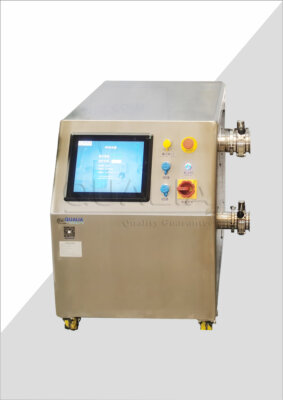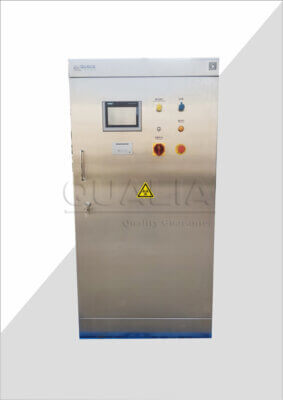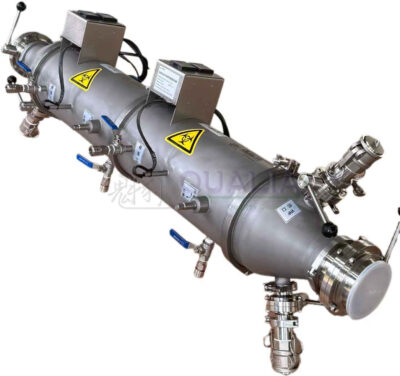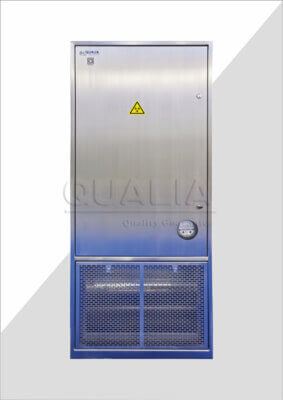

Class III Glove Box Systems for BSL-4 Laboratory Equipment: Design & Integration Best Practices

Operating a Biosafety Level 4 (BSL-4) laboratory demands an uncompromising commitment to absolute containment. The Class III glove box system is the cornerstone of this defense, but its effectiveness is not inherent. The critical challenge lies not in procuring a standalone cabinet, but in successfully integrating it as the central node within a complex, interdependent ecosystem of safety components and experimental equipment. A failure in this integration—be it a flawed connection, an incompatible material, or an unvalidated protocol—can compromise the entire containment barrier.

This integration imperative is more pressing than ever. The nature of BSL-4 research is evolving, with a significant focus on the study of aerosolized pathogens. This shift necessitates housing sophisticated aerobiology platforms inside containment, transforming the simple glove box into a complex, automated experimental workstation. The design, integration, and ongoing operation of these systems now directly dictate research capability, reproducibility, and total operational cost.

Core Design Principles for Absolute Biological Containment

The Foundation of Physical Containment

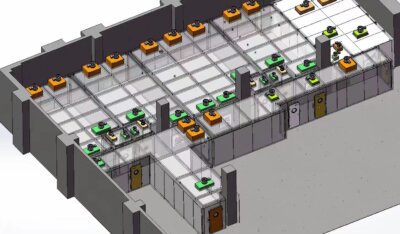
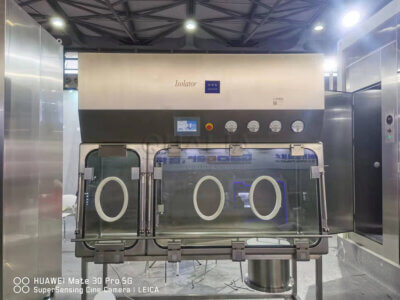
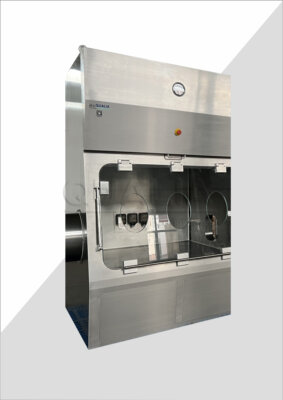
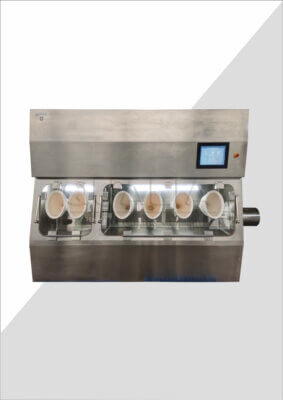
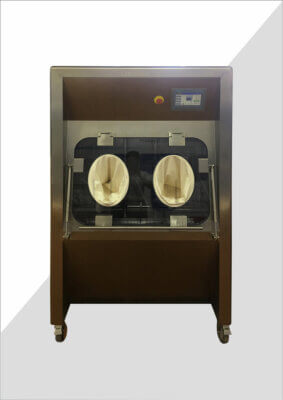
The primary function of a Class III glove box is to establish an absolute, impermeable barrier between the agent and the operator. This is achieved through a sealed, welded stainless steel enclosure that operates under sustained negative pressure. The inward airflow during any potential breach is non-negotiable. Access is restricted to sealed, arm-length gloves, often with secondary gloves worn by personnel. This design philosophy underscores that the cabinet is not an island; its safety is contingent on seamless connectivity to dedicated, redundant building systems.

The Critical Role of Redundant Filtration

Containment is a two-way street: protecting the user and the environment. The air handling system is engineered for this dual purpose. Supply air enters through a HEPA or ULPA filter. More critically, all exhaust air must pass through two HEPA filters in series before release. This redundant configuration is a mandated final defense. According to research from high-containment facility audits, a common oversight is treating these filters as a simple maintenance item rather than the paramount safety component they are. Their annual certification and eventual replacement represent a non-negotiable operational expense.

Specifications for a Sealed Environment

The engineering parameters that define this sealed environment are precise and verifiable. Adherence to standards like ISO 10648-2:1994 Containment enclosures provides the framework for classifying and testing leak tightness, which is fundamental to system integrity.

디자인 파라미터일반적인 사양Key Function
작동 압력-250 to -500 PaSustained inward airflow
캐비닛 구성고급 스테인리스 스틸내식성
Air Supply FiltrationHEPA/ULPA filteredClean air input
Exhaust FiltrationDual HEPA filters in seriesRedundant environmental protection
액세스 방법Sealed arm-length glovesAbsolute physical barrier

Source: ISO 10648-2:1994 Containment enclosures. This standard provides the fundamental classification system for leak tightness and associated test methods, directly relevant to verifying the integrity of the sealed, negative-pressure environment of a Class III glove box.

Key Integration Components: Dunk Tanks, Autoclaves & RTPs

Enabling Safe Material Transfer

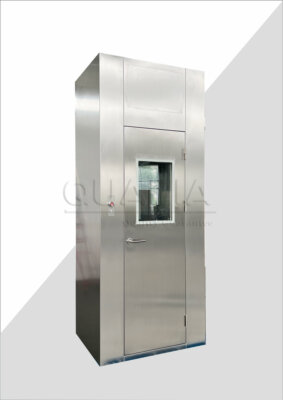
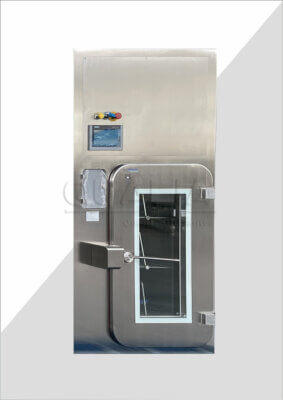
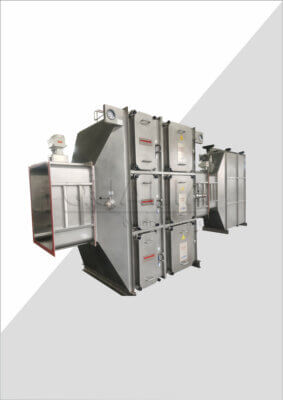
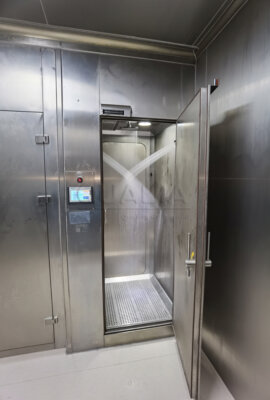
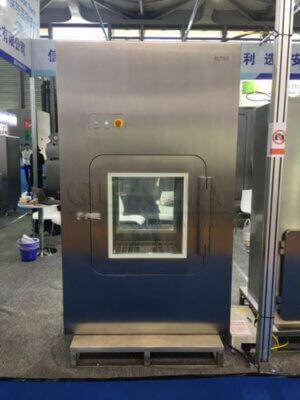
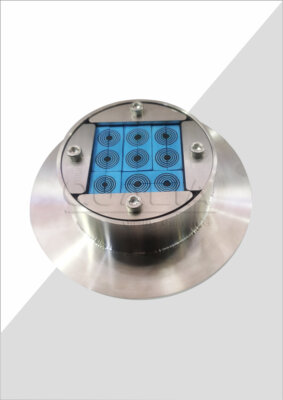
The glove box is functionally useless without validated methods for moving materials in and out. This relies on three primary components: chemical dunk tanks for liquid disinfection of non-porous items, double-door pass-through autoclaves for sterilization, and Rapid Transfer Ports (RTPs). Each component must be interlocked or sealed to prevent a simultaneous breach of containment. In our experience, the lead times and customization requirements for these integrated components often surprise project planners, as they must be certified for the harsh decontamination cycles of the BSL-4 environment.

The System-as-a-Whole Imperative

Procurement must treat the glove box as the core of a subsystem. The reliability of the entire containment strategy depends on the performance of these interconnections. A failure at the autoclave door gasket or the RTP docking mechanism represents a direct pathway for agent escape. This interconnectedness highlights a critical insight: the value and safety of the primary cabinet are entirely contingent on the quality and compatibility of its attached components. The choice here directly influences long-term operational flexibility and introduces supply chain risk.

Component Integration Overview

The selection of integration components defines operational workflows, especially for dynamic animal studies.

구성 요소주요 기능Integration Criticality
Chemical Dunk TankLiquid disinfectant barrierFor non-porous items
양문형 오토클레이브Sterilization of materials/wasteInterlocked door safety
RTP(빠른 전송 포트)Sealed animal/sample transferDynamic ABSL-4 workflows
Utility PenetrationsFuture platform connectivitySystem-as-a-whole design

Source: Technical documentation and industry specifications.

Validated Decontamination Protocols for Class III Systems

The Operational Bottleneck

Rigorous decontamination is the critical path between experiments. The entire cabinet interior, including all integrated equipment, must undergo gaseous decontamination (e.g., with paraformaldehyde) before any maintenance or protocol change. This is not a quick process. A full cycle, including contact time (often 6-12 hours) and neutralization, can consume more than 12 hours of operational downtime. This inflexible requirement directly limits experimental throughput and is a major driver of the cost-per-experiment in a BSL-4 setting.

Validation and Material Compatibility

Each decontamination cycle must be validated using biological indicators placed at the most challenging locations within the cabinet (e.g., inside filters, deep within equipment). This protocol dictates every other decision. All internal equipment—from shelving to complex aerobiology platforms—must be constructed from materials that can withstand repeated, aggressive gas cycles. This specification significantly narrows the pool of compatible vendors and can extend procurement lead times for custom experimental modules.

Protocol Duration and Impact

The validated decontamination process is a major factor in scheduling and operational cost.

Protocol Phase일반적인 기간Critical Factor
Gaseous Agent Contact6 to 12 hoursValidated kill time
Cycle (Contact + Neutralization)>12 hours totalMajor operational downtime
유효성 검사 방법생물학적 지표Challenging location placement
Internal Equipment RequirementGas-cycle resistant materialsLimits vendor options

Source: ANSI/ASSP Z9.14-2021 Laboratory Ventilation Systems. This standard establishes performance-verification methodologies for high-containment labs, supporting the validation of decontamination cycles that protect the integrity of the ventilation and containment system.

Integrating Aerobiology Equipment into Glove Box Workflows

From Containment to Experimental Platform

The study of aerosolized pathogens requires housing equipment like an Automated Aerosol Management Platform (AAMP) entirely within the glove box. Best practice involves hard-plumbing such platforms to cabinet utilities to avoid unsealed penetrations. This integration automates exposure parameters, which is a profound shift in risk management. The critical risk point moves from manual procedural execution during a live agent experiment to the pre-experimental calibration and validation phase. Ensuring the integrity of this calibration data is now a primary safety and scientific concern.

The Dose Definition Challenge

Integrating this equipment introduces a key methodological variance: defining the “inhaled dose.” Dose can be calculated via formula-based estimates or measured using actual plethysmography data from subjects. The choice between these methods significantly impacts study reproducibility and cross-facility comparisons. Experts recommend that protocols explicitly state and justify the dose-calculation methodology, as this is an easily overlooked detail that can undermine the validity of otherwise contained and safe experiments.

Facility & Personnel Safety Considerations for Integration

Engineering and Administrative Controls

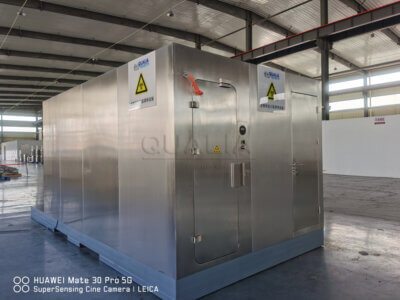
Safety extends far beyond the glove box shell. Facility design must accommodate the system’s large footprint, structural support for attached autoclaves, and integration of the cabinet’s exhaust into the building’s dedicated, HEPA-filtered exhaust system. On the personnel side, strict procedures govern attire (e.g., dedicated scrubs) and glove disinfection before removal. This holistic view—combining engineered containment with rigorous administrative protocols—is essential for true safety.

The Cascading Standard of Care

The integration of advanced, automated platforms inside BSL-4 containment is raising the bar for procedural rigor. The precision and data integrity required for these automated systems create a new expectation for monitoring and validation in lower-containment BSL-3 aerobiology work. Safety considerations must now evolve to encompass not just the physical barrier but also the integrity of the electronic systems and data that define and control the experimental hazard.

Evaluating Total Cost of Ownership (TCO) for BSL-4 Systems

Looking Beyond Capital Expenditure

A true TCO analysis exposes costs far beyond the purchase order. Recurring expenses from validated decontamination cycles—including labor, consumables, and downtime—form a substantial, ongoing operational cost. Annual maintenance contracts must prioritize the certification and leak-testing of the dual exhaust HEPA filters, a paramount safety expense that cannot be deferred.

The Platform vs. Component Decision

The market is segmenting, offering a fundamental choice. Selecting a pre-integrated, validated experimental platform from a single vendor carries a higher upfront cost but drastically reduces integration risk and validation burden. Conversely, opting to integrate modular components from various vendors lowers initial capital outlay but assumes significant in-house engineering risk, potential extended downtime, and long-term support challenges from a limited specialized supply chain.

Comprehensive Cost Drivers

Understanding TCO requires analyzing both visible and hidden expenses over the system’s lifecycle.

비용 범주Key DriversLong-Term Impact
Recurring DecontaminationLabor & consumablesHigh operational expense
Annual HEPA MaintenanceCertification & replacementNon-negotiable safety cost
Upfront CapitalPlatform vs. component choiceDefines integration risk
Hidden CostsIn-house integration, downtimeSelf-integration risk premium

Source: Technical documentation and industry specifications.

Ongoing Maintenance, Validation, and Compliance Requirements

A Regime of Rigorous Verification

Sustained operation mandates a scheduled regime of verification. The dual exhaust HEPA filters require annual leak testing and certification, but crucially, they must be gas-decontaminated in place before any integrity testing can be performed to protect maintenance personnel. Every decontamination cycle requires validation with biological indicators. Calibration of integrated equipment like aerosol generators is not merely an operational task but a critical control point for data integrity and experimental safety.

Documentation as Proof of Compliance

Compliance is demonstrated through meticulous, contemporaneous documentation of all procedures, validation results, and maintenance actions. This ongoing administrative burden necessitates dedicated staff expertise. Scheduling must align maintenance windows and validation cycles with research programs to ensure that engineered safety is never compromised by procedural lapses or scheduling pressures.

Scheduled Safety and Compliance Activities

A structured schedule is non-negotiable for maintaining containment integrity and regulatory standing.

요구 사항Frequency / TriggerCritical Purpose
Exhaust HEPA TestingAnnual leak certification격리 무결성
In-place Filter DecontaminationBefore integrity testing직원 안전
주기 유효성 검사Per decontamination eventBiological efficacy proof
장비 보정Per experimental scheduleData integrity control
Procedural Documentation연속규정 준수

Source: ANSI/ASSP Z9.14-2021 Laboratory Ventilation Systems. The standard’s testing and verification methodologies are directly applicable to the scheduled maintenance, performance validation, and documentation required for BSL-4 containment systems.

Selecting a Class III Glove Box System: A Decision Framework

Defining the Primary Need

The first strategic decision is defining the primary need: a basic containment cabinet versus a pre-integrated experimental platform. This is the core “platform vs. component” trade-off. A basic cabinet serves containment-only functions at a lower capital outlay. An integrated platform, such as a cabinet designed with a specific aerobiology research system, offers containment plus validated, turnkey experimental capability at a higher initial investment but with lower integration risk.

Evaluating Key Selection Criteria

Beyond cost, selection criteria must include material compatibility with harsh decontaminants, the availability and design of integration ports (RTP, autoclave flanges), and the supplier’s proven ability to support long-term integration and maintenance. Given the tight vendor pool for certified BSL-4 equipment, the supplier’s stability and expertise become a critical risk mitigation factor. The framework must weigh the higher upfront costs for integrated reliability against the very real hidden costs and project risks of a self-integrated approach.

Strategic Decision Matrix

A side-by-side comparison clarifies the fundamental trade-offs between the two primary procurement paths.

선택 기준Option A: Basic CabinetOption B: Integrated Platform
주요 기능Absolute containmentContainment + experimentation
선불 비용Lower capital outlay더 높은 초기 투자 비용
Integration BurdenHigh in-house riskSupplier-managed, lower risk
Vendor SupportComponent-specificSingle-source, long-term
운영 유연성Modular, custom buildsValidated, turnkey workflows

Source: Technical documentation and industry specifications.

The decision to implement a Class III glove box system hinges on three priorities: treating integration as a primary safety requirement, budgeting for the true total cost of ownership dominated by recurring validation and maintenance, and selecting a configuration that balances current needs with future experimental evolution. The choice between a modular component approach and a validated integrated platform will define your facility’s operational risk profile and research agility for years.

Need professional guidance on designing or integrating a BSL-4 containment system that aligns with your specific research and safety protocols? The experts at QUALIA specialize in the complex interface between absolute containment and advanced experimental functionality. Contact us to discuss a tailored approach for your high-containment laboratory requirements.

자주 묻는 질문

Q: What are the primary design principles for ensuring absolute containment in a Class III glove box?
A: The system must function as a complete physical barrier, constructed from corrosion-resistant stainless steel and operating under sustained negative pressure, typically between 250 and 500 Pa. Access is restricted to sealed, arm-length gloves, and the dedicated air system requires dual HEPA filters in series on the exhaust for mandatory redundancy. This means facilities must design the cabinet as a central node within a larger containment ecosystem, with all utility penetrations and exhaust connections planned for future integration from the outset.

Q: How do you safely transfer materials into and out of a sealed Class III cabinet?
A: Safe transfer relies on three integrated components: chemical dunk tanks for liquid disinfection, double-door interlocking autoclaves for sterilization, and Rapid Transfer Ports (RTPs) for sealed docking with transport carts. The success of the entire containment system depends on the reliability of these interconnections. For projects where dynamic animal or sample workflows are required, especially in ABSL-4, you must prioritize RTP compatibility during initial procurement to avoid costly and risky retrofits.

Q: What is the operational impact of the mandatory decontamination cycle for Class III systems?
A: Gaseous decontamination, often using paraformaldehyde with a 6 to 12-hour contact time, creates significant operational downtime that directly limits experimental throughput and increases cost-per-experiment. This protocol requires validation with biological indicators and dictates that all internal equipment must withstand repeated gas cycles. If your operation requires high research continuity, plan for this bottleneck by justifying multiple cabinet lines in your facility design and experimental scheduling.

Q: What are the key considerations for integrating an aerosol exposure system inside a glove box?
A: Best practice involves housing equipment like an Automated Aerosol Management Platform entirely within the cabinet, with its utilities hard-plumbed to the cabinet’s supply and its exhaust HEPA-filtered before rejoining the main exhaust stream. This integration shifts critical risk to the pre-experimental calibration phase, making data integrity paramount. This means you must select equipment engineered from gas-compatible materials and establish rigorous protocols for dose calculation methodology to ensure study reproducibility.

Q: How should we evaluate the true long-term cost of a BSL-4 glove box system?
A: A true Total Cost of Ownership (TCO) must account for significant recurring costs from validated decontamination cycles, annual HEPA filter certification and replacement, and dedicated maintenance labor. The market offers a fundamental choice between higher-cost, pre-integrated platforms and lower-upfront-cost, modular components from various vendors. For operations where minimizing integration risk and validation burden is critical, you should expect to justify the higher initial investment in a platform solution to avoid long-term support challenges.

Q: What ongoing validation is required to maintain a Class III system in compliance?
A: Sustained compliance demands a rigorous regime including annual leak testing and certification of the dual exhaust HEPA filters (after in-place decontamination), validation of all decontamination cycles with biological indicators, and regular calibration of integrated equipment like aerosol generators. This ongoing burden necessitates dedicated staff expertise and structured scheduling. Facilities must therefore budget not only for the maintenance contracts but also for the operational downtime and documentation overhead required to align these activities with research programs.

Q: Which standards are most relevant for specifying and verifying a Class III glove box?
A: While NSF/ANSI 49 governs common biosafety cabinets, it does not apply to Class III systems. For leak-tightness classification and verification, refer to ISO 10648-2. Broader facility ventilation performance, which critically supports the glove box, should align with ANSI/ASSP Z9.14. This means your specification and qualification plan must reference a combination of enclosure-specific and facility-level standards to ensure comprehensive containment integrity.

Q: How does integrating advanced equipment change safety protocols for personnel?
A: Safety expands beyond physical containment to encompass rigorous personal protocol and data integrity. Personnel must follow strict procedures for donning scrubs, disinfecting gloves, and autoclaving waste within containment. Furthermore, automated platforms raise the standard for procedural rigor, as the critical risk point moves to system calibration and the secure transmission of unaltered experimental data. Your safety program must therefore evolve to treat electronic data defining exposure parameters with the same level of control as the physical pathogen.

Picture of Barry Liu

Barry Liu

Hi, I'm Barry Liu. I've spent the past 15 years helping laboratories work safer through better biosafety equipment practices. As a certified biosafety cabinet specialist, I've conducted over 200 on-site certifications across pharmaceutical, research, and healthcare facilities throughout the Asia-Pacific region.

ko_KRKO
위로 스크롤
Safe Hazardous Material Handling with BIBO | qualia logo 1

지금 문의

직접 문의하세요: [email protected]