Start with the destination of the water
Water intended for drinking, water used in a manufacturing process and liquid waste leaving a facility are different procurement duties. A supplier description that uses the word decontamination does not make those duties interchangeable. This article concerns the scope of an effluent equipment purchase, not household drinking-water treatment.
Distinguish the claims being requested
Ask whether the purchase concerns an equipment package, a broader wastewater project or a water-quality outcome. A statement about one class of contaminant is not evidence that every contaminant is addressed. Do not infer drinking-water suitability from an effluent-treatment claim. Any required output needs its own applicable acceptance basis and responsible qualified reviewer.
Allocate separate treatment work
The owner and its advisers should identify the applicable receiving route and the responsibility for additional treatment, connections and permits. Quotations should make exclusions visible. EPA’s industrial pretreatment material illustrates that discharge responsibilities can involve federal, state and local requirements; it does not establish the rules for every site.
Request a scope decision before a price comparison
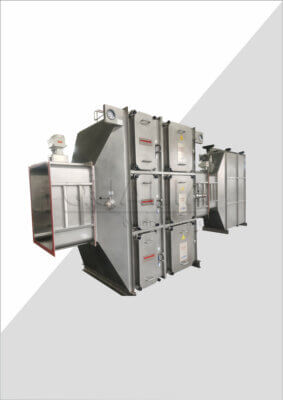
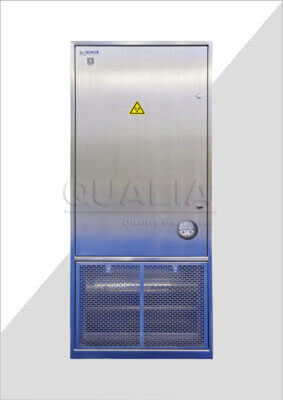
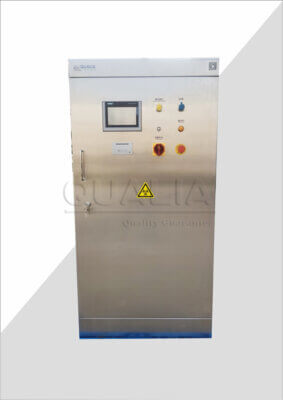
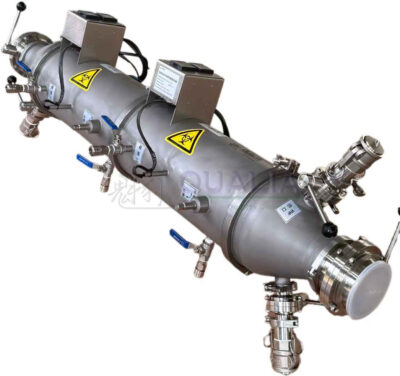
Compare equipment offers only after the intended duty and output responsibility are defined. QUALIA’s effluent equipment discussion should state what is included in the proposed package and what needs another provider. This prevents a narrow equipment quotation being mistaken for complete drinking-water or municipal wastewater service.